Porcelain veneers are one of the most transformative cosmetic dental treatments available, capable of addressing chips, gaps, discoloration, and shape all at once. That transformation, understandably, comes with questions about cost.
If you’re researching porcelain veneers cost in Toronto, you’ve probably noticed that pricing isn’t a single fixed number. It depends on how many teeth you’re treating, the complexity of your case, and the materials used.
At Heritage Dental Studio, we help patients understand exactly what goes into veneer pricing so they can plan their investment with clarity rather than guesswork.
What Are Porcelain Veneers, Exactly?
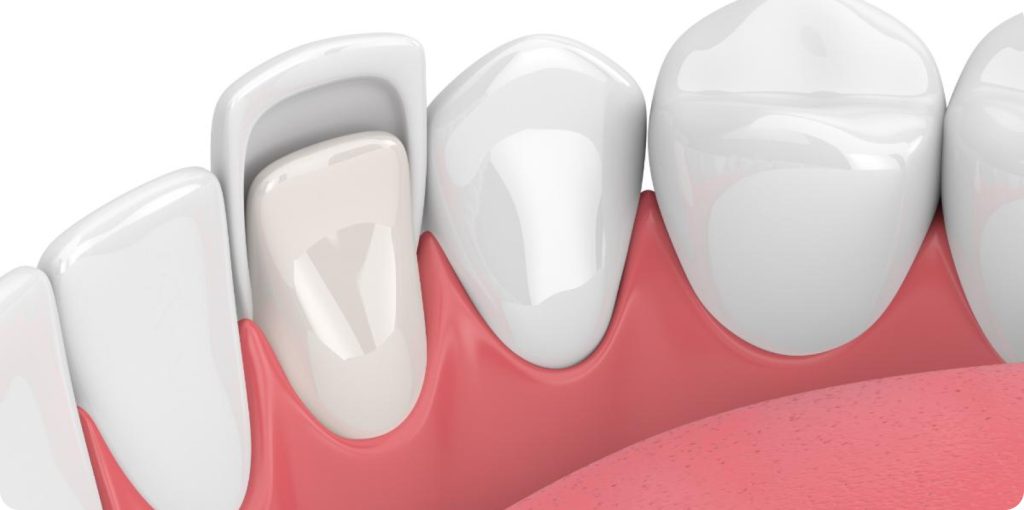
Porcelain veneers are thin, custom-made shells bonded to the front surface of your teeth. They’re designed to correct color, shape, size, and minor alignment issues in one comprehensive treatment.
Unlike whitening, which only changes tooth color, veneers can reshape your entire smile line. This versatility is part of why they carry a higher price point than many other cosmetic options.
Understanding what veneers actually accomplish helps explain the investment involved. Let’s break down the specific factors that determine your total cost.
Key Factors That Influence Veneer Pricing
Number of Teeth Being Treated
Veneers are priced per tooth, so treating a few front teeth costs significantly less than a full smile makeover involving eight to ten veneers. Most patients focus on the teeth visible when smiling, typically the upper front six to eight teeth.
Material Choice
Porcelain veneers are more durable and stain-resistant than composite alternatives, which affects their price point. Our comparison of composite vs porcelain veneers walks through how these materials differ in cost and longevity.
Complexity of Your Case
If your teeth need significant reshaping, correction of noticeable misalignment, or extensive prep work, this adds complexity and time to the treatment, which factors into overall cost.
Customization and Lab Work
High-quality porcelain veneers are custom-crafted in a dental lab to match your desired shade, translucency, and shape. This craftsmanship is a meaningful part of what you’re paying for.
Your Provider’s Experience Level
Cosmetic dentistry is as much an art as a science. Providers with significant cosmetic experience often price their work accordingly, reflecting the precision required for natural-looking results.
These variables combine to create the wide pricing range you’ll encounter when researching veneers. Next, let’s look at how veneers compare cost-wise to other cosmetic alternatives.
Veneers vs. Other Cosmetic Options
Veneers vs. Teeth Whitening
Whitening addresses color alone and costs considerably less, but it can’t correct shape, chips, or gaps. If your only concern is tooth color, our guide on teeth whitening cost in Toronto may be a more relevant starting point.
Veneers vs. Dental Bonding
Bonding uses composite resin applied directly to your teeth and costs less upfront, though it typically doesn’t last as long or resist staining as well as porcelain. Our dental bonding guide explains when this might be the right fit instead.
Veneers vs. Invisalign
If your primary concern is alignment rather than color or shape, clear aligners might address the issue more directly. Our comparison of Invisalign vs veneers can help clarify which approach matches your specific goals.
Weighing these alternatives against veneers helps ensure you’re investing in the treatment that actually solves your specific concern. Now let’s walk through what the treatment process itself typically involves.
What the Veneer Process Involves
Initial Consultation and Planning
Your dentist evaluates your teeth, discusses your goals, and often uses digital imaging to help you visualize the potential outcome before committing to treatment.
Tooth Preparation
A small amount of enamel is typically removed from the front surface of each tooth being treated, creating space for the veneer to sit naturally.
Impressions and Temporary Veneers
Impressions of your prepared teeth are sent to a dental lab for custom fabrication. Temporary veneers are often placed in the meantime to protect your teeth and maintain aesthetics.
Final Placement
Once your custom veneers are ready, your dentist checks the fit, shade, and shape before permanently bonding them in place. Minor adjustments are made at this stage to ensure comfort and a natural bite.
Understanding this multi-step process helps explain why veneers require more planning time than treatments like whitening. Next, let’s discuss how long veneers actually last, since this affects the overall value of your investment.
How Long Do Porcelain Veneers Last?
Porcelain veneers are known for their durability when properly cared for, though they aren’t permanent and may eventually need replacement. Our detailed guide on how long veneers last covers the factors that influence their lifespan.
Good oral hygiene, avoiding using your teeth as tools, and wearing a nightguard if you grind your teeth all contribute to extending the life of your veneers. Regular dental cleaning appointments also help maintain both your veneers and surrounding natural teeth.
Factoring in this lifespan against the upfront cost helps many patients see veneers as a long-term investment rather than a short-term fix. Let’s address a common question next: whether veneers are permanent or reversible.
Are Veneers Permanent?
This is one of the most common questions patients ask before committing to treatment. Because a small amount of enamel is removed during preparation, veneers are generally considered a permanent commitment rather than a reversible one.
Our guide on are veneers permanent explains this process in more detail, including what happens if a veneer eventually needs replacement. Understanding this commitment upfront helps you make a confident, informed decision.
This permanence is part of why a thorough consultation matters so much before starting treatment. Next, let’s look at whether insurance typically covers any portion of veneer costs.
Does Insurance Cover Porcelain Veneers?
Since veneers are primarily considered a cosmetic treatment, most dental insurance plans do not provide coverage. This applies broadly across private insurance plans as well as government programs.
In cases where veneers are used to repair significant structural damage, such as a severely chipped or cracked tooth, some plans may offer partial coverage, though this varies by provider and policy. It’s worth reviewing your specific plan details or asking your dentist’s office to help verify coverage before treatment begins.
Given the limited insurance coverage for cosmetic cases, most patients budget for veneers as a dedicated investment. Many practices offer financing or payment plan options worth asking about during your consultation.
Alternatives If Full Veneers Aren’t in Your Budget Right Now
Starting With a Few Key Teeth
Rather than treating a full arch, some patients start with the one or two teeth that bother them most, expanding treatment later as budget allows.
Combining Whitening With Bonding
For patients not ready for the veneer investment, combining whitening with targeted bonding on specific teeth can achieve meaningful improvement at a lower cost.
Phased Smile Makeover Planning
A smile makeover consultation can help you map out a longer-term plan, prioritizing treatments in phases that fit your budget and timeline.
These alternatives ensure that budget constraints don’t have to mean giving up on your smile goals entirely. Let’s wrap up with guidance on how to get an accurate quote for your specific case.
How to Get an Accurate Veneer Quote
Schedule a Cosmetic Consultation
Because veneer pricing depends so heavily on your individual case, an in-person consultation is the only reliable way to get an accurate estimate.
Bring Reference Photos
If you have a specific look in mind, bringing reference photos helps your dentist understand your goals and provide more precise guidance on what’s achievable.
Ask About the Full Treatment Timeline
Understanding how many appointments are involved, from consultation to final placement, helps you plan both your schedule and your budget accordingly.
Discuss Maintenance Costs
Ask about the long-term care veneers require, including any changes to your oral hygiene routine or the need for a protective nightguard.
Approaching your consultation with these questions ensures you leave with a clear, complete understanding of your investment. Let’s close with some final thoughts on making this decision.
Making a Confident Decision About Veneers
Porcelain veneers represent a significant investment, but for many patients, the transformation in confidence and smile aesthetics makes it worthwhile. Understanding the specific factors that influence your cost helps you approach the decision with clarity rather than uncertainty.
Every smile is unique, and the right treatment plan depends on your specific goals, timeline, and budget. A personalized consultation is the best way to move from general research to a concrete, confident plan.
If you’ve been considering a smile transformation, there’s no better time to start the conversation than now. Book a consultation with Heritage Dental Studio and take the first step toward the smile you’ve been envisioning.
FAQ
How many veneers do most people get?
Many patients choose between six and eight veneers for the upper front teeth, since these are most visible when smiling. Some opt for fewer, focusing only on specific teeth that bother them.
Do veneers require special maintenance?
Veneers require the same daily brushing and flossing as natural teeth, along with regular dental checkups. Avoiding habits like nail biting or chewing ice helps protect them long term.
Can veneers be whitened later if they become stained?
No, porcelain veneers do not respond to whitening treatments the way natural teeth do. Good hygiene and avoiding excessive staining foods help maintain their appearance over time.
Is the veneer preparation process painful?
Local anesthesia is typically used during tooth preparation, so most patients report minimal discomfort. Some mild sensitivity afterward is normal and usually temporary.
What happens if a veneer chips or breaks?
Contact your dentist promptly, since a damaged veneer typically needs repair or replacement rather than attempting a fix at home. Prompt attention helps protect the underlying tooth structure.
Ready to Explore Your Smile Makeover Options?
Book a cosmetic consultation with Heritage Dental Studio to get a personalized veneer quote and a clear plan tailored to your smile goals.