
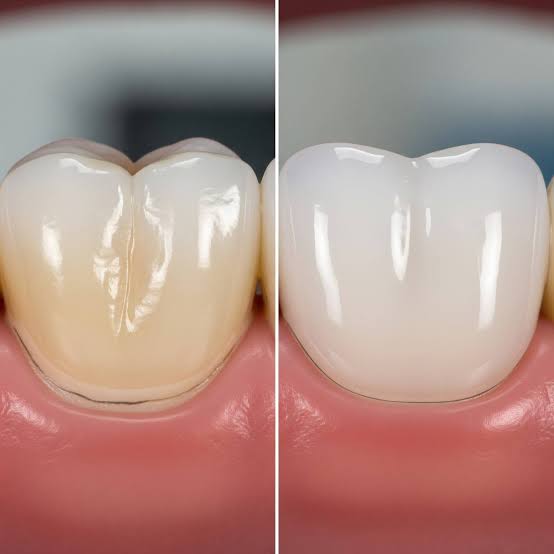
Choosing between veneers and bonding usually comes down to one honest question: how much are you willing to invest for how long the result should last? Both treatments correct chips, gaps, discoloration, and uneven tooth shape, but they work in fundamentally different ways. Bonding applies tooth-colored resin directly onto your tooth in a single visit, while veneers involve custom-crafted porcelain shells bonded over your natural teeth. Neither option is universally better; the right choice depends on your budget, timeline, and how many teeth you are looking to correct. This guide compares veneers vs bonding across cost, durability, appearance, and the specific situations where each treatment genuinely makes sense.
What Is Dental Bonding?
Dental bonding uses a tooth-colored composite resin that your dentist shapes directly onto the tooth surface, then hardens with a curing light. The entire process typically happens in a single appointment, often within an hour per tooth.
Bonding requires little to no removal of your natural enamel, which makes it a reversible, minimally invasive option. This is one of its biggest appeals for patients hesitant about permanently altering their tooth structure.
Our detailed dental bonding guide walks through exactly what happens during the procedure and what results you can realistically expect. Understanding the process helps set the stage for comparing it against the more involved veneer procedure.
What Are Porcelain Veneers?
Porcelain veneers are thin, custom-made shells crafted in a dental lab from impressions or digital scans of your teeth. Once ready, they bond permanently to the front surface of your natural teeth.
Unlike bonding, the veneer process typically spans two to three visits, including tooth preparation, impressions, and final placement. Explore our porcelain veneers service page to see the full process and what candidacy typically requires.
Because veneers are custom-fabricated, they allow precise control over shape, size, and shade, often creating a more uniform and dramatic transformation than bonding alone. With both treatments defined, cost is usually where most patients start comparing seriously.
Cost Comparison: Veneers vs Bonding
Price differences between these two treatments are significant, and understanding them upfront prevents surprises later in your decision process.
Dental Bonding Cost
Bonding typically costs between $100 and $600 per tooth, making it accessible for correcting one or two areas of concern without a major financial commitment (source: Wesley Chapel Dental Group). The lower cost reflects the simpler, chairside application process compared to lab-fabricated alternatives.
This affordability makes bonding a popular entry point for patients testing cosmetic dentistry before committing to a larger investment. It also makes it practical for touch-ups on teeth that only need minor correction.
Porcelain Veneers Cost
Porcelain veneers generally range from $925 to $2,500 per tooth, depending on your case complexity and the dentist’s experience level (source: Des Moines Cosmetic Dentist). This reflects the laboratory craftsmanship, custom shade matching, and material quality involved.
Our guide on porcelain veneers cost in Toronto breaks down local pricing factors in more detail. Neither treatment is typically covered by dental insurance since both are classified as cosmetic procedures.
Why Cost Per Year Matters More Than Cost Per Visit
Looking only at upfront price can be misleading, since bonding often requires more frequent replacement than veneers. Calculating cost per year of expected use gives a more accurate financial picture.
If bonding needs replacing two or three times over the same period a single veneer lasts, the long-term costs can converge or even favor veneers. This calculation becomes especially relevant once you factor in durability, which is where the two treatments diverge most clearly.
Durability: How Long Does Each Option Last?
Longevity is often the deciding factor for patients weighing this decision, since it directly affects both appearance and long-term cost.
How Long Bonding Lasts
Composite bonding typically lasts between 4 and 8 years before needing touch-ups or full replacement, depending on your bite force and habits (source: Moa Dental). Some sources report a slightly wider range of 5 to 10 years under ideal conditions with excellent care.
Bonding is more prone to chipping, staining, and general wear over time compared to porcelain. Patients who grind their teeth or consume staining beverages frequently may see bonding wear faster than average.
How Long Veneers Last
Porcelain veneers typically last 10 to 15 years, with some well-maintained cases extending to 20 years or more (source: Bender Dental Care). Porcelain’s stain resistance and structural strength account for much of this longer lifespan.
Our guide on how long veneers last explores the specific care habits that help patients reach the upper end of this range. This durability gap directly influences which treatment suits different lifestyle habits.
The Role of Teeth Grinding
If you grind your teeth at night, a condition called bruxism, bonding tends to wear down faster than porcelain under repeated pressure. Neither material is completely immune to grinding damage, though porcelain holds up considerably better over time.
Addressing grinding with a night guard alongside either cosmetic treatment protects your investment regardless of which option you choose. With durability clear, appearance and natural look become the next meaningful comparison point.
Appearance and Aesthetic Differences
Both treatments aim to create a natural, attractive smile, but they achieve this in noticeably different ways.
The Look of Bonding
Composite resin can be shaped and shaded to blend well with surrounding teeth, especially for small corrections like chips or minor gaps. However, it typically lacks the translucency and light reflection that porcelain naturally provides.
Over time, bonding can also develop a slightly duller appearance as the resin absorbs stains from food and drink. This gradual change is one reason bonding needs more frequent maintenance to preserve its original look.
The Look of Veneers
Porcelain closely mimics the light-reflecting properties of natural enamel, which is why veneers often appear more vibrant and true-to-life even under close inspection. This quality makes them the preferred choice for patients pursuing a comprehensive cosmetic transformation.
Veneers also resist staining significantly better than composite resin, helping maintain their original shade for years without touch-ups. If your goals include changing tooth color permanently, our page on teeth whitening is worth exploring first, since some patients whiten natural teeth before matching veneer shade to the new result.
With appearance considered, the type of cosmetic issue you are correcting often points clearly toward one treatment over the other.
Which Cosmetic Issues Suit Bonding Best?
Bonding tends to work best for smaller, more contained corrections rather than comprehensive smile transformations.
Minor Chips and Cracks
A small chip on a front tooth is one of the most common reasons patients choose bonding. The repair typically takes less than an hour and requires no anesthesia in most cases.
Our guide on fixing a chipped tooth covers when bonding is appropriate versus when a crown might be the better long-term solution. Larger chips affecting significant tooth structure often need more than bonding alone can provide.
Small Gaps Between Teeth
Bonding can close minor gaps by adding composite material to the sides of adjacent teeth, creating a more uniform appearance without orthodontic treatment. Our detailed guide on fixing gaps between teeth compares this approach against alternatives like clear aligners.
Mild Discoloration on One or Two Teeth
For localized staining that whitening cannot resolve, bonding offers a targeted, affordable fix without committing to full coverage veneers. This makes it especially practical when only one or two teeth need attention rather than an entire smile.
While bonding handles these smaller corrections well, more significant or widespread concerns typically call for the comprehensive coverage veneers provide.
Which Cosmetic Issues Suit Veneers Best?
Veneers shine in situations where multiple teeth need coordinated correction or where durability is a higher priority than upfront cost.
Comprehensive Smile Transformations
If you are looking to change the color, shape, and alignment of several teeth simultaneously, veneers offer more predictable, uniform results than treating each tooth individually with bonding. This is often the foundation of a full smile makeover.
Deep or Resistant Staining
Some discoloration, particularly from medications like tetracycline or severe fluorosis, resists whitening treatments entirely. Veneers completely cover the underlying tooth, making them one of the few reliable solutions for these resistant staining cases, as discussed in our guide on why teeth turn yellow.
Long-Term Investment Priorities
Patients who value durability and are prepared for a larger upfront cost generally find veneers more satisfying over a decade-long timeframe. The reduced need for frequent touch-ups can offset the higher initial price over time.
Understanding which category your specific concern falls into makes the decision considerably clearer. Still, a few additional factors deserve consideration before finalizing your choice.
Reversibility: An Often-Overlooked Factor
Bonding is considered reversible since it requires minimal enamel alteration, meaning your natural tooth structure remains largely intact underneath. This appeals to patients who want flexibility to change their approach later.
Veneers, by contrast, typically require removing a thin layer of enamel to accommodate the porcelain shell. This step is generally irreversible, meaning your tooth will always need some form of covering once prepared.
Neither approach is inherently better; reversibility simply matters more to some patients than others depending on how confident they feel about long-term commitment. This consideration often works alongside your dentist’s recommendation based on your specific tooth condition.
What Your Dentist Considers Before Recommending Either Option
A thorough evaluation looks beyond just the cosmetic concern itself to assess your overall oral health and candidacy for each treatment.
Enamel Health and Tooth Structure
Both treatments require reasonably healthy enamel to bond successfully. Extensive decay or structural damage may need to be addressed first, sometimes with tooth-colored fillings or a crown, before cosmetic treatment can proceed.
Bite Alignment and Grinding Habits
Significant bite misalignment or untreated grinding can undermine the longevity of either treatment. Addressing these underlying issues first protects your cosmetic investment regardless of which option you ultimately choose.
Number of Teeth Involved
Correcting a single tooth often favors bonding for its speed and lower cost, while addressing several teeth for a cohesive look frequently favors veneers. Your dentist can walk through this calculation specific to your smile during a consultation.
With these clinical factors in mind, maintenance requirements become the final practical consideration before committing to either treatment.
Maintaining Your Results Long Term
Whichever treatment you choose, certain habits help protect your investment and extend how long your results look their best.
Daily Care Routine
Consistent brushing and flossing remain essential for both bonding and veneers, since gum health directly affects how your cosmetic work looks over time. Our guide on how to brush and floss correctly covers technique details that protect both natural teeth and cosmetic restorations.
Avoiding Excessive Staining Habits
While veneers resist staining considerably better than bonding, both benefit from moderating exposure to coffee, tea, red wine, and tobacco. Reviewing our tips on managing teeth stains can help preserve your results longer regardless of which treatment you choose.
Routine Professional Checkups
Regular dental checkups allow your dentist to catch early signs of chipping, wear, or shifting before they become significant problems. Catching issues early often means a simple adjustment rather than a full replacement.
With maintenance habits established, you are well positioned to make a confident, informed decision between these two treatments.
Making Your Final Decision
There is no universally correct answer between veneers and bonding, only the option that fits your specific goals, budget, and timeline best. Bonding offers speed, affordability, and reversibility for smaller corrections. Veneers deliver durability, stain resistance, and dramatic transformation for more comprehensive goals.
A personalized consultation remains the most reliable way to determine which treatment suits your teeth, since factors like enamel condition, bite alignment, and the extent of correction needed all influence the right recommendation. Bring your specific concerns and priorities to that conversation for the clearest guidance.
Whichever path you choose, both treatments share one goal: helping you feel confident every time you smile. Take the next step by discussing your options with a cosmetic dentistry team who can map out realistic expectations from the very first visit.
FAQ
Can bonding be upgraded to veneers later?
Yes, many patients start with bonding for smaller corrections and move to veneers later for a more comprehensive transformation. Your dentist can guide the timing based on your goals.
Does insurance cover veneers or bonding?
Both are typically classified as cosmetic procedures and are not covered by standard dental insurance, though some plans may cover bonding if used to repair a fractured tooth.
Which option is less painful?
Bonding usually requires no anesthesia and causes minimal discomfort. Veneers may involve mild sensitivity during enamel preparation, though the process is generally well tolerated with local numbing if needed.
Can veneers or bonding be whitened later?
Neither material responds to standard whitening treatments the way natural teeth do. Any color changes typically require replacement rather than a bleaching treatment.
How do I know which option fits my situation?
The best way to know is a dental consultation, where your dentist evaluates your teeth, discusses your goals, and recommends the treatment matched to your specific concern and budget.
Still deciding between veneers and bonding for your smile? Book a cosmetic consultation with Heritage Dental Studio and get a clear, personalized recommendation based on your teeth, goals, and budget, not a one-size-fits-all answer.


