
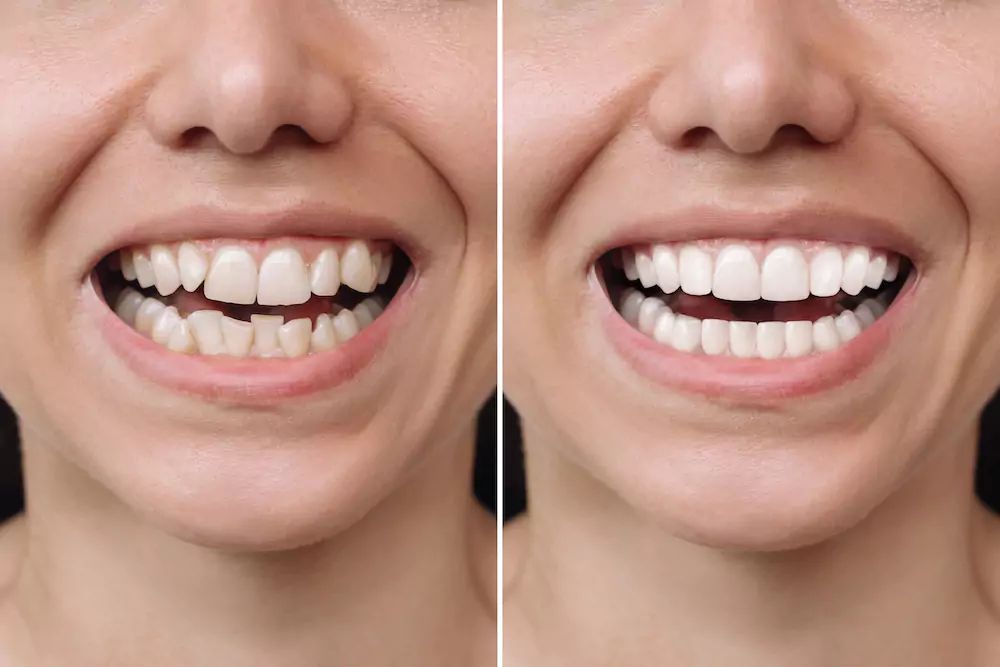
Veneers are a significant investment in your smile, so it’s fair to want a clear answer on how long they’ll actually hold up before needing replacement. The truth is that veneer lifespan depends heavily on the material chosen and how well you care for them afterward. This guide breaks down realistic timelines for porcelain and composite veneers, the factors that shorten or extend their life, and what signs indicate it’s time for replacement.
How Long Do Veneers Last on Average
The lifespan of veneers depends primarily on the material used. Porcelain veneers typically last between 10 and 15 years, and with excellent care, some patients get 20 years or more out of them. Composite veneers have a shorter lifespan, generally lasting 5 to 7 years before needing replacement or touch-ups.
This gap exists because porcelain is a harder, more stain-resistant material that’s fired and bonded in a dental lab, while composite veneers are built up and shaped directly on the tooth using a resin material that’s more prone to chipping and staining over time.
Neither material lasts forever, and both require some level of long-term maintenance to reach their maximum potential lifespan.
Understanding the material difference is the first step, but daily habits play just as large a role in how long veneers actually last for you specifically.
Porcelain vs Composite Veneers: Why the Lifespan Differs
Porcelain veneers are custom-fabricated in a dental lab from an impression of your teeth, then bonded permanently to the tooth surface. The material is dense, resists staining well, and holds its polish and shine for years.
Composite veneers are sculpted directly onto the tooth by your dentist using a tooth-colored resin, then hardened with a curing light. This process is faster and less expensive, but the material is softer and more susceptible to chipping, staining, and general wear.
For a detailed side-by-side comparison of these two options, composite vs porcelain veneers covers the cost, appearance, and durability trade-offs in more depth.
If longevity is your top priority and budget allows, porcelain is generally the stronger long-term investment. If you want a faster, more affordable option and don’t mind more frequent touch-ups, composite remains a reasonable choice.
Material choice sets the baseline, but what happens after placement determines whether you hit the high end or low end of that lifespan range.
Factors That Shorten Veneer Lifespan
Teeth Grinding and Clenching
Bruxism is one of the leading causes of early veneer failure. The repetitive pressure from grinding can chip, crack, or loosen veneers well before their expected lifespan. If you grind your teeth, especially at night, wearing a night guard significantly reduces this risk.
Biting Hard Objects
Chewing ice, biting fingernails, or using your teeth to open packaging puts sudden, concentrated force on veneers that they’re not designed to withstand, leading to chips or fractures.
Poor Oral Hygiene
Veneers themselves don’t decay, but the natural tooth structure underneath and around them can. Poor hygiene increases the risk of decay forming at the veneer margin, which can compromise the bond and require replacement.
Gum Recession
Over time, gum tissue can recede, exposing the edge of the veneer where it meets the natural tooth. This can create a visible line or gap, affecting both appearance and the veneer’s protective seal. Reviewing receding gums causes helps you understand risk factors worth monitoring.
Physical Trauma
Sports injuries or accidents involving impact to the mouth are a common cause of sudden veneer damage, regardless of how well-maintained they’ve otherwise been.
Recognizing these risk factors is the first step toward actively protecting your veneers rather than hoping they simply hold up on their own.
How to Extend the Life of Your Veneers
Wear a Night Guard If You Grind
This is the single most effective step for patients with bruxism. A custom night guard distributes pressure evenly and protects veneers from the repetitive stress that causes premature chipping.
Avoid Using Teeth as Tools
Resist the urge to open packages, bite nails, or chew on pens with your veneered teeth. These habits put unnecessary strain on a surface that’s bonded rather than naturally grown.
Maintain Regular Dental Checkups
Routine visits for check-up and preventive dentistry allow your dentist to catch small issues, like a hairline crack or early margin decay, before they become bigger problems requiring full replacement.
Practice Consistent Oral Hygiene
Brushing twice daily and flossing protects the natural tooth structure supporting your veneers. Consider reviewing how to brush and floss correctly to ensure you’re cleaning effectively around veneer margins.
Choose Foods Wisely
While veneers can handle normal chewing, being mindful around very hard or sticky foods reduces unnecessary risk, particularly for composite veneers, which are more vulnerable to chipping.
Following these habits consistently is what separates patients who get 10 years from their veneers versus those who get 20.
Signs Your Veneers May Need Replacement
Even with excellent care, veneers eventually reach the end of their functional or cosmetic lifespan. Watch for these signs:
- Visible chips or cracks in the veneer surface
- A noticeable color mismatch with surrounding natural teeth, especially after whitening treatments that don’t affect veneer shade
- A gap or dark line forming at the gum line where the veneer meets the tooth
- Looseness or shifting of the veneer when biting or chewing
- Increased sensitivity in the veneered tooth, which could indicate an underlying issue
If you notice any of these signs, scheduling an evaluation sooner rather than later typically results in a simpler, less costly repair compared to waiting until the issue worsens.
Understanding when replacement becomes necessary helps you plan financially and avoid being caught off guard by an unexpected repair.
What Happens During Veneer Replacement
Replacing an existing veneer follows a similar process to initial placement. Your dentist removes the old veneer, evaluates the health of the underlying tooth, and takes new impressions for a replacement shell.
In some cases, if the original enamel preparation was conservative, minimal additional tooth structure needs to be removed. This is one reason working with an experienced dentist for your initial placement matters, since overly aggressive preparation the first time can limit options down the road.
If decay or structural damage is found on the underlying tooth during replacement, additional treatment such as a crown might be recommended instead of a new veneer, depending on how much natural tooth structure remains.
Planning ahead for eventual replacement, rather than treating veneers as a permanent one-time purchase, leads to better long-term outcomes and fewer surprises.
Is the Investment Worth It Long Term
When you break down the cost of porcelain veneers over a 10 to 15 year lifespan, the annual cost is often more reasonable than it appears upfront. Combined with proper care, many patients find the confidence and aesthetic benefit well worth the investment over that period.
Composite veneers offer a lower upfront cost but require more frequent maintenance and replacement, which can add up over the same time period. The right choice depends on your budget structure and how you prefer to spread out the cost over time.
Regardless of which material you choose, understanding realistic lifespan expectations from the start helps you budget appropriately and get the most value from your investment.
Protecting Your Smile Investment for the Long Run
Veneers can transform your smile for well over a decade when properly cared for, but their lifespan isn’t automatic. Grinding, poor hygiene, and hard-food habits are the most common reasons patients see early failure, while consistent maintenance and a protective night guard are the most reliable ways to maximize their lifespan.
Treating your veneers as an ongoing part of your dental care routine, not a one-time procedure you can forget about, is what ultimately determines whether you get 10 years or 20 out of your investment. Regular checkups and a proactive approach to protection will keep your smile looking its best for as long as possible.
FAQ
Do veneers need special toothpaste or care products?
No special products are required, though non-abrasive toothpaste is recommended to avoid dulling the porcelain surface over time. Standard brushing and flossing routines are sufficient.
Can a single chipped veneer be repaired without replacing all of them?
Yes, in most cases only the damaged veneer needs replacement, not the entire set. Your dentist can typically match the shade closely to your existing veneers.
Will whitening treatments affect the color of my veneers?
No. Veneers do not respond to whitening agents, so their shade stays the same while natural teeth may lighten, potentially creating a mismatch if not planned carefully in advance.
Is it normal for veneers to feel different than natural teeth?
Most patients adjust within a few days and stop noticing a difference. Persistent discomfort or an unusual bite feeling should be evaluated by your dentist.
Can I get veneers if I already have crowns on some teeth?
Yes, veneers and crowns can coexist, though shade matching between the two materials should be planned together for a consistent, natural-looking result.
What’s the first sign that a veneer is failing?
A small chip at the edge or a change in how the tooth feels when biting are usually the earliest signs, often noticed before any visible color change occurs.
Ready to Protect Your Veneer Investment?
Whether you’re considering veneers for the first time or want to make sure your current ones last as long as possible, Heritage Dental Studio can help. Book a consultation to get a personalized care plan built around your smile.


