
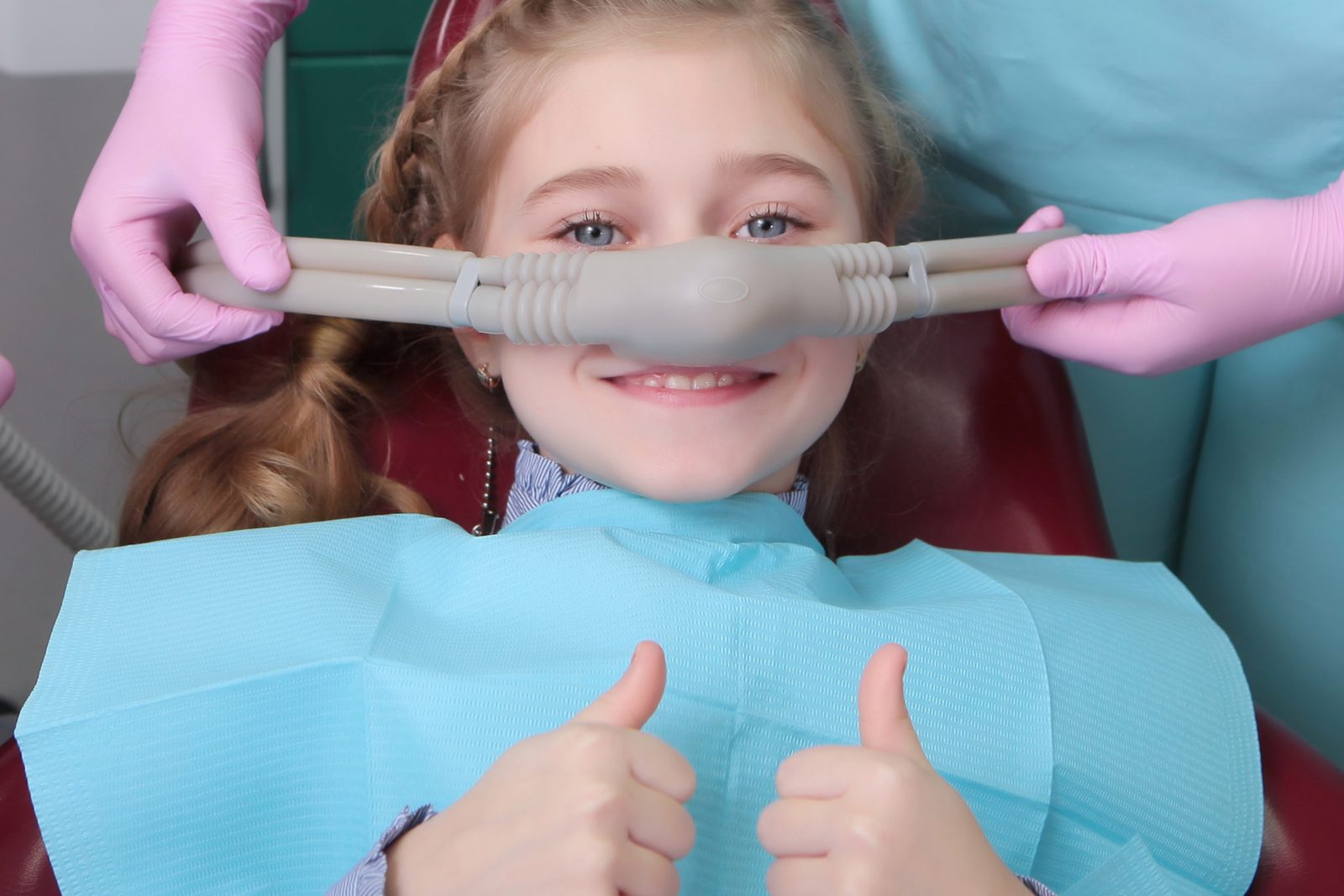
Dental anxiety is common enough that most dental offices now offer sedation options, but figuring out which type fits your situation can feel confusing when you’re already nervous about the appointment itself. Nitrous oxide vs oral sedation is one of the most frequent comparisons patients ask about, and the right choice depends on your anxiety level, the procedure involved, and how quickly you need to return to normal activities afterward. This guide breaks down exactly how each option works.
Nitrous Oxide vs Oral Sedation: The Basic Difference
Nitrous oxide, commonly known as laughing gas, is inhaled through a small mask placed over your nose during the appointment. It produces a light, relaxed feeling almost immediately and wears off within minutes of removing the mask.
Oral sedation involves taking a prescribed pill, usually an hour before your appointment, that produces a deeper level of relaxation lasting several hours, extending well beyond the procedure itself.
The core distinction comes down to intensity and duration. Nitrous oxide offers mild, fast-acting, quickly reversible relaxation, while oral sedation provides a stronger, longer-lasting effect that requires more recovery planning afterward.
This fundamental difference shapes nearly every other consideration in choosing between them, starting with how each option actually feels during treatment.
How Nitrous Oxide Works During Treatment
Once the mask is in place, most patients begin feeling the effects of nitrous oxide within three to five minutes. The sensation is typically described as a light, floating calmness, sometimes accompanied by mild tingling in the hands and feet.
Nitrous oxide does not put you to sleep. You remain fully conscious and able to respond to your dentist throughout the procedure, but anxiety and discomfort are significantly reduced.
One of the biggest advantages of nitrous oxide is how quickly it wears off. Once the mask is removed and you breathe regular oxygen for a few minutes, the effects clear almost entirely, allowing most patients to drive themselves home and resume normal activities the same day.
This fast recovery makes nitrous oxide particularly well-suited for shorter procedures and patients with mild to moderate anxiety, which sets up a natural comparison with oral sedation’s different profile.
How Oral Sedation Works During Treatment
Oral sedation typically involves taking a prescribed sedative medication about an hour before your appointment. By the time you arrive, you’re usually in a deeply relaxed, drowsy state.
Unlike nitrous oxide, oral sedation produces effects that last well beyond the appointment itself, often four to six hours or more depending on the medication and dosage. Many patients have little to no memory of the procedure afterward, which can be a significant benefit for those with severe dental anxiety.
Because of the extended sedation period, patients cannot drive themselves home and need someone to accompany them to and from the appointment. Full recovery, including the ability to safely drive or return to work, typically takes the remainder of the day.
This deeper, longer-lasting effect makes oral sedation better suited for patients with more significant anxiety or longer, more involved procedures. For a broader look at sedation approaches beyond just these two options, sedation for dental anxiety covers the full range of choices available.
Understanding the recovery difference naturally leads to comparing which option fits which type of patient and procedure.
Which Option Is Better for Mild vs Severe Anxiety
Patients with mild to moderate anxiety, such as general nervousness about needles or dental sounds, typically find nitrous oxide sufficient to stay calm and comfortable throughout treatment.
Patients with more significant anxiety, including those who avoid dental care entirely due to fear, or those with a strong gag reflex or past traumatic dental experiences, often benefit more from the deeper relaxation oral sedation provides.
There’s no universally “better” option here since the right choice depends entirely on your individual anxiety level and comfort with the recovery time commitment involved. A conversation with your dentist about your specific concerns helps determine which fits best.
Beyond anxiety level, the type and length of procedure also plays a significant role in this decision.
Matching Sedation Type to the Procedure
Short, Routine Procedures
For quick treatments like fillings, cleanings, or minor extractions, nitrous oxide is often sufficient, allowing you to relax during the appointment and return to your day almost immediately afterward.
Longer or More Complex Procedures
For treatments like root canal therapy, multiple extractions, or dental implant placement, oral sedation’s longer duration and deeper relaxation often make the experience more comfortable, since staying still and relaxed for an extended period becomes more challenging with nitrous oxide alone.
Emergency Situations
For urgent care through emergency dentistry, the choice of sedation depends on the severity of the situation and how quickly treatment needs to proceed, with nitrous oxide often preferred when time is limited.
Matching the sedation method to both your anxiety level and the procedure length ensures the most comfortable and practical experience overall.
Safety Considerations for Both Options
Both nitrous oxide and oral sedation have strong safety profiles when administered by trained dental professionals, but each carries specific considerations worth understanding.
Nitrous oxide is generally considered very safe for most patients, including many children, since dosage is easily controlled and effects reverse quickly. It’s typically avoided in patients with certain respiratory conditions or during early pregnancy as a precaution.
Oral sedation requires more careful dosing based on weight, health history, and any other medications you’re taking, since the effects last longer and involve deeper relaxation. A thorough medical history review before your appointment ensures the medication and dosage are appropriate for your specific situation.
Patients considering either option should disclose their full medical history and current medications to their dentist beforehand, ensuring the safest possible experience.
Cost Differences Between the Two Options
Nitrous oxide is generally the more affordable sedation option, often costing between $50 and $150 per session depending on the practice and appointment length.
Oral sedation typically costs more, often ranging from $150 to $400 depending on the medication used and the length of the procedure, reflecting the additional monitoring and medication involved.
Neither sedation option is guaranteed to be covered by dental insurance, though some plans do provide partial coverage depending on medical necessity documentation. It’s worth checking your specific policy details or reviewing options under the Canadian Dental Care Plan if applicable.
Cost is one practical factor, but the logistical planning required for each option is equally important to consider before your appointment.
Practical Planning for Each Sedation Type
Preparing for Nitrous Oxide
Little preparation is needed. You can typically eat normally beforehand and drive yourself to and from the appointment without issue.
Preparing for Oral Sedation
You’ll need to arrange transportation both to and from your appointment, since driving is not safe until the medication fully wears off. Many practices also recommend having someone stay with you for a few hours after returning home, given the lingering drowsiness.
Planning this logistics ahead of time prevents any last-minute scrambling on the day of your procedure, particularly for oral sedation appointments.
Making the Right Choice for Your Appointment
Choose nitrous oxide if:
- You have mild to moderate anxiety
- Your procedure is relatively short
- You need to drive yourself or return to work same-day
- You prefer minimal recovery time
Choose oral sedation if:
- You have significant dental anxiety or fear
- Your procedure is longer or more involved
- You can arrange transportation and time off afterward
- You’d prefer little to no memory of the procedure
Discussing your specific concerns and procedure details with your dentist beforehand ensures you choose the option that genuinely fits your needs, rather than guessing based on general descriptions alone.
Finding Comfort in Your Next Dental Visit
Both nitrous oxide and oral sedation exist to make dental care accessible and comfortable for patients who might otherwise avoid necessary treatment due to anxiety. Neither option is inherently superior, they simply serve different needs based on anxiety level, procedure complexity, and how much recovery time you can accommodate.
If dental anxiety has kept you from getting the care you need, knowing these sedation options exist and understanding how they actually work can make that next appointment feel far more manageable. A conversation with your dental team about your specific fears and needs is the best way to find the approach that finally makes dental visits comfortable again.
FAQ
Can I choose nitrous oxide even for a longer procedure?
Yes, though your dentist may recommend oral sedation instead if the procedure length makes staying comfortably still difficult with nitrous oxide alone.
Is oral sedation safe if I’m on other medications?
It can be, but your dentist needs a full list of your current medications beforehand to check for interactions and determine safe dosing for oral sedation.
Will I remember the procedure with nitrous oxide?
Yes, nitrous oxide keeps you fully conscious and aware throughout the procedure, unlike oral sedation, which often produces partial or full memory loss of the appointment.
Can children safely use nitrous oxide?
Yes, nitrous oxide is commonly and safely used with children for kids dentistry appointments, given its mild effect and quick reversal after treatment.
How long before oral sedation effects fully wear off?
Most patients feel back to normal within 24 hours, though grogginess and impaired coordination can persist for several hours immediately after the appointment.
Do I need someone with me for nitrous oxide appointments?
No, since nitrous oxide effects clear within minutes of removing the mask, most patients can safely drive themselves home without needing a companion.
Ready to Make Your Next Visit Anxiety-Free?
Whether you need light relaxation or deeper sedation for a more involved procedure, Heritage Dental Studio can help you choose the right option for a comfortable experience. Book a consultation to discuss your sedation needs.


