
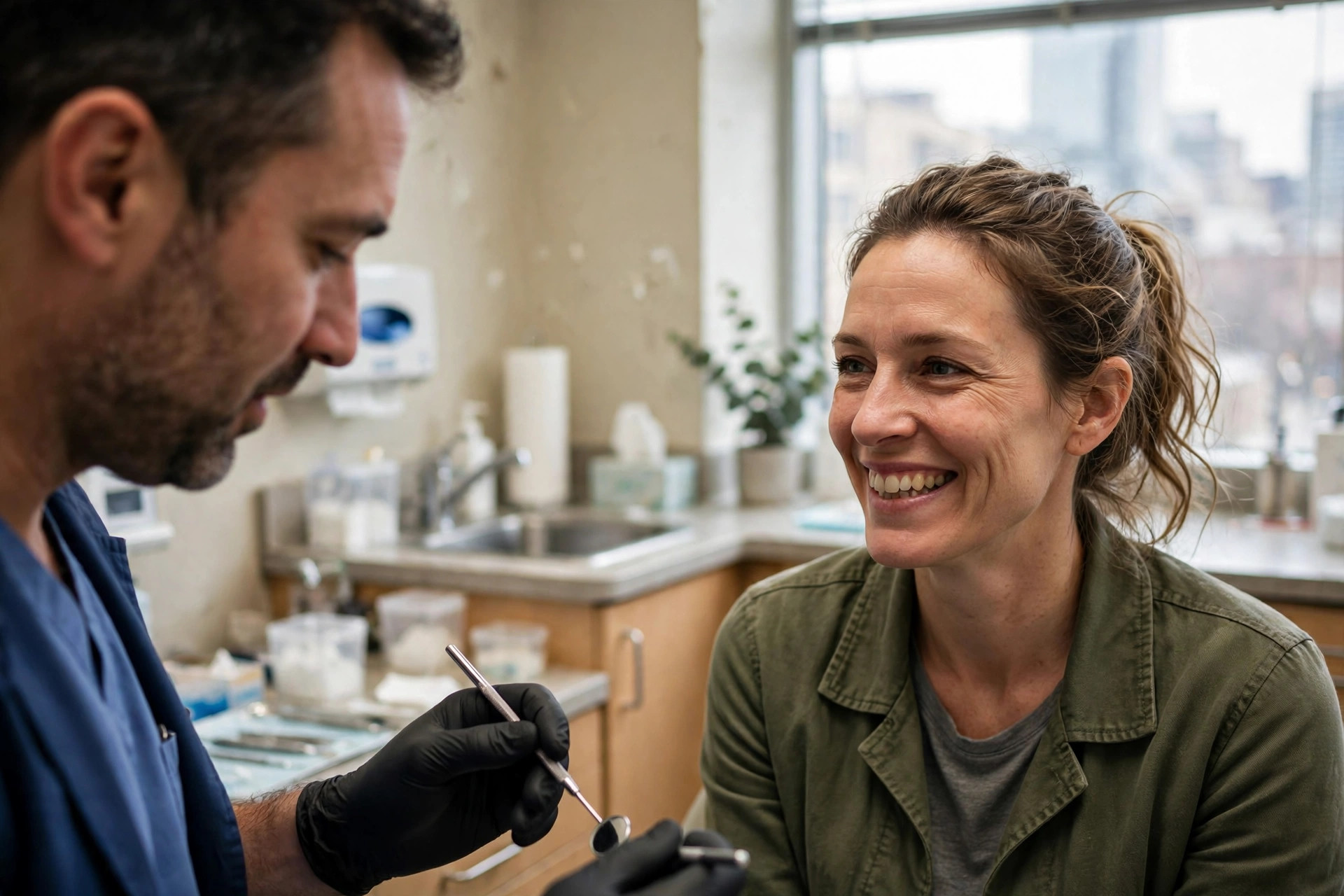
If you are asking are veneers permanent, you are asking the right question before you commit. Veneers can transform a smile, but they also change the tooth underneath, and that change matters for every decision that follows.
This guide explains what is permanent, what is replaceable, and what you should check before you agree to treatment.
You will learn how porcelain veneers are fitted, how long they typically last, and what daily habits protect them.
You will also see realistic Toronto cost ranges, warning signs that need prompt care, and the questions that help you compare options with confidence.
By the end, you should know whether veneers suit your goals, and the next section gives you the short answer first.
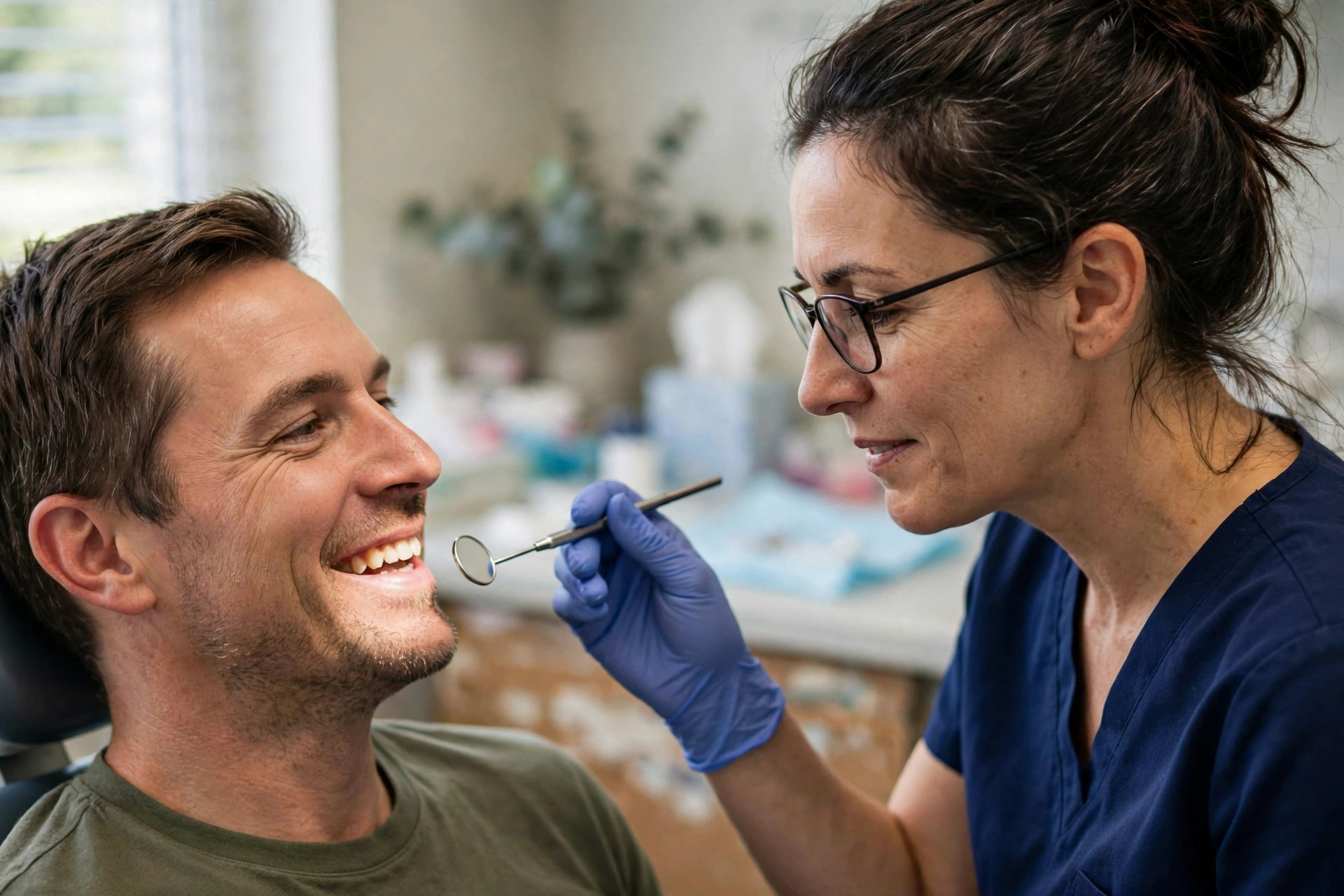
Are Veneers Permanent? The Short Answer
The honest answer is that veneers themselves are not forever, but the tooth preparation often is.
A porcelain veneer is a thin shell bonded to the front of a tooth, and it can be replaced if it chips, wears, or no longer matches your smile.
The enamel removed to make room for that shell, however, does not grow back.
That distinction shapes the whole decision. Once a tooth has been prepared for a veneer, it will usually need some form of covering for life, even if the first veneer is later replaced.
Your dentist will explain how much enamel your case needs, because minimal preparation cases differ from cases that need more reshaping. Ask for that detail in plain language before you proceed.
This is also why a trial smile or digital preview can be so useful.
It lets you see shape, length, and colour before any enamel is removed, and it gives you a chance to ask for changes while change is still easy.
With that preview agreed, the next step is to work through the commitment itself.
Your Commitment Checklist Before You Say Yes
Use this checklist at your consultation, and do not rush past any item that feels unclear. A good plan should answer each point in writing, including the number of teeth, the material, and the expected number of visits.
Confirm how much enamel will be removed from each tooth, and whether a minimal preparation or no preparation option is realistic for you.
Ask how your bite will be checked, because a high spot or heavy grinding contact can shorten the life of a veneer.
Discuss colour and shape with photos of smiles you like and smiles you do not like, so your dentist can see your taste clearly.
Ask what happens if a veneer chips, debonds, or stains at the edge, and what the repair or replacement fee typically includes.
Confirm the follow up schedule, including checkups and cleaning visits that protect the gumline around each veneer.
Ask about a night guard if you clench or grind, since that single appliance can prevent a large amount of damage.
Get a written estimate that separates the dentist fee, the lab fee, and any whitening or gum shaping done beforehand.
Work through that list slowly, and keep a copy of the answers with your treatment plan. If any answer feels vague, ask for a clearer version before you book the preparation visit.
Once you understand the commitment, you can judge the physical change itself with much more clarity.
What Veneers Actually Change on Your Tooth
A veneer changes the front surface of a tooth, not the whole tooth. Your dentist shapes that surface, takes an impression or digital scan, and sends the design to a dental lab for fabrication.
A temporary veneer usually protects the tooth while the final shell is made.
At the fitting visit, your dentist checks the fit, the colour in natural light, and the way the veneer meets your bite. Small adjustments to shape and polish happen at this stage, and they matter more than most patients expect.
A veneer that looks perfect in the chair but feels high when you bite can cause soreness or even fracture later.
The bond itself is also a clinical step, not just glue. The tooth surface is cleaned and prepared, the veneer is tried in, and a bonding material is cured with a special light to lock it in place.
That bond is strong, but it is not indestructible, and the edge where veneer meets tooth needs careful cleaning every day. Understanding that edge is the key to the next question, which is how long the result can reasonably last.
How Long Porcelain Veneers Last and What Wears Them Down
Porcelain veneers typically last 10 to 15 years with good care, and many last longer when the bite is balanced and home care is consistent.
That range is a planning guide, not a promise, because grinding, trauma, gum recession, and decay at the margin can shorten it.
Your dentist can give you a more personal estimate after examining your bite, your enamel, and your gum health.
Grinding and clenching are among the most common risks. Porcelain is strong under normal chewing, but repeated heavy force can chip an edge or stress the bond over time.
A custom night guard spreads that force and protects both veneers and natural teeth, and it is often the most cost effective protection you will buy.
Gum health matters just as much. If gums recede, the edge of a veneer can become visible or more prone to staining, and the root surface below can become sensitive.
Daily brushing, careful flossing around each veneer, and regular professional cleaning help keep that margin healthy. For more detail on lifespan factors, see how long veneers last. Your dentist can then relate those factors to your bite and gum health.
When a veneer does reach the end of its life, replacement usually means removing the old shell, checking the tooth underneath, and fitting a new one, rather than starting from scratch.
That replacement cycle leads naturally to the cost question, which deserves a clear and local answer.
What Veneers Typically Cost in Downtown Toronto
Cost depends on the number of teeth, the material, the lab work, and any preparation such as whitening or gum contouring.
In Toronto, a single porcelain veneer typically costs CAD 1,200 to CAD 2,500, and that range reflects differences in case complexity and lab craftsmanship.
A full smile plan with six to ten veneers will therefore cost substantially more than a single tooth repair, so ask for a per tooth breakdown.
You can compare local figures in porcelain veneer costs in Toronto before you compare quotes. Use that breakdown as a starting point, not as a final quote for your case.
Fees in Ontario are often guided by the Ontario Dental Association Suggested Fee Guide, which helps dentists set fair and consistent pricing.
That guide is a reference, not a fixed price list, and your final fee can sit above or below it depending on complexity.
Ask your clinic to explain any difference between the guide fee and your quoted fee before treatment starts.
For the source behind those reference fees, the Ontario Dental Association publishes guidance that dentists across the province use when setting quotes.
Cosmetic veneers are not typically covered by the Canadian Dental Care Plan, because the plan focuses on essential dental care rather than elective smile enhancement.
You can still ask about direct billing for related dental care, such as a checkup, cleaning, or treatment for decay found during planning.
A written estimate, plus a check of your private plan if you have one, will prevent surprises far better than a verbal quote. With cost understood, the next priority is knowing when to seek care quickly.
Red Flags: When to Seek Prompt Dental Care
Most veneer problems start small, and early care usually keeps them small. Contact a dentist promptly if a veneer feels loose, sharp, or rough, or if you notice a dark line, swelling, or persistent sensitivity around it.
Do not try to glue a loose veneer back yourself, and keep the piece if it comes off completely.
Seek prompt care for persistent pain, swelling, bleeding that does not settle, or a crack after a fall or sports injury. Those signs can point to damage under the veneer, an infection, or a bite problem that needs assessment.
If you are unsure whether your symptom is urgent, describe it clearly when you call and ask for triage advice rather than waiting for your next routine visit.
You should also report grinding, jaw soreness, or a change in how your teeth meet after fitting. A small bite adjustment can relieve pressure before it becomes a fracture, and it is a quick visit in most cases.
Protecting a veneer is mostly about routine, and the next section covers the habits that make the biggest difference.
Daily Care That Protects Your Veneers
Think of veneer care as careful, not complicated. Brush twice a day with a soft brush and a non abrasive toothpaste, and clean between teeth daily without forcing floss under the veneer edge.
Your hygienist can show you the angle that cleans the margin without snagging it.
Avoid using your teeth as tools to open packages or bite hard objects such as ice, pens, or bottle caps.
Those habits cause chips in natural teeth too, but a veneer edge is less forgiving when force hits it at the wrong angle. If you play contact sport, a custom sports guard is a sensible investment.
Staining is less of a problem for porcelain than for natural enamel, but coffee, tea, red wine, and smoking can still stain the bonding edge and the teeth around your veneers.
Rinsing with water after staining drinks and keeping regular cleaning visits helps your whole smile stay even in colour.
Keep those habits steady, and your veneers will have the best chance of reaching the upper end of their expected life. With daily care covered, the visit sequence itself is the next detail to understand.
What Happens at Each Visit, Step by Step
Most porcelain veneer cases take two or three main visits after the consultation, plus a short review visit.
Knowing the sequence helps you plan time off, childcare, or travel, and it removes the anxiety that comes from not knowing what happens next.
Ask your dentist to confirm the number of visits for your case, because a single veneer and a ten tooth smile plan do not follow the same timetable.
The consultation is where goals, health, and suitability are checked. Your dentist examines your teeth and gums, checks your bite, reviews X-rays if needed, and discusses whether decay, gum disease, or grinding must be treated first.
Photos and a scan or impression record your starting point, and a preview can show the proposed shape before any preparation begins.
Preparation is the visit where the tooth surface is shaped and the final impression or scan is taken. Local anaesthetic is commonly used to keep you comfortable, and temporary veneers are fitted to protect the teeth while the lab works.
You may notice that temporaries feel slightly bulkier than the final result, and that is normal at this stage.
Fitting is where the final veneers are tried in, checked for colour and bite, and bonded one by one. Your dentist will ask you to bite, speak, and smile, and will adjust small details before final polishing.
A review visit a week or two later checks comfort, gum response, and bite, and it is worth attending even if everything feels fine. With the process clear, the next choice is material, because porcelain and composite carry different commitments.
Porcelain Versus Composite Veneers
Porcelain and composite veneers both improve shape and colour, but they differ in durability, repairability, and cost.
Porcelain is made in a lab, resists staining well, and typically lasts longer, which is why it suits patients who want a long term smile change.
Composite is placed directly on the tooth in one visit, costs less at the start, and can often be repaired more easily if it chips.
Composite does need more maintenance in some cases. It can stain, lose polish, or wear faster than porcelain, especially for patients who drink a lot of coffee or tea or who grind their teeth.
That does not make composite a poor choice, and it does make honest discussion about your habits important before you choose.
A useful way to compare them is to think in total cost over time, not just the first fee. Porcelain usually costs more upfront and less often in replacements, while composite costs less upfront and may need polishing, repair, or replacement sooner.
Your dentist can model both paths for your number of teeth, so you are comparing real totals rather than single tooth prices.
You should also compare reversibility. Composite often needs less enamel removal, and in some minimal cases it can be a more conservative first step.
Porcelain usually needs more preparation, so it is a stronger commitment even though the result often looks more natural and lasts longer. Once you understand that trade off, you can place veneers alongside simpler options for a single flaw.
When Whitening or Bonding Might Suit You Better
Not every smile concern needs a veneer, and a conservative option can be the smarter first step. Professional whitening suits even, healthy teeth that are mainly discoloured, and it leaves enamel largely unchanged.
Bonding suits a small chip, a minor gap, or a single stained edge, and it can often be completed in one visit.
A guide to veneers versus bonding can help you compare durability, cost, and enamel removal side by side. Read it before your consultation, and bring notes about which trade offs matter most to you.
If your main concern is one chipped front tooth, a guide to fixing a chipped tooth may also show you how bonding, a crown, or a veneer is chosen for that specific damage.
Whitening deserves special care if you already have veneers or bonding, because whitening gel does not lighten those materials in the same way as natural teeth.
Your dentist can advise whether to whiten first and then match a veneer, or whether to leave existing work alone. That sequencing prevents a common disappointment, which is a brighter natural tooth sitting beside an unchanged veneer.
If you have crowding, a large gap, or a bite problem, neither whitening nor a veneer fixes the underlying alignment. In that case, orthodontic advice and a broader smile makeover plan in Toronto may be needed before cosmetic work begins.
Starting with the cause, rather than covering it, usually gives a more stable and natural result.
Those comparisons complete the clinical picture, so the remaining questions are the practical ones patients ask most often.

Frequently Asked Questions
Are veneers permanent?
No, veneers are not permanent in the sense of lasting forever, but tooth preparation is usually irreversible. A veneer can be replaced, yet the prepared tooth will normally need a new veneer or another restoration afterwards.
Can a veneer be removed and the tooth left natural?
In most prepared cases, no, because the enamel removed does not regrow and the tooth may look or feel different without cover. A dentist must assess your specific tooth before giving you a firm answer.
How long do porcelain veneers typically last?
Porcelain veneers typically last 10 to 15 years with good care, balanced bite, and regular checkups. Grinding, trauma, gum recession, and decay at the edge can shorten that lifespan.
Do veneers stain or change colour?
Porcelain resists staining well, but the bonding edge and neighbouring natural teeth can stain over time. Regular cleaning and limiting staining drinks help keep the smile looking even.
What should I do if my veneer chips or comes off?
Contact a dentist promptly, avoid chewing on that side, and keep the veneer if it comes off. Do not attempt a home repair, since a poor bond can trap bacteria or damage the tooth.
With those answers clear, the next step is to discuss your own smile in person.
Book a Veneer Consultation in Downtown Toronto
You now know the central truth about are veneers permanent: the shell can be replaced, but the preparation decision stays with you.
That is not a reason to avoid veneers, and it is a strong reason to choose them deliberately, with a preview, a written estimate, and a plan for bite protection.
If you are considering porcelain veneers in Toronto, book a consultation to discuss your smile goals, your bite, and whether minimal preparation is realistic for you.
Bring photos you like, a list of your questions, and your insurance or CDCP details so the team can check coverage for any related care.
This article is general information only and not a diagnosis for your own case, so see a dentist in person for advice about your teeth.
Take the next step with clarity rather than pressure, and let your smile plan be one you understand fully.
When you are ready, are veneers permanent will no longer feel like a worry, because you will have chosen them with your eyes open and your future replacements already planned.


