
Jaw clicking is a sound or feeling that happens when you open your mouth, close it, or chew. It may feel like a small pop near your ear, and it can happen on one side or both sides.
In many cases, jaw clicking on its own is not a reason for alarm. It often comes and goes, and it may cause little or no pain at all.
The key question is not only whether your jaw clicks, but whether pain, stiffness, locking, or trouble chewing comes with it. Those added symptoms change how soon you should seek care.
This guide explains jaw clicking, common causes, signs to watch for, and options that can help.
If your jaw clicks when chewing, you are not alone, and in most cases simple steps and professional advice can bring reassurance and relief.

Jaw Clicking: The Short Answer
Jaw clicking happens at the jaw joints, which sit just in front of your ears. These joints let your lower jaw move up, down, and side to side.
Between the bones of each joint sits a small disc of cartilage. That disc helps the joint move smoothly and cushions pressure during chewing and speaking.
A click often happens when that disc shifts slightly as the jaw moves. The disc may move out of place briefly, then return to position with a small pop.
That movement alone does not prove damage, and it does not mean your jaw is broken. Many people notice a click for years without pain or loss of function.
Pain changes the picture. If clicking comes with soreness, headaches, ear discomfort, or difficulty opening your mouth, a dental assessment is a sensible next step.
A dentist can check your bite, your jaw muscles, and your joint movement. That check helps separate a harmless noise from a problem that needs treatment.
Early advice can also help you avoid habits that strain the joint, such as chewing very hard foods or clenching during stress. Small changes often make a real difference over time.
If you feel unsure, a check is better than waiting and worrying. A short visit can answer questions that online searching often cannot.
Common Causes of Jaw Popping
Jaw popping has several common causes, and more than one factor can be involved at the same time. Understanding the likely cause helps guide sensible next steps.
A Disc That Shifts During Movement
The most common explanation for a click is a disc that moves slightly out of position. As the jaw opens, the disc may slip forward, then pop back as the jaw closes.
This shift can happen after a wide yawn, a dental procedure with the mouth open for a long time, or a minor injury. It can also develop gradually without one clear event.
Some people notice the click only when they open very wide. Others notice it with every bite, which can feel distracting even when it does not hurt.
A shifting disc does not automatically require complex treatment. In many cases, rest, gentle movement, and habit changes reduce irritation and improve comfort.
If the disc stops returning to place, the jaw may feel stuck or locked. That change deserves prompt professional attention, because it can limit eating and speaking.
Teeth Grinding and Clenching
Teeth grinding, also called bruxism, puts extra load on the jaw joints and muscles. Grinding often happens during sleep, so you may not realise you are doing it.
Clenching during the day is another common pattern, often linked to stress, concentration, or poor posture at a desk. Both patterns can tire the jaw muscles and irritate the joints.
Morning jaw soreness, headaches, or worn tooth edges can suggest grinding. A partner may also notice grinding sounds during the night.
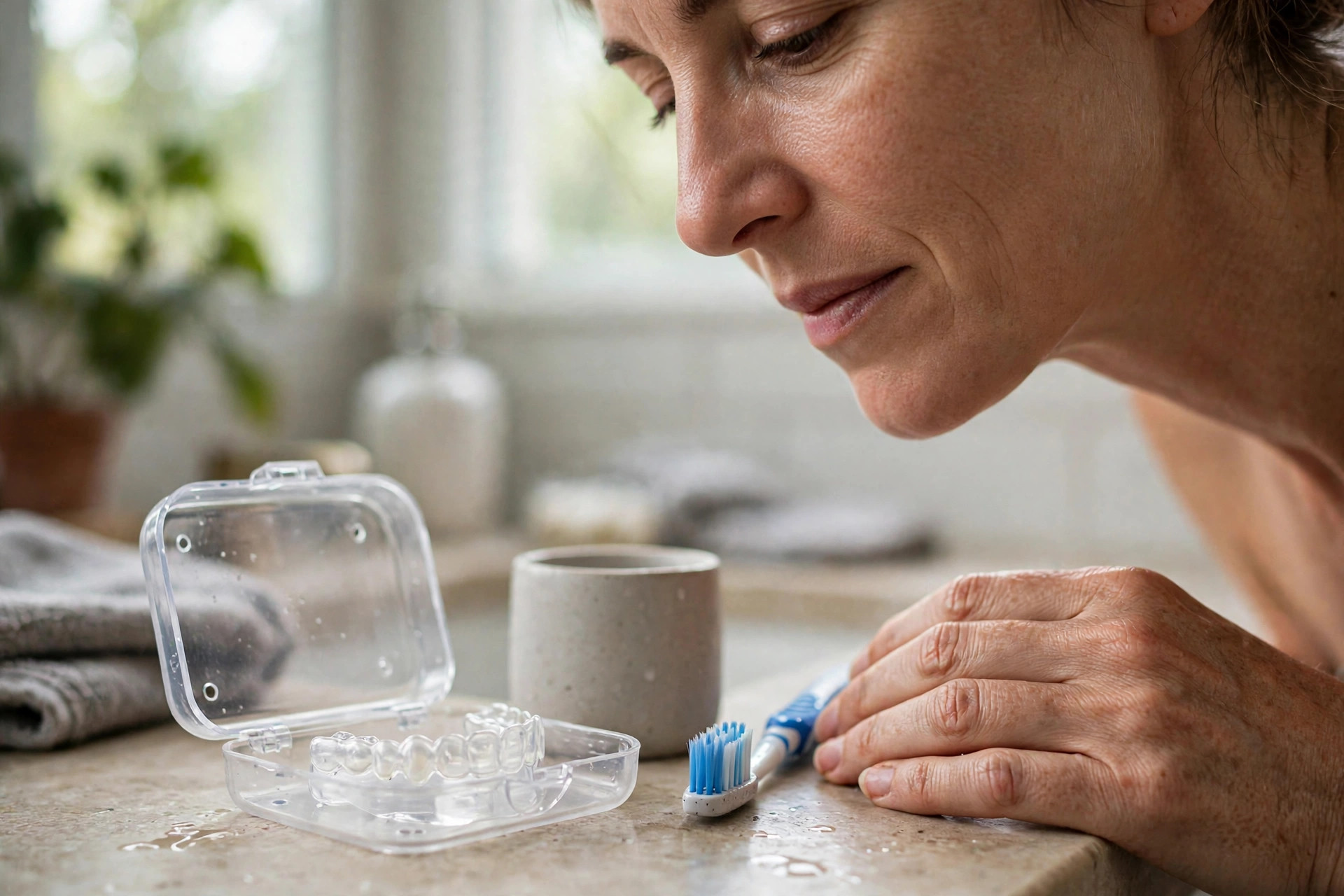
A dentist may suggest night guards for grinding if tooth wear or morning soreness points to night time clenching. A guard can cushion the teeth and reduce strain on the joint.
Daytime awareness matters too. Noticing when you clench, then gently relaxing your jaw, can reduce load over time. Keeping your lips closed, teeth slightly apart, and tongue resting lightly can help.
Muscle Tension and Stress
The jaw muscles work hard during chewing, speaking, and swallowing. When stress rises, those muscles often tighten without you noticing.
Tight muscles can change how the jaw moves, which can make a click more noticeable. Stress can also increase clenching, which adds further strain to the joint.
Poor sleep, long hours at a screen, and holding the phone between your ear and shoulder can add to muscle tension. Small posture changes can ease that load.
Gentle stretching, regular breaks, and stress relief strategies can help some people. Heat applied briefly to sore muscles may also bring comfort for some.
Muscle tension alone does not explain every click, but it is a common contributor. A dentist can help judge whether muscle tension, joint change, or both are involved.
Bite Problems and Missing Teeth
How your upper and lower teeth meet, called your bite, affects how force spreads through the jaw. An uneven bite can load one joint more than the other.
Missing teeth can also change that balance, because nearby teeth may shift and chewing may favour one side. Over time, that uneven load can irritate a joint.
Orthodontic history, a high filling, or a crown that feels too tall can also change bite contact. If a click started after dental work, mention that timing at your visit.
Bite issues do not require urgent worry in most cases, but they are worth checking. A dentist can examine tooth contact and discuss whether adjustment or replacement options would help.
Treating the bite alone does not fix every jaw click, so a careful assessment matters. The goal is to find the main driver, not to guess at one single cause.
Injury, Arthritis, and Other Joint Changes
A blow to the jaw, a fall, or whiplash can injure the joint or surrounding tissues. Pain and clicking that start after an injury deserve a professional check.
Arthritis can also affect the jaw joints, as it can affect other joints in the body. It tends to develop gradually and may bring stiffness, aching, or grating sounds.
Other joint changes, such as wear of the cartilage, can develop over many years. These changes vary widely, and many people manage them with conservative care.
A history of wide opening, such as during a long dental visit or a yawn, can also strain the joint. That strain often settles with rest and gentle use.
If pain follows an injury, or if swelling, numbness, or trouble opening develops, seek care promptly. Those signs need a closer look rather than home care alone.
Jaw Clicks When Chewing: Why Chewing Triggers It
Chewing puts repeated pressure on the jaw joints, so it often reveals a click that is silent at rest. Hard, chewy, or very large bites increase that load.
When you chew on one side only, that joint works harder than the other. Over time, one sided chewing can make clicking more noticeable on the working side.
Foods such as tough meat, chewy candy, hard bread crusts, and large raw vegetables can aggravate a sensitive joint. Cutting food smaller can reduce strain while the jaw settles.
Chewing gum is another common trigger, because it involves long, repeated jaw movement. If gum worsens your symptoms, taking a break from it is a sensible step.
Jaw clicks when chewing do not prove that eating has damaged your joint. They often signal that the joint is irritated and would benefit from a gentler load.
Try chewing slowly, using both sides in turn, and avoiding very wide bites. Those habits can reduce clicking for some people, even before any formal treatment begins.
If chewing becomes painful, or if your jaw locks while eating, stop forcing it. Soft foods, rest, and a dental visit are better steps than pushing through pain.
Keep a brief note of which foods or movements trigger the click. That note can help your dentist spot patterns and give advice tailored to your habits.
Signs That Deserve Attention
A painless click that comes and goes often needs only monitoring and simple care. Certain signs, however, suggest that you should seek dental advice sooner.
Pain in the jaw, face, or near the ear that lasts more than a few days deserves attention. Pain that spreads to the head or neck can also be part of the picture.
Difficulty opening your mouth fully, or a jaw that locks open or closed, should be checked promptly. Locking can make eating and speaking difficult.
Swelling near the joint, a change in how your teeth meet, or a bite that suddenly feels different also warrants a visit. Those changes can signal a joint or bite issue.
Ringing in the ears, ear fullness, or dizziness can occur with jaw problems, but those symptoms have many causes. A dentist can help judge whether jaw assessment is useful.
If you have fever, swelling that spreads, trouble swallowing, or severe pain, seek urgent care. Those signs are less typical for simple jaw clicking.
Emergency dental care is appropriate when pain is severe, swelling is rapid, or you cannot open your mouth at all. Do not wait for a routine visit in those cases.
For severe pain or rapid swelling, seek emergency dental care without delay.
If teeth grinding is suspected, your dentist can check tooth wear and discuss whether a guard could help.
For milder symptoms, book a regular visit and note when symptoms started, what triggers them, and what helps. That history makes the assessment more useful.
What Happens at a Dental Visit for Jaw Clicking
A visit for jaw clicking usually starts with questions about your symptoms. Your dentist may ask when the click began, whether it hurts, and what makes it better or worse.
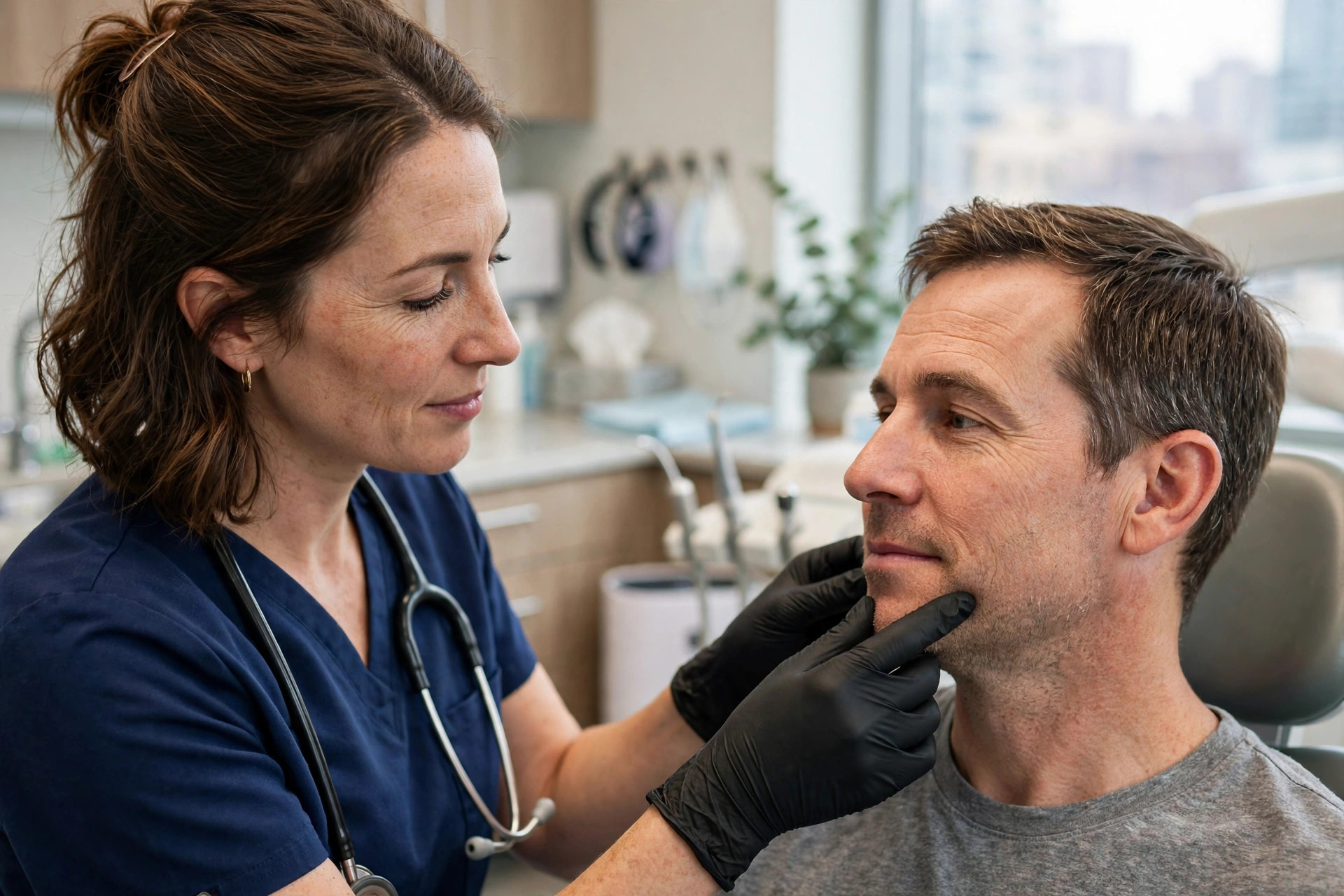
The dentist will often listen to the joint while you open and close slowly. They may also feel the joint and the jaw muscles for tenderness or uneven movement.
Your bite will be checked, along with tooth wear, missing teeth, and any recent dental work. Those details help explain why one joint may be under extra load.
X-rays may be taken if needed, to look at the bones and joint shape. More detailed imaging is sometimes suggested, but it is not needed for every case.
Your dentist may also ask about sleep, stress, headaches, and habits such as clenching or nail biting. Those factors often shape the advice you receive.
A checkup and preventive visit can be a good time to raise jaw concerns, even if your main reason for visiting is a cleaning. Jaw health is part of oral health.
After the assessment, your dentist will explain the likely cause in plain terms. They will also outline options, from self care to a guard or referral if needed.
You should leave with a clear plan, including what to monitor and when to return.
If symptoms change, contact the clinic rather than waiting for the next routine visit. If dental visits make you anxious, ask about sedation dentistry options that may suit your situation.
Treatment Options for Jaw Clicking and Popping
Treatment depends on the cause, the level of pain, and how much the click affects daily life. Most plans start with conservative steps before considering more involved options.
Self Care and Gentle Use
Resting the jaw often helps in the early stages. That means avoiding very hard foods, large bites, and long periods of chewing gum for a while.
Applying moist heat or a cold pack briefly to sore muscles may ease discomfort for some people. Use short sessions and stop if the sensation worsens.
Gentle jaw exercises, when suggested by your dentist, can improve movement and muscle balance. Avoid forcing the jaw wide open or pushing through sharp pain.
Over the counter pain relief may help short term for some adults, but follow product directions and ask a pharmacist or dentist if you take other medicines. Pain relief does not fix the cause.
Stress relief can also play a role, especially if clenching is a trigger. Regular breaks, good sleep habits, and relaxation techniques may reduce muscle tension over time.
Self care works best when paired with professional advice. If symptoms do not improve within a few weeks, a follow up visit can reassess the plan.
Night Guards and Bite Support
If grinding is a factor, a custom night guard can protect teeth and reduce joint strain. A guard fits over your teeth and cushions contact during sleep.
Ready made guards sold in stores are less precise, and they can feel bulky or shift during sleep. A custom guard is shaped to your teeth and bite.
Your dentist will check the fit and adjust the guard so it feels comfortable. Wearing it as advised matters more than owning one that sits in a drawer.
Bite adjustment is sometimes discussed, but it is not routine for every click. Your dentist will explain whether it is likely to help in your case.
If a guard helps, you may still need follow up checks. The guard can wear down, and your bite can change, so periodic review keeps it working well.
Physiotherapy, Medication, and Referral
Physiotherapy can help some people with jaw muscle pain and limited movement. A therapist may teach exercises, posture correction, and muscle relaxation techniques.
Short term medication may be suggested for pain or muscle spasm, but it is typically part of a broader plan, not a long term solution on its own.
In some cases, your dentist may refer you to a specialist in jaw disorders, oral surgery, or pain management. Referral does not mean your case is severe.
It means another perspective could help, especially if locking, persistent pain, or complex joint changes are present. Your dentist will explain why referral is suggested.
Injections and surgery are reserved for a smaller group of cases where conservative care has not helped. Those options carry risks and need careful discussion.
For most people, a combination of self care, habit changes, and a guard, when indicated, brings meaningful improvement. Patience matters, because jaw tissues often heal gradually.
Daily Habits That Can Protect Your Jaw
Small daily habits can reduce strain and help a clicking jaw settle. The goal is steady, gentle use rather than sudden, forceful movement.
Eat softer foods while symptoms are active, and cut food into smaller pieces. Chew slowly and try to use both sides of your mouth in turn.
Avoid chewing gum, tough jerky, hard candy, and very crusty bread until symptoms ease. Those foods demand long, forceful jaw work.
Be mindful of daytime clenching. If you catch yourself clenching, relax your jaw, separate your teeth slightly, and let your tongue rest gently.
Take breaks during long desk work, and avoid cradling a phone between your ear and shoulder. Keep screens at eye level to reduce neck and jaw strain.
Sleep position can matter for some people. Sleeping on your back or on the less painful side may feel more comfortable than pressing the jaw into a pillow.
Avoid opening your mouth extremely wide when yawning. Supporting your chin lightly during a yawn can reduce sudden strain on the joint.
Good oral care still matters. Brushing, flossing, and regular dental cleaning support gum and tooth health, which in turn supports comfortable chewing.
If you play contact sport, a mouthguard can protect teeth and reduce jaw injury risk. Ask your dentist about a suitable guard for your sport.
What to Ask Your Dentist About Jaw Clicking
Coming to your visit with questions can make the appointment more useful. It also helps your dentist understand what worries you most.
Ask what the likely cause is in your case, and whether the click appears linked to grinding, bite, muscle tension, or joint change. Ask whether imaging is needed, or whether monitoring is enough for now.
Ask what self care steps are best for you, and which foods or habits to avoid while the jaw settles. Ask whether a night guard would help, and how it would be fitted.
Ask how long improvement may take, and what signs should prompt a return visit sooner. Ask whether physiotherapy or referral could help if symptoms persist.
Ask about pain relief options that suit your health history, and whether any medicine you take could affect jaw treatment. Bring a list of your medicines if you can.
You can learn more about TMJ symptoms and treatment options before your visit, so your questions are focused. That background can make the discussion clearer and calmer.
Write down the answers during your visit, or ask for a summary. Jaw advice often involves several small habits, and a written plan is easier to follow.
Frequently Asked Questions
Is jaw clicking serious?
Jaw clicking alone, without pain or locking, is often not serious and may need only monitoring. Pain, locking, swelling, or trouble opening your mouth should be assessed by a dentist sooner.
Why does my jaw click when I chew?
Chewing loads the jaw joints, so a disc that shifts slightly becomes more noticeable during eating. Hard foods, one sided chewing, and gum can increase that load and make clicking more frequent.
Can jaw clicking go away on its own?
It can ease for some people, especially when muscle tension settles or a triggering habit changes. If clicking persists, worsens, or brings pain, professional advice can help identify the cause and guide care.
Do I need a night guard for jaw clicking?
Not every person with jaw clicking needs a night guard. A guard may help when grinding or clenching strains the joint, and your dentist can advise whether a custom guard suits your bite.
Can stress cause jaw clicking?
Stress can contribute by increasing muscle tension and clenching, which load the jaw joints. Stress alone does not explain every case, so a dental check can help sort out the main factors.
When should I seek urgent care for jaw problems?
Seek urgent care for severe pain, rapid swelling, fever, trouble swallowing, or a jaw that locks and will not open. Those signs need prompt assessment rather than routine monitoring at home.
Book TMJ Treatment in Toronto for Jaw Clicking
Jaw clicking can be unsettling, especially when it appears suddenly or happens with every bite. In many cases, the cause is manageable, and simple steps bring real relief.
The key is to notice the pattern. A painless click that comes and goes often needs only awareness and gentle habits, while pain or locking deserves a closer look.
If your jaw clicking brings pain, stiffness, or trouble chewing, consider booking an assessment. A dentist can check your joints, muscles, and bite, and explain your options clearly.
TMJ treatment in Toronto can include self care advice, a custom night guard, physiotherapy referral, or further assessment when needed. The right plan depends on your symptoms, not on a single approach.
You can also contact us to ask whether a jaw assessment is the right next step for you. A short conversation can often clarify what to do next.
If you are in downtown Toronto and your jaw clicking worries you, book a visit, bring notes about your symptoms, and get a plan that fits your mouth and daily life.
This article is general information only, not a diagnosis. If you have pain, swelling, fever, trouble opening your mouth, or a jaw that locks, seek prompt dental care. See a dentist for advice about your own case.


