Not every set of wisdom teeth needs to come out, but understanding when do wisdom teeth need to be removed can help you avoid unexpected pain, infection, or damage to your other teeth down the road.
At Heritage Dental Studio, we assess wisdom teeth on a case-by-case basis, since some patients have plenty of room for them while others face complications that make removal the safer path.
This guide walks through the warning signs, the role X-rays play in this decision, and what the removal process and recovery actually involve.
What Are Wisdom Teeth and Why Do They Cause Problems?
Wisdom teeth, or third molars, are the last set of teeth to emerge, typically appearing between the late teens and mid-twenties. They sit at the very back of the mouth, one in each corner.
Problems arise because many jaws simply do not have enough room to accommodate these extra molars without crowding or misalignment affecting the teeth already in place.
When there isn’t enough space, wisdom teeth can become impacted, meaning they are unable to fully emerge through the gum line, or they may come in at an angle that pushes against neighboring teeth. Understanding this space issue is the foundation for recognizing why removal becomes necessary in many, though not all, cases.
Signs Your Wisdom Teeth May Need to Come Out
Pain or Swelling at the Back of the Jaw
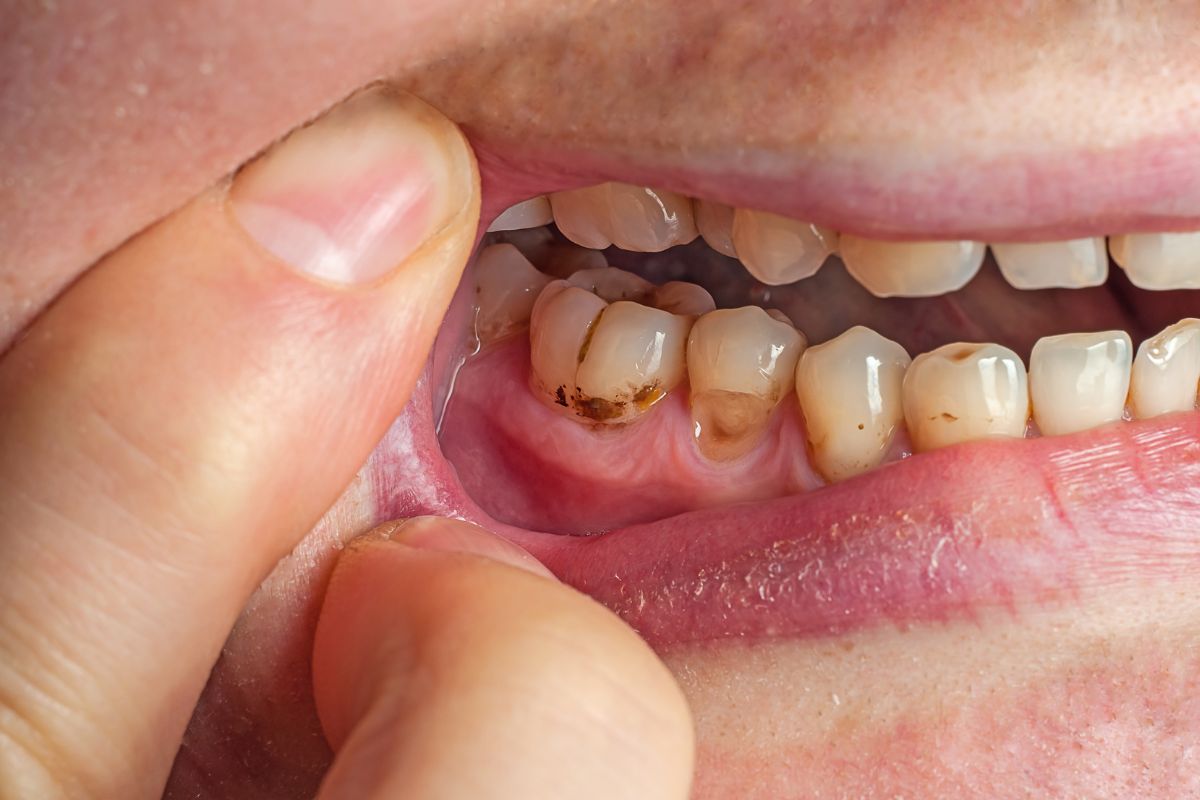
Persistent discomfort, tenderness, or swelling near the back molars is one of the most common signs that a wisdom tooth is causing trouble, whether from impaction, infection, or pressure against a neighboring tooth.
Difficulty Opening Your Mouth Fully
Inflammation or infection around a partially erupted wisdom tooth can make it uncomfortable or difficult to open your jaw completely, a symptom worth mentioning to your dentist promptly.
Swollen or Bleeding Gums Near the Back Teeth
A flap of gum tissue often partially covers an emerging wisdom tooth, creating a pocket where food and bacteria can accumulate, leading to inflammation, tenderness, or bleeding in that specific area.
Bad Breath or an Unpleasant Taste
Infection or trapped debris around a partially erupted wisdom tooth can produce a persistent bad taste or odor that does not resolve with normal brushing and flossing.
Crowding or Shifting of Nearby Teeth
If your other teeth begin to shift or crowd, particularly if you have previously had orthodontic treatment, an emerging wisdom tooth pushing against your other molars could be the cause.
Recognizing these signs early gives you and your dentist more options for how and when to address the issue, rather than waiting until a more urgent situation develops.
How Dentists Determine If Removal Is Necessary
X-Ray Evaluation
Digital X-rays reveal the position, angle, and depth of your wisdom teeth well before any symptoms might appear, allowing your dentist to assess the likelihood of future problems even in patients who currently feel no discomfort. Our page on digital X-rays explains this imaging technology in more detail.
Assessing Available Space
Your dentist evaluates whether there is enough room in your jaw for the wisdom teeth to erupt fully and function normally alongside your other teeth without causing crowding or misalignment.
Checking for Impaction
Impacted wisdom teeth, those unable to emerge properly through the gum due to blocked positioning, carry a higher risk of infection, cyst formation, and damage to neighboring teeth, making removal the generally recommended path in most impaction cases.
Reviewing Your Symptom History
Even without a current infection, a pattern of recurring discomfort, swelling, or gum irritation around a wisdom tooth signals an ongoing problem likely to continue or worsen without intervention.
Not every wisdom tooth requires removal. Some patients have enough space and proper alignment for their wisdom teeth to function normally as part of a healthy bite, which your dentist will confirm through this same evaluation process.
Types of Wisdom Tooth Impaction
Mesial Impaction
The most common type, where the tooth is angled forward toward the front of the mouth, pressing against the neighboring second molar.
Vertical Impaction
The tooth is positioned correctly upright but remains trapped beneath the gum or bone, unable to fully erupt due to lack of space.
Horizontal Impaction
The tooth is angled completely sideways, growing into the root of the neighboring molar, which typically causes the most significant complications and generally requires removal.
Distal Impaction
Less common, this type angles the tooth backward, away from the neighboring molar, and can sometimes cause fewer immediate issues than other impaction types, though it still often warrants removal.
Understanding which type of impaction you have, information your dentist gathers directly from your X-rays, helps clarify why removal is or is not recommended in your specific case.
Why Age Matters in This Decision
Dentists often recommend removing problematic wisdom teeth in the late teens or early twenties, when the tooth roots are not yet fully developed and the surrounding bone is generally less dense.
Removal tends to be more straightforward and recovery somewhat faster at this younger age, which is part of why many dental professionals suggest evaluating wisdom teeth proactively during this window rather than waiting for symptoms to develop.
As patients age, wisdom tooth roots become more fully formed and the surrounding bone denser, which can make extraction more involved and potentially extend the recovery period. This is not a reason to avoid necessary treatment later in life, but it is a factor your dentist will discuss if you are weighing the timing of an elective removal.
What Happens If You Leave Problematic Wisdom Teeth Untreated
Ignoring symptoms associated with problematic wisdom teeth carries real risks beyond ongoing discomfort. Infections around a partially erupted tooth can spread to surrounding tissue if left unaddressed.
Cysts can form around an impacted tooth over time, potentially damaging the jawbone or neighboring tooth roots if not identified and treated. Damage to the adjacent second molar is also a meaningful risk, since a wisdom tooth pressing against it can lead to decay or bone loss on that neighboring tooth.
These risks are why dentists generally recommend addressing a problematic wisdom tooth proactively rather than waiting until pain becomes severe or an infection develops.
The Removal Procedure: What to Expect
Simple Extraction
If a wisdom tooth has fully erupted and is accessible, it can often be removed in a straightforward extraction procedure similar to removing any other tooth. Our page on simple versus surgical extraction explains this distinction in more detail.
Surgical Extraction
Impacted wisdom teeth typically require a surgical extraction, which involves making a small incision in the gum tissue and sometimes removing a small amount of bone to access and remove the tooth, occasionally in sections if needed to protect surrounding structures.
Both approaches are performed under local anesthetic, with sedation options available for patients who prefer additional comfort during the procedure, particularly for more involved surgical extractions.
Recovery After Wisdom Tooth Removal
Swelling, mild bruising, and some discomfort are normal in the days following removal, generally well managed with the pain relief plan your dentist provides.
Most patients need a few days of rest before returning to normal activities, with full soft tissue healing typically taking one to two weeks. Our detailed guide on wisdom tooth extraction recovery walks through what to expect day by day.
Following your dentist’s aftercare instructions closely, including dietary guidance and proper oral hygiene around the extraction site, plays a significant role in avoiding complications during this healing window.
Understanding Dry Socket Risk After Wisdom Tooth Removal
One of the more well-known complications following wisdom tooth extraction is dry socket, a condition where the protective blood clot at the extraction site is lost prematurely, exposing the underlying bone and nerve.
Research on this complication shows it occurs considerably more often after surgical removal of impacted lower wisdom teeth compared to routine extractions elsewhere in the mouth, with studies reporting incidence rates that can reach into the range of twenty to thirty percent or higher for impacted mandibular third molars specifically, compared to roughly one to four percent for routine extractions overall.
Smoking is one of the most significant risk factors for developing dry socket, with research showing regular tobacco use is associated with a substantially increased likelihood of this complication compared to non-smokers. Our detailed guide on dry socket symptoms and prevention explains how to reduce your risk and recognize the warning signs early.
Preparing for Your Wisdom Tooth Removal Appointment
Arranging a ride home is essential if you opt for sedation, since you will not be able to drive yourself following the procedure.
Stocking your kitchen with soft foods in advance, such as soup, yogurt, and mashed potatoes, makes the first few days of recovery considerably more comfortable, since chewing will be limited initially.
Clearing your schedule for at least a couple of days of rest allows your body to focus on healing without the added stress of work or other obligations pulling your attention during the initial recovery window.
When Wisdom Teeth Do Not Need to Be Removed
Not every wisdom tooth is a problem waiting to happen. Some patients have adequate jaw space, properly aligned teeth, and no signs of impaction, infection, or crowding, meaning their wisdom teeth can function normally without causing complications.
In these cases, your dentist will typically continue monitoring the wisdom teeth at routine checkups, using periodic X-rays to confirm they remain healthy and problem-free over time rather than recommending removal preemptively.
This monitoring approach reflects the broader principle that dental treatment should always be based on genuine clinical need rather than a blanket policy applied to every patient regardless of their individual situation.
Wisdom Teeth and Orthodontic Treatment
Patients who have completed orthodontic treatment, whether braces or clear aligners, often have specific concerns about wisdom teeth undoing years of careful alignment work. This connection between wisdom teeth and shifting teeth is one of the more common reasons patients seek an evaluation.
While research on this exact relationship remains debated among dental professionals, many orthodontists recommend evaluating wisdom teeth before or shortly after finishing orthodontic treatment, since an erupting or impacted wisdom tooth can contribute pressure that affects the position of neighboring teeth.
If you have invested significant time and cost into straightening your smile, discussing your wisdom teeth with both your orthodontist and your general dentist ensures everyone involved in your care is factoring this consideration into your overall treatment plan.
The Connection Between Wisdom Teeth and Gum Disease
Partially erupted wisdom teeth create pockets of gum tissue that are notoriously difficult to clean thoroughly with regular brushing and flossing alone, since they sit so far back in the mouth and are often partially covered by gum tissue.
This makes the area around wisdom teeth particularly susceptible to a condition called pericoronitis, an infection of the gum tissue surrounding a partially erupted tooth, which can cause significant pain, swelling, and even difficulty swallowing in more severe cases.
Left untreated, this localized infection can sometimes spread to surrounding tissue or contribute to broader gum health issues in the back of the mouth. Our page on signs of gum disease explains what symptoms are worth monitoring if you suspect this is developing around your wisdom teeth.
How Wisdom Tooth Evaluation Fits Into Routine Dental Visits
Most dentists begin monitoring wisdom teeth development starting in the mid to late teenage years, well before any symptoms typically appear, using periodic X-rays during routine checkups to track their position and development over time.
This proactive monitoring allows your dentist to identify a developing problem, such as an angled tooth likely to become impacted, long before it causes pain or complications, giving you and your family time to plan the timing of any necessary removal thoughtfully.
Our page on what happens during a dental checkup explains how this kind of ongoing monitoring fits into your regular preventive care schedule.
A Note for Parents of Teenagers
If you have a teenager approaching the age when wisdom teeth typically begin developing, it is worth asking your family dentist to specifically evaluate this during routine visits, even if your teenager has no current complaints or symptoms.
Early identification of a likely impaction gives your family time to plan the timing of removal around school schedules, sports seasons, or other commitments, rather than facing an urgent, unplanned extraction later.
This kind of proactive planning often results in a smoother overall experience, both logistically and in terms of your teenager’s comfort with the process, compared to addressing the issue only after symptoms have already developed.
Comparing Costs: Removal Now vs Treating Complications Later
While the upfront cost of wisdom tooth removal can feel significant, it is worth weighing against the potential cost of treating complications that arise from leaving a problematic tooth in place.
Treating an infection, addressing a cyst, or repairing damage to a neighboring molar caused by pressure from an impacted wisdom tooth often costs considerably more than a planned, proactive removal would have in the first place.
This is not to suggest every wisdom tooth should be removed reflexively, but rather that the cost comparison for teeth your dentist has identified as genuinely problematic often favors addressing the issue sooner rather than later. Our page on tooth extraction costs in Toronto provides a general sense of typical fees involved.
Frequently Asked Questions
Do all four wisdom teeth need to be removed at the same time?
Not necessarily, though many patients choose to have all four removed in a single appointment to consolidate recovery time, particularly if X-rays show all four are likely to cause problems eventually.
Can I wait to remove a wisdom tooth even if my dentist recommends it?
You can choose to wait, though your dentist will explain the risks of delaying, including infection, cyst formation, or damage to neighboring teeth, so you can make an informed decision about timing.
How painful is wisdom tooth removal?
The procedure itself is performed under anesthetic, so you should not feel pain during removal. Recovery discomfort is generally manageable with prescribed or over-the-counter pain relief as directed by your dentist.
How do I know if my wisdom tooth is impacted without an X-ray?
You cannot reliably determine impaction without imaging, since a tooth can appear to be causing no issues on the surface while X-rays reveal a problematic position beneath the gum line.
Is wisdom tooth removal covered by insurance or the CDCP?
Wisdom tooth extraction is generally covered under most dental insurance plans and the Canadian Dental Care Plan as a standard oral surgery service, though coverage details vary by plan and may require preauthorization for surgical extractions.
Wondering If Your Wisdom Teeth Need Attention?
Whether you are experiencing symptoms or simply want to understand your current risk, an X-ray evaluation is the only reliable way to know where your wisdom teeth stand. The team at Heritage Dental Studio in downtown Toronto can assess your specific situation and help you decide on the right next step.