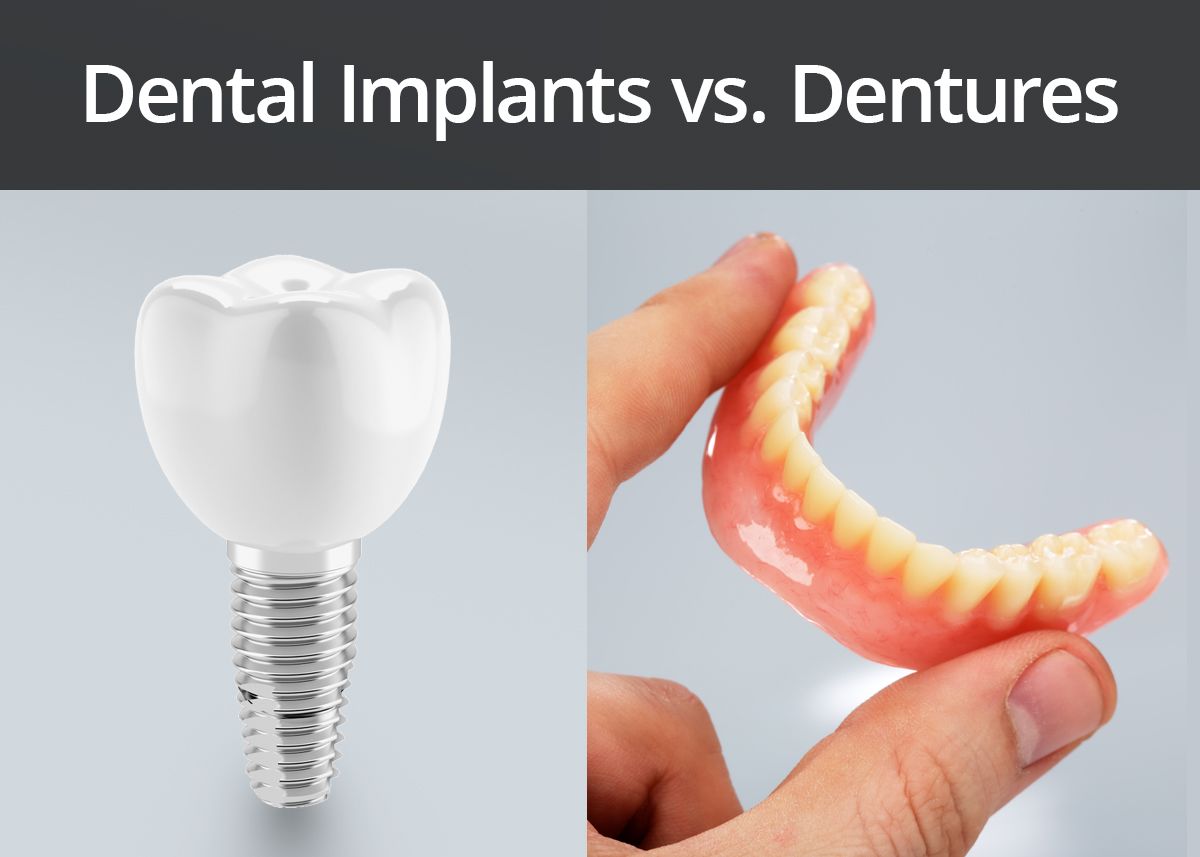
Choosing between implant-supported vs traditional dentures often comes down to one core question: how much stability and long-term bone preservation matters to you compared to the upfront cost and simpler process of a traditional denture.
At Heritage Dental Studio, we walk patients through both options honestly, since neither one is automatically the right answer for everyone.
This guide compares how each option works, what the daily experience actually feels like, and how to weigh the cost difference against the long-term benefits before you commit to either path.
How Traditional Dentures Work
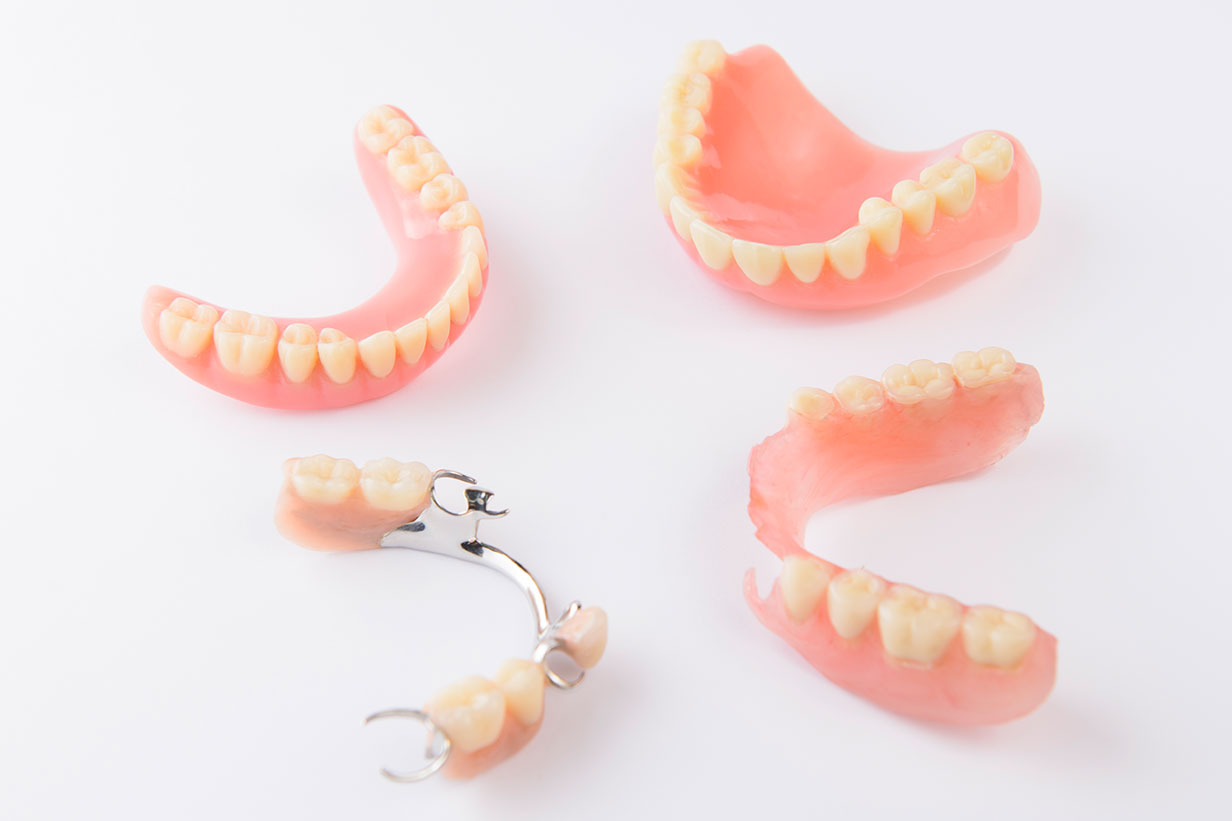
A traditional denture rests directly on your gums, held in place primarily through suction, particularly for the upper arch, along with the natural contours of your jaw and surrounding muscles for the lower arch.
This design has been used successfully for generations, and for many patients it provides a functional, cost-effective way to restore a full smile after losing all their natural teeth.
The tradeoff is that traditional dentures rely entirely on the gum tissue and remaining jawbone for retention, which means stability can decrease over time as the bone naturally reshapes.
How Implant-Supported Dentures Work
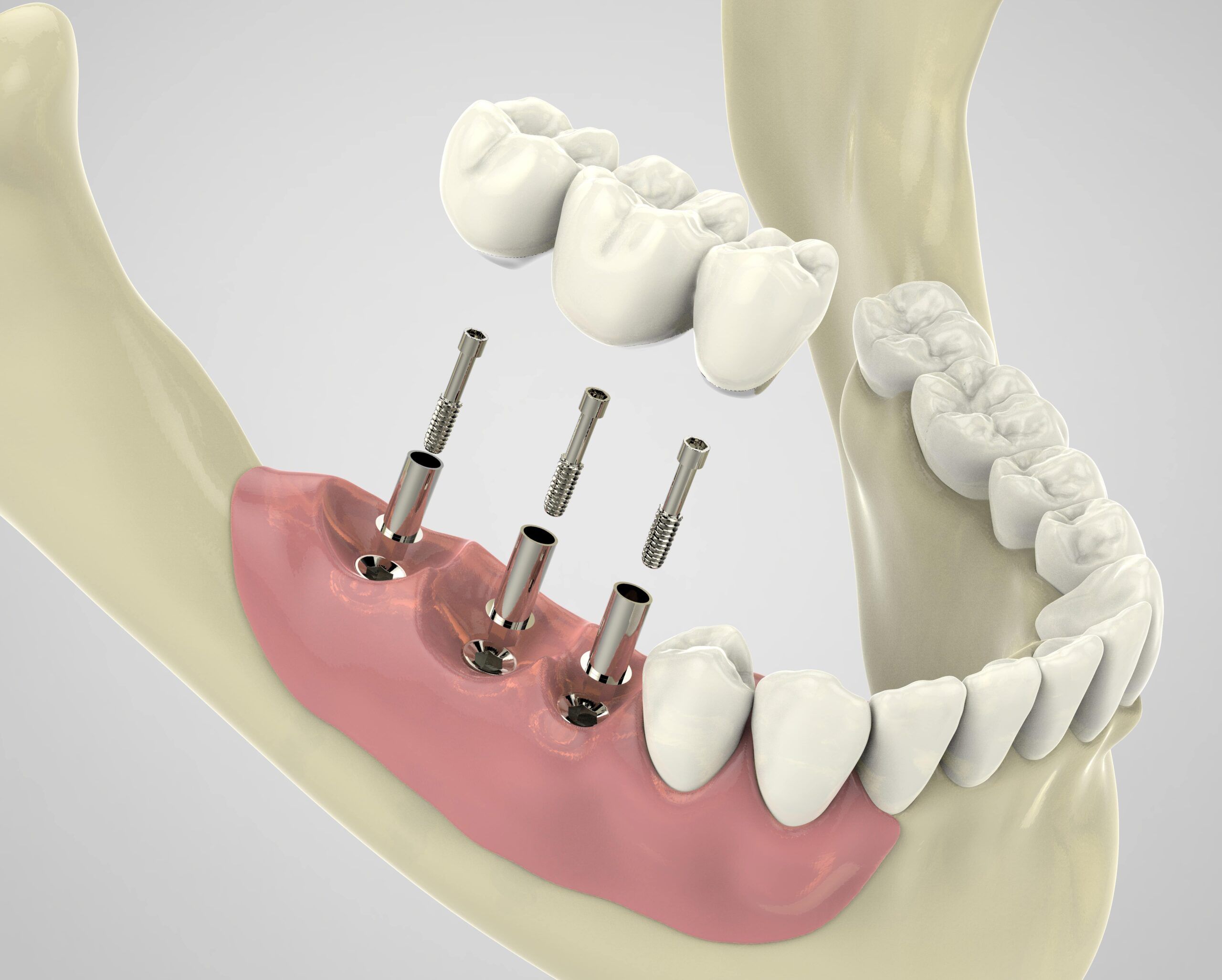
An implant-supported denture anchors to a small number of dental implants surgically placed in the jawbone, typically between two and six implants depending on the specific system used.
Rather than relying on suction alone, the denture snaps or locks onto the implants, providing significantly more stability during chewing, speaking, and everyday movement.
This added stability is the primary reason many patients who struggle with a loose or shifting traditional denture eventually explore implant support as a more secure alternative. Our page on the dental implant procedure step by step explains what the surgical process actually involves.
Comparing Stability and Daily Function
Traditional dentures can shift during eating or speaking, particularly lower dentures, which naturally have less retention than upper dentures due to the tongue’s constant movement and a smaller contact surface area.
Implant-supported dentures dramatically reduce this movement, allowing patients to bite into foods with more confidence and speak without worrying about the denture slipping.
Many patients who transition from a traditional to an implant-supported denture describe a noticeable improvement in their ability to eat a wider variety of foods, including firmer items that felt risky with a traditional denture. Our comparison of all-on-4 dental implants covers one specific implant-supported system in more detail.
The Bone Preservation Difference
One of the most significant long-term differences between these two options relates to what happens to your jawbone over time, not just how the denture feels day to day.
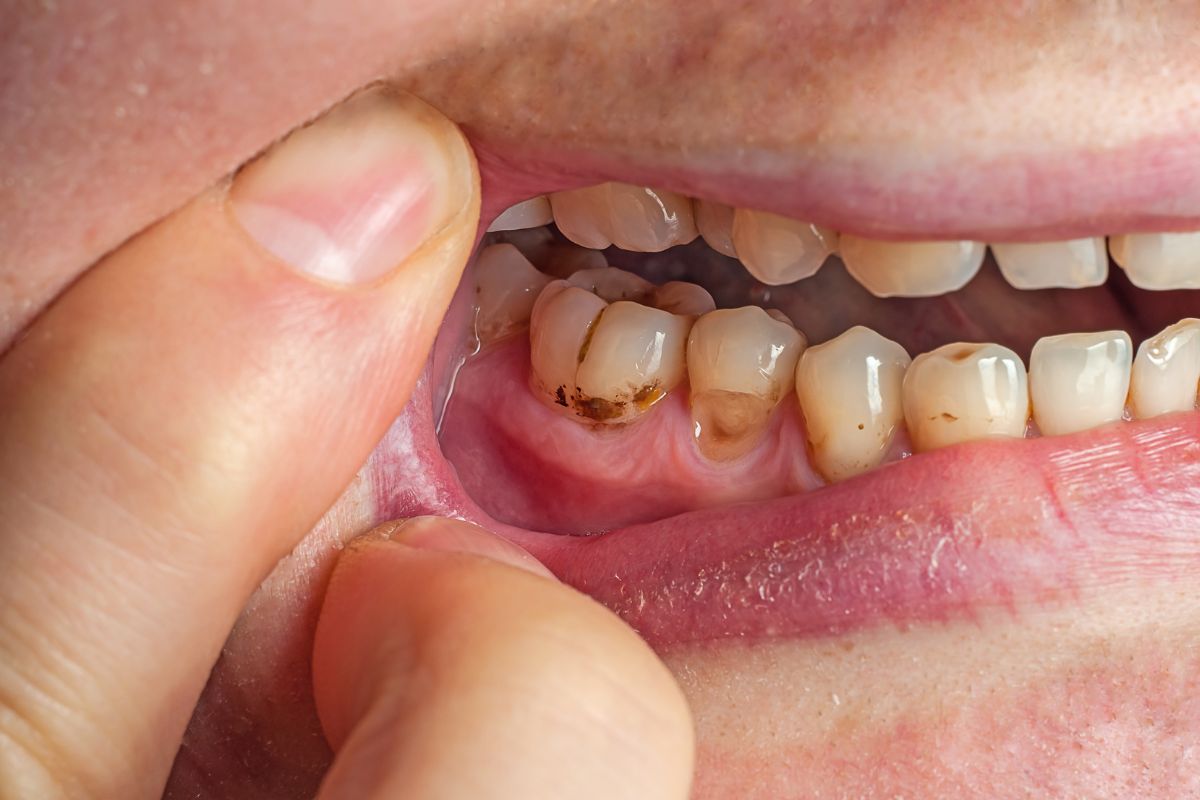
When a tooth is lost, the surrounding jawbone naturally begins to resorb, since it no longer receives the stimulation a natural tooth root once provided. A traditional denture sitting on top of the gum does nothing to slow this process.
Implants, by contrast, are anchored directly into the jawbone and provide some of that lost stimulation, which can help slow the rate of bone loss in the areas where they are placed.
Over many years, this difference can become quite noticeable, with traditional denture wearers sometimes experiencing more significant changes in facial structure and denture fit as bone volume decreases.
Cost Comparison
Traditional dentures are generally the more affordable option upfront, since they do not require surgery or the cost of the implants themselves.
Implant-supported dentures involve a higher initial investment, reflecting the surgical placement of the implants, the healing period required for osseointegration, and the specialized attachment components used to connect the denture to the implants.
For many patients, the decision comes down to weighing this higher upfront cost against the improved function and reduced long-term maintenance that implant support typically offers. Our detailed guide on denture costs in Toronto provides a general sense of typical fee ranges for both approaches.
It’s worth noting that the Canadian Dental Care Plan does not currently cover dental implants, which is an important factor for patients relying on that coverage to weigh into their decision. Traditional dentures, by contrast, are generally eligible for coverage under the plan’s removable prosthodontic category.
The Treatment Timeline
Traditional dentures can typically be completed within a matter of weeks, particularly if teeth have already been extracted and the gums have healed, or slightly longer if an immediate denture and later adjustment process is used.
Implant-supported dentures take considerably longer overall. After the implants are surgically placed, a healing period of several months is generally needed to allow the bone to fuse securely around them before the final denture can be attached.
Patients weighing time as a significant factor should discuss this extended timeline candidly with their dentist, since rushing the osseointegration process can compromise the long-term success of the implants.
Who Is a Good Candidate for Implant-Supported Dentures?
Adequate Bone Density
Sufficient jawbone volume is needed to support the implants securely. Patients who have been missing teeth for a long time may need a bone graft first if significant resorption has already occurred.
Good General Health
Since implant placement is a surgical procedure, candidates should be in reasonably good general health, with any chronic conditions like diabetes well managed to support proper healing.
Commitment to Follow-Up Care
Implant-supported dentures require ongoing maintenance, including periodic checkups to monitor the implants and the attachment components, which patients should be prepared to commit to long-term.
Patients who do not meet these criteria are not necessarily excluded from implant support permanently. A bone graft, improved management of an underlying health condition, or a different implant configuration can sometimes open the door to this option even when it initially seemed unavailable. Our page on dental implant candidacy explains the assessment process in more detail.
Who Might Prefer a Traditional Denture?
Some patients prefer to avoid surgery altogether, whether due to a medical condition, personal preference, or simply wanting the most straightforward path to a restored smile.
Budget is also a significant factor for many patients, and a traditional denture remains a legitimate, well-tested solution that has served patients effectively for generations.
Patients with certain uncontrolled health conditions that make surgery riskier may also be steered toward a traditional denture, at least until those conditions are better managed.
Comparing Removable and Fixed Implant-Supported Options
Implant-supported dentures themselves come in different configurations worth understanding. Some are designed to be removable by the patient for cleaning, snapping onto the implants during the day and removed at night.
Others are designed as a fixed, non-removable restoration that only your dentist can remove for maintenance, offering a feel closer to natural teeth but requiring a slightly different daily cleaning routine involving specialized tools to clean beneath the fixed bridge.
Your dentist will discuss which configuration best matches your goals for stability, ease of cleaning, and overall feel during your consultation.
Daily Maintenance: What Changes With Implant Support
Cleaning a Traditional Denture
A traditional denture is removed daily for cleaning with a denture-specific brush and cleanser, then typically soaked overnight, as outlined in our guide on caring for dentures.
Cleaning an Implant-Supported Denture
Removable implant-supported dentures follow a similar daily cleaning routine, with the added step of cleaning around the implant attachment points to prevent bacteria buildup that could affect gum health around the implants.
Fixed implant-supported restorations require specialized floss threaders or water flossers to clean beneath the bridge structure, along with regular professional maintenance visits to check the attachment hardware.
Long-Term Considerations Worth Discussing With Your Dentist
Implant-supported dentures generally require the attachment components to be replaced periodically, since they experience wear from the repeated snapping and unsnapping motion over months and years of use.
Traditional dentures, meanwhile, typically need relining or eventual replacement as your gum and bone shape changes over time, an ongoing cost worth factoring into your long-term planning regardless of which type you choose initially.
Discussing this full lifecycle of costs and maintenance, not just the initial procedure, gives you a more complete picture of what each option actually involves over the years ahead. Our page on how many implants are needed for a full mouth is a useful next read if you are seriously considering a full-arch implant-supported solution.
A Closer Look at Osseointegration
The success of any implant-supported denture depends on a biological process called osseointegration, where the jawbone gradually fuses to the surface of the titanium or zirconia implant over a period of several months.
This fusion is what gives implant-supported restorations their exceptional stability compared to a denture resting on gum tissue alone. Long-term studies tracking implants over ten years and beyond have consistently reported strong survival rates in healthy patients, generally in the range of 90 to 96 percent at the ten-year mark, with outcomes influenced by factors like smoking status, oral hygiene, and underlying health conditions.
Because this fusion takes time, patients typically wear a temporary denture during the healing period before the final, permanent implant-supported denture is attached. This staged approach protects the long-term success of the implants by ensuring they are not placed under full chewing load before they have fully integrated with the bone.
Comparing the Feel of Eating With Each Option
Patients frequently describe the difference in eating experience as one of the most noticeable distinctions between the two options. With a traditional denture, certain foods, particularly firm or chewy items, can require extra caution to avoid shifting the denture.
With an implant-supported denture, that same caution is generally unnecessary, since the implants hold the denture securely in place regardless of the direction or intensity of chewing force. Many patients report being able to eat foods they had avoided for years once they transition to implant support.
This improvement in chewing confidence often extends beyond just the physical mechanics, contributing to a better overall quality of life and a more relaxed approach to social situations involving food.
Addressing Common Concerns About Implant Surgery
Many patients considering implant-supported dentures have understandable questions about the surgical component of treatment. It is worth knowing that implant placement is a well-established procedure performed routinely in dental practices, generally under local anesthetic with sedation options available for anxious patients. Our page on sedation dentistry explains the options available if anxiety about the procedure is a concern.
Recovery from implant placement is typically comparable to recovery from a tooth extraction, with manageable swelling and discomfort in the days following surgery that improves steadily. Most patients return to normal daily activities within a few days, even while the longer bone integration process continues in the background.
How Facial Appearance Can Be Affected Over Time
An often overlooked factor in this comparison is how each option affects facial appearance over the years. Because traditional dentures do not slow jawbone resorption, some patients notice gradual changes in facial support and structure as bone volume decreases over time.
Implant-supported dentures, by helping preserve bone volume in the areas where implants are placed, can help maintain facial structure more effectively over the long term. This is a consideration worth discussing with your dentist, particularly for younger patients facing decades of wear ahead of them.
Frequently Asked Questions
Can I switch from a traditional denture to an implant-supported one later?
Yes, many patients start with a traditional denture and transition to implant support later, once budget allows or once they experience enough instability with the traditional option to pursue the upgrade.
How many implants are needed to support a full denture?
This varies by system and your specific bone anatomy, though many implant-supported full dentures use between two and six implants per arch, which your dentist will determine during your assessment.
Is the surgery for implant-supported dentures painful?
The procedure is performed under local anesthetic or sedation, and most patients report manageable discomfort during the healing period, similar to what follows a tooth extraction.
Do implant-supported dentures ever need to be removed?
Removable implant-supported dentures come out for daily cleaning, while fixed versions stay in place permanently and are only removed by your dentist during professional maintenance visits.
Will insurance help cover implant-supported dentures?
Coverage varies significantly by plan, and the CDCP does not currently cover the implant portion of treatment, so it is worth reviewing your specific policy details before committing to this option.
Ready to Compare Your Denture Options in Detail?
Whether stability, cost, or long-term bone health matters most to you, the right denture solution depends on your unique oral health and goals. The team at Heritage Dental Studio in downtown Toronto is ready to assess your candidacy and walk you through both paths clearly.