The moment a tooth gets knocked out, the clock starts running immediately. What you do in the next few minutes has a real impact on whether that tooth can be saved. Panic is a natural first reaction, but calm, quick action changes the outcome.
More than five million teeth are knocked out every year across children and adults, according to figures cited by the American Association of Endodontists. Most people have never been taught what to actually do when it happens to them.
This guide gives you the exact steps to follow, in order, from the moment of the injury until you reach professional dental care.
Why Speed Matters So Much
The Reimplantation Window
Research on tooth avulsion, the clinical term for a completely knocked-out tooth, indicates the strongest chance of success comes when the tooth is reimplanted within roughly 30 to 60 minutes of the injury. A 2019 review analyzing avulsion cases found survival rates above 85 percent for teeth reimplanted within 30 minutes, compared to roughly half that rate once a tooth had dried out for an hour.
What Happens to the Tooth Over Time
The ligament cells attached to the tooth’s root begin to die once the tooth is out of its socket and exposed to air. Keeping those cells alive, by keeping the tooth moist, is the single biggest factor in whether reimplantation will succeed.
Why So Few People Know What to Do
Only a small fraction of adults report knowing the correct emergency steps for a knocked-out tooth before it happens to them. That gap in awareness is exactly why having a clear, memorized sequence of steps matters so much in the moment.
Understanding why timing matters sets up the actual steps you need to take right away.
Step-by-Step: What to Do in the First Few Minutes
Step One: Find the Tooth and Handle It Correctly
Locate the tooth immediately and pick it up only by the crown, which is the white chewing surface, never by the root. Touching the root can damage the delicate ligament cells needed for successful reimplantation later.
Step Two: Rinse Gently if Needed
If the tooth is dirty, rinse it briefly, no more than about 10 seconds, using clean water or milk rather than tap water alone. Do not scrub the tooth, use soap or chemicals, or dry it off with a towel or tissue.
Step Three: Try to Reposition the Tooth
If the tooth is fully intact, gently try to place it back into its socket, facing the correct direction, and bite down softly on clean gauze to hold it in place. This step alone, when successful, significantly improves the odds of the tooth surviving long term.
Step Four: If You Cannot Reinsert It, Keep It Moist
If repositioning is not possible, store the tooth in milk, in an emergency tooth preservation kit if you have one, or tucked gently inside your cheek. Never store the tooth in plain water, since the low mineral content in water damages the root surface cells quickly.
Step Five: Get to a Dentist Immediately
Head to an emergency dentist right away rather than waiting to see if the pain subsides. Our emergency dentistry team can assess the tooth and attempt reimplantation as soon as you arrive.
With the core steps in mind, a few common mistakes are worth avoiding since they can quietly reduce your chances of success.
Mistakes That Reduce Your Chances of Saving the Tooth
Storing the Tooth in Water
Tap water seems like the obvious choice in a panic, but its low osmolarity actively damages the cells your dentist needs intact for reimplantation. Milk, saliva, or a saline-based preservation product are all safer choices if the tooth cannot go back into the socket.
Scrubbing or Drying the Tooth
Wiping the tooth with a cloth or letting it air dry removes the exact tissue that gives it the best chance of reattaching successfully. A brief, gentle rinse is all that is needed if the tooth appears dirty.
Waiting to See if the Pain Goes Away
Because a knocked-out tooth is not always painful in the way other dental emergencies are, some people delay seeking care. Waiting reduces the reimplantation window and lowers the odds of a successful outcome regardless of pain levels.
Assuming Baby Teeth Should Be Handled the Same Way
Dentists generally do not attempt to reimplant a knocked-out primary tooth, since doing so can damage the permanent tooth developing underneath. If you are unsure whether the tooth is a baby tooth or a permanent one, call your dentist immediately for guidance specific to the child’s age.
Once you understand these pitfalls, it helps to know what actually happens after you arrive at the clinic with the tooth in hand.
What Happens When You Arrive at the Dentist
Immediate Assessment
Your dentist will examine the socket and the tooth itself, checking for damage to the surrounding bone and other teeth in the area. Digital X-rays, covered on our technology page, help confirm the tooth is properly positioned and reveal any additional trauma.
Reimplantation and Splinting
If the tooth was not already back in place, your dentist will reposition it and secure it with a splint attached to the neighbouring teeth. This splint typically stays in place for one to two weeks for a straightforward case, longer if there is associated bone damage.
Monitoring for Root Canal Needs
Many reimplanted teeth eventually require root canal treatment, since the nerve inside is often damaged even when the tooth itself is saved. Our guide on the root canal procedure explains what that follow-up treatment typically involves.
What Happens If the Tooth Cannot Be Saved
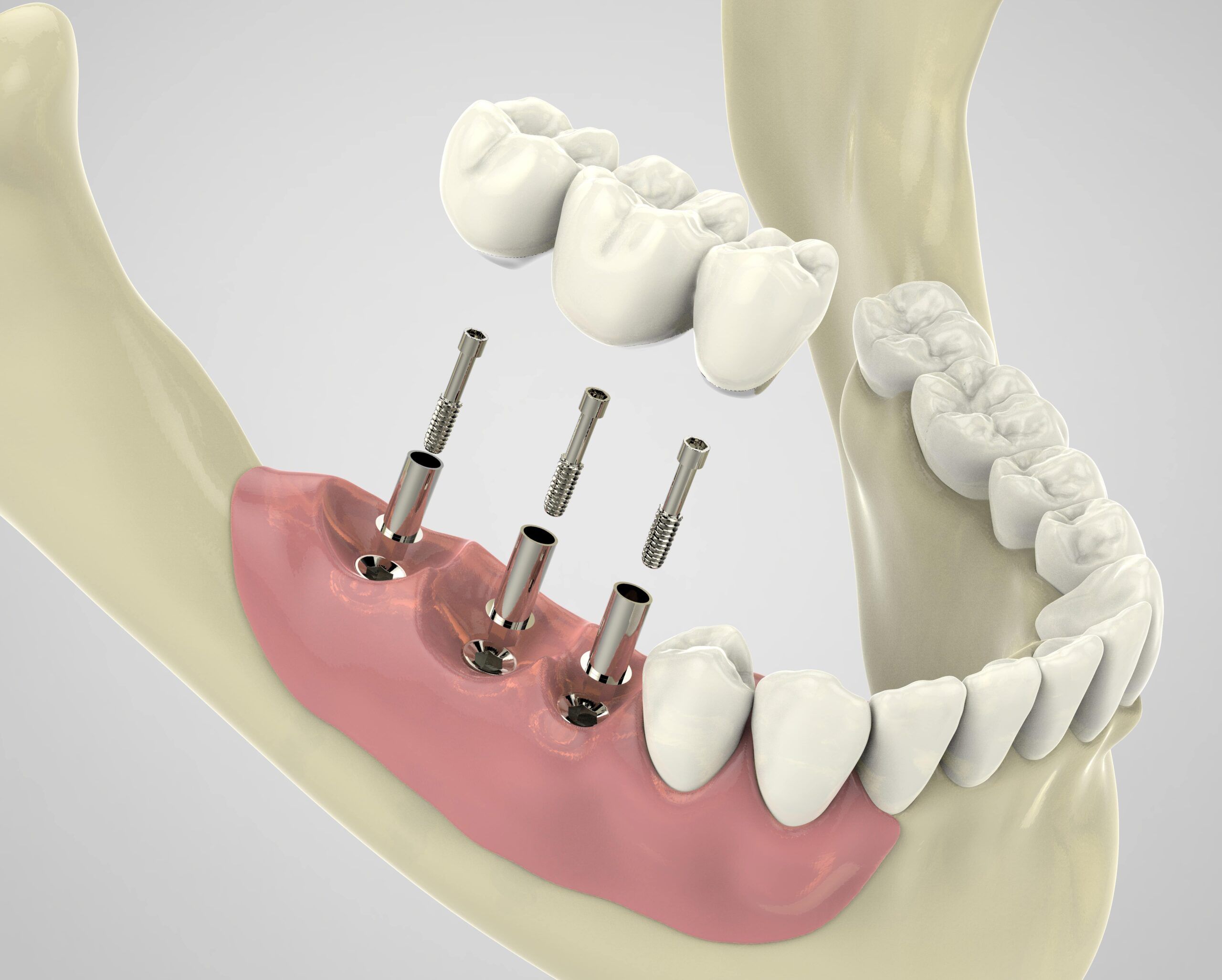
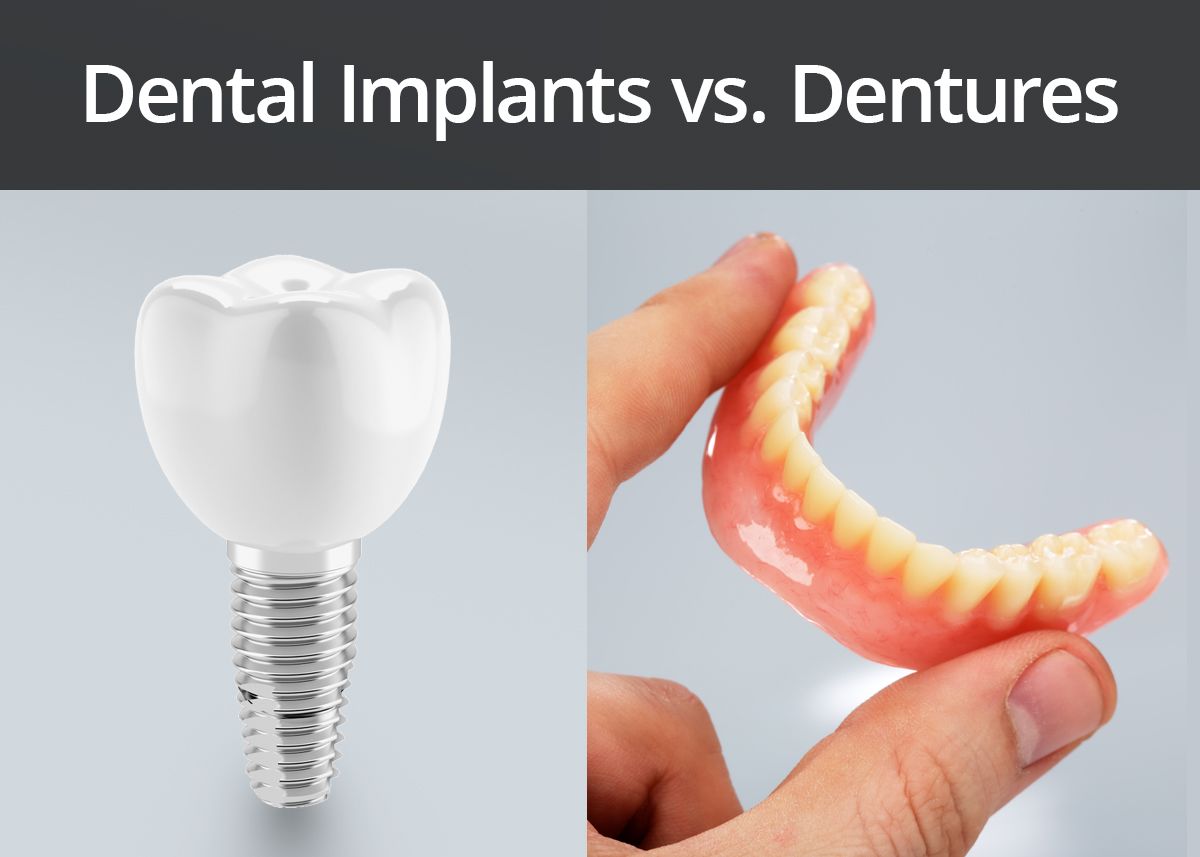
In cases where reimplantation is not possible, your dentist will discuss replacement options such as a dental implant or a bridge. Comparing dental implants vs a bridge can help you understand which replacement fits your situation best.
Knowing the full arc of treatment helps set expectations, but it is just as important to understand how this kind of trauma differs from other dental emergencies.
Knocked-Out Tooth vs Other Dental Trauma
How This Differs From a Cracked or Broken Tooth
A knocked-out tooth is a full avulsion, while a cracked tooth remains partially attached and follows a different treatment timeline. Our guide on cracked tooth symptoms and treatment walks through how that situation is typically managed.
Why This Is One of the Most Time-Sensitive Emergencies
Unlike many dental emergencies where a delay of a few hours does not drastically change the outcome, a knocked-out tooth is genuinely a race against time. Recognizing this urgency is the difference between reimplanting a tooth successfully and needing a replacement instead.
Recognizing Other Signs That Need Immediate Care
If the injury also involves heavy bleeding, facial swelling, or difficulty opening your jaw, this points toward a broader emergency requiring urgent evaluation. Our overview of what to do before you reach the clinic covers these overlapping situations in more detail.
With the full picture of what to do and what to expect, the last piece is making sure you are prepared before an emergency ever happens.
Preparing for a Knocked-Out Tooth Before It Happens
Building a Small Emergency Kit
Keeping a saline-based tooth preservation product on hand, especially if you or your children play contact sports, means you are ready if an injury occurs. Our guide to sports mouthguards also covers prevention strategies worth considering.
Saving Your Dentist’s Emergency Number
Program your dentist’s emergency contact information into your phone now, rather than searching for it in a panic later. Knowing exactly who to call removes one more obstacle during an already stressful moment.
Teaching Family Members the Basic Steps
Making sure your household, including older children, understands the crown-only rule and the importance of keeping the tooth moist can make a real difference if you are not there when the injury happens. A few minutes of preparation now can meaningfully improve the outcome later.
A knocked-out tooth is frightening, but it is also one of the few dental emergencies where your actions in the first minutes genuinely change what is possible.
Acting Fast Gives You the Best Chance
Saving a knocked-out tooth comes down to speed, correct handling, and getting to professional care as quickly as possible. Handle the tooth by the crown, keep it moist, and try to reposition it if you can before heading straight to your dentist.
Even if the ideal window has passed, it is still worth seeking care immediately, since reimplantation has succeeded even after longer delays in some cases. The most important thing is not to wait and see.
If you or a family member has just experienced a knocked-out tooth, call our emergency dentistry team right now so we can guide you through the next steps.
Frequently Asked Questions
Can a knocked-out tooth still be saved after an hour?
The odds decrease significantly after 60 minutes, but reimplantation has still succeeded in some cases beyond that window. It is always worth seeking immediate professional evaluation regardless of how much time has passed.
Is it safe to try putting the tooth back in myself?
Yes, gently repositioning the tooth in its socket, facing the correct direction, is recommended if you can do it comfortably. Bite down softly on clean gauze to hold it in place until you reach a dentist.
What if I cannot find the tooth?
Check the surrounding area carefully, including inside the mouth, since the tooth can sometimes lodge in the cheek or gum. If it truly cannot be found, seek dental care immediately for an assessment and discussion of replacement options.
Do baby teeth need the same emergency treatment?
No. Dentists generally do not reimplant knocked-out primary teeth to avoid damaging the permanent tooth developing underneath. Contact your dentist immediately for guidance specific to your child’s situation.
Will the reimplanted tooth need a root canal eventually?
Many reimplanted teeth do require root canal treatment later, since the nerve inside is often damaged even when the tooth itself is successfully saved. Your dentist will monitor the tooth closely over the following weeks.
Every Minute Counts
If a tooth has just been knocked out, do not wait. Call our emergency dentistry team immediately so we can talk you through the correct handling steps while you make your way to us.