A sharp, sudden pain when you bite down, followed by nothing at all, is one of the more confusing dental symptoms to deal with. Cracked teeth can be tricky to diagnose precisely because the pain often comes and goes rather than staying constant.
Cracks range from tiny surface lines that cause no real problems to deeper fractures that threaten the health of the entire tooth. Knowing the difference helps you understand how urgently you need treatment.
This guide covers the common symptoms of a cracked tooth, the different types of cracks, and the treatment options typically available for each.
Recognizing the Symptoms of a Cracked Tooth
Pain When Chewing or Releasing Pressure
One of the most distinctive symptoms is sharp pain that occurs specifically when you bite down or release pressure after chewing, rather than a constant ache. This happens because the crack flexes slightly under pressure, irritating the nerve inside the tooth.
Sensitivity to Temperature
A cracked tooth often becomes sensitive to hot and cold, sometimes more so than a tooth affected by a simple cavity. This sensitivity can be inconsistent, appearing with certain foods or drinks and not others, which makes cracked teeth harder to pin down than more predictable dental issues.
Intermittent Pain That Comes and Goes
Unlike the persistent throbbing associated with an abscess, pain from a cracked tooth often appears briefly and then disappears entirely, sometimes for days at a time. This unpredictable pattern is one reason cracked teeth are sometimes mistaken for other issues initially.
Visible Lines or Fractures
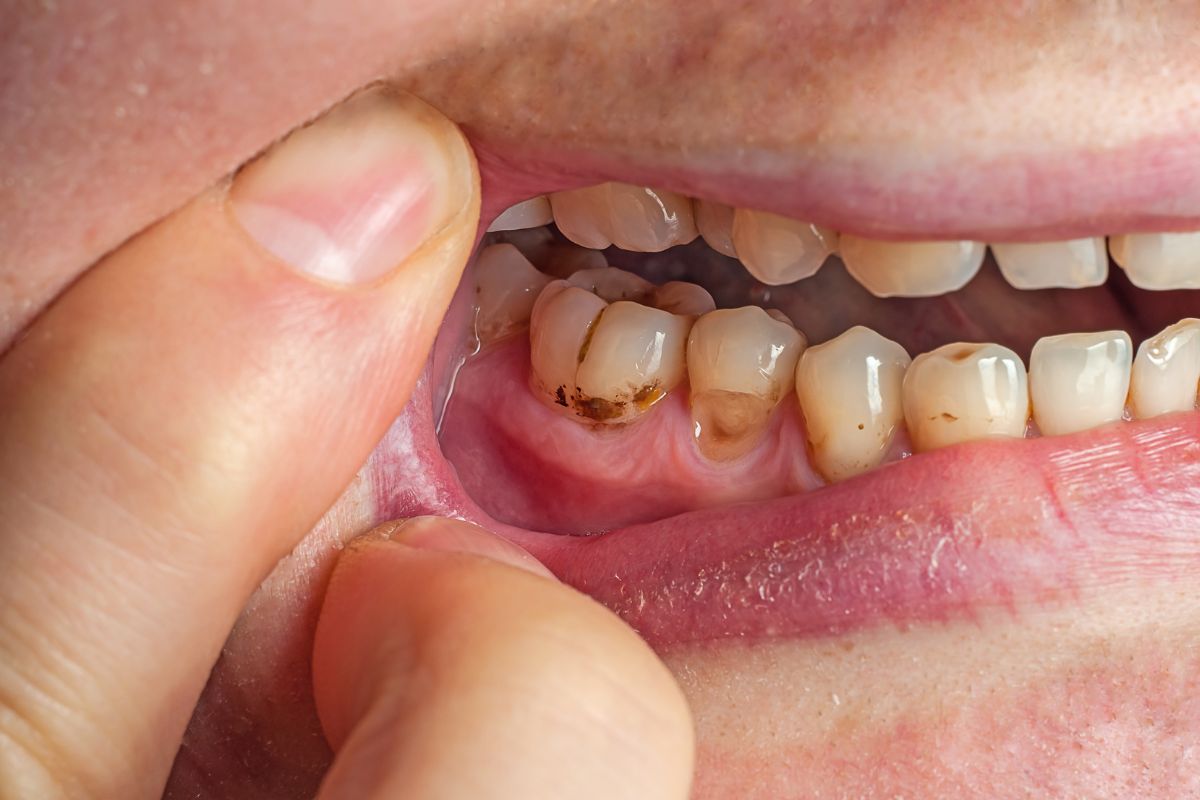
In some cases, a crack is visible to the naked eye as a thin line running across the tooth’s surface, though many cracks are too small or too deep to see without magnification. Our guide on how to fix a chipped tooth covers a related but distinct situation involving a visible piece of missing tooth structure.
Recognizing these symptoms is the first step, but understanding the different types of cracks helps explain why treatment varies so much.
Types of Tooth Cracks and What They Mean
Craze Lines
These are tiny, shallow cracks limited to the outer enamel, common in adult teeth, and generally do not require treatment since they do not affect the tooth’s structural integrity. Most people have some craze lines without ever noticing symptoms or needing intervention.
Fractured Cusp
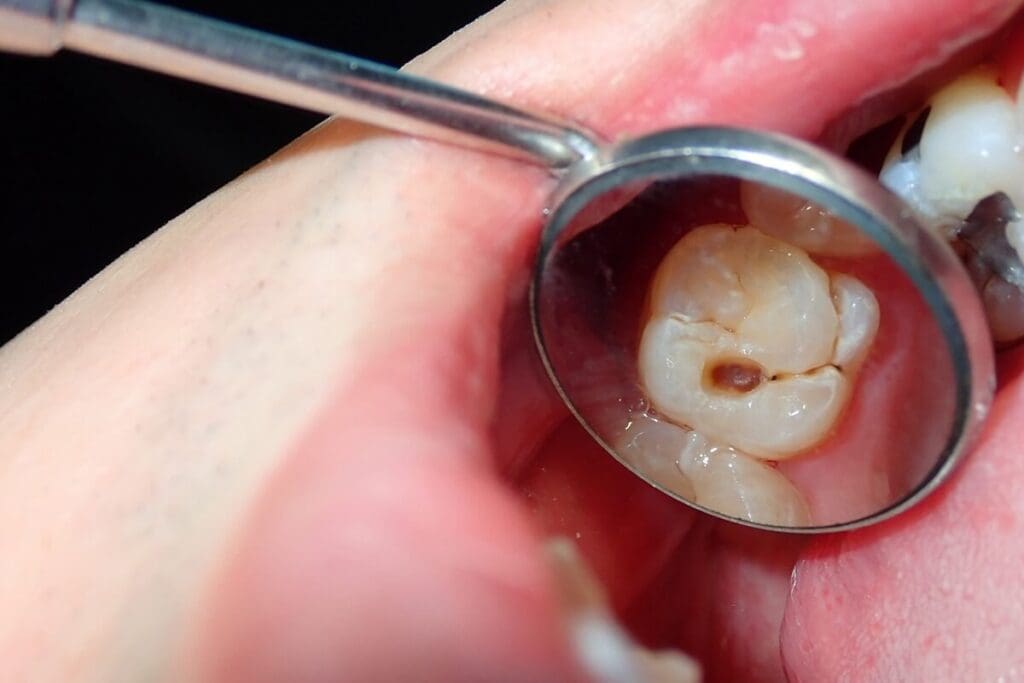
This type of crack involves a piece of the chewing surface breaking away, often around an existing filling, and typically causes minimal pain since it rarely affects the pulp. Treatment usually involves restoring the missing structure with a filling or crown.
Cracked Tooth Syndrome
This describes a crack that extends from the chewing surface toward the root without yet separating the tooth into pieces, and it is often the source of the sharp, intermittent biting pain described earlier. This type requires prompt evaluation, since the crack can worsen over time if left untreated.
Split Tooth
This occurs when a crack has progressed enough to separate the tooth into distinct segments, usually following a long-untreated cracked tooth syndrome case. At this stage, saving the entire tooth is often no longer possible, and extraction becomes the more realistic option.
Vertical Root Fracture
This type of crack starts at the root and extends toward the chewing surface, often showing minimal symptoms until infection or bone loss develops around the fracture. Vertical root fractures typically require extraction, since a root canal cannot reliably seal a fracture in this location.
Understanding these categories helps set realistic expectations for what treatment your specific crack might need.
Diagnosing a Cracked Tooth
Why Cracks Can Be Hard to Detect
Many cracks do not show up clearly on a standard X-ray, especially if they run vertically along the tooth rather than horizontally. Your dentist may use a bite test, transillumination with a bright light, or dye to help visualize a crack that is not otherwise obvious.
The Role of Digital Imaging
Digital X-rays remain a valuable diagnostic tool, particularly for ruling out other issues like decay or infection at the root. Our page on digital X-ray technology explains how this imaging supports an accurate diagnosis.
Why an Accurate Diagnosis Matters So Much
Because treatment options differ so significantly between craze lines and a split tooth, getting the diagnosis right shapes every decision that follows. A thorough clinical exam, sometimes over more than one visit, is often necessary to confirm exactly what type of crack you are dealing with.
Once a diagnosis is confirmed, the conversation naturally shifts to which treatment option fits your specific situation.
Treatment Options for a Cracked Tooth
Monitoring Minor Craze Lines
If the crack is limited to superficial enamel lines with no associated pain, your dentist may simply recommend monitoring the tooth at future visits rather than active treatment. This is the most conservative approach and applies only to the mildest form of cracking.
Bonding or a Crown for Structural Cracks
For a fractured cusp or early cracked tooth syndrome, bonding or a crown can stabilize the tooth and prevent the crack from worsening. A crown essentially holds the tooth together, distributing biting forces more evenly across the surface.
Root Canal Treatment for Deeper Cracks
If the crack has progressed to the point of irritating or exposing the inner pulp, root canal treatment may be necessary to address the resulting inflammation or infection. Our guide on the root canal procedure explains what this treatment typically involves.
Extraction for a Split Tooth or Root Fracture
Once a tooth has fully split, or when a vertical root fracture is confirmed, extraction is typically the only reliable option remaining. Our comparison of root canal vs extraction explains how dentists weigh these two paths for a compromised tooth.
Choosing the right treatment matters, but understanding what causes cracks in the first place helps you reduce your risk going forward.
What Causes Teeth to Crack
Chewing on Hard Foods or Objects
Biting down on ice, hard candy, or using your teeth to open packaging puts sudden, concentrated stress on the tooth structure. This is one of the most preventable causes of a cracked tooth, and small habit changes can significantly reduce your risk.
Teeth Grinding
Chronic grinding, known as bruxism, places repeated pressure on teeth over time, gradually weakening the structure until a crack develops. Our guide on teeth grinding and bruxism explains how this habit contributes to cracks and what treatment options exist.
Large Existing Fillings
Teeth with large fillings have less remaining natural structure, making them more susceptible to cracking under normal biting forces. Our guide on how long fillings last covers when a filling may need to be replaced with a crown for added protection.
Sudden Trauma or Injury
A blow to the face during sports or an accidental fall can cause an immediate crack, sometimes alongside other injuries. Our broader guide on dental emergencies covers how to respond to trauma-related dental injuries in the moment.
Understanding these causes naturally leads to practical steps you can take to protect your teeth from cracking in the first place.
Preventing Cracked Teeth
Protective Measures Worth Adopting
Wearing a night guard if you grind your teeth, and a sports mouthguard during physical activity, significantly reduces your risk of developing a crack. Our guides on night guards for grinding and the sports mouthguard guide cover the options available.
Simple Habit Changes
Avoiding ice chewing, hard candy, and using your teeth as tools are small changes that meaningfully reduce your long-term risk. These habits are easy to overlook but add up significantly over years of daily wear.
Routine Exams to Catch Cracks Early
Regular preventive dental visits allow your dentist to spot early signs of cracking before symptoms become noticeable to you. Catching a crack in its earliest stage usually means simpler, less invasive treatment.
With prevention strategies in mind, it is worth understanding when a suspected crack needs urgent attention rather than a routine appointment.
When a Cracked Tooth Becomes an Emergency
Signs That Warrant Prompt Care
Severe pain, visible fragments of tooth breaking away, or swelling around the affected area all suggest you need care sooner rather than waiting for a scheduled appointment. Our emergency dentistry team can evaluate the tooth quickly and determine the appropriate next steps.
Why Waiting Rarely Improves the Outcome
A crack that is left untreated typically continues to progress under normal biting pressure, sometimes advancing from a manageable fracture to a split tooth requiring extraction. Addressing symptoms promptly generally preserves more treatment options than waiting does.
Recognizing when urgency matters helps you make the right call about how quickly to seek care.
Getting an Accurate Diagnosis Quickly
A cracked tooth can range from a harmless craze line to a serious fracture requiring extraction, and only a clinical exam can tell you which category applies to your situation. The sooner you have it evaluated, the more treatment options typically remain available.
If you are experiencing intermittent pain when biting down or noticeable sensitivity, do not wait for symptoms to worsen before seeking an evaluation.
If you suspect a cracked tooth, book an exam with our team so we can diagnose the issue accurately and recommend the right treatment for your specific situation.
Frequently Asked Questions
Can a cracked tooth heal on its own?
No, a crack in tooth structure does not heal the way soft tissue does. Treatment, ranging from monitoring to a crown or root canal, is generally necessary depending on the crack’s severity.
Why does my tooth only hurt sometimes?
Intermittent pain, especially when biting down or releasing pressure, is a hallmark symptom of a cracked tooth. The crack flexes under pressure, which is why the pain comes and goes rather than staying constant.
How can a dentist tell if I have a cracked tooth?
Diagnosis often involves a bite test, transillumination with a bright light, dye application, or digital X-rays, sometimes across more than one visit since cracks can be difficult to visualize directly.
Is a cracked tooth always an emergency?
Not always. Minor craze lines typically do not require urgent care, while significant pain, visible fragments breaking away, or swelling suggest you should seek prompt evaluation.
What happens if a cracked tooth is left untreated?
Untreated cracks generally worsen over time under normal biting pressure, potentially progressing to a split tooth or infection that requires more extensive treatment, including possible extraction.
Get Your Cracked Tooth Evaluated Today
Intermittent pain when biting down deserves a proper diagnosis. Book an exam with our team so we can determine exactly what is happening and recommend the right treatment.