Facing a damaged or infected tooth puts you at a crossroads that most people never expect to navigate. You want to know whether saving the tooth makes sense, or whether removing it is the smarter long-term choice. This decision affects your bite, your budget, and how your smile functions for years to come.
A root canal vs extraction decision usually comes down to how much healthy tooth structure remains, how deep the infection has spread, and what you can realistically maintain afterward. Neither option is universally right. Your dentist looks at the whole picture, not just the painful tooth in isolation.
This guide walks you through how dentists actually weigh these two paths, what each procedure involves, and the questions worth asking before you commit to either one.
Root Canal vs Extraction: What Each Procedure Actually Involves
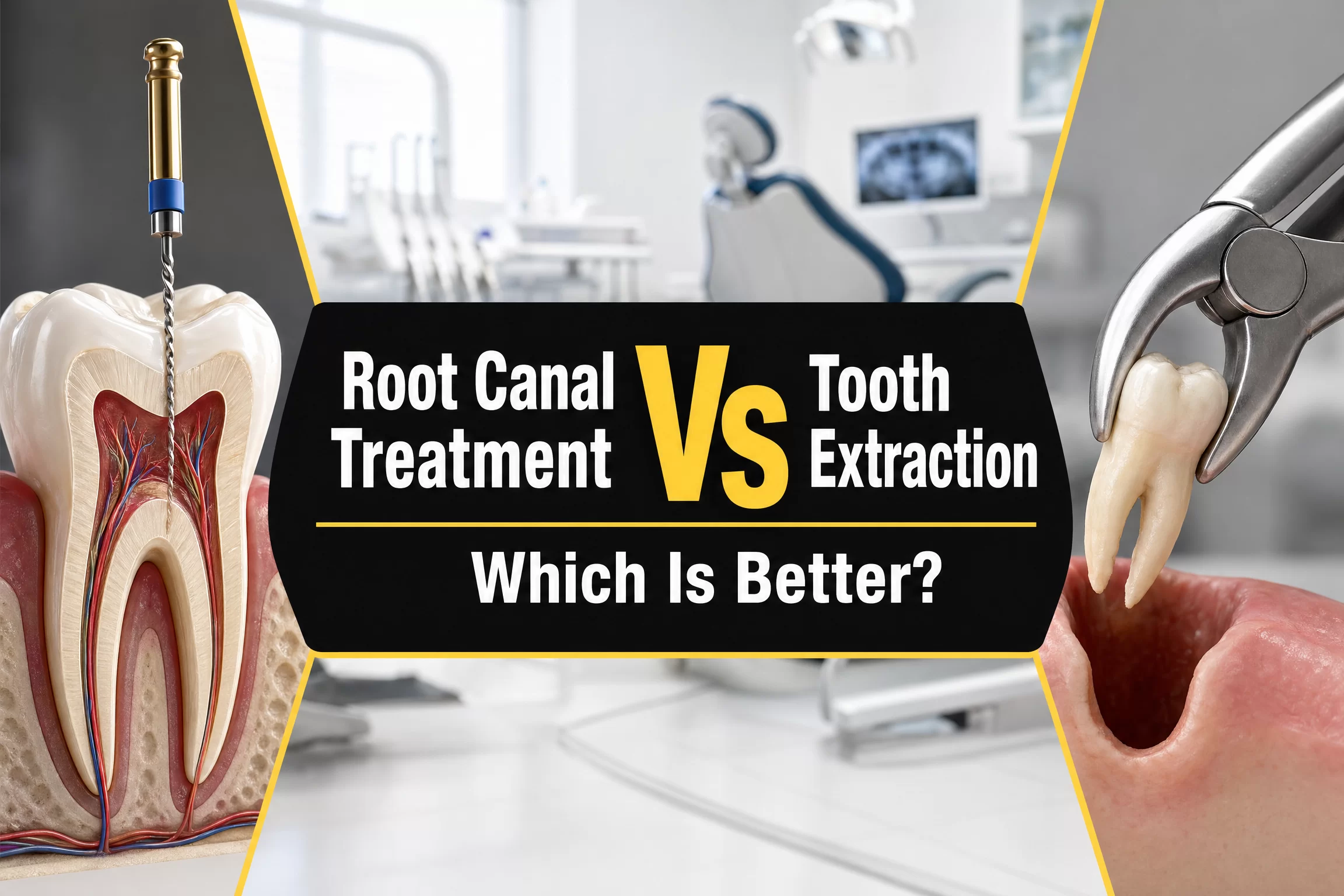
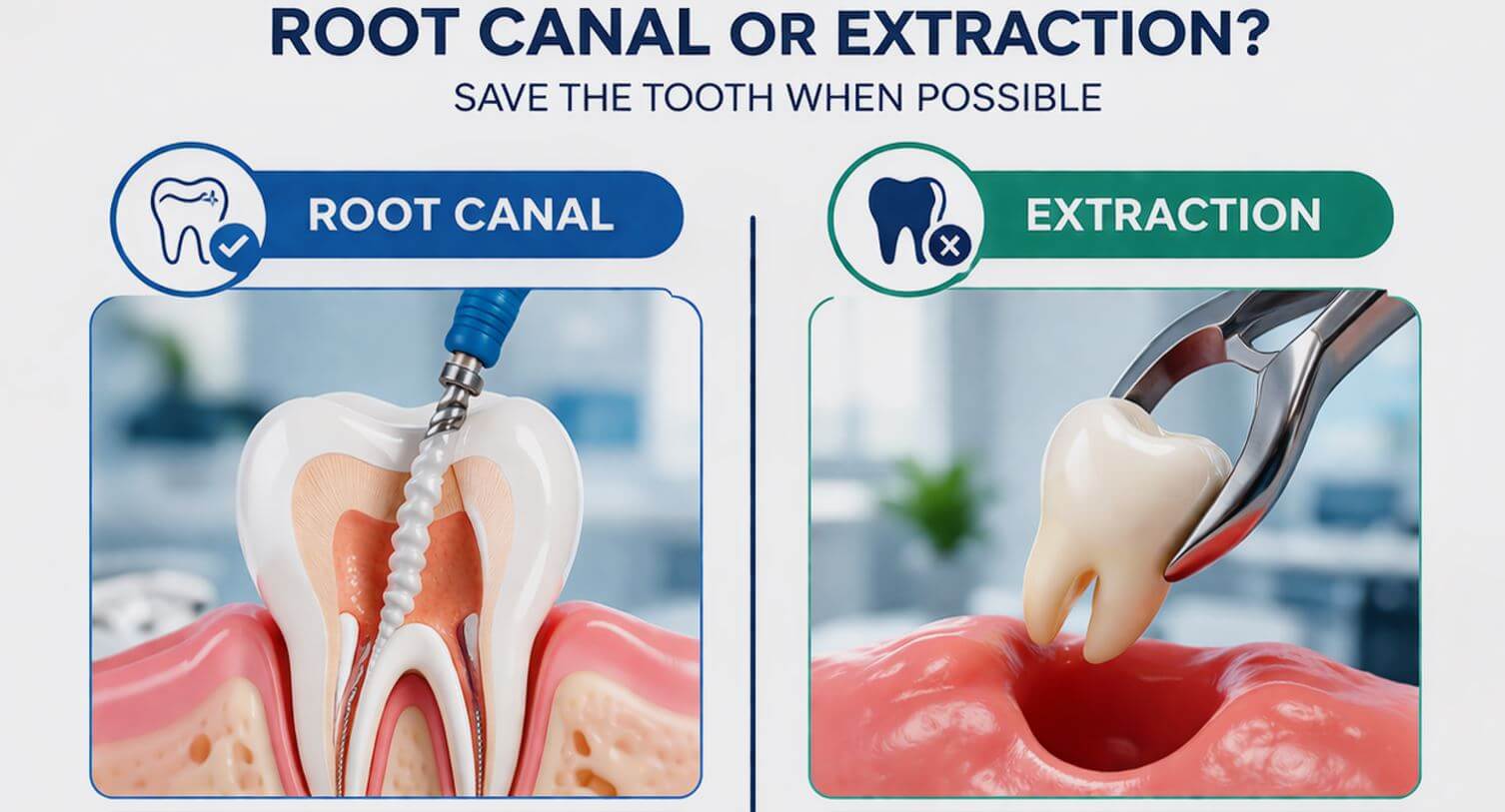
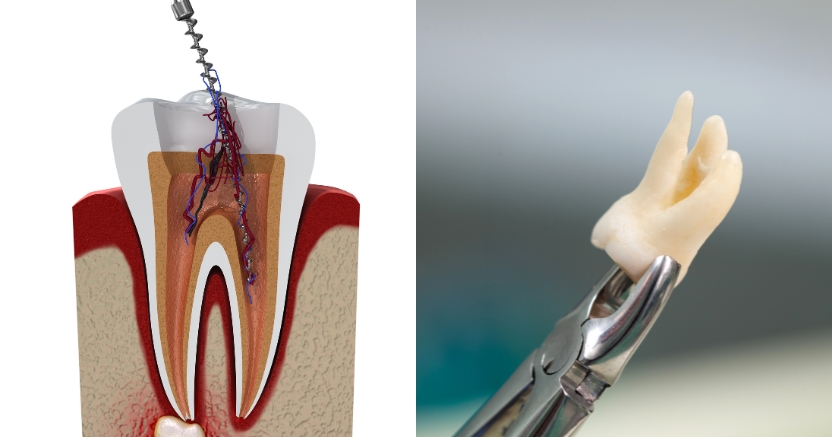
A root canal removes infected or inflamed pulp tissue from inside the tooth, cleans the canal system, and seals it to prevent reinfection. The natural tooth stays in your mouth, typically topped with a crown for long-term strength.
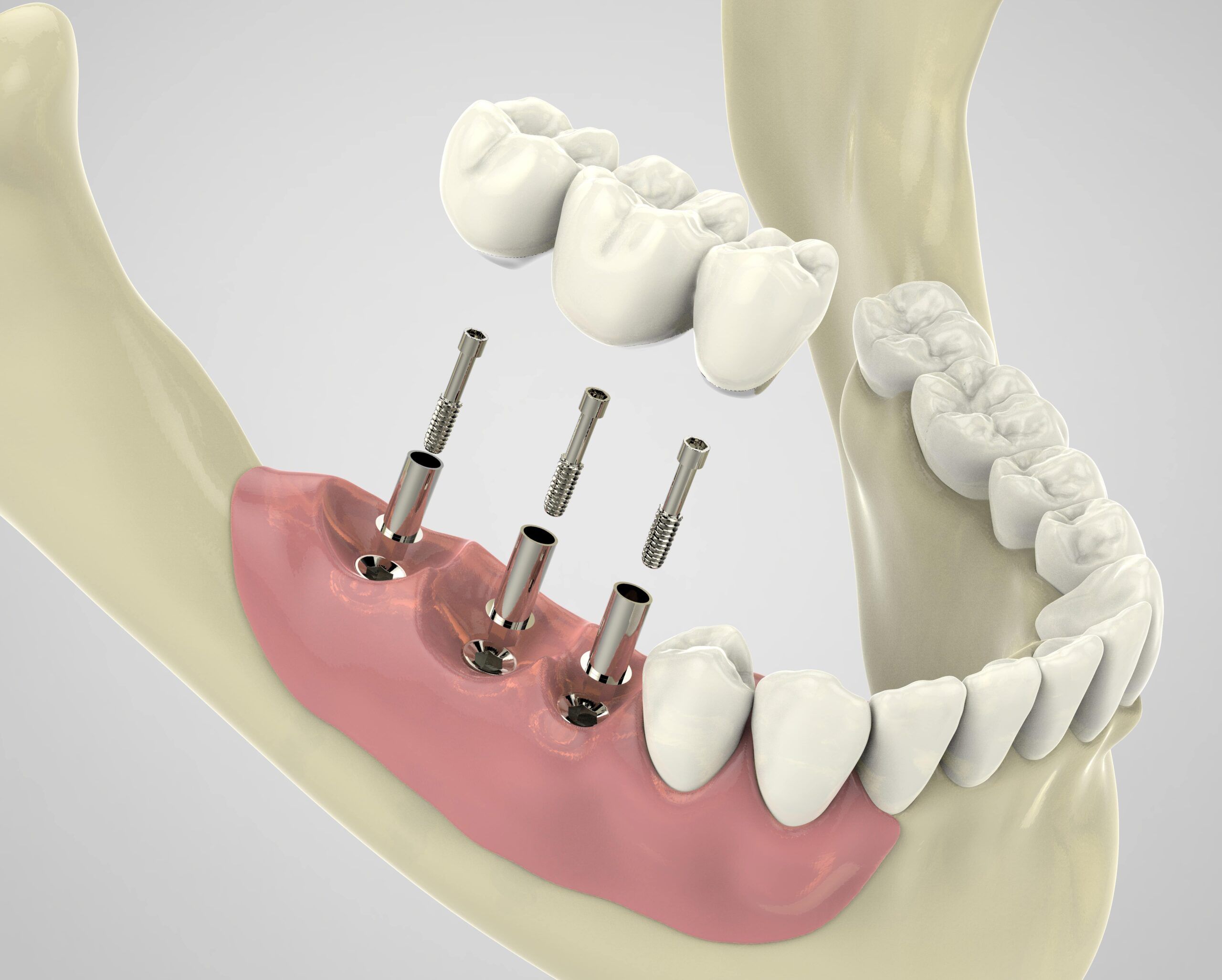
An extraction removes the entire tooth, root and all, usually because it is too damaged, infected, or structurally compromised to restore. Afterward, you are left with a gap that often needs replacing with an implant, bridge, or partial denture.
Both procedures are common. Both are performed under local anesthesia in a single visit for straightforward cases. The real difference shows up in what happens next, not during the appointment itself.
Understanding that distinction sets the stage for how dentists actually decide which route fits your specific tooth.
How Dentists Decide Between Saving and Removing a Tooth
The Amount of Remaining Healthy Structure
If enough sound enamel and dentin remain to support a crown after the infected pulp is removed, a root canal is typically the more conservative choice. When decay or fracture has destroyed the tooth below the gumline, restoration often becomes unpredictable, tipping the decision toward extraction.
The Location and Severity of the Infection
A contained infection at the root tip generally responds well to root canal therapy, based on treatment guidance the American Association of Endodontists publishes on saving natural teeth after trauma or infection. A vertical root fracture, by contrast, almost always requires extraction because the crack allows bacteria to bypass any seal a root canal could create.
Whether the Tooth Is a Strategic Anchor
Molars that support a bridge, a partial denture clasp, or your bite alignment are usually worth extra effort to save. A wisdom tooth with no real functional role often makes more sense to remove, especially if it is impacted or repeatedly causing problems, a distinction explored further in our guide on when wisdom teeth need removal.
Your Overall Health and Healing Capacity
Conditions like uncontrolled diabetes or a compromised immune system can affect healing after either procedure, so your dentist factors your medical history into the recommendation. This is one more reason a thorough preventive dental exam matters before any major treatment decision is made.
Once you know how these clinical factors interact, it becomes easier to see why cost and long-term function often tip the scale one way or the other.
Comparing Cost: Root Canal vs Extraction in Toronto
What a Root Canal Typically Costs
Under Ontario’s 2026 suggested dental fee guide, a molar root canal generally runs between roughly $1,417 and $1,579, before the crown that usually follows. Front teeth with a single canal tend to sit at the lower end of that range, since they involve less time and fewer canals to clean.
Add a crown afterward and the full cost of saving a back tooth often lands between roughly $1,900 and $4,100 in the Toronto area. Our detailed breakdown in how much a root canal costs in Toronto walks through each variable in more depth.
What an Extraction Typically Costs
A simple extraction is priced far lower on its own, often starting around $218 under the same 2026 fee guide, though surgical extractions of impacted teeth cost more. The number that surprises most patients is what comes after: replacing the missing tooth with a bridge, implant, or denture usually costs several times more than the extraction itself.
You can compare the full range of extraction pricing, including surgical cases, in our guide to tooth extraction cost in Toronto.
Why the Sticker Price Rarely Tells the Whole Story
An extraction looks cheaper upfront, but a missing back tooth allows neighbouring teeth to shift and can change how you chew over time. A root canal costs more today but keeps your natural bite intact without the added expense of a replacement tooth down the line.
If cost is a major concern, ask whether the treatment plan for either option is covered under the Canadian Dental Care Plan, since eligible patients can see a substantial portion of either procedure offset.
With the financial picture in view, it helps to look honestly at how each option feels day to day, both in recovery and years afterward.
Recovery: What to Expect After Each Option
Healing After a Root Canal
Most people return to normal activities the next day, with mild tenderness around the tooth for a few days as the tissue settles. Our patient guide on root canal recovery covers what is normal versus what warrants a call to your dentist.
Healing After an Extraction
Extraction sites typically take one to two weeks to close over, and you will need to follow specific aftercare to avoid complications like dry socket. Our resources on tooth extraction aftercare and what to eat after an extraction outline the steps that support smoother healing.
Which Recovery Tends to Feel Easier
Root canal recovery is generally shorter and less disruptive since no bone socket needs to heal. Extraction recovery takes longer and, if you plan to replace the tooth with an implant, often involves a multi-month process before the permanent restoration is placed.
Recovery is only part of the equation though. What matters most for many patients is how the tooth performs for years afterward.
Long-Term Function: Keeping Your Natural Tooth vs Replacing It
The Case for Saving the Natural Tooth
Your natural tooth root preserves the jawbone density around it every time you bite and chew. A well-executed root canal followed by a crown can last for decades, functioning much like the original tooth did before it was compromised.
The Case for Extraction Followed by Replacement
Sometimes a tooth is damaged beyond a point where saving it offers a reliable long-term outcome, and pursuing a root canal anyway just delays an extraction that becomes inevitable. In these cases, moving directly to extraction and planning for a dental implant or dental bridge can be the more efficient path.
Comparing the Two Replacement Routes Side by Side
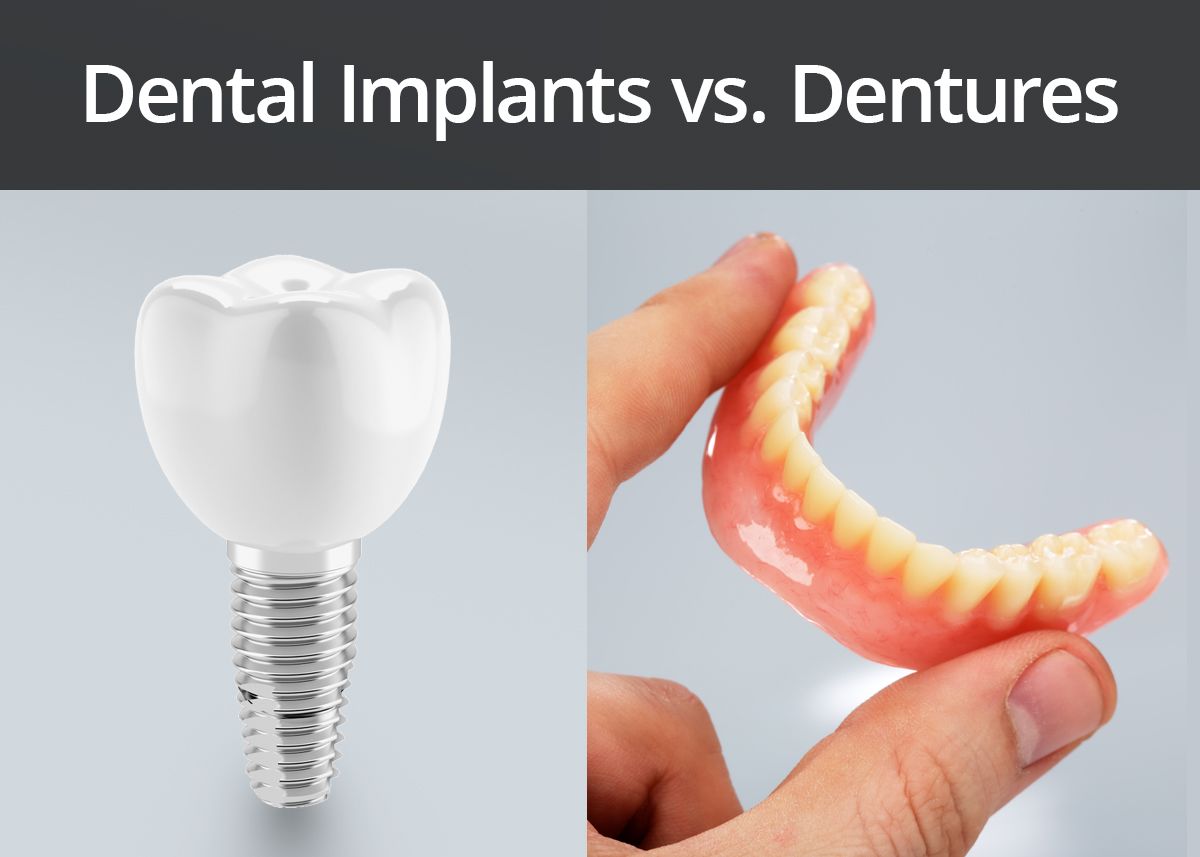
If extraction is unavoidable, the next decision is what replaces the missing tooth, and that comparison deserves its own attention. Our article on dental implants vs a bridge breaks down how each option performs over time, along with the maintenance each one requires.
Understanding these long-term trade-offs naturally raises the question of when a root canal simply is not a realistic option anymore.
Signs That Point Toward Extraction Instead of a Root Canal
Severe Structural Damage Below the Gumline
When a fracture extends deep into the root, or decay has destroyed most of the crown, there may not be enough tooth left to restore predictably. In these situations, your dentist will typically explain why saving the tooth is unlikely to hold up long term.
Advanced Gum Disease Around the Tooth
Significant bone loss from periodontal disease can leave a tooth so loose that a root canal would not solve the underlying stability problem. Our guide on the signs of gum disease you should not ignore can help you recognize this pattern early, before it limits your options.
Repeated Infection After a Previous Root Canal
If an infection returns after root canal therapy, retreatment is sometimes possible, but persistent failure can point toward extraction as the more reliable solution. Our resource on root canal retreatment explains how dentists evaluate whether a second attempt is worthwhile.
Recognizing these warning signs early gives you and your dentist more options, which brings us to the final piece: how pain and urgency factor into the decision.
When Pain Signals You Need a Decision Now
Understanding What the Pain Is Telling You
Sharp pain when biting down, lingering sensitivity to hot or cold, or a visible bump on the gum near the tooth all suggest the pulp is involved and needs prompt evaluation. Our article on the signs you need a root canal walks through these symptoms in more detail.
Why Waiting Rarely Improves Your Options
An infected tooth does not resolve on its own, and delaying treatment typically narrows your choices rather than expanding them. What starts as a root canal eligible tooth can progress to one that only extraction can address if the infection is left untreated.
Getting an Accurate Diagnosis Quickly
A same-day evaluation, including digital X-rays, gives your dentist the clearest picture of whether the tooth is salvageable. If you are dealing with acute pain right now, our emergency dentistry team can assess the tooth and walk you through both options before any decision is made.
With the full picture in front of you, the choice between saving and removing a tooth becomes far less overwhelming than it first appeared.
Making Your Final Decision
Choosing between a root canal and an extraction is rarely about which procedure is objectively better. It is about which one fits the specific condition of your tooth, your budget, and your long-term goals for your smile.
A thorough exam, honest conversation with your dentist, and a clear look at both the short-term and long-term costs will point you toward the right answer. Whether you decide to save the tooth or move forward with extraction and replacement, addressing it promptly protects your oral health far more than waiting ever will.
If you are weighing a root canal vs extraction right now, book an evaluation so you can move forward with a plan built around your actual tooth, not guesswork.
Frequently Asked Questions
Is a root canal more painful than an extraction?
Both are performed under local anesthesia, so neither procedure itself should hurt. Many patients report similar comfort during treatment, with recovery discomfort typically mild and manageable with over-the-counter pain relief for a few days.
Can every tooth be saved with a root canal?
No. Teeth with fractures extending below the gumline, severe bone loss, or insufficient remaining structure typically cannot be restored predictably, making extraction the more reliable long-term option in those cases.
Does the Canadian Dental Care Plan cover root canals and extractions?
Eligible CDCP members can receive coverage for both procedures, with the amount depending on household income tier. Confirming coverage details for CDCP-eligible treatment before your appointment helps you plan costs accurately.
What happens if I do nothing and just wait?
Untreated infection typically continues to spread, which can lead to worsening pain, abscess formation, and a narrower range of treatment options later. Prompt evaluation almost always preserves more choices than delaying does.
How do I know which option is right for my tooth?
Only a clinical exam with X-rays can confirm which path fits your situation. Book an assessment so your dentist can walk you through the specific condition of your tooth and the realistic outcomes of each option.
Ready to Get a Clear Answer?
Stop guessing whether your tooth can be saved. Book a same-day evaluation with our team, and walk out with a straightforward recommendation, transparent pricing, and a plan you actually understand.