Getting your wisdom teeth removed is one of the more common oral surgery procedures, but knowing what recovery actually looks like day to day makes the whole process far less intimidating. Most people feel noticeably better within a week, though the full healing timeline extends longer beneath the surface.
Recovery varies depending on whether the teeth were impacted, how many were removed, and your individual healing pace. Understanding the general timeline helps you plan your schedule and know what is normal versus what needs attention.
This guide walks through the recovery process day by day, along with practical tips to support faster, smoother healing.
Understanding the First 24 Hours
What Happens Right After Surgery
Numbness from the local anesthetic or sedation typically wears off within a few hours, and mild bleeding along with swelling is completely normal during this window. Biting gently on gauze for the first hour or so helps a stable blood clot form in the extraction site, which is essential for proper healing.
Managing Swelling Early On
Applying a cold compress to the outside of your cheek in intervals during the first 24 hours helps keep swelling manageable. Swelling typically peaks around day two or three before gradually improving, so do not be alarmed if it looks worse before it looks better.
Rest Is Essential in the First Day
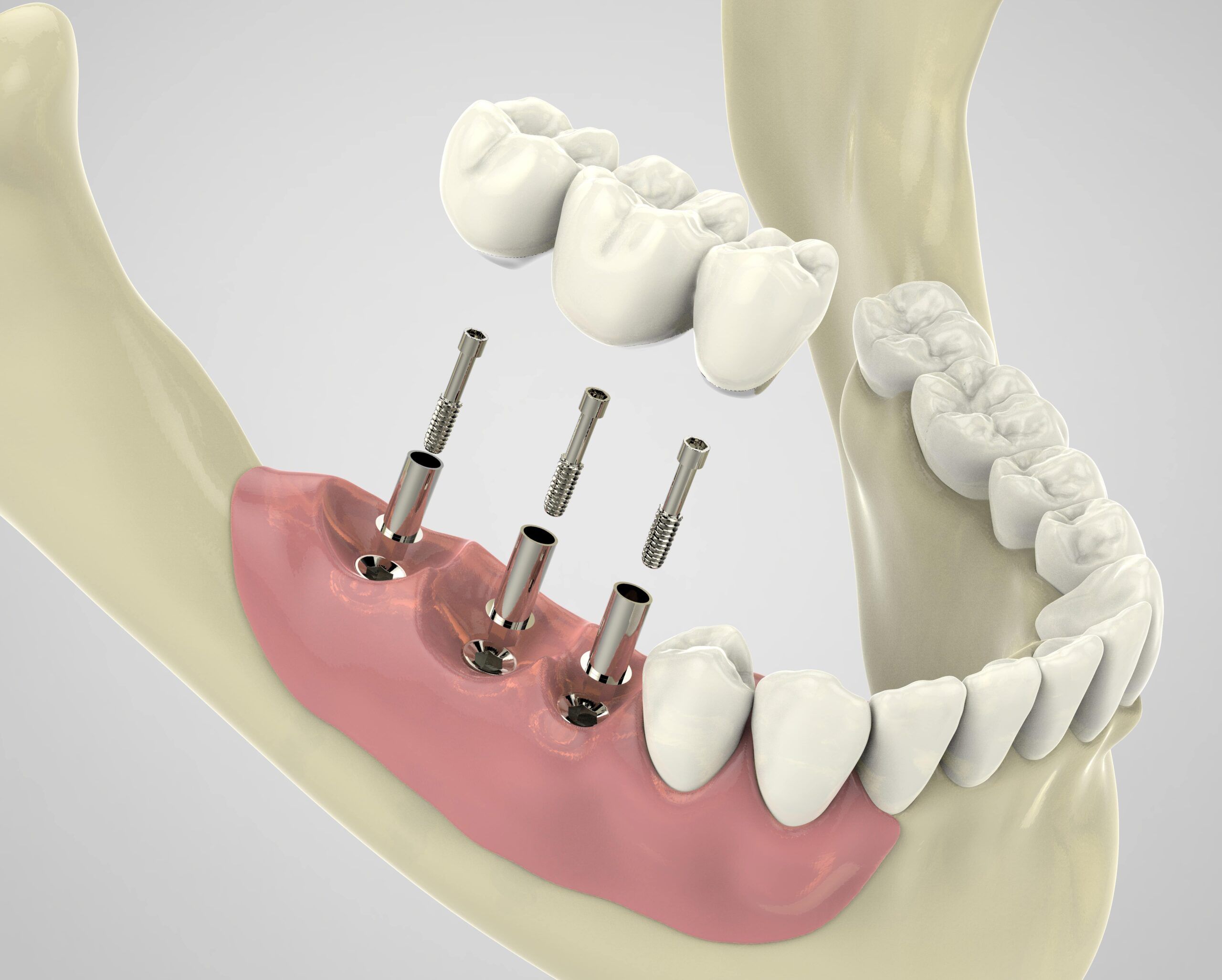
Plan to rest for the remainder of the day after your procedure, keeping your head elevated and avoiding any strenuous activity. Our overview of the dental implant procedure steps covers a related recovery timeline if you are also considering implants after extraction.
With the first day behind you, the following few days involve their own specific milestones to watch for.
Days Two Through Four: The Peak Discomfort Window
Why Swelling and Discomfort Peak Here
Swelling and bruising typically reach their maximum around day two or three, even though this can feel discouraging if you expected steady improvement each day. This is a normal part of the body’s healing response and does not indicate a problem on its own.
Managing Pain During This Window
Over-the-counter or prescribed pain medication, taken as directed, generally keeps discomfort manageable during this peak period. Sticking to a regular medication schedule rather than waiting until pain becomes severe tends to keep you more comfortable overall.
Sticking to Soft Foods
Soft foods like yogurt, mashed potatoes, and smoothies without a straw remain the safest choices during this window, since chewing near the extraction sites can disrupt healing. Our guide on what to eat after an extraction offers a full list of appropriate options as you progress through recovery.
Getting through this peak discomfort window sets you up for the next phase, where noticeable improvement typically begins.
Days Five Through Seven: Noticeable Improvement
What to Expect by the End of the First Week
Most people notice significant improvement in swelling and discomfort by day five or six, with many feeling ready to resume normal activities by the end of the first week. Some residual tenderness or mild swelling can still be present even as the majority of discomfort resolves.
Gradually Reintroducing Normal Foods
As healing progresses, you can typically start reintroducing slightly firmer foods, though it is still wise to avoid anything hard, crunchy, or sticky near the extraction sites. Chewing on the opposite side of your mouth for a bit longer helps protect the healing area.
When to Expect Stitches to Dissolve or Be Removed
If dissolvable stitches were used, they typically resolve on their own within this timeframe, while non-dissolvable stitches are removed at a follow-up visit. Your dentist will let you know which type was used and what to expect during your procedure.
By the end of the first week, most patients feel largely back to normal, though full internal healing continues well beyond this point.
Weeks Two Through Four: Deeper Healing Continues
What Is Happening Beneath the Surface
Even though surface symptoms resolve within a week or two, the bone and soft tissue inside the extraction site continue healing for several more weeks. This is normal and does not require any special care beyond continuing good oral hygiene around the area.
Returning to Full Normal Activity
Most people can resume all normal activities, including exercise and a completely regular diet, within two to three weeks after surgery. If you notice any lingering discomfort beyond this point, it is worth checking in with your dentist to rule out any complications.
Monitoring for Any Delayed Issues
Occasionally, minor complications can appear later in the healing process, which is why keeping an eye on the site even after you feel better is worthwhile. Our comprehensive guide on wisdom tooth extraction recovery covers this extended healing window in more depth.
Understanding this longer timeline helps you recognize when something feels off compared to typical healing.
Recognizing Dry Socket and Other Complications
What Dry Socket Feels Like
Dry socket occurs when the blood clot at the extraction site is dislodged or dissolves too early, exposing the underlying bone and nerve endings. This typically causes a sudden increase in pain a few days after surgery, often radiating toward the ear, along with a noticeably empty-looking socket.
Why This Requires Prompt Attention
Dry socket does not resolve on its own and generally requires a dental visit for cleaning and a medicated dressing to manage pain and support healing. Our detailed guide on dry socket symptoms and prevention explains how to reduce your risk and what to do if it develops.
Other Signs That Warrant a Call to Your Dentist
Persistent or worsening swelling after the first few days, fever, or pus around the extraction site all suggest a possible infection that needs prompt evaluation. Trust your instincts here. If something feels notably different from the expected healing pattern, it is worth a quick call rather than waiting it out.
Knowing what complications look like helps you act quickly if something does not follow the expected pattern, which brings us to practical tips for supporting smooth healing overall.
Practical Tips for Faster, Smoother Healing
Avoid Using a Straw
Suction from drinking through a straw can dislodge the healing blood clot, significantly raising your risk of dry socket. Sticking to sipping directly from a cup for at least the first week protects the extraction site during this critical window.
Keep the Area Clean Without Disrupting It
Gently rinsing with warm salt water, starting the day after surgery, helps keep the area clean without disturbing the healing clot. Avoid vigorous rinsing, spitting, or brushing directly over the extraction site during the first few days.
Avoid Smoking During Recovery
Smoking significantly increases the risk of dry socket and slows healing overall, making this one of the more important habits to pause during your recovery period. Even a short break from smoking during the first week can meaningfully reduce your complication risk.
Sleep With Your Head Elevated
Keeping your head slightly elevated for the first few nights helps reduce swelling and supports more comfortable sleep during recovery. This small adjustment can make a noticeable difference in how you feel each morning during the peak discomfort window.
With these tips in mind, it helps to understand why some people experience a smoother recovery than others in the first place.
Why Recovery Timelines Vary Between Patients
Impacted vs Non-Impacted Wisdom Teeth
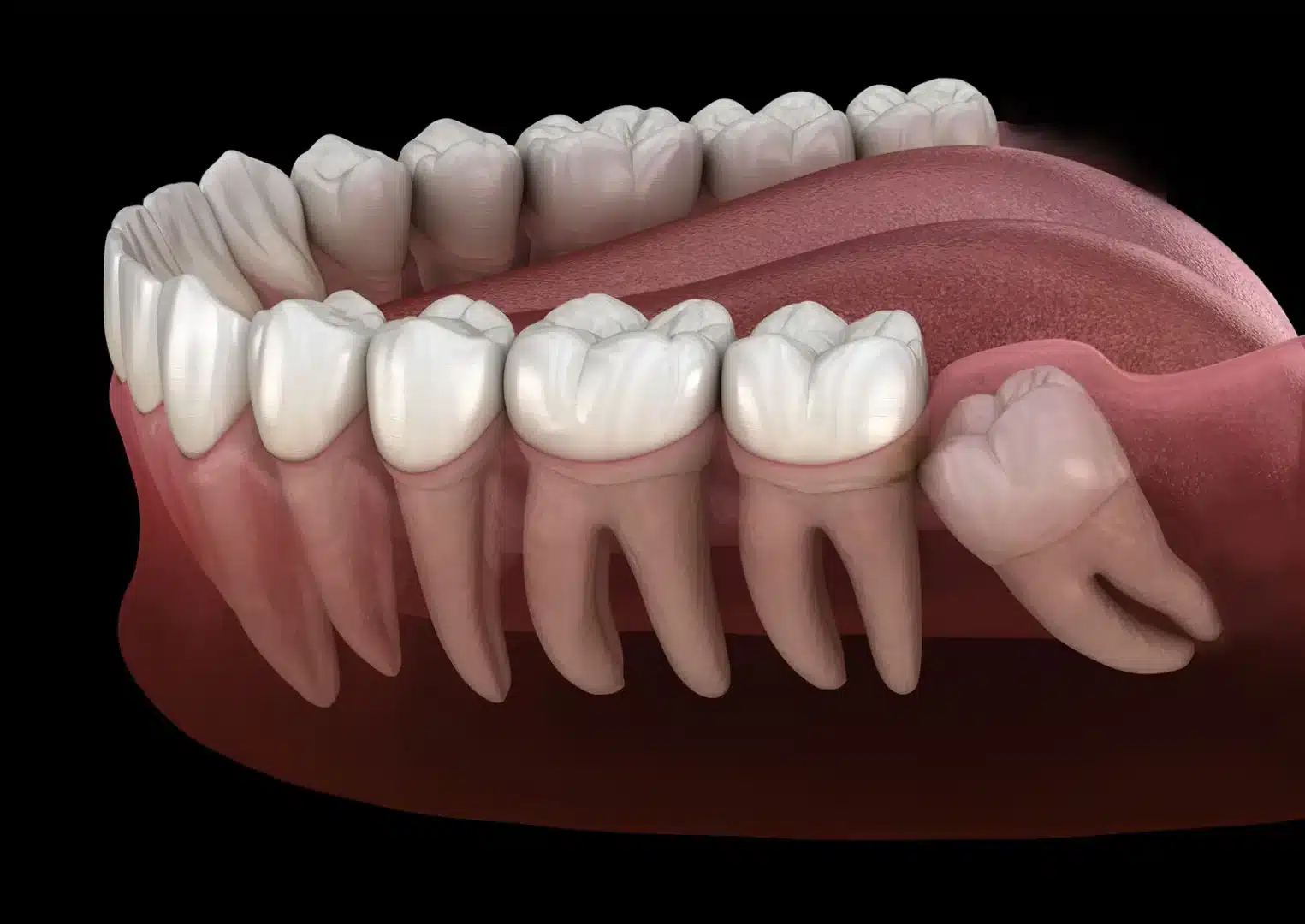
Fully erupted wisdom teeth generally involve a more straightforward extraction and faster recovery than impacted teeth still positioned beneath the gum or bone. Our guide on when wisdom teeth need removal explains how impaction affects both the procedure and the healing process.
Number of Teeth Removed at Once
Recovery from a single extraction is often quicker and more comfortable than recovery involving all four wisdom teeth removed in one visit. Your dentist will discuss the recommended approach for your specific case during your consultation.
Individual Healing Factors
Age, overall health, and how closely you follow aftercare instructions all influence how quickly you recover. Following your dentist’s specific guidance closely gives you the best chance at a smooth, uneventful healing process.
Understanding these variables helps set realistic expectations rather than comparing your recovery directly to someone else’s experience.
Preparing for a Smoother Recovery Before Surgery
Planning Time Off in Advance
Scheduling a few days off work or school, especially if all four wisdom teeth are being removed together, gives your body the rest it needs during the peak discomfort window. Arranging for a ride home after the procedure is also essential if sedation is involved.
Stocking Up on Soft Foods Beforehand
Having soft foods and clear liquids ready at home before your procedure means you will not need to make a grocery run while you are still recovering. Our guide on what to eat after an extraction is worth reviewing before your appointment so you know exactly what to have on hand.
Preparing ahead of time genuinely reduces stress during the early recovery days, letting you focus entirely on healing.
Recovering With Confidence
Wisdom tooth extraction recovery follows a fairly predictable pattern for most patients: peak discomfort in the first few days, noticeable improvement by the end of the first week, and continued internal healing for several weeks after that. Knowing what to expect at each stage helps you tell the difference between normal healing and something that needs attention.
Following aftercare instructions closely, from avoiding straws to managing swelling early on, meaningfully supports a smoother recovery. If anything feels off compared to the expected timeline, reaching out to your dentist promptly is always the right call.
If you have questions about wisdom tooth extraction or want to schedule a consultation, our team is here to guide you through the entire process from start to finish.
Frequently Asked Questions
How long does wisdom tooth extraction recovery typically take?
Most people feel significantly better within five to seven days, though full internal healing of the bone and soft tissue can continue for several additional weeks.
When can I return to work or school after wisdom tooth removal?
Many people return within two to three days for less complex cases, though those with impacted teeth or all four removed at once may need closer to a week of recovery time.
What does dry socket feel like?
Dry socket typically causes a sudden increase in pain a few days after surgery, often radiating toward the ear, along with a visibly empty-looking socket. It requires a dental visit for treatment.
Can I exercise during wisdom tooth recovery?
Light activity is usually fine after the first day or two, but strenuous exercise should wait until at least a week after surgery, since increased blood flow can disrupt healing at the extraction site.
Is it normal for swelling to get worse before it improves?
Yes, swelling commonly peaks around day two or three before gradually improving. This is a normal part of the healing process rather than a sign of a complication.
Ready to Schedule Your Consultation?
If you are dealing with wisdom tooth pain or planning ahead for extraction, book a consultation with our team and we will walk you through the entire process and recovery plan.