Getting a tooth pulled can feel like a relief once the procedure is over, but recovery is where most people run into trouble. Tooth extraction aftercare determines how quickly you heal and whether you avoid painful complications like dry socket.
At Heritage Dental Studio, patients often ask the same question right after their appointment: what should I actually be doing for the next few days? This guide breaks it down clearly, from the first hour to the final week.
Whether you had a simple extraction or a more involved tooth extraction for a wisdom tooth, the fundamentals of healing are similar. Following the right steps protects the blood clot that forms in your socket, which is the foundation of proper healing.
Why Tooth Extraction Aftercare Matters So Much
The socket left behind after an extraction needs a stable blood clot to heal properly. This clot protects the underlying bone and nerve endings while new tissue forms.
If that clot is disturbed too early, healing slows down significantly and pain often gets worse instead of better. This is the root cause of most post-extraction complications.
Good aftercare habits reduce swelling, control bleeding, and lower your risk of infection. They also shorten the overall recovery window, letting you get back to normal eating and speaking sooner.
Understanding the do’s and don’ts now sets you up to avoid a return trip to the clinic. Let’s start with what you should be doing in the first 24 hours.
The First 24 Hours After Extraction
Do: Bite Down on Gauze Firmly
Your dentist will place a gauze pad directly over the socket immediately after the procedure. Bite down on it with steady, firm pressure for 30 to 45 minutes.
This pressure helps the blood clot form and slows active bleeding. If the gauze becomes soaked through, replace it with a fresh piece rather than removing pressure entirely.
Some oozing is normal for several hours after extraction. Persistent, heavy bleeding that soaks through gauze every 10 to 15 minutes is not, and it should prompt a call to your emergency dentistry provider.
Do: Rest and Keep Your Head Elevated
Plan to take it easy for the remainder of the day. Physical exertion raises blood pressure, which can dislodge the forming clot and restart bleeding.
Keep your head propped up on pillows when lying down. Elevation reduces blood flow to the extraction site and helps control swelling overnight.
Don’t: Rinse, Spit, or Swish Aggressively
Any vigorous motion in your mouth creates suction or pressure that can pull the clot loose. This includes swishing mouthwash, spitting forcefully, or rinsing with water.
For the first 24 hours, let saliva drain naturally instead of spitting it out. If you need to clear your mouth, tilt your head and let liquid fall out passively.
Don’t: Use a Straw
Drinking through a straw creates negative pressure in your mouth that can dislodge the clot within seconds. This single habit is one of the leading causes of dry socket in the first day.
Skip straws entirely for at least a week, even for smoothies or protein shakes. Sip directly from a cup instead.
This first-day discipline sets the stage for everything that follows. Once you’re past the initial 24-hour window, your focus shifts slightly toward gentle care and pain management.
Managing Pain and Swelling Effectively
Do: Use Ice for the First Two Days
Apply an ice pack to the outside of your cheek near the extraction site for 15 to 20 minutes at a time. Cold reduces swelling and numbs surface discomfort.
Give your skin a break of equal length between applications to avoid tissue damage. This cycle works best during the first 48 hours, when swelling peaks.
Do: Switch to Warmth After 48 Hours
Once swelling has plateaued, warm compresses can help relax jaw muscles and improve circulation to the healing area. This is particularly helpful if you’re experiencing residual stiffness.
Alternate gentle warmth with rest, especially before meals when jaw movement is required.
Do: Take Pain Medication as Directed
Over-the-counter anti-inflammatories like ibuprofen are typically effective for extraction discomfort when taken on schedule rather than only when pain spikes. Follow your dentist’s specific dosing instructions.
If you were prescribed a stronger medication for a more complex extraction, take it exactly as directed and avoid combining it with alcohol.
Don’t: Skip Doses and Wait for Pain to Build
Pain control works best proactively. Waiting until discomfort is severe before taking medication makes it harder to get ahead of the inflammation.
Set a schedule for the first two days, then taper off as your body naturally needs less support.
Pain and swelling typically peak around day two or three before steadily improving. Next, let’s talk about what you should actually be eating during this window.
Eating and Drinking After a Tooth Extraction
Do: Stick to Soft, Cool Foods for the First Two Days
Yogurt, mashed potatoes, applesauce, and smoothies (eaten with a spoon, not a straw) are gentle on the extraction site. Cool temperatures can also feel soothing against tender gums.
Avoid anything that requires significant chewing near the socket during this window.
Do: Chew on the Opposite Side
If your extraction was on one side of your mouth, shift your chewing habits to the other side for the first week. This keeps pressure and food debris away from the healing socket.
Don’t: Eat Hot, Spicy, or Crunchy Foods
Hot foods can increase bleeding by dilating blood vessels near the extraction site. Spicy foods irritate exposed tissue, and crunchy foods like chips or nuts can lodge in the socket.
Hold off on these until your dentist confirms the site has closed and healed.
Don’t: Drink Alcohol or Carbonated Beverages
Alcohol interferes with blood clotting and can interact with pain medication. Carbonated drinks introduce bubbles and pressure changes in your mouth that can disturb the clot.
Stick to water, milk, and non-carbonated juices for at least the first three to four days.
What you eat directly affects how well your socket heals, but oral hygiene habits matter just as much. Here’s how to keep your mouth clean without disturbing the healing site.
Oral Hygiene During Recovery
Do: Brush Gently, Avoiding the Extraction Site
You can and should keep brushing your other teeth normally starting the day after extraction. Just avoid direct contact with the socket itself.
Use a soft-bristled toothbrush and take extra care near the surgical area.
Do: Start Gentle Salt Water Rinses After 24 Hours
Once the first day has passed, dissolve half a teaspoon of salt in warm water and rinse very gently. Let the water fall out of your mouth rather than spitting forcefully.
Salt water rinses help keep the area clean and can reduce mild inflammation. Aim for two to three times daily, especially after meals.
Don’t: Use Mouthwash Containing Alcohol
Alcohol-based mouthwash can irritate healing tissue and interfere with clot stability. Stick to plain salt water for at least the first week.
Don’t: Poke the Site With Your Tongue or Fingers
It’s natural to want to explore the socket with your tongue, but repeated poking can introduce bacteria and disrupt healing tissue. Try to leave the area alone as much as possible.
Maintaining gentle hygiene protects both the extraction site and your surrounding teeth. Now let’s look at activity restrictions that many patients overlook.
Activity Restrictions That Protect Your Healing
Do: Take at Least 24 to 48 Hours Off From Strenuous Activity
Exercise, heavy lifting, and intense physical work raise your heart rate and blood pressure, both of which can trigger bleeding at the extraction site. Give yourself real downtime.
Most patients can return to light activity within two days, but full workouts should wait longer if you had a surgical or wisdom tooth extraction.
Don’t: Smoke or Use Tobacco Products
Smoking is one of the strongest risk factors for dry socket. The suction motion of inhaling can dislodge the clot, and nicotine itself restricts blood flow needed for healing.
Avoid smoking and vaping for at least 72 hours, longer if possible, after your procedure.
Don’t: Fly or Travel to High Altitude Immediately
Pressure changes during air travel can affect healing tissue and increase discomfort. If you have travel plans, discuss timing with your dentist before scheduling your extraction.
Respecting these activity limits significantly lowers your risk of setbacks. Speaking of setbacks, it helps to know exactly what warning signs mean something has gone wrong.
Recognizing Dry Socket and Other Warning Signs
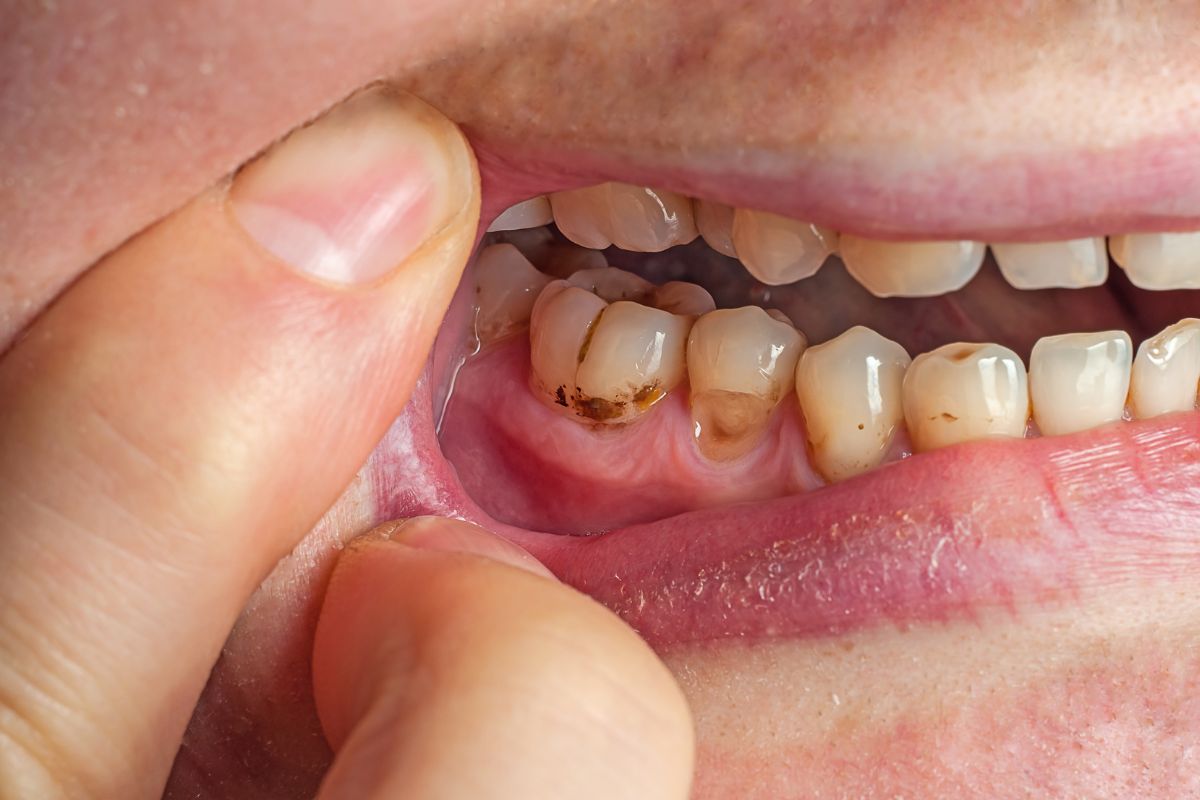
Dry socket occurs when the protective blood clot is lost before the site has healed, exposing bone and nerve tissue underneath. It typically develops two to four days after extraction.
Symptoms include a throbbing pain that radiates toward your ear, a visibly empty-looking socket, and a persistent bad taste or odor. This pain often gets worse rather than better over time, unlike normal post-extraction discomfort.
Other warning signs that warrant a call to your dentist include fever, pus or discharge from the socket, and swelling that continues to worsen after day three. These can indicate infection rather than typical healing inflammation.
If you notice any of these symptoms, don’t wait it out. Contact your emergency dentistry team promptly, since early treatment prevents the problem from escalating.
Knowing these red flags gives you confidence during recovery. Next, it helps to understand the general healing timeline so you know what to expect week by week.
What a Normal Healing Timeline Looks Like
Days 1 to 3: Initial Healing
This is when swelling and discomfort peak. The blood clot stabilizes, and you should notice gradual improvement each day rather than worsening symptoms.
Days 4 to 7: Tissue Closure Begins
Soft tissue starts closing over the socket. Most patients can slowly reintroduce semi-soft foods and feel comfortable resuming normal brushing near the area.
Weeks 2 to 3: Continued Soft Tissue Healing
The gum tissue over the extraction site continues to mature. Any residual tenderness typically fades during this period.
Months 1 to 3: Bone Remodeling
Underneath the gum surface, bone gradually fills in the socket. This process continues for several months, even after the area looks and feels fully healed on the surface.
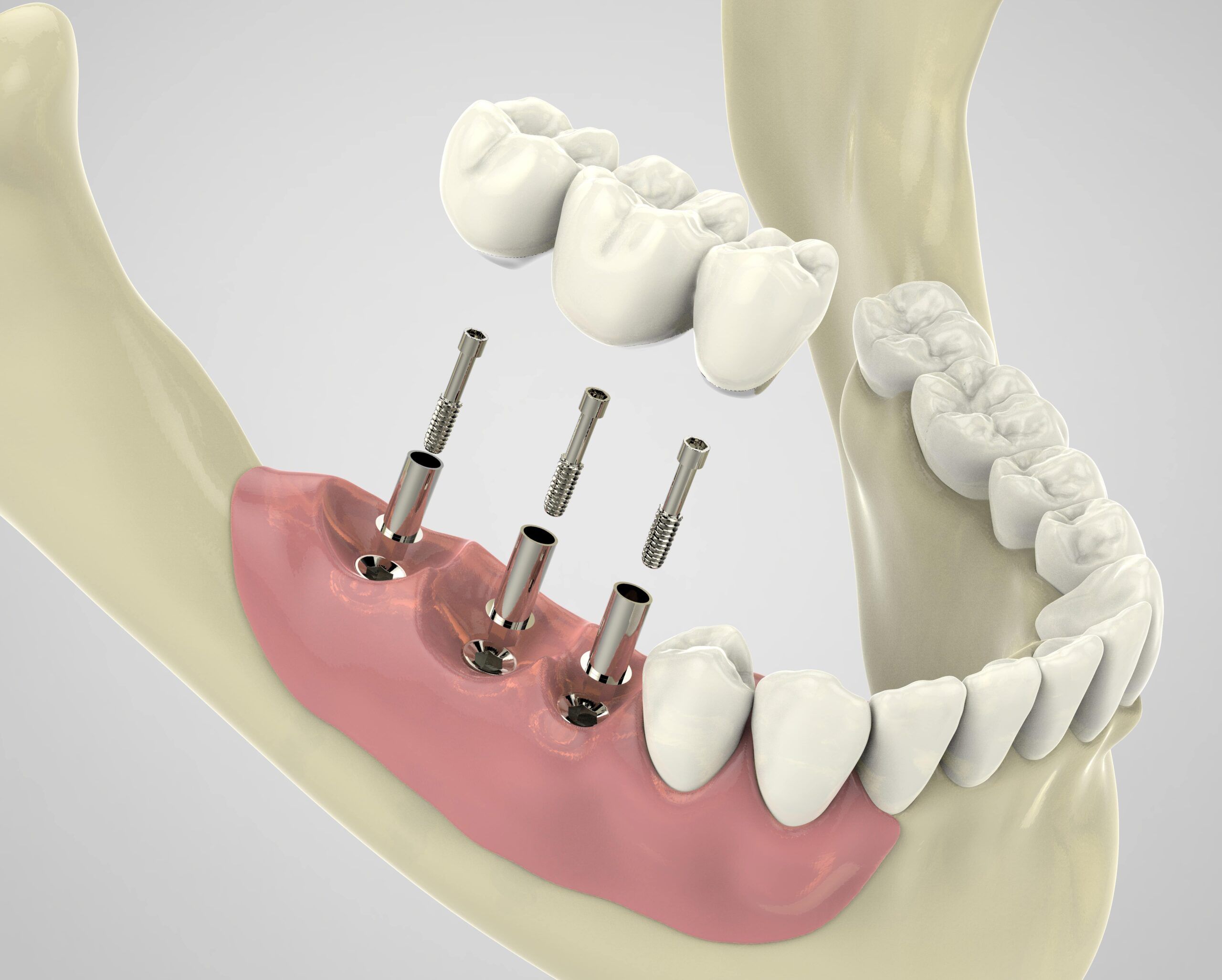
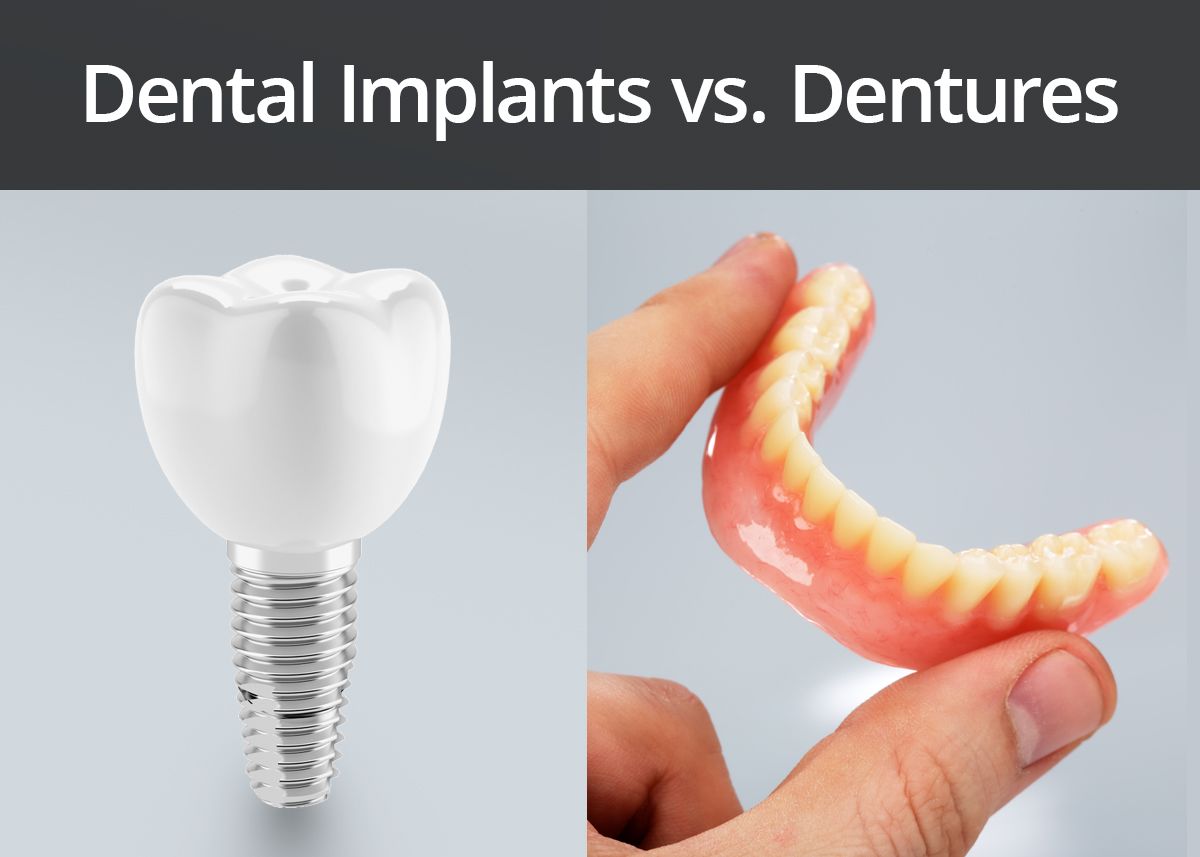
If you’re considering next steps like a dental implant, your dentist will often want this bone healing to progress before evaluating your candidacy. You can learn more about the difference between replacement options in our comparison of dental implants vs bridge.
Understanding this timeline helps you set realistic expectations rather than worrying unnecessarily about normal healing stages. Next, let’s cover a few special considerations depending on the type of extraction you had.
Special Considerations for Different Extraction Types
Simple Extractions
A simple extraction involves a visible, fully erupted tooth removed with minimal manipulation. Recovery tends to be faster, often with mild discomfort resolving within a few days.
Surgical Extractions
Surgical extractions, common for impacted wisdom teeth or teeth broken below the gumline, involve incisions and sometimes stitches. These sites need extra care and typically take longer to feel fully comfortable.
If stitches were placed, avoid disturbing them and follow any specific instructions about dissolvable versus removable sutures.
Extractions Involving Bone Grafting
In some cases, your dentist may place a bone graft at the time of extraction to preserve the socket for future implant placement. This adds a slightly different aftercare protocol, so follow the specific guidance given at your appointment.
Knowing which category your extraction falls into helps you calibrate your expectations for discomfort and healing speed. Now, let’s address a few of the most common questions patients bring up after their procedure.
When to Call Your Dentist
Most recoveries proceed smoothly with no complications. Still, it’s worth knowing exactly when a phone call is warranted rather than waiting things out.
Call your dentist if pain worsens significantly after day three instead of improving, if you develop a fever above 38°C, or if swelling continues to expand rather than plateau. These are not signs to manage at home.
Persistent numbness beyond the expected duration of local anesthetic, unusual bleeding, or a bad taste that doesn’t resolve with gentle rinsing are also reasons to reach out. Your dental team would much rather hear from you early than see a minor issue become a bigger one.
Staying alert to these signals, without becoming overly anxious about normal healing sensations, is the balance most patients strike successfully. With the right aftercare routine in place, most extractions heal without incident.
Final Thoughts on Recovering Well
Tooth extraction aftercare isn’t complicated, but it does require consistency for the first several days. Protecting the blood clot, eating the right foods, and avoiding smoking or straws are the habits that matter most.
Pay attention to your body’s signals, follow the specific instructions given at your appointment, and don’t hesitate to reach out if something feels off. A smooth recovery is well within reach when you follow these guidelines closely, and you’ll be back to your normal routine before you know it.
FAQ
How long does it take for a tooth extraction socket to fully close?
Soft tissue typically closes over the socket within one to two weeks, while deeper bone healing continues for several months. Most discomfort resolves well before full bone remodeling completes.
Can I brush my teeth the day after an extraction?
Yes, you can brush your other teeth normally the day after extraction. Just avoid direct contact with the extraction site and use a soft-bristled brush.
What foods should I avoid the longest after an extraction?
Crunchy, hard, and very chewy foods like nuts, chips, and tough meats should be avoided until your dentist confirms the socket has fully healed, typically at least one to two weeks.
Is some bleeding normal a day after extraction?
Light oozing or pink-tinged saliva can be normal up to 24 hours after extraction. Heavy, active bleeding beyond that point should be reported to your dentist promptly.
When can I return to exercise after a tooth extraction?
Most patients can resume light activity after 48 hours, while strenuous exercise should wait several more days depending on the complexity of the extraction.
Ready for a Comfortable Recovery?
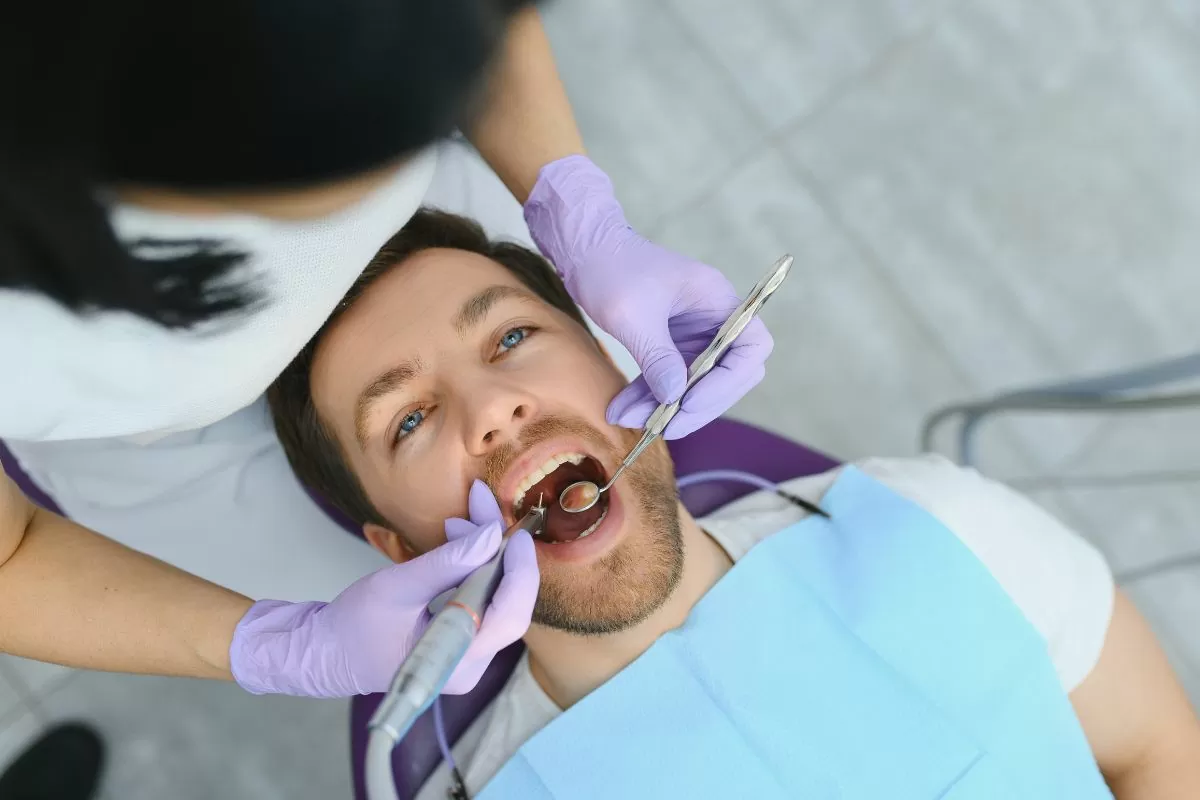
If you’re preparing for an extraction or experiencing unusual symptoms during recovery, the team at Heritage Dental Studio is here to guide you through every step. Book a consultation to get personalized aftercare instructions tailored to your procedure.