
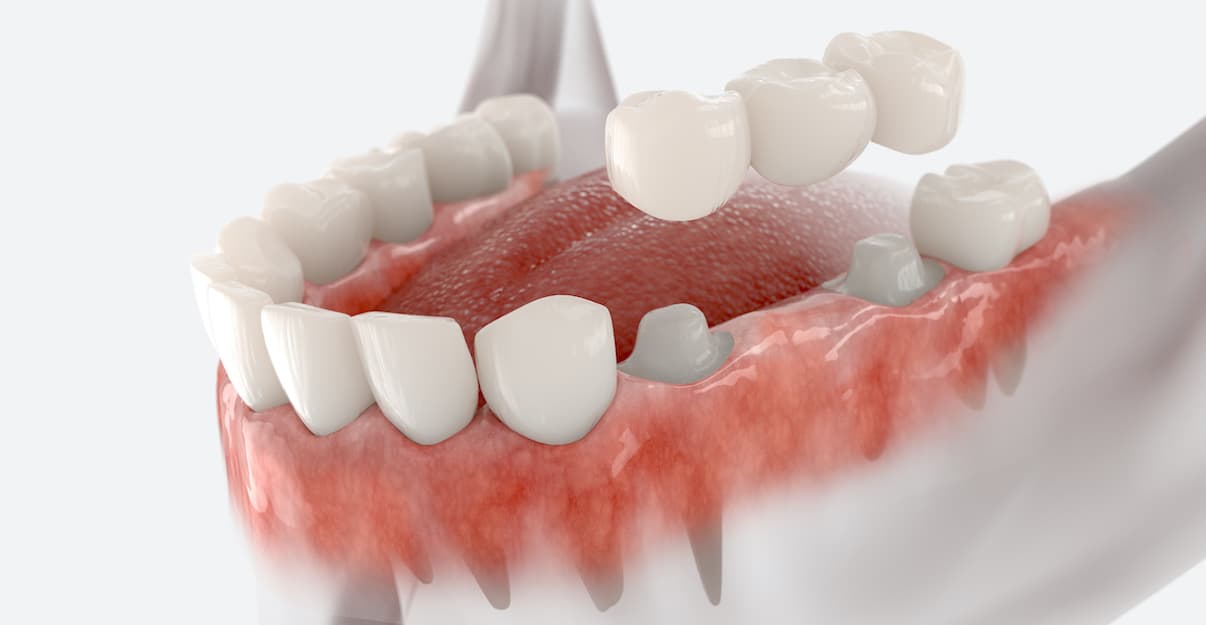
If you have just been told you need a crown, one question probably comes to mind before any other. How long do dental crowns last, and is the cost actually worth it over time? The honest answer is that it depends on the material, your bite, and how you care for it afterward.
Most patients can expect a well placed crown to serve them for many years, sometimes decades, when the fundamentals are right. This guide breaks down real survival data, material differences, and the daily habits that decide whether your crown reaches its full potential.
Average Lifespan of a Dental Crown
Clinical data gives a fairly consistent picture across studies. Crowns typically last between five and 15 years with proper care, according to the Cleveland Clinic. That range holds up across most published research, though the upper end climbs significantly with certain materials and habits.
A retrospective study following 232 porcelain fused to metal crowns and 64 metal crowns placed between 2014 and 2018 found a five year cumulative survival rate of 83.9 percent, published in the journal Dentistry Journal. That number reflects real world conditions, not a laboratory best case scenario.
Longer term tracking paints an even more encouraging picture for patients who stay consistent with care. A landmark study following restorations for up to 50 years found that crown and veneer survival remained high over five decades in a practice with annual follow up visits and good oral hygiene, as reported on PubMed.
That is a wide gap between five years and fifty. It tells you something important before we go further.
Longevity is not fixed by the crown alone. It is shaped by three things working together: the material chosen, the skill of the placement, and what you do every day afterward. Understanding each of those factors is the next step toward getting the most from your investment.
Why the Range Is So Wide
Ten years is a common benchmark you will hear from dentists, but plenty of crowns fail earlier and plenty last well beyond it. That gap exists for practical reasons rooted in biology and mechanics.
Location in the Mouth Matters
A crown on a molar absorbs far more chewing force than one on a front tooth. Back teeth handle grinding, crushing, and repetitive pressure with every meal.
Front teeth mostly deal with biting and speaking loads, which are gentler by comparison. This is one reason molar crowns sometimes show wear sooner than crowns placed for cosmetic reasons on visible teeth.
The Underlying Tooth Still Matters
A crown protects the tooth structure beneath it, but it does not make that tooth immune to decay or gum disease. Plaque still builds along the crown margin exactly as it would on natural enamel.
If bacteria work their way under the edge of the crown, the tooth underneath can develop new decay. At that point, the crown may need to come off even though the crown material itself is intact.
Your Bite and Habits Play a Bigger Role Than You Might Think
Grinding, clenching, chewing ice, and using teeth as tools all place abnormal stress on a crown. Over months and years, that stress adds up in ways daily brushing cannot offset.
These pressures explain why two patients with identical crowns can have very different outcomes. The material you choose from the start also shapes how much wear and tear your crown can absorb before problems appear.
How Crown Material Affects Lifespan
Material choice is one of the biggest levers you have control over before treatment even begins. Each option balances strength, appearance, and cost differently.
Porcelain Fused to Metal Crowns
Porcelain fused to metal crowns average 10 to 15 years in most clinical reporting, combining a metal substructure with a porcelain outer layer for a natural look. The metal core adds strength while the porcelain handles aesthetics.
The trade off is that the porcelain layer can chip under heavy force, exposing the metal beneath at the edges over time. This is still one of the most widely used crown types because it balances durability and appearance reasonably well.
All Ceramic and Zirconia Crowns
All ceramic and zirconia crowns typically last 10 to 12 years with proper care, though many sources report considerably longer results with zirconia specifically. Zirconia in particular has become popular for its combination of strength and a natural tooth like appearance.
Some clinicians report zirconia crowns performing well past 15 years when placement and bite alignment are done carefully. If you want to understand how these materials compare on strength, fit, and cost, our guide on the different types of dental crowns breaks down porcelain, zirconia, and metal options side by side.
Gold and Metal Alloy Crowns
Metal crowns remain the gold standard, quite literally, for pure longevity. Gold and metal crowns often exceed 15 years and can reach 15 to 30 or more years with exceptional fracture resistance.
Most patients today choose against metal for front teeth because of the visible color, reserving it for back molars where appearance matters less. If durability is your top priority and the tooth is not highly visible, this remains a genuinely strong option worth discussing with your dentist.
Composite Resin Crowns
On the more budget conscious end, composite resin crowns typically last five to eight years, making them a reasonable short term or transitional option rather than a long term solution. These tend to suit temporary situations or specific budget constraints rather than being a first choice for lasting results.
Choosing the right material is only half the equation. What happens in the years after placement determines whether your crown reaches the top or bottom of its expected range.
What the Research Says About Survival Rates
Numbers help put expectations into context, especially when a crown represents a meaningful financial and time investment. Several peer reviewed studies give a clearer statistical picture than marketing claims alone.
Survival data generally clusters around a consistent pattern. Most crowns hold up well in the first five years, then survival rates decline gradually as decades pass and materials fatigue.
One widely cited review found that about 90 percent of crowns remain in good condition after five years, dropping to roughly 80 to 85 percent at ten years, and around 70 percent still functional by 15 years. These figures are consistent with the broader body of dental literature.
Even longer follow up research supports the idea that crowns can genuinely last a lifetime under ideal conditions. A 50 year study tracking restorations placed by a single dentist found remarkably high survival, with some crown types showing complete survival at the half century mark when patients maintained excellent hygiene and annual checkups.
That last point deserves emphasis. Annual follow up care appeared consistently in the studies with the best long term outcomes, not as a coincidence but as a contributing factor.
These numbers are population averages, not guarantees for any individual case. Your own results depend heavily on the choices covered in the next section.
Signs Your Crown May Be Failing
Recognizing early warning signs can mean the difference between a simple repair and a more involved replacement. Most crown problems develop gradually rather than all at once.
Sensitivity or Discomfort
New sensitivity to hot or cold around a crowned tooth often signals that the seal has weakened somewhere along the margin. This allows temperature and bacteria to reach the nerve more easily than before.
Pain when biting down can indicate the crown has shifted slightly or that decay has developed underneath it. Either way, this symptom warrants a dental visit rather than waiting it out.
Visible Damage or Wear
Chips, cracks, or rough edges you can feel with your tongue are straightforward signs that the crown has been compromised structurally. Even small chips can widen into bigger fractures if left unaddressed.
A crown that looks noticeably different in color or shine compared to when it was placed may be showing surface wear from years of use. This is more cosmetic than urgent but still worth mentioning at your next cleaning.
Looseness or Movement
A crown that feels like it shifts slightly when you chew is a clear signal that the cement bond has partially failed. This should be treated promptly, since a loose crown allows bacteria direct access to the tooth underneath.
Gum Changes Near the Crown
Persistent redness, swelling, or bleeding around a crowned tooth can point to gum irritation from an ill fitting margin or trapped plaque. This is worth raising during a routine dental cleaning appointment so your hygienist can check the area closely.
Catching these signs early almost always leads to a simpler, less expensive fix than waiting until the problem worsens. That brings us to the practical steps you can take starting today.
How to Extend the Life of Your Dental Crown
The good news is that most of the factors influencing crown longevity are within your control. Small, consistent habits make a measurable difference over years of use.
Keep Up With Oral Hygiene Around the Margin
Brush twice daily, paying particular attention to the line where the crown meets your natural gum tissue. This is where plaque tends to accumulate first and where decay is most likely to start.
Flossing daily around a crowned tooth matters just as much as it does for natural teeth. If you find flossing around crowns tricky, ask your hygienist to demonstrate the right technique at your next visit.
Protect Against Grinding and Clenching
If you or a partner have noticed grinding sounds at night, or you wake up with jaw soreness, a custom night guard can meaningfully extend crown life. This single habit change is one of the most effective protective steps available.
Our team at Heritage Dental Studio can evaluate whether TMJ treatment or a nightguard fits your specific bite pattern during a routine visit.
Avoid Habits That Overstress Crowns
Chewing ice, biting fingernails, opening packages with your teeth, and eating extremely hard or sticky foods all place unnecessary strain on crown materials. These habits are common culprits behind premature chips and fractures.
Even strong materials like zirconia and metal have limits. Treating your crown gently in daily life pays off over the years far more than most people expect.
Attend Regular Checkups
Routine preventive dental checkups allow your dentist to catch small issues, like a slightly loose margin or early decay, before they become expensive problems. Many of the longest surviving crowns in clinical studies belonged to patients with consistent annual follow up.
These visits are also an opportunity for your dentist to check bite alignment, since an uneven bite can place excess force on one crown over time. Together, these habits form a simple but effective maintenance routine.
When It Is Time to Replace a Crown
Even with excellent care, no crown lasts forever. Understanding when replacement becomes necessary helps you plan ahead rather than face a surprise dental emergency.
Structural Failure
Cracks that extend through the crown material or repeated chipping despite repairs usually signal that replacement is the more sensible long term option. Patching a structurally compromised crown repeatedly tends to cost more over time than a single replacement.
Decay Beneath the Crown
If new decay develops under a crown, the crown typically needs to be removed to treat the underlying tooth properly. Depending on how much healthy tooth structure remains, your dentist may recommend a new crown, or in more advanced cases, discuss whether tooth extraction and replacement options are more appropriate.
Gum Recession Exposing the Margin
Over years, gum tissue can recede slightly, exposing the edge of the crown or the natural tooth root beneath it. This creates both a cosmetic concern and a functional one, since exposed margins are more prone to decay and sensitivity.
Cosmetic Changes Over Time
A crown placed decades ago may no longer match the shade of your natural teeth, particularly if you have had teeth whitening done since. While this is not a functional failure, many patients choose replacement for aesthetic consistency.
If your crown was placed following a root canal and you are now noticing changes, our article on how long crowns last after a root canal covers considerations specific to that situation. Recognizing these replacement triggers early keeps you from waiting until a crown fails unexpectedly.
Cost Considerations and Insurance Timing
Understanding when insurance will actually cover a crown replacement can shape both timing and budgeting decisions. Many dental insurance plans base coverage decisions directly on how long the existing crown has been in place.
Many dental insurance plans stipulate that they will only pay for replacements after the previous crown has been in place for five years, according to research compiled by Animated Teeth. This policy reflects the general clinical expectation that a well made crown should reasonably last at least that long.
If you are in Toronto and covered under the Canadian Dental Care Plan, understanding what CDCP covers for restorative work can help you plan replacement timing around your benefit cycle. For patients without insurance or exploring provincial support programs, reviewing pricing and fees ahead of your appointment helps avoid surprises.
Planning replacement around both clinical need and insurance timing, where possible, is a practical way to manage costs without compromising on care. With costs and timing in mind, the next question most patients have is how crowns compare to newer alternatives.
Crowns Compared to Other Restoration Options
Crowns are not the only restorative option available, and understanding the alternatives helps confirm whether a crown is genuinely the right fit. Your dentist will typically weigh a few factors before recommending one path over another.
For teeth with more moderate damage, a filling may be sufficient without the need for full coverage. Our comparison of dental crowns versus fillings explains where the line falls between the two treatments.
For teeth that are missing entirely, a bridge supported by adjacent crowns is one option, while a single tooth implant is another. If you are weighing tooth replacement options more broadly, our guide comparing dental implants versus a bridge walks through the differences in longevity, cost, and long term maintenance.
Same day crown technology has also changed how quickly patients can get a permanent restoration. Learn more about how CEREC same day crowns compare to traditional lab made crowns in terms of fit and durability. With these alternatives in mind, you are better positioned to have an informed conversation with your dentist about which restoration truly fits your situation.
What to Expect at Heritage Dental Studio
At Heritage Dental Studio in downtown Toronto, our team places crowns using materials selected specifically for each patient’s bite, aesthetic goals, and budget. We walk through the full range of options, from porcelain fused to metal to premium zirconia, so you understand exactly what you are choosing and why.
Regular follow up care is built into how we approach restorative dentistry, since the research consistently shows that ongoing checkups correlate with longer crown survival. Our team, led by Dr. Roz Kamran, takes time to explain maintenance expectations clearly so you leave every appointment knowing how to protect your investment.
If you already have a crown and are noticing sensitivity, looseness, or visible wear, do not wait for the problem to worsen. Prompt evaluation almost always leads to a simpler and less costly fix than delaying treatment.
Conclusion
So, how long do dental crowns last? For most patients, the realistic answer sits between 10 and 15 years, with many well maintained crowns reaching 20 years or longer depending on material and daily habits. The material you choose, how carefully your crown is placed, and the consistency of your oral care afterward all shape where your own results land within that range.
Treat your crown as a long term investment rather than a one time fix, and it will typically reward that attention with many years of reliable function. If it has been a while since your crown was checked, scheduling a visit today is the simplest step toward making sure it lasts as long as it possibly can.
FAQ
Do all dental crowns eventually need replacement?
Most crowns will need replacement at some point, though timing varies widely by material and care. Some patients keep the same crown for decades, while others replace one sooner due to decay or damage.
Does the tooth under a crown still get cavities?
Yes, the natural tooth structure beneath a crown can still decay, particularly along the margin where the crown meets the gum line. Regular flossing and checkups help catch this early.
Is zirconia or porcelain fused to metal better for longevity?
Zirconia generally offers stronger fracture resistance and can outlast porcelain fused to metal crowns in many cases. Your dentist can recommend the best fit based on tooth location and bite force.
Can a crown fail even if it looks fine?
Yes, decay or gum changes can develop underneath a crown without obvious external signs. This is why routine dental checkups remain important even when a crown appears healthy.
Will my insurance cover a crown replacement?
Many insurance plans only cover replacement after the existing crown has been in place for a minimum number of years, often five. Check your specific plan or CDCP coverage details before scheduling.
How much does a replacement crown typically cost in Toronto?
Costs vary based on material and case complexity. Reviewing current pricing and fees can help you budget accurately before your appointment.
Ready to Protect Your Smile?
If your crown is showing signs of wear, or it has simply been a while since your last checkup, book an appointment with Heritage Dental Studio in downtown Toronto today. Our team will assess your restoration, answer your questions honestly, and help you plan the right next step for your long term oral health


