Traditionally, getting a crown meant two appointments, a temporary crown in between, and a two-week wait for a dental lab to finish your permanent restoration. Same-day crown technology has changed that timeline dramatically for many patients.
At Heritage Dental Studio, we know that waiting weeks with a temporary crown is not always convenient, and same-day technology has become a genuine option for the right cases.
This guide explains how CEREC and similar same-day crown systems actually work, who is a good candidate, and what tradeoffs are worth understanding before you request this option.
What Is CEREC Technology?
CEREC stands for Chairside Economical Restoration of Esthetic Ceramics, a system that combines digital scanning, computer-aided design, and in-office milling to produce a finished crown in a single visit.
Rather than sending a physical impression to an outside dental lab, the dentist captures a digital scan of your prepared tooth, designs the crown on a computer, and mills it from a solid ceramic block right in the clinic.
This technology has been refined over more than three decades and is now used widely across North America, giving patients a faster alternative to the traditional two-appointment crown process. Once you understand the basic concept, it helps to walk through exactly what a same-day appointment looks like from start to finish.
What to Expect During a Same-Day Crown Appointment
Step One: Preparation
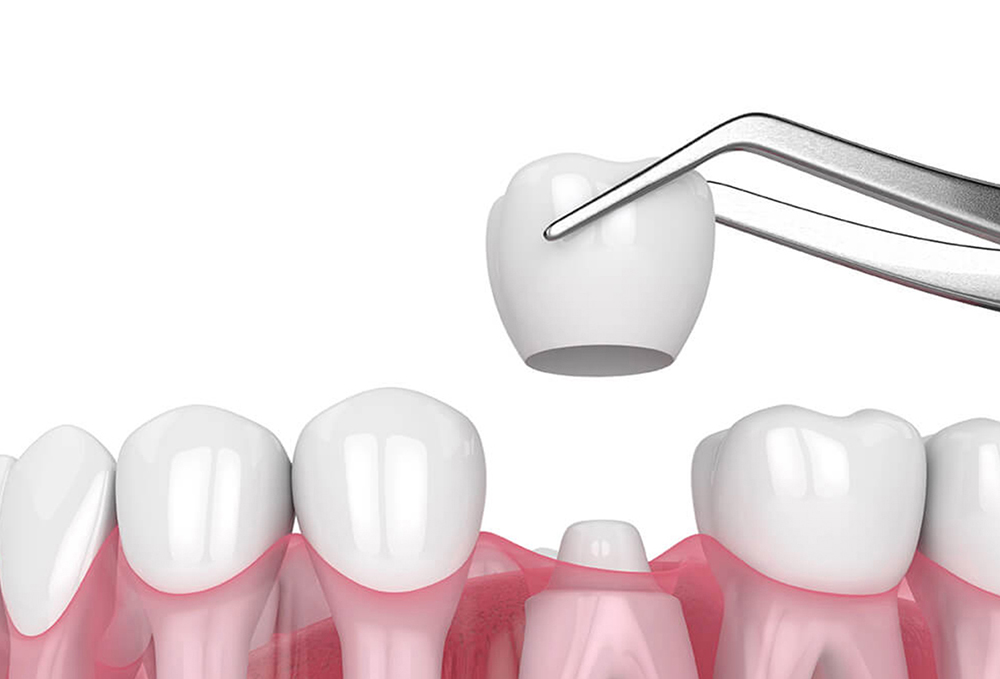
Your dentist numbs the tooth and removes any decay or damaged structure, shaping the remaining tooth to receive the crown, just as with a traditional crown procedure.
Step Two: Digital Scanning
Instead of a traditional impression using a mold and putty-like material, a small wand-shaped scanner captures a precise 3D digital image of your tooth and the surrounding teeth. Many patients find this step more comfortable than a traditional impression.
Step Three: Digital Design
Using specialized software, your dentist designs the crown directly on screen, matching the shape and contours to fit your bite precisely and blend with your neighboring teeth.
Step Four: In-Office Milling
The design is sent to an in-office milling unit, which carves the crown from a solid block of ceramic material. This process typically takes fifteen to twenty minutes depending on the complexity of the restoration.
Step Five: Fitting and Bonding
Once milled, your dentist checks the fit, makes any necessary adjustments, and bonds the finished crown into place, all within the same appointment.
The entire process, from numbing to a finished crown, typically takes around two hours, compared to the two separate appointments and multi-week wait of a traditional lab-fabricated crown.
Who Is a Good Candidate for a Same-Day Crown?
Patients With a Single Damaged Tooth
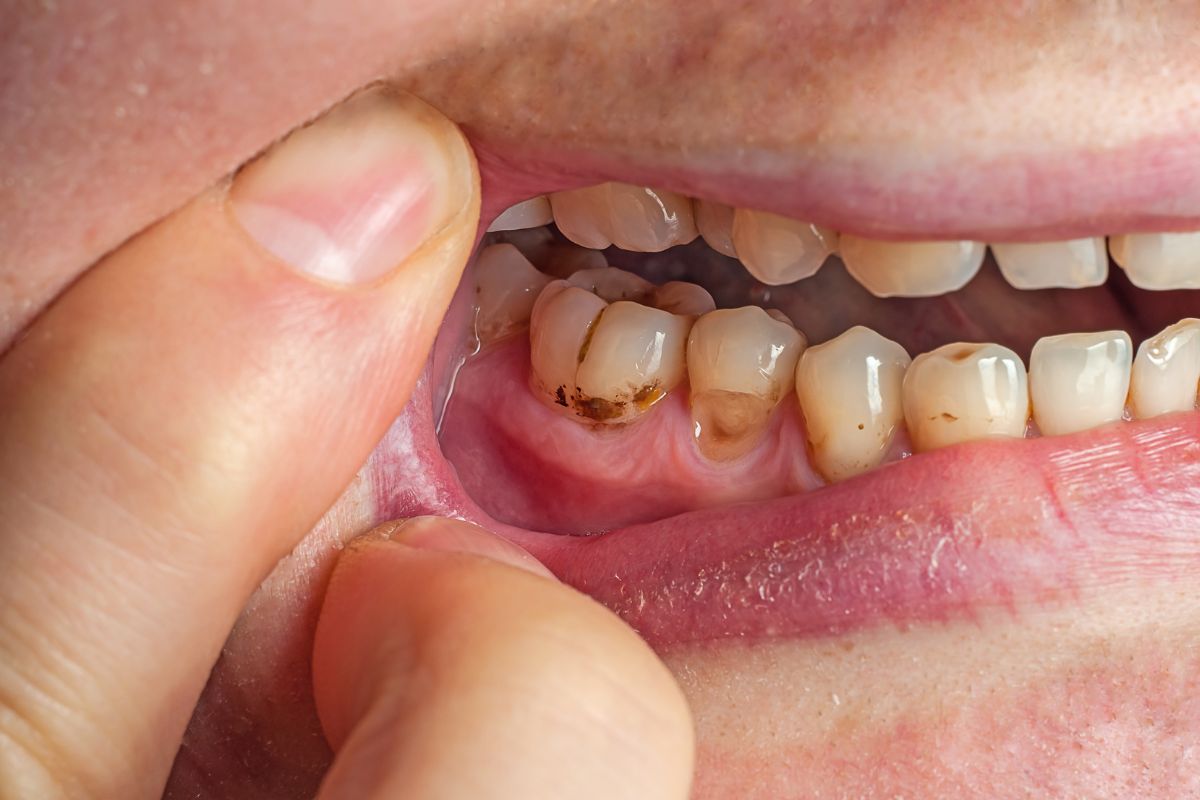
Same-day technology works particularly well for straightforward single-tooth restorations, whether repairing a large cavity, a cracked tooth, or a tooth that has undergone a root canal.
Patients With Limited Time
If scheduling multiple appointments is difficult, same-day crowns eliminate the need for a temporary crown and a follow-up visit weeks later.
Patients Who Dislike Traditional Impressions
The digital scanning process avoids the tray of putty-like material some patients find uncomfortable or triggers a gag reflex with traditional impressions.
Not every situation is ideal for same-day technology, though, and it is worth understanding when a traditional lab-made crown might still be the better recommendation.
When a Traditional Lab Crown May Still Be Preferred
Complex Cosmetic Cases
For crowns on highly visible front teeth where subtle shading and translucency matter enormously, some dentists prefer working with a dental lab and ceramist who can hand-layer porcelain for the most natural possible result.
Multiple Adjacent Crowns
When several crowns are needed side by side, or when a crown needs to be closely coordinated with a bridge, a lab-based approach sometimes offers more flexibility for complex case planning.
Certain Bite Complications
Patients with significant bite irregularities may benefit from the additional adjustment period a traditional crown’s temporary phase provides, allowing the dentist to fine-tune the fit before the final crown is permanently placed.
Your dentist will assess your specific tooth and discuss which approach fits your situation best during your consultation. Understanding both pathways in advance makes that conversation easier to follow.
Comparing Same-Day Crowns to Traditional Crowns
Timeline
Same-day crowns are completed in a single appointment, while traditional crowns require two visits spaced roughly one to two weeks apart to allow time for lab fabrication.
Material
Same-day crowns are milled from a solid block of ceramic, typically lithium disilicate or a similar material, while traditional lab crowns can be fabricated from a wider range of materials, including layered porcelain, zirconia, or porcelain-fused-to-metal.
Temporary Crown
Same-day technology eliminates the need for a temporary crown entirely, along with the small risk of a temporary coming loose or causing sensitivity in between visits.
Precision
Both approaches offer high precision today, though some dentists feel that highly complex cosmetic cases still benefit from a skilled ceramist’s hand-finishing work available through a traditional lab process.
Durability: Do Same-Day Crowns Last as Long?
Same-day ceramic crowns are made from strong, well-tested materials designed to withstand normal chewing forces, and clinical experience over the past several decades has shown them to perform comparably to traditional lab crowns for most patients.
As with any crown, longevity depends heavily on factors like your oral hygiene, whether you grind your teeth, and how consistently you attend routine checkups. Our guide on how long crowns typically last covers these variables in more depth regardless of which fabrication method is used.
Because same-day crowns are milled from a single solid block rather than layered by hand, they tend to be highly resistant to chipping, which is one of their notable strengths for back teeth under heavy bite force.
Cost Considerations for Same-Day Crowns
Same-day crowns are generally priced similarly to traditional lab-fabricated crowns, since the fee reflects the overall procedure and materials rather than simply the number of appointments involved.
Some patients find the convenience of avoiding a second appointment offsets any minor cost difference, particularly when factoring in time off work or additional travel for a second visit.
For patients using insurance or the Canadian Dental Care Plan, coverage for a same-day crown is generally treated the same as a traditional crown, though it is worth confirming with your specific provider. Our page on what the CDCP covers explains how major restorative work like crowns is generally categorized under the plan.
What Happens After Your Same-Day Crown Is Placed
Because the crown is permanently bonded during the same visit, you can typically eat once the numbness from the local anesthetic wears off, without the interim period of eating carefully around a temporary crown.
Some mild sensitivity to hot or cold in the days following placement is normal and typically resolves on its own as the tooth settles.
Continuing your normal oral hygiene routine, including brushing and flossing around the crown’s margins, helps protect the surrounding tooth structure and gum tissue over the long term.
Common Questions About the Milling Process
Patients are often curious about the sound and sensation of the milling unit, even though they are not in the room while it operates. The milling machine works in a separate area of the office, carving the ceramic block using diamond-coated tools guided by the digital design.
The process is fully automated once the design is finalized, and your dentist reviews the milled crown for fit and shade accuracy before bonding it into your mouth.
This behind-the-scenes automation is part of what allows the entire visit, from numbing to a finished, permanently bonded crown, to be completed in roughly two hours for most straightforward cases.
How This Technology Fits Into Modern Restorative Dentistry
Same-day crown technology reflects a broader shift toward digital workflows in dentistry, alongside tools like digital X-rays that improve diagnostic accuracy and treatment planning.
These digital tools work together to give your dentist a more complete, precise picture of your tooth before, during, and after treatment, which supports better long-term outcomes across many types of restorative work.
As this technology continues to improve, more patients are able to access same-day solutions for situations that once required weeks of waiting between appointments.
The History and Evolution of Chairside Milling
CEREC technology was first introduced in the mid-1980s, making it one of the longer-standing digital innovations in modern dentistry rather than a recent trend.
Early versions of the system produced serviceable but somewhat limited restorations, with less refined scanning accuracy and a narrower range of ceramic materials available for milling.
Over the following decades, scanning wands became smaller and far more precise, design software gained the ability to model more natural anatomical detail, and milling units grew faster while producing smoother, more accurate results.
Today’s systems can capture a scan in a matter of minutes and mill a finished crown to a precision measured in microns, a dramatic improvement over the technology’s earlier iterations.
This evolution is part of why same-day crowns have moved from a niche offering to a mainstream option available in dental practices across Toronto and throughout North America.
What Materials Are Used for Milled Crowns
Lithium Disilicate
This glass-ceramic material is one of the most commonly used options for same-day crowns, valued for its strength, natural translucency, and ability to bond securely to the tooth.
Zirconia
Increasingly used in milling systems, zirconia offers exceptional strength, making it a strong choice for molars that endure heavy chewing forces throughout the day.
Feldspathic Ceramic
Known for excellent aesthetic properties, this material is sometimes chosen for front teeth where a highly natural, translucent appearance is the top priority.
Your dentist selects the material based on the tooth’s location, the forces it will experience, and your cosmetic priorities, similar to how material selection works for traditional lab-made crowns.
Comparing the Patient Experience: Same-Day vs Traditional
Number of Appointments
A same-day crown requires just one visit, while a traditional crown typically requires two visits spaced one to two weeks apart, with a temporary crown worn in between.
Time in the Chair
A same-day appointment runs longer in a single sitting, often close to two hours, while each traditional crown appointment is typically shorter individually but adds up across two separate visits.
Numbing and Comfort
Both approaches use the same local anesthetic for the tooth preparation step, so the level of discomfort during treatment is comparable between the two methods.
Living With a Temporary
Patients choosing a traditional crown need to be mindful of what they eat and how they clean around the temporary crown for one to two weeks, avoiding very sticky or hard foods that could dislodge it. Same-day crown patients skip this step entirely.
Final Fit Adjustments
Traditional crowns allow the dentist to observe how a temporary restoration functions in daily use before finalizing the permanent crown, which can be valuable for complex bite situations. Same-day crowns rely on the digital design and immediate chairside adjustment instead.
Is Same-Day Crown Technology Right for a Front Tooth?
Same-day crowns are used successfully on front teeth for many patients, particularly when the milling system offers a range of shading options and the ceramic material has good translucency properties.
For particularly demanding cosmetic cases, such as matching a crown to a very specific and unique natural tooth shade, some dentists still recommend a traditional lab crown, since a skilled ceramist can hand-layer subtle color variations that fully automated milling cannot yet replicate as precisely.
This is a conversation worth having directly with your dentist if your crown will be highly visible, since the right choice depends on the complexity of your specific cosmetic goals. Our overview of what a smile makeover involves is a useful read if your crown is part of a broader cosmetic treatment plan.
Addressing Common Patient Concerns
“Will the milling process take a long time?”
The physical milling of the crown itself typically takes fifteen to twenty minutes, during which you can relax in the waiting area while the unit completes the process.
“What if I need adjustments after the crown is bonded?”
Minor bite adjustments can typically be made chairside after bonding using a small polishing tool, without needing to remove or remill the crown in most cases.
“Is this a newer, less-tested technology?”
While it may feel like new technology to many patients, chairside milling systems have been used clinically for decades and are backed by a substantial body of long-term outcome data.
“Does my dentist need special training?”
Yes, dentists offering same-day crown technology have undergone specific training on the scanning, design, and milling workflow to ensure a precise, well-fitting final restoration.
Frequently Asked Questions
Does a same-day crown look as natural as a traditional crown?
Modern milling systems and ceramic materials produce highly natural-looking results for most patients, though highly complex cosmetic cases on very visible front teeth may still benefit from a hand-layered lab crown in some situations.
Is the same-day crown procedure more painful?
No, the procedure uses the same local anesthetic as a traditional crown, and most patients report a similar level of comfort throughout the appointment.
Can same-day crowns be used for molars?
Yes, same-day crowns are commonly used for molars and are particularly well suited to back teeth, since the milled ceramic material offers strong resistance to chipping under heavy bite force.
What if the same-day crown doesn’t fit perfectly on the first try?
Your dentist checks the fit carefully before bonding and can make chairside adjustments or remill the crown if needed, all within the same appointment.
How soon can I eat normally after getting a same-day crown?
Once the local anesthetic wears off, typically within a few hours, you can eat normally, though it is wise to avoid very hard or sticky foods for the first day while the bonding fully sets.
How Same-Day Technology Supports Emergency Dental Situations
For patients dealing with a sudden broken or badly cracked tooth, same-day crown technology can be especially valuable, allowing a full restoration to be completed without the wait a traditional crown requires. If you are dealing with an urgent situation like this, our page on broken tooth emergencies covers what to do in the meantime before you can be seen.
This kind of situation, an unexpected fracture from biting down on something hard, an accident, or a large filling that has failed, benefits enormously from a same-visit solution rather than living with a temporary restoration for weeks while dealing with the original discomfort that brought you in.
Not every emergency situation is a candidate for same-day treatment, particularly if there is significant infection or swelling that needs to be addressed first, but for a structurally sound tooth needing a crown, this technology often provides real peace of mind during an already stressful moment.
The Digital Workflow Behind the Scenes
Same-day crown technology is part of a broader digital shift transforming restorative dentistry. The same scanning technology used for crowns is increasingly applied to other treatments, including planning for dental implants and orthodontic assessments.
This digital ecosystem allows for more precise treatment planning overall, since a digital scan captures details that can be referenced and compared over time far more easily than a physical model stored in a filing cabinet.
For patients, this translates into fewer surprises during treatment, more accurate fitting restorations, and often a faster overall path from diagnosis to a finished, functional tooth.
Weighing Convenience Against Complexity
The core appeal of same-day crown technology is convenience without a meaningful compromise in quality for the majority of straightforward restorative cases. That said, convenience should never come at the expense of the right clinical approach for your specific tooth.
A thoughtful dentist will recommend same-day treatment when it genuinely serves your case well, and will just as readily recommend a traditional lab-fabricated crown when your particular tooth or cosmetic goals call for it. The technology is a tool, not a one-size-fits-all mandate, and the best outcome always starts with an accurate diagnosis of what your tooth actually needs.
Questions to Bring to Your Consultation
Ask your dentist directly whether your specific tooth is a good candidate for same-day treatment, since the answer depends on the extent of damage, the tooth’s location, and your cosmetic priorities.
Ask what material would be used for your crown and why that material was selected for your particular situation, whether that is strength for a molar or translucency for a front tooth.
Ask how the practice’s same-day system compares to a traditional lab crown in terms of expected longevity, so you can weigh convenience against any tradeoffs specific to your case.
Finally, ask what your insurance or CDCP coverage looks like for the procedure, since confirming this ahead of time avoids any surprises when it comes time to pay for treatment.
Walking into your appointment with these questions ready ensures you leave with a full understanding of why a particular approach, same-day or traditional, was recommended for your tooth.
Curious If a Same-Day Crown Is Right for You?
Same-day crown technology has made restoring a damaged tooth faster and more convenient than ever for many patients. The team at Heritage Dental Studio in downtown Toronto can assess your tooth during a consultation and let you know whether same-day treatment is the right fit for your specific case.