
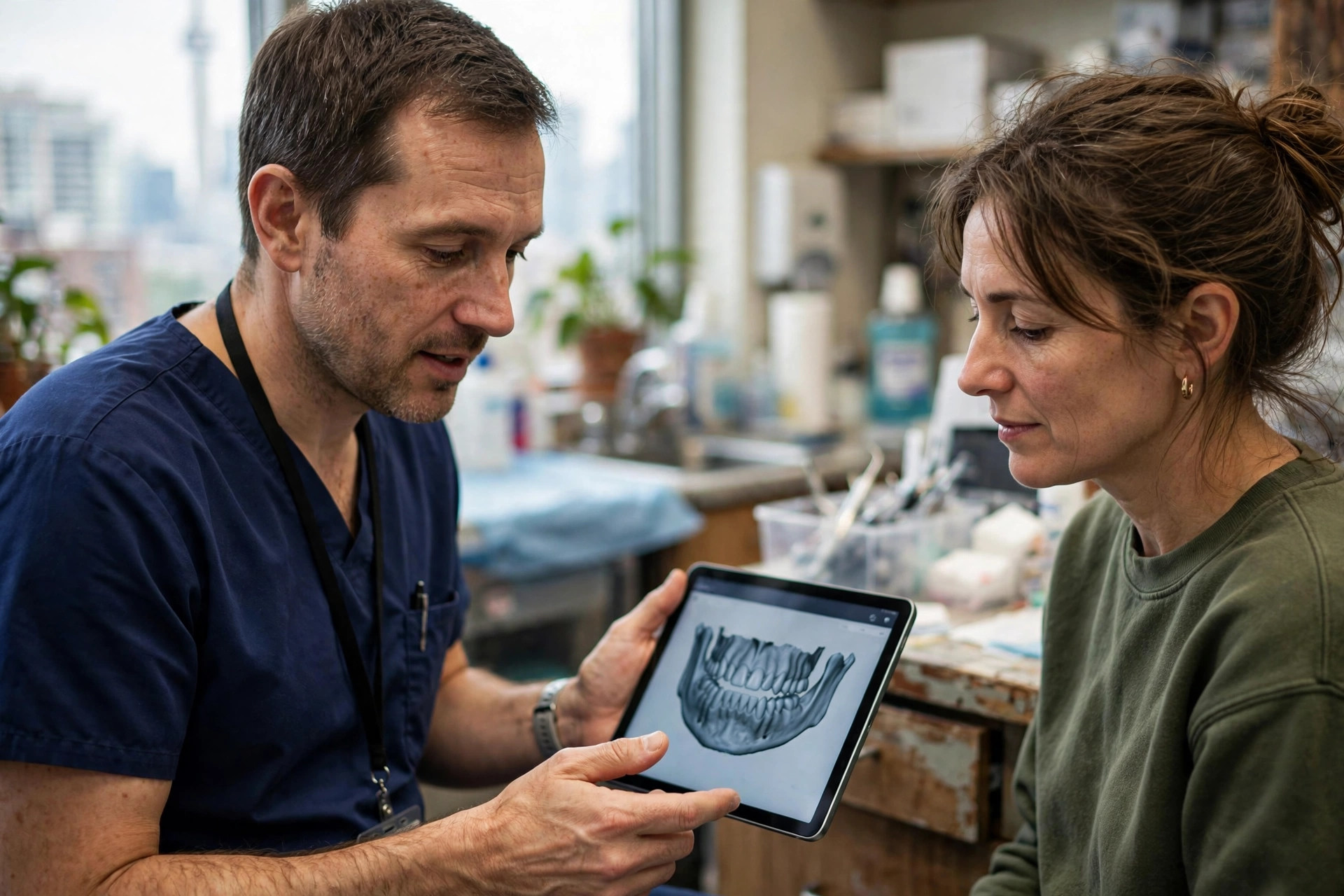
Bone graft recovery time depends on the size of the graft, the type of material used, and your overall health. Most people feel much better within one to two weeks, yet the bone itself keeps maturing for months.
This timeline separates what you feel from what is happening inside the jaw. It covers the first 48 hours, the first two weeks, the first six weeks, and the months leading to implant placement. Use it to plan meals, work, and checkups, and to recognise when a symptom needs prompt care.
Before Surgery: What Sets Your Timeline
Recovery starts before the graft is placed. Your dentist will review your medical history, medications, and smoking status, because these factors affect healing.
Blood thinners, diabetes, and smoking can slow bone healing, so tell your dentist about all medicines and supplements.
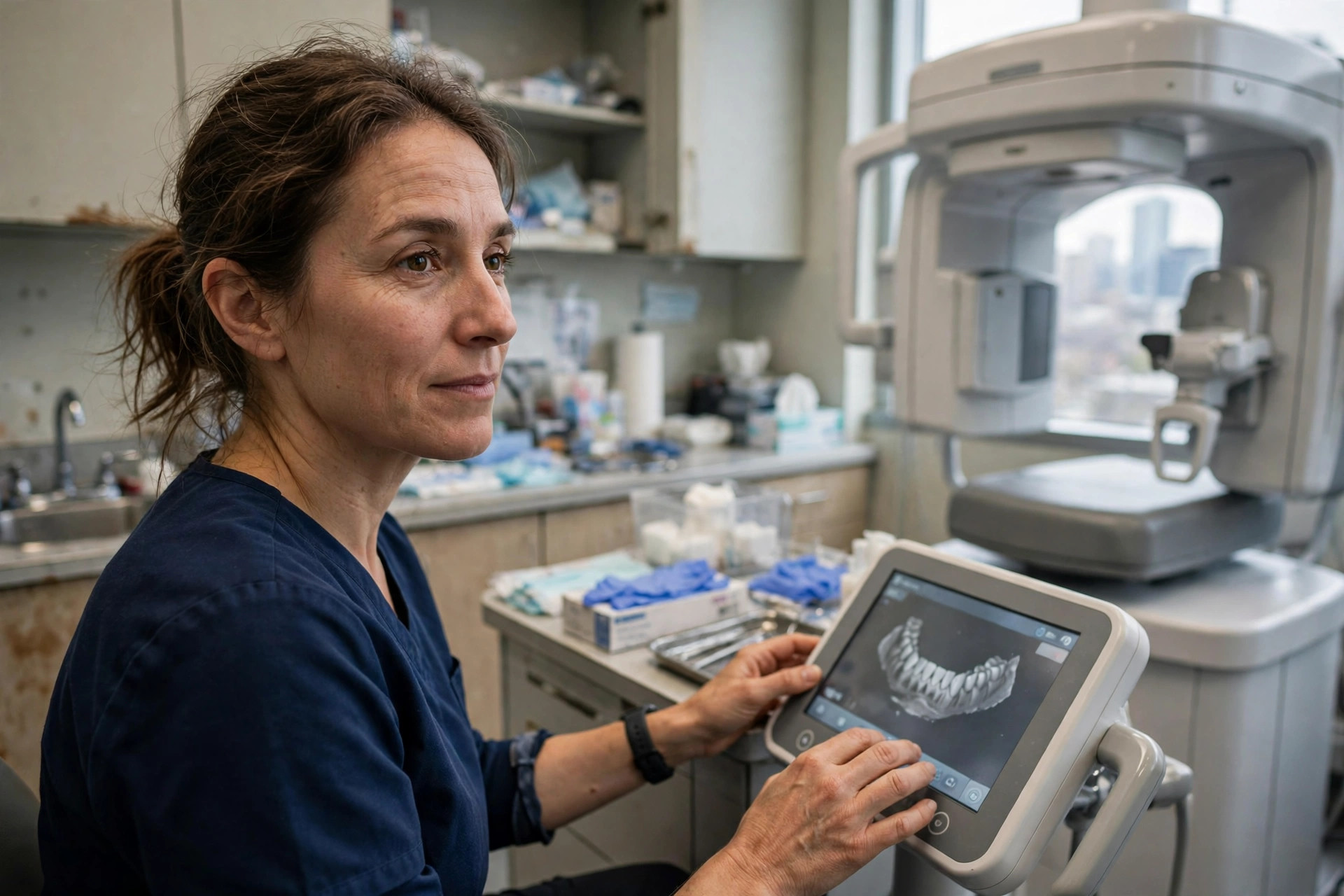
Imaging, often a 3D scan, shows how much bone is present and where the graft must go. A small socket graft after an extraction usually heals faster than a larger ridge graft or sinus lift.
The dentist will explain which type you need, what material will be used, and whether a membrane will cover the graft.
That detail matters, because larger grafts need longer protection.
Plan practical help for the first day. Arrange soft foods, ice packs, and any prescribed medicines before surgery. Ask about time off work, especially if your job involves heavy lifting, talking all day, or working outdoors in cold air.
A clear pre surgery plan reduces stress, and it makes the first 48 hours after surgery much easier to manage.
The First 48 Hours: Rest, Swelling and Bleeding Control
The first 48 hours are about protection. Some bleeding and oozing are normal, and a blood clot must form over the graft site. Bite gently on gauze as directed, and change it only as instructed. Avoid rinsing vigorously, spitting forcefully, or using a straw, because suction can disturb the clot.
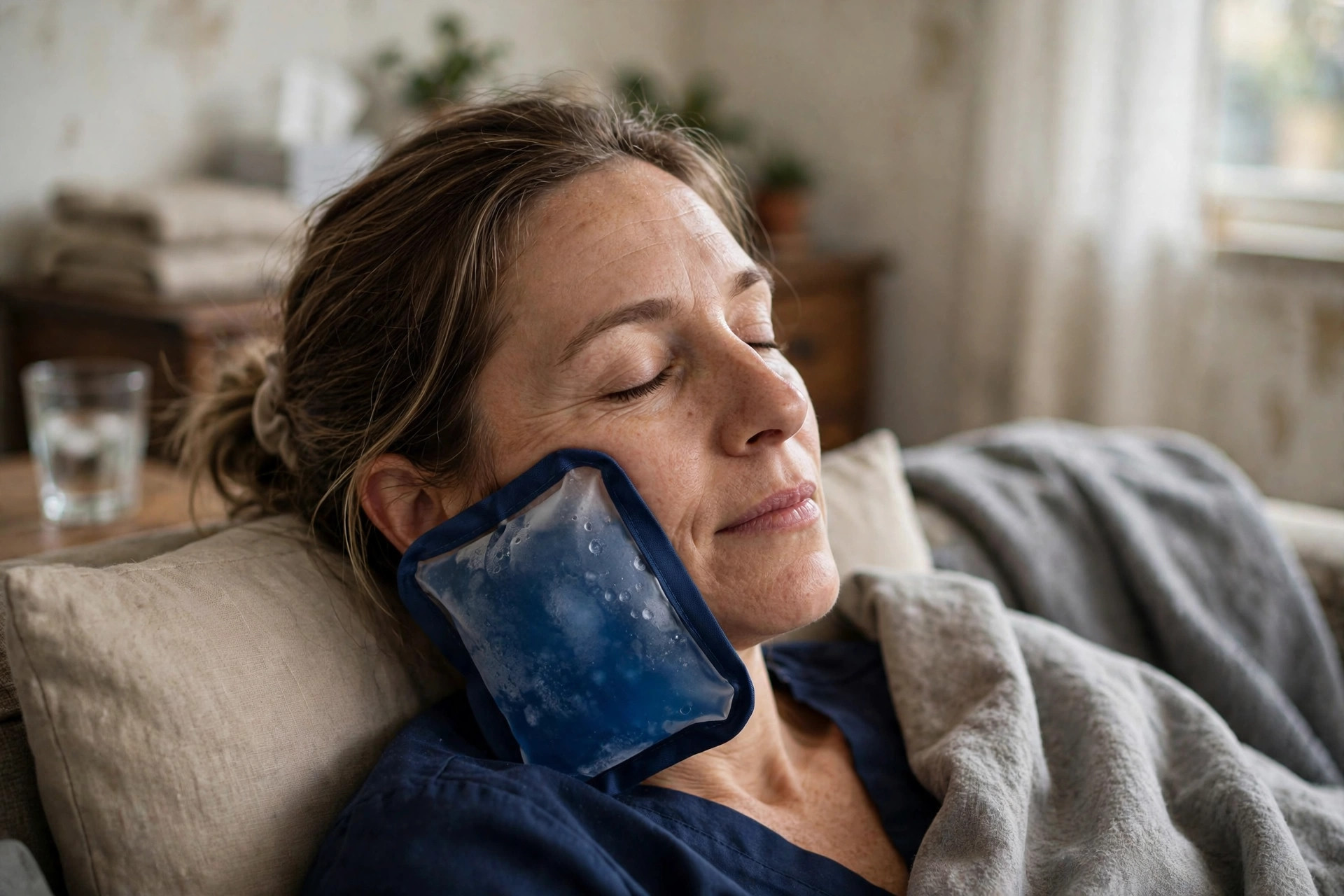
Swelling typically peaks at 48 to 72 hours, then eases. Use a cold pack on the outside of the cheek for 15 minutes at a time, with breaks in between.
Keep your head elevated on extra pillows for the first night.
Mild to moderate pain is expected, and prescribed or recommended pain relief usually controls it if taken on schedule.
Eat soft, cool foods such as yoghurt, soup at lukewarm temperature, mashed potatoes, and smoothies without a straw. Avoid hot, spicy, crunchy, and acidic foods that can irritate the site.
Do not smoke or use vaping products, because nicotine reduces blood flow and increases graft failure risk.
Rest is not optional in this phase, and it sets the foundation for the first two weeks.
Weeks 1 to 2: Soreness Eases and Stitches Come Out
During week one, soreness and swelling should gradually reduce. You may notice bruising on the cheek or jaw, which is common after larger grafts. The gum over the graft may look white, yellow, or slightly grey as it heals.
That colour change alone does not mean infection, but report it if it comes with increasing pain, swelling, or fever.
Your dentist may ask you to rinse gently with warm salt water or a prescribed rinse after the first day. Brush other teeth normally, but avoid brushing directly over the graft site until your dentist advises it.
Stitches, if present, are often removed or dissolve within one to two weeks.
Do not pull at a loose stitch yourself.
By the end of week two, most people return to light work and normal talking. You can usually expand your diet to soft foods that need little chewing, such as pasta, steamed fish, eggs, and soft cooked vegetables.
Avoid chewing on the graft side until your dentist clears you.
This cautious expansion protects the new bone while it is still fragile, and it leads into the longer stabilisation phase.
Weeks 3 to 6: The Graft Stabilises Under the Gum
Weeks three to six are often the most deceptive phase. You may feel almost normal, yet the graft is still integrating with your own bone. The gum has usually closed, and pain should be minimal.
Small twinges when you press the area are possible, but ongoing or increasing pain is not expected.
During this phase, bone cells begin to grow into the graft material. The graft acts as a scaffold, and your body gradually replaces it with living bone.
This process cannot be rushed by eating harder foods or returning to contact sport early. Follow your dentist’s advice on chewing, exercise, and oral hygiene for the full period.
Avoid smoking throughout this phase, and tell your dentist if you develop a cold, sinus pressure, or a toothache nearby.
Sinus grafts in particular need care with blowing your nose and flying, so ask for specific guidance if you had a sinus lift. By week six, your dentist may check the site clinically and decide whether imaging is needed.
Steady progress in this phase prepares you for the months of bone maturation ahead.
Months 2 to 6: Bone Graft Recovery Time and Implant Planning
Bone maturation is slow, and this is where bone graft recovery time becomes a matter of months rather than weeks. Small grafts may be ready for implant assessment in about three to four months.
Larger grafts often need four to six months, and some complex cases need longer.
Your dentist will judge readiness by clinical examination and imaging, not by how you feel alone.
During these months, maintain excellent oral hygiene and attend all review visits. Eat a balanced diet with adequate protein, calcium, and vitamin D, unless your doctor has advised otherwise.
If you have diabetes or another condition that affects healing, keep it well managed and keep your dentist informed.
These general health steps support bone quality, even though they do not guarantee a specific outcome.
Implant planning usually begins toward the end of this period. Your dentist may take a new 3D scan to measure bone height, width, and density. If bone is sufficient, implant placement can be scheduled.
If bone is still maturing, waiting a little longer is often better than placing an implant too early. Patience in this phase protects the investment you have already made, and it brings the timeline to its practical end.
Eating Well for Bone Healing: Protein, Calcium and Hydration
Bone healing needs steady nutrition, not a special diet. Protein provides the building blocks for new tissue, so include a protein source at most meals during the first weeks.
Soft options include eggs, yoghurt, cottage cheese, steamed fish, tofu, and well cooked lentils blended into soup.
Calcium and vitamin D support bone mineralisation, but they work best as part of a balanced diet rather than as a high dose supplement taken alone.
Dairy foods, fortified plant milks, leafy greens, and canned sardines eaten soft can help, if they suit your diet and health conditions.
If you take medicines that interact with calcium, or if you have kidney disease, ask your doctor or pharmacist before changing supplements.
Hydration matters too, because a dry mouth slows soft tissue healing and increases discomfort. Sip water regularly, and avoid alcohol during the first two weeks, because alcohol can increase bleeding and interfere with healing and prescribed medicines.
Limit sugary drinks, which raise the risk of decay on neighbouring teeth while you are brushing cautiously around the graft.
If your appetite is low after surgery, eat smaller meals more often rather than skipping food. A smoothie made without a straw, a lukewarm soup, or a soft porridge can provide energy without disturbing the site.
Tell your dentist if you cannot eat or drink adequately, because dehydration and poor nutrition can delay healing.
Good nutrition supports the graft quietly in the background, and it helps you return to normal activities safely.
Returning to Work, Exercise and Travel After a Graft
Returning to normal life should be gradual, even when you feel well. Most people with desk jobs return within a few days, once pain is controlled and they can eat and talk comfortably.
Jobs involving heavy lifting, bending, dusty environments, or long periods of talking may need a longer break, so ask your dentist for guidance specific to your work.
Exercise needs a staged return. Avoid strenuous workouts, heavy lifting, and contact sport for at least the first week, and longer after a larger graft. Increased blood pressure during intense exercise can restart bleeding or increase swelling.
Start with gentle walking, then build up as soreness fades, and stop if pain or bleeding returns.
Travel also needs planning, especially flying after a sinus graft. Changes in air pressure can cause sinus discomfort, so ask your dentist when flying is safe for your case.
Pack pain relief, gauze if advised, and your dentist’s contact details, and know where to seek care at your destination.
Avoid swimming in lakes or pools until the gum has healed and your dentist clears you, because water can introduce bacteria to a healing wound.
Listen to your body rather than a calendar alone. Feeling better does not mean the graft is fully integrated, so keep review appointments even if you feel normal.
A staged return protects the graft and reduces setbacks, and it makes warning signs easier to spot if they appear.
Red Flags at Any Stage: When to Call Promptly
Call your dental clinic promptly if you notice swelling that keeps increasing after day three, fever, uncontrolled bleeding, or pain that suddenly worsens after improving.
Also seek prompt care for a bad taste, pus, a wound that opens, graft material coming out, or numbness that does not fade.
These signs can indicate infection or graft exposure, and early treatment improves the chance of saving the graft.
Do not try to push exposed material back, rinse aggressively, or start leftover antibiotics on your own. Note when the symptom started, whether you have a fever, and what medicines you have taken.
That information helps the clinic triage your call.
If you cannot reach your own clinic after hours, seek advice from an emergency dental service and explain that you have had a recent bone graft.
Most grafts heal without these problems, especially when aftercare instructions are followed. Knowing the red flags does not mean you should expect them. It means you can act quickly if they appear, and then return to normal healing with confidence.
With warning signs clear, you can plan the financial side of treatment realistically.
Costs, Coverage and Checkups in Toronto
In downtown Toronto, a bone graft typically costs in the range of CAD 500 to CAD 2,500, depending on graft size, material, and whether a membrane is used.
A small socket graft is typically at the lower end, while a larger ridge graft or sinus lift is typically at the higher end.
These figures exclude the later implant, abutment, and crown, which are priced separately under the current Ontario Dental Association fee guide.
Many private insurance plans cover part of grafting when it is needed for implant treatment, but limits and waiting periods vary.
Ask for a written treatment plan with staged costs before surgery, so you can see graft, implant, and crown costs separately. Some clinics offer direct billing, which can reduce the amount you pay upfront.
Public programs may help some patients, and eligibility should be checked in advance.
Review visits are part of the cost of safe care, not an optional extra. They let your dentist check gum closure, bone healing, and readiness for the next stage. Skipping reviews to save money can lead to larger problems later.
With costs and checkups understood, the most common timeline questions are answered below.
Smoking, Alcohol and Medicines: Factors That Change Your Timeline
Smoking is the single most important modifiable factor in graft healing. Nicotine constricts blood vessels, reduces oxygen delivery, and increases infection risk.
Even a few cigarettes in the first weeks can compromise a graft, so dentists usually advise complete avoidance until healing is well established.
Vaping is not a safe substitute during this period, because it also affects blood flow and tissue healing.
Alcohol should be avoided in the early phase for a different reason. It can increase bleeding, interact with pain relief or antibiotics, and dehydrate you when fluid intake already matters.
If you drink regularly, tell your dentist honestly before surgery, so withdrawal risk and pain management can be planned safely.
No judgement is involved, and accurate information leads to safer care.
Medicines also affect the timeline. Blood thinners, steroids, and some bone medicines can change bleeding or bone turnover, so never stop a prescribed medicine without advice from the prescriber or your dentist together.
Diabetes control, thyroid conditions, and immune conditions can slow healing, but they do not automatically rule out a graft.
They mean the timeline needs closer monitoring and sometimes a longer wait before implant placement.
If you are planning a graft, use the weeks before surgery to improve these factors where you can. Stopping smoking, reducing alcohol, and getting chronic conditions well controlled gives the graft its best chance.
Discussing these factors openly helps your dentist set a realistic timeline, and it leads to a conclusion you can act on with confidence.
Questions to Ask Before Your Graft
Ask your dentist how large your graft is, what material will be used, and how long healing is expected in your case. Ask whether a membrane will be placed, and whether stitches will dissolve or need removal.
Ask about pain relief, rinsing, diet, and when you can return to work and exercise. Clarify the staged costs for graft, implant, and crown, and whether direct billing applies to any stage.
Ask what warning signs should prompt a call, and how to reach care after hours.
Write the answers down and keep them with your aftercare sheet. A clear plan makes the first weeks calmer, because you will know what is expected and when to seek help.
With those questions answered, you can finish with a realistic timeline in mind.
Conclusion: Heal in Weeks, Build Bone Over Months
Bone graft recovery time is best understood in two parts. You feel better in weeks, and your jaw builds stronger bone over months.
Follow the early rest rules, protect the graft while it stabilises, attend every review, and avoid smoking throughout healing.
If you are unsure about a symptom, call promptly rather than waiting for the next routine visit.
With steady care and realistic timing, you give your future implant the strongest possible foundation, and you can move forward to the next step with confidence.
Frequently Asked Questions
How long is bone graft recovery time?
Soft tissue healing typically takes one to two weeks. Bone maturation typically takes three to six months, depending on graft size and type.
When can I eat normally after a bone graft?
Most people eat soft foods for the first two weeks. Chewing on the graft side and hard foods should wait until your dentist clears you.
Is swelling normal after a bone graft?
Yes, swelling typically peaks at 48 to 72 hours and then eases. Swelling that keeps increasing after day three needs prompt dental advice.
Can I smoke after a bone graft?
Avoid smoking and vaping throughout healing, because nicotine reduces blood flow. Smoking increases the risk of infection and graft failure.
When can I get a dental implant after a graft?
Small grafts may be ready in three to four months. Larger grafts often need four to six months, confirmed by examination and imaging.
What happens if graft material comes out?
Call your dentist promptly and do not try to push it back. Early assessment gives the best chance of protecting the remaining graft.
Book a Bone Graft Consultation in Downtown Toronto
If you have been told you need more bone before an implant, a consultation can clarify your timeline and options. A dentist can review your scan, explain the graft type, and set out staged costs for graft, implant, and crown.
You can learn about bone graft treatment in Toronto and how it supports implants.
You can also read about what a bone graft is before your visit. For personal advice, book a consultation and bring your imaging if you have it.
If you want the next stage explained, read about dental implant procedure steps.
For budgeting, see dental implants cost in Toronto. For comparison after an extraction, read about tooth extraction aftercare.
For public program details, see the Canadian Dental Care Plan. For professional guidance, see the Canadian Dental Association. For professional standards, consult the Ontario Dental Association.
This article is general information only and is not a diagnosis. See a dentist for advice about your own bone, health, and implant plan.


