A single dental implant in Toronto typically costs between $3,500 and $6,500 including the surgical placement, abutment, and final crown, with the Ontario Dental Association’s 2026 Suggested Fee Guide starting single implants around $4,165. Full-arch solutions like All-on-4 run considerably higher, often $18,000 to $28,000+ per arch. Your final dental implant cost in Toronto depends on how many teeth need replacing, whether bone grafting is required, and which clinic and materials you choose.
Because implants are not currently covered under the Canadian Dental Care Plan, most patients are budgeting this cost entirely out of pocket or through private insurance. This guide breaks the price down piece by piece so you know exactly what you are paying for.
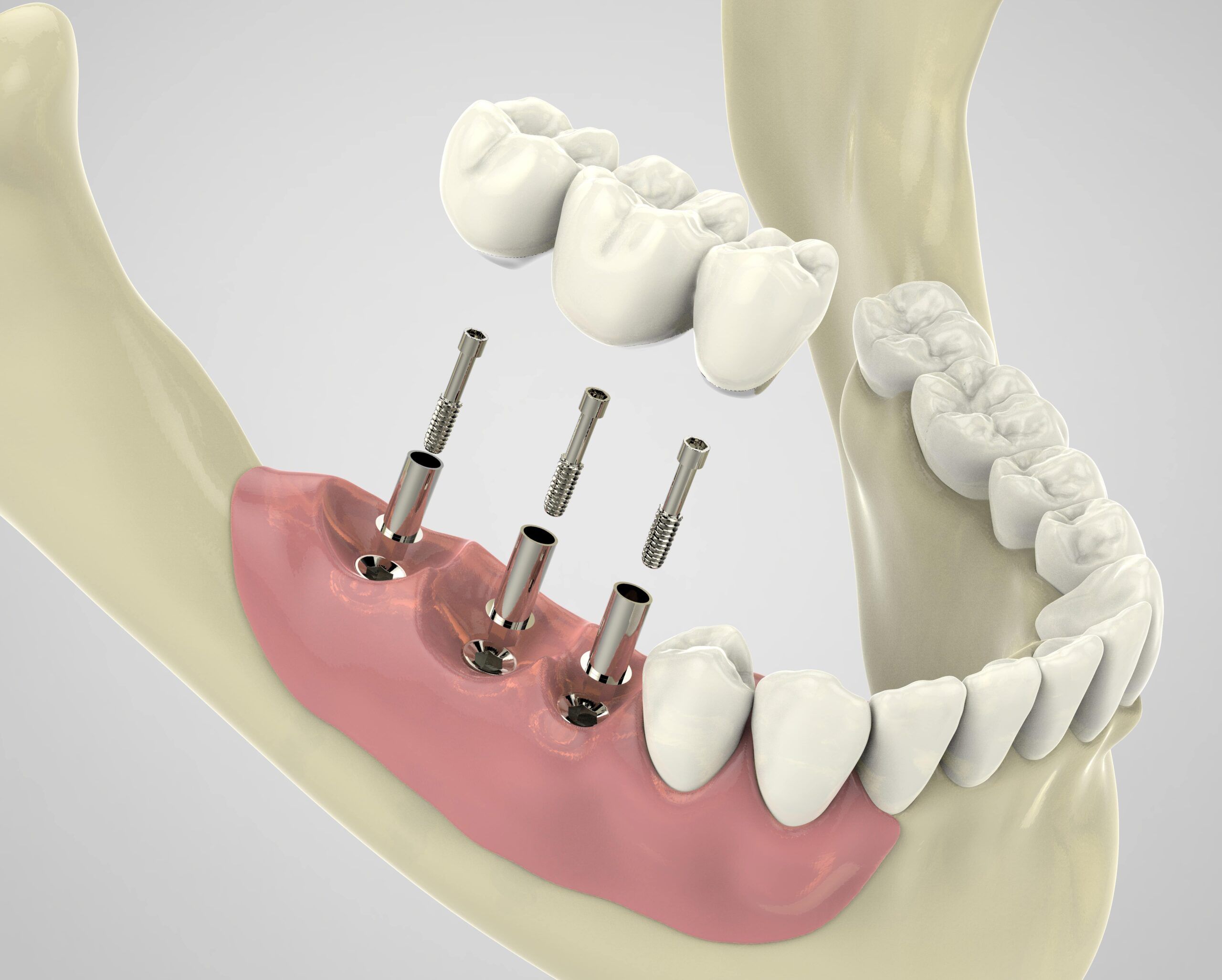
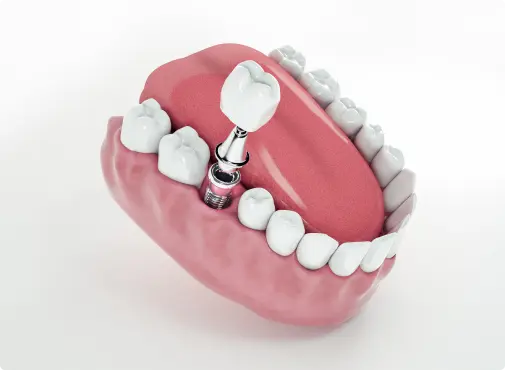
The Three Components of a Single Implant
An implant is billed in stages, not as one flat fee, which is why quotes can look confusing at first glance.
The Implant Fixture
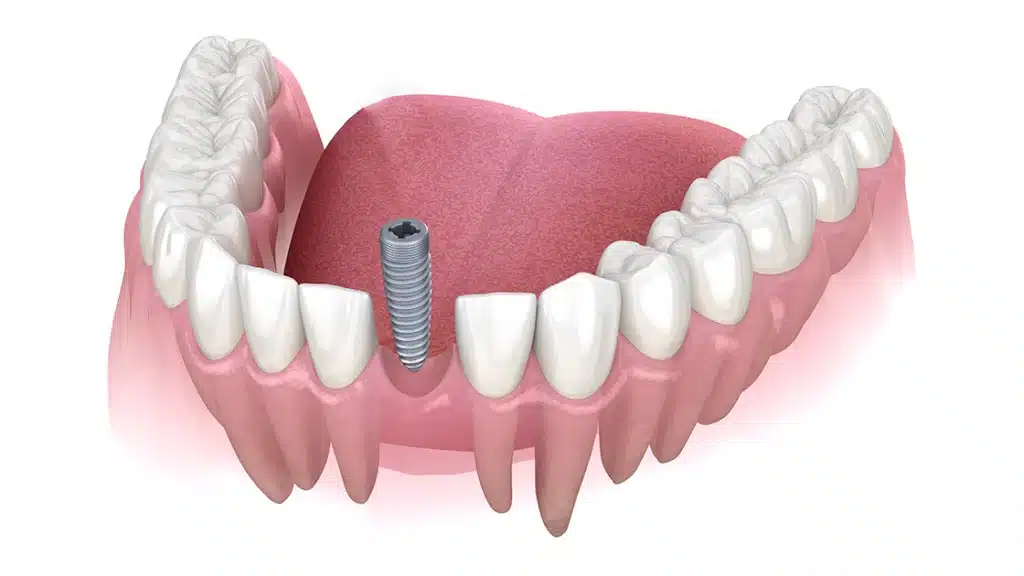
This is the titanium or zirconia post surgically placed into the jawbone. Pricing for this component alone often falls between $1,700 and $2,500.
The Abutment
This small connector piece attaches the crown to the implant fixture once healing is complete. Abutments typically add $500 to $800 to the total.
The Crown
The visible, tooth-shaped portion on top is custom-made to match your bite and surrounding teeth. Crown costs vary by material, generally landing between $1,200 and $1,800.
Added together, these three components explain why a single implant commonly totals somewhere in the $3,500 to $6,500 range once everything is complete.
What Pushes the Price Higher
Several common factors move a quote above the baseline estimate.
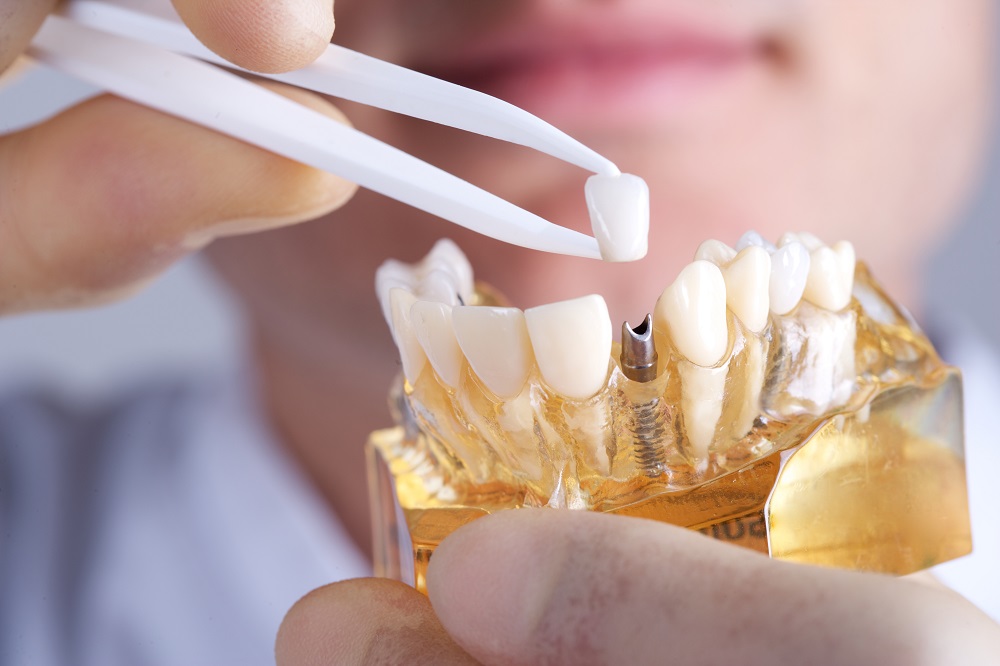
Bone Grafting
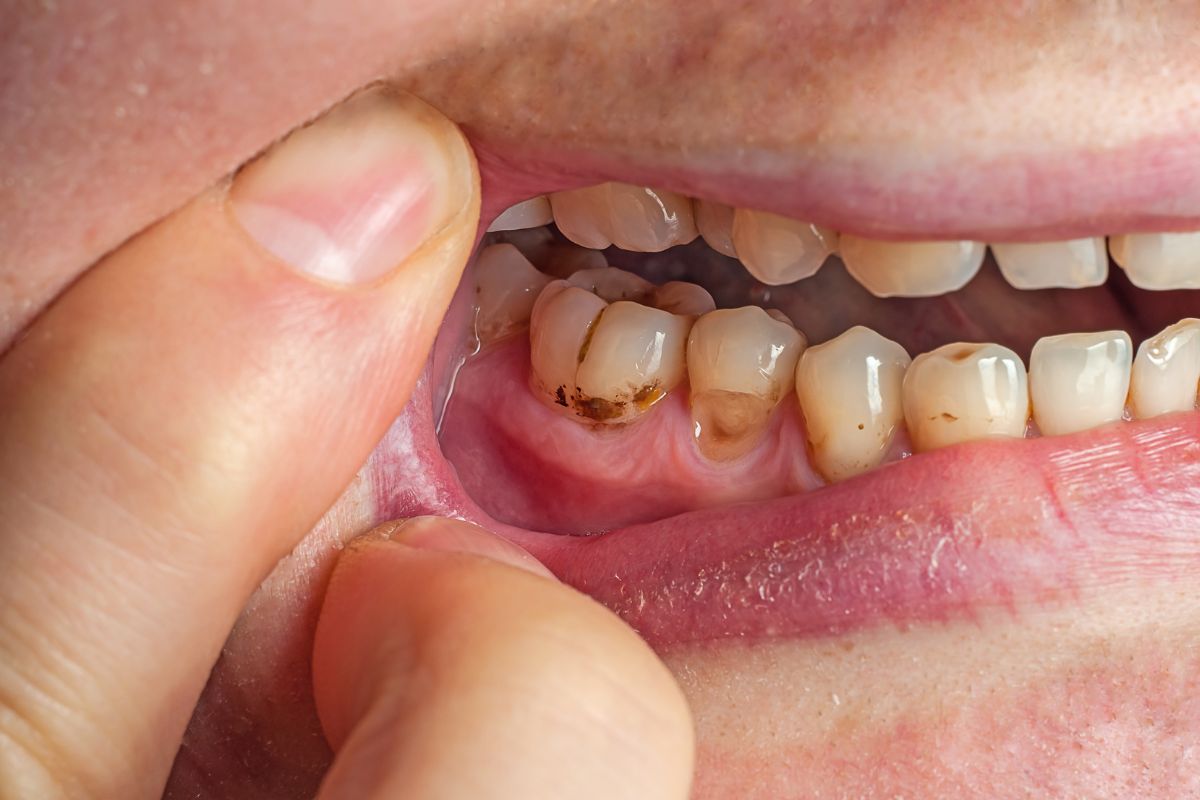
If the jawbone at the site has thinned from years of tooth loss, a graft is needed before the implant can be placed securely. Bone grafting can add anywhere from $400 to over $3,000 depending on how much rebuilding is required, a step explained in more detail on our page about what a bone graft involves.
Sinus Lift
For upper back teeth, a sinus lift is sometimes needed when there is not enough bone height below the sinus cavity. This adds a separate surgical step and its own fee to the overall treatment plan.
3D Imaging and Planning
Advanced CBCT scans allow for precise surgical planning and are increasingly standard for implant cases. This diagnostic step typically adds a few hundred dollars but significantly improves surgical accuracy.
Sedation
Patients with dental anxiety often choose nitrous oxide or oral sedation for implant surgery. Nitrous oxide adds roughly $100 to $150, while oral or IV sedation can add several hundred dollars more.
Understanding these add-ons ahead of time means your final invoice will not catch you off guard partway through treatment.
Cost by Number of Teeth Replaced
The math changes significantly depending on how many teeth you are replacing.
Single Tooth Implant
A single implant, as outlined above, generally totals $3,500 to $6,500 all in. This is the most common scenario for patients replacing one missing or failing tooth.
Multiple Individual Implants
Replacing several missing teeth with individual implants multiplies the single-tooth cost, though some clinics offer modest bundled pricing for multiple placements in one surgical visit.
Implant-Supported Bridge
When several adjacent teeth are missing, an implant-supported bridge uses two implants to anchor a multi-tooth bridge, which is often more economical than an individual implant for every missing tooth.
All-on-4 Full Arch
For patients missing most or all teeth in an arch, All-on-4 uses four strategically placed implants to support a full replacement arch. This typically costs $18,000 to $28,000+ per arch, a significant investment covered in detail in our guide to All-on-4 dental implants.
Our page on how many implants are needed for a full mouth breaks down the difference between All-on-4 and All-on-6 approaches if you are exploring full-arch options.
Comparing Implants to Other Replacement Options
Cost only makes sense in context against the alternatives.
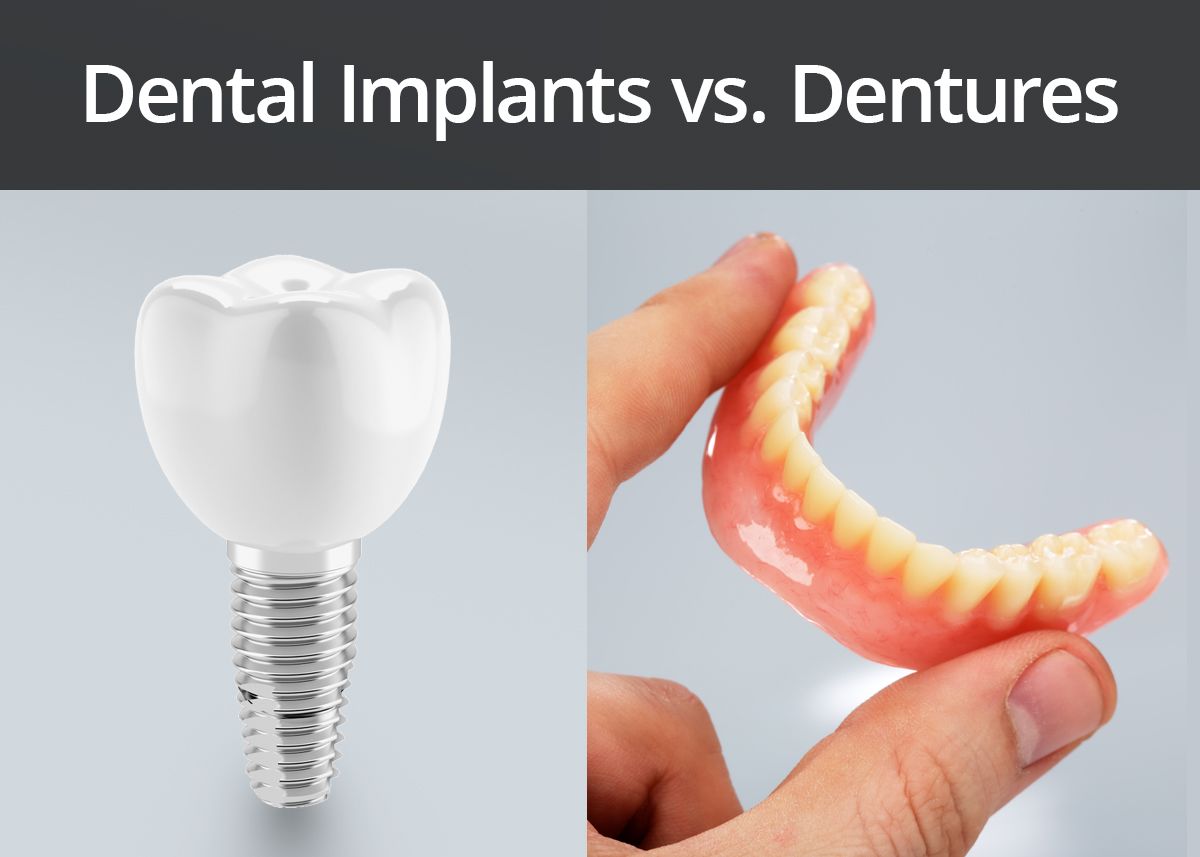
A traditional bridge generally costs $2,000 to $4,500 upfront but needs replacement every 10 to 15 years. Dentures cost considerably less upfront but come with their own tradeoffs in stability and daily comfort.
Our detailed comparison of dental implants vs bridges walks through the full tradeoff between upfront cost and long-term value for each option. For patients also weighing dentures, our guide on implant-supported vs traditional dentures covers that comparison specifically.
Seeing implants next to these alternatives helps explain why so many patients still choose them despite the higher initial price tag.
Does CDCP Cover Any Part of an Implant?
Currently, dental implants are explicitly excluded from Canadian Dental Care Plan coverage. This means the entire implant cost, from fixture to final crown, is typically an out-of-pocket or private-insurance expense for now.
Related procedures like extractions or bone grafting that lead up to an implant may qualify for partial CDCP coverage depending on the specific code and your income tier. Our guide on what CDCP covers explains which adjacent procedures may still qualify even though the implant itself does not.
Given this gap in public coverage, it is worth exploring what private financing options exist before committing to treatment.
Financing and Payment Options
Most Toronto clinics offer some form of payment plan given how significant this expense can be.
In-House Payment Plans
Many practices allow the total cost to be split across several months, sometimes interest-free for a limited period.
Third-Party Financing
Health-focused financing companies offer extended payment terms, though interest rates and approval requirements vary by provider.
Health Spending Accounts
If your employer offers a health spending account, implant costs often qualify as an eligible medical expense.
Staged Treatment
Some patients choose to complete treatment on one arch or one tooth at a time, spreading the total cost across a longer period rather than paying it all at once.
Asking your clinic directly about which of these options they support is a reasonable first step before your consultation even begins.
Why Implant Pricing Varies Between Clinics
Two Toronto clinics can quote noticeably different prices for what looks like the same procedure.
Materials Used
Titanium implants are the long-established standard, while zirconia implants, a newer metal-free option, often cost more. Crown materials also vary in price, from porcelain-fused-to-metal to full ceramic options.
Surgeon Experience and Technology
Clinics using advanced guided-surgery technology and 3D-printed surgical guides may charge more to reflect that added precision.
Location and Overhead
As with most dental procedures, downtown Toronto clinics generally carry higher overhead than suburban practices, which is reflected in the final quote.
Single Visit vs Multi-Visit Treatment
Same-day or immediate-load implants, where a temporary crown is placed the same day as surgery, sometimes carry a premium over the traditional staged approach.
None of these differences mean one clinic is better than another, but they do explain why shopping around by price alone can be misleading without understanding what is actually included.
What to Ask Before You Commit
A clear, itemized treatment plan protects you from surprise costs partway through.
Ask whether the quote includes the fixture, abutment, and crown, or only the surgical placement itself. Ask whether bone grafting or a sinus lift is likely based on your imaging, and what that would add to the total.
Ask what happens if the implant fails to integrate properly, since failure rates, while low, do occur and warranty policies differ between clinics. Our page on are dental implants painful also covers what to expect during recovery, which is worth reviewing before your surgical date.
Getting these answers in writing before treatment begins is the single best way to avoid an inflated final bill.
Is the Cost Worth It Long Term?
When implants are compared purely on lifetime value rather than upfront price, the numbers often favor them.
An implant designed to last 25 years or longer, protecting jawbone density the entire time, frequently ends up costing less per year of use than a bridge that needs full replacement once or twice over the same period. Our guide on how long dental implants last covers the specific factors that influence that lifespan in more detail.
This long-term framing does not make the upfront cost any smaller, but it does explain why so many patients view an implant as an investment rather than a simple expense.
Are You a Candidate Before You Budget?
It is worth confirming candidacy before locking in a specific budget number.
Good bone density, healthy gums, and manageable overall health are the main clinical factors that determine implant eligibility. Smoking and certain uncontrolled conditions can slow healing and affect long-term success, though they do not automatically rule out treatment.
Our detailed guide on who is a good candidate for dental implants walks through the specific criteria your dentist will assess during your consultation. Getting this answer early prevents budgeting around a treatment plan that may need adjustment once your imaging comes back.
A Realistic Treatment Timeline
Cost is only one part of the planning process, since timing affects your budget too.
Consultation and Imaging
Your first visit typically includes a 3D scan and a full review of your bone health and treatment options. This is when bone grafting, if needed, gets identified and factored into your overall plan and cost.
Extraction and Healing, If Needed
If the tooth is still present but failing, it must be extracted first, sometimes with a healing period before the implant is placed. This staging can add weeks or months to the overall timeline depending on your specific case.
Implant Placement
The surgical placement itself is usually completed in under an hour for a single implant under local anesthesia. Most patients return to normal activities within a few days.
Osseointegration
This healing phase, where the implant fuses with the jawbone, typically takes three to six months. Rushing this stage is not advisable, since it directly affects how long the implant will ultimately last.
Final Crown Placement
Once healing is confirmed, the abutment and custom crown are placed, completing the visible restoration. At this point, the implant functions and feels like a natural tooth for daily eating and speaking.
Spreading your budget across this multi-month timeline, rather than expecting one lump payment, is often the most manageable way to plan financially for the full process.
The Bottom Line on Implant Costs in Toronto
A single dental implant in Toronto generally costs $3,500 to $6,500 once the fixture, abutment, and crown are all accounted for, with full-arch solutions running significantly higher. Bone grafting, sedation, and clinic overhead are the most common reasons a quote climbs above the baseline estimate.
Getting a detailed, itemized treatment plan before you commit is the clearest way to understand your real total, since implant pricing depends heavily on your specific anatomy and treatment needs. A thorough consultation with imaging remains the only reliable way to get a number specific to your mouth.
Frequently Asked Questions
Why are dental implants so expensive in Toronto?
The cost reflects three separate components, the fixture, abutment, and crown, plus surgical time, imaging, and materials. Downtown clinic overhead also plays a role in the final price.
Does CDCP cover any part of a dental implant?
No, implants are currently excluded from CDCP coverage entirely. Related procedures like extractions may still qualify separately under the plan.
Is a same-day implant more expensive than a staged implant?
Often yes, since same-day or immediate-load implants require additional planning and technology. Ask your clinic directly how their pricing compares between the two approaches.
How much does bone grafting add to the total implant cost?
Bone grafting can add anywhere from a few hundred dollars for minor grafting to several thousand for extensive rebuilding, depending on how much bone loss has occurred.
Are cheaper implant clinics a red flag?
Not necessarily, but always confirm exactly what is included in a low quote. Missing components like the abutment or crown can make an initial number look misleadingly low.
Ready for an Accurate Quote?
Every implant case is different, so the only way to get a number specific to your mouth is a consultation with imaging through Heritage Dental Studio’s dental implant service, where your treatment plan and full cost breakdown are explained before you commit to anything.