
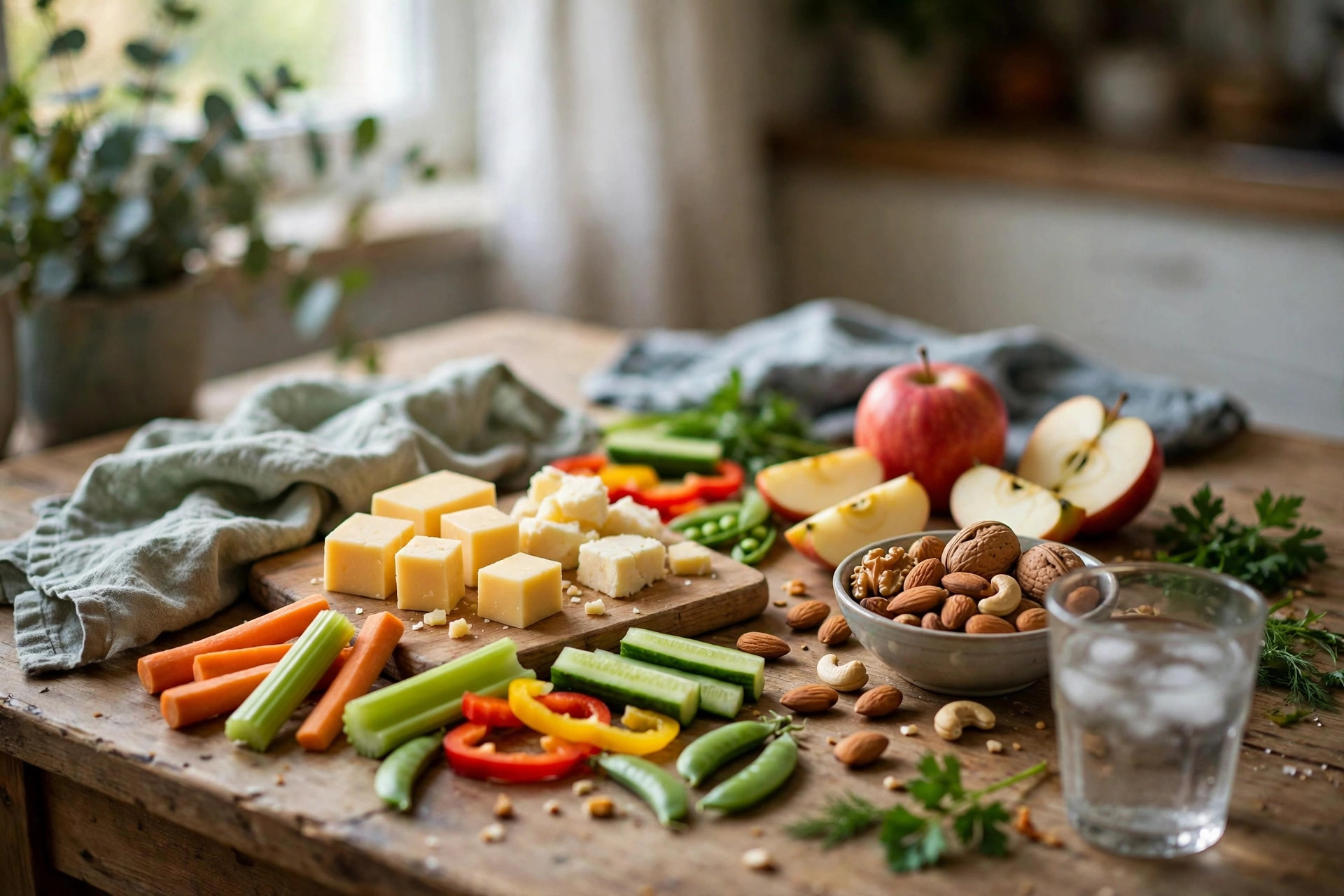
The best foods for teeth do more than fill you up. They supply calcium, support saliva flow, and help protect enamel between brushings, while limiting the acid attacks that lead to decay.
A teeth healthy diet does not require perfect eating or expensive superfoods. It relies on balance, timing, and a few smart swaps that are easy to keep up in daily life.
Foods good for teeth tend to share a few traits. They are often rich in calcium or phosphorus, low in added sugar, and crunchy or fibrous enough to stimulate saliva.
Drinks matter just as much as foods. Water, milk, and unsweetened tea can support oral health, while sugary and acidic drinks can wear enamel over time.
This guide lists the foods and drinks that help most, explains why they help, and shows which snacks to limit. It also covers timing, portions, and daily habits.

Best Foods for Teeth: The Short Answer
The best foods for teeth include dairy foods, crunchy vegetables, fibrous fruits, nuts, lean proteins, and whole grains. Those foods supply nutrients, stimulate saliva, and are generally low in added sugar.
Water is the best drink for teeth in most cases. It rinses away food particles, supports saliva, and, in many Canadian communities, contains fluoride that strengthens enamel.
Foods that harm teeth most are those high in added sugar, or highly acidic, especially when eaten often between meals. Frequency matters as much as amount.
You do not need to avoid every sweet food forever. Enjoying sweets with meals, rather than grazing all day, gives your teeth more time to recover between acid attacks.
A checkup and preventive visit can also help you see how diet affects your teeth. Your dentist can spot early decay and discuss diet changes that suit your life.
How Food Affects Your Teeth
Every time you eat, bacteria in plaque use sugars and starches to produce acid. That acid softens enamel for a period after eating, before saliva helps restore balance.
Saliva plays a central role in that recovery. It rinses away food, neutralises acid, and supplies minerals that help repair early enamel softening.
Crunchy and fibrous foods stimulate saliva flow, which is one reason they help teeth. Chewing also helps clear food from tooth surfaces naturally.
Calcium and phosphorus help rebuild enamel, while vitamin D helps the body use calcium effectively. Vitamin C supports gum health, and vitamin A supports saliva and mucous membranes.
Timing changes the impact of food. Eating sugary foods three times a day with meals is usually kinder to teeth than sipping a sweet drink slowly all afternoon.
Acidic foods and drinks, such as citrus, vinegar dressings, and fizzy drinks, can soften enamel directly, even without sugar. Rinsing with water afterward can help.
Brushing right after acidic foods can wear softened enamel, so waiting a short while before brushing is often advised. Your dentist can advise on timing for your case.
Dairy Foods: Calcium for Strong Teeth
Dairy foods are among the best foods for teeth, because they supply calcium and phosphorus, and they tend to be low in sugar when unsweetened.
Cheese
Cheese is a standout choice for teeth. It supplies calcium, stimulates saliva, and may help neutralise acid after eating other foods.
Hard cheeses, such as cheddar, and soft cheeses, such as mozzarella, both offer benefits. A small piece of cheese after a meal can be a tooth friendly finish.
Cheese also contains casein, a protein that may help protect enamel surfaces. That combination of calcium, saliva, and protein makes cheese a smart snack.
Choose cheese without added sweet coatings or crackers loaded with sugar, when you can. Plain cheese with vegetables or whole grain crackers is a better pairing.
Milk and Yoghurt
Milk supplies calcium, phosphorus, and vitamin D in many fortified products. It is a better drink choice for teeth than juice or fizzy drinks.
Plain milk with a meal can help rinse the mouth and supply minerals. Flavoured milks with added sugar are less helpful, because sugar feeds acid producing bacteria.
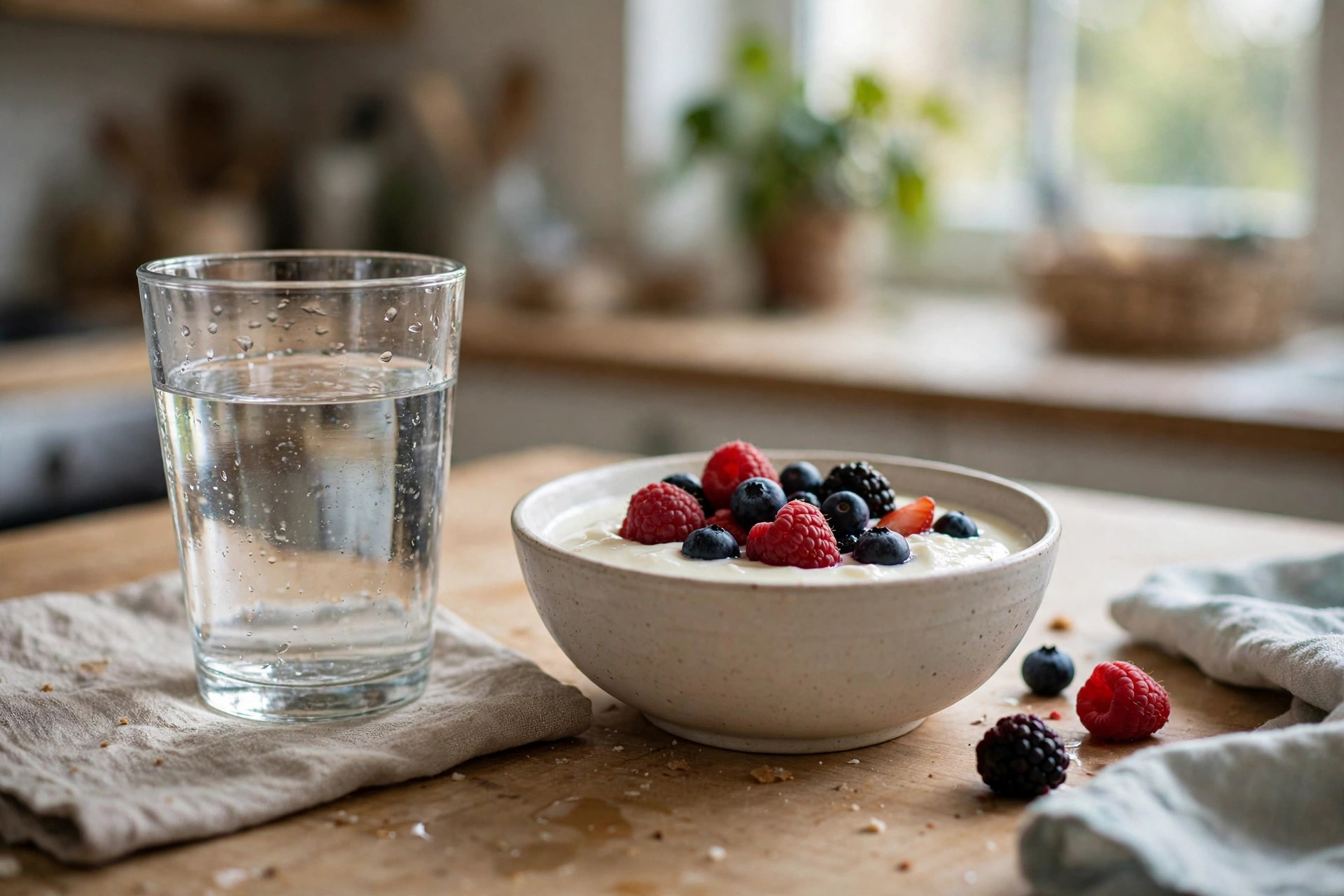
Plain yoghurt, especially unsweetened yoghurt, offers calcium and probiotics. Probiotics may support a healthier balance of mouth bacteria, although research is still developing.
Greek yoghurt is often higher in protein and lower in sugar than flavoured varieties, when unsweetened. Check labels, and avoid yoghurts with large amounts of added sugar.
If you cannot eat dairy, fortified plant drinks and calcium rich foods can help. Your dentist or dietitian can suggest alternatives that suit your needs.
Crunchy Vegetables and Fibrous Fruits
Crunchy vegetables and fibrous fruits help teeth in two ways. They stimulate saliva, and their texture helps scrub tooth surfaces gently as you chew.
Carrots, Celery, and Cucumbers
Carrots, celery, and cucumbers are excellent crunchy snacks for teeth. They are low in sugar, high in water, and require thorough chewing.
That chewing stimulates saliva, which helps rinse the mouth and buffer acid. Their fibre also helps clear food particles from between teeth, although they do not replace flossing.
Celery contains fibrous strands that can act like a natural brush, while carrots supply vitamin A, which supports saliva production and gum health.
Keep a container of cut vegetables in the fridge for easy snacking. Pairing them with hummus or cheese can make them more satisfying without adding much sugar.
Apples, Pears, and Other Fibrous Fruits
Apples and pears are fibrous fruits that stimulate saliva and help clean tooth surfaces as you chew. They are a better sweet snack than candy or dried fruit.
Apples contain natural sugars, so they are not free of acid risk, but their fibre and water content make them kinder than sticky sweets. Eating an apple with a meal is gentler than grazing on one all day.
Pears are often less acidic than citrus fruits, which makes them a tooth friendly fruit choice. Berries, melons, and stone fruits can also fit a balanced diet.
Avoid dried fruit as a frequent snack, because it sticks to teeth and concentrates sugar. If you enjoy dried fruit, eat it with a meal and rinse with water afterward.
Citrus fruits supply vitamin C, which supports gums, but their acid can soften enamel. Enjoy citrus in moderation, and rinse with water after eating it.
Leafy Greens and Other Vegetables
Leafy greens, such as spinach, kale, and lettuce, supply calcium, folic acid, and vitamins that support gum and tooth health. They are also low in sugar.
Spinach and kale can be added to salads, smoothies, soups, and cooked dishes without much effort. Their calcium is useful, especially for people who eat little dairy.
Broccoli, cauliflower, and green beans supply fibre, vitamins, and minerals, while remaining low in sugar. They also encourage thorough chewing and saliva flow.
Sweet potatoes, carrots, and squash supply vitamin A, which supports saliva and the tissues lining the mouth. Those vegetables can round out a tooth friendly plate.
Aim for a variety of colours on your plate, since different vegetables supply different nutrients. Variety also makes healthy eating easier to sustain.
If you struggle to eat enough vegetables, soups, stir fries, and salads can help. Small, steady changes matter more than a perfect diet for one week.
Nuts, Seeds, and Lean Proteins
Nuts, seeds, and lean proteins supply phosphorus, calcium, and other minerals that support enamel. They are also generally low in sugar when unsweetened.
Almonds, walnuts, and cashews supply calcium and phosphorus, along with healthy fats and protein. They make a satisfying snack that does not feed decay bacteria strongly.
Peanuts and peanut butter, when unsweetened, can also be tooth friendly. Sweetened peanut butter, with added sugar, is less helpful, so check the label.
Seeds, such as sesame, pumpkin, and sunflower seeds, supply minerals and fibre. They can be sprinkled on salads, yoghurt, or cooked dishes.
Lean proteins, such as chicken, fish, eggs, and tofu, supply phosphorus and protein for tooth structure. Fish, especially fatty fish, also supplies vitamin D.
Eggs supply vitamin D and phosphorus, and they are easy to include at breakfast or in salads. Tofu and legumes can offer protein for plant based diets.
Chewing nuts and proteins thoroughly stimulates saliva, which helps protect teeth. If you have dental work, such as crowns, ask your dentist about very hard nuts.
Whole Grains and Fibre Rich Foods
Whole grains, such as oats, brown rice, whole wheat bread, and quinoa, supply fibre, B vitamins, and minerals. They are generally better for teeth than refined grains.
Fibre rich foods require more chewing, which stimulates saliva and helps clear the mouth. That chewing effect is a simple benefit of whole grains.
Whole grain bread with cheese, vegetables, or lean protein makes a balanced, tooth friendly meal. It supplies steady energy without a large sugar load.
Refined grains, such as white bread and white pasta, break down into sugars more quickly in the mouth. They are not forbidden, but whole grains are a better daily choice.
Oats, especially plain oats, make a good breakfast base. Add milk, nuts, or fruit for flavour, rather than large amounts of added sugar or syrup.
Legumes, such as beans and lentils, supply fibre, protein, and minerals. They can be added to soups, salads, and main dishes for a tooth friendly boost.
Drinks That Help Your Teeth
Drinks can help or harm teeth, depending on sugar, acid, and fluoride content. Choosing well is one of the simplest diet changes you can make.
Water
Water is the best drink for teeth in most cases. It rinses food away, supports saliva, and contains no sugar or acid.
In many Canadian communities, tap water is fluoridated, which helps strengthen enamel. Your dentist can tell you whether your local water is fluoridated.
Carry a reusable water bottle, and sip water after meals and snacks. That habit alone can reduce acid exposure throughout the day.
If you drink flavoured water, choose unsweetened varieties. Sweetened or acidic flavoured waters can act more like soft drinks for teeth.
Milk and Unsweetened Tea
Plain milk supplies calcium and phosphorus, and it is a better choice than juice for teeth. It can be enjoyed with meals or as a snack drink.
Unsweetened green tea and black tea contain polyphenols that may help limit bacteria linked to decay. Tea also supplies fluoride in small amounts.
Tea can stain teeth over time, especially black tea, but that staining is cosmetic and can be discussed at a cleaning visit. Rinsing with water after tea can help.
Herbal teas vary widely, and some are acidic, especially fruity blends. If you drink herbal tea often, choose less acidic options and avoid added sugar.
Drinks to Limit
Sugary drinks, including soft drinks, sweetened juices, sports drinks, and sweetened coffees, are among the worst choices for teeth. They supply sugar and often acid.
Sipping a sugary drink slowly over hours keeps teeth in acid for longer. Finishing a drink with a meal, rather than sipping all day, reduces that exposure.
Diet soft drinks may be sugar free, but they are often still acidic, so they can wear enamel. Water is a safer daily choice.
Fruit juice, even without added sugar, contains natural sugars and acid. Whole fruit is usually kinder to teeth than juice, because fibre slows sugar exposure.
Alcoholic drinks can dry the mouth and reduce saliva, which raises decay risk. If you drink alcohol, water between drinks and good oral care afterward can help.
Snacks and Foods to Limit for Healthy Teeth
Limiting certain foods does not mean banning them completely. It means enjoying them less often, in smaller amounts, and with meals when possible.
Candy, especially sticky candy, toffee, and gummy sweets, clings to teeth and feeds bacteria for a long time. Hard candy also risks chipping teeth if bitten.
Chocolate, especially dark chocolate in small amounts, is less sticky than toffee, but milk chocolate with added sugar is still a sweet treat. Enjoy it with meals rather than grazing.
Cakes, biscuits, pastries, and sweetened cereals supply sugar and refined starch, which bacteria convert to acid. Portion size and frequency matter most.
Chips and crackers can stick in grooves of teeth and break down into sugars. Rinsing with water after eating them, and brushing later, can help.
Dried fruit, honey, and syrups are sticky and high in sugar, even when they feel natural. Use them sparingly, and rinse afterward.
Pickles, vinegar dressings, and citrus drinks are acidic, so they can soften enamel. Enjoy them with other foods, and rinse with water afterward.
If you enjoy sweets, try to finish them in one sitting with a meal, rather than snacking repeatedly. That timing gives saliva time to restore balance.
Timing, Portions, and Daily Habits
How often you eat matters as much as what you eat. Each snack creates an acid attack, so frequent snacking keeps teeth under acid for longer.
Aim for regular meals, with fewer snacks between meals when you can. If you need a snack, choose a tooth friendly option such as cheese, nuts, or vegetables.
For practical steps on how to prevent cavities, combine diet timing with brushing, flossing, and regular checkups.
Persistent bleeding can be one of the signs of gum disease, so mention it at your next visit.
Portion size also matters. A small sweet with a meal is usually kinder than a large sweet eaten alone, because saliva and other foods help buffer acid.
After acidic foods or drinks, rinse with water and wait before brushing. That wait helps avoid brushing softened enamel, which can wear more easily.
Brush twice a day with fluoride toothpaste, and clean between teeth once a day. Diet helps, but it does not replace brushing, flossing, and regular dental care.
Brush twice a day, and follow guidance on how to brush and floss correctly for gentle, thorough cleaning.
For more detail on enamel erosion causes and prevention, ask your dentist about acid wear at your next visit.
A dental cleaning can remove tartar and check for early decay linked to diet. Your dentist can discuss diet changes that fit your routine and budget.
For children, the same principles apply, with extra care around juice, sticky sweets, and bedtime snacks. A first dental visit for a toddler can cover diet and brushing tips.
A Simple Tooth Friendly Day
A tooth friendly day does not need special shopping or complex recipes. It can start with plain oats, milk, and fruit, rather than a sugary cereal.
Lunch might include whole grain bread, cheese, chicken or tofu, and crunchy vegetables, with water to drink. That combination supplies calcium, fibre, and protein.
An afternoon snack of almonds, carrots, or plain yoghurt can satisfy hunger without a sugar load. Those snacks also stimulate saliva and supply minerals.
Dinner might include fish or legumes, leafy greens, whole grains, and water. Finishing with cheese, rather than dessert, can be a tooth friendly choice on some days.
If you enjoy dessert, have a modest portion with dinner, then rinse with water. Brushing before bed remains important, after waiting if the meal was acidic.
This pattern is a guide, not a strict rule. Small swaps, repeated daily, matter more than one perfect day followed by a return to old habits.
Frequently Asked Questions
What are the best foods for teeth?
Dairy foods, crunchy vegetables, fibrous fruits, nuts, lean proteins, and whole grains are among the best foods for teeth. They supply calcium, stimulate saliva, and are generally low in added sugar.
Is cheese good for your teeth?
Cheese is generally good for teeth, because it supplies calcium, stimulates saliva, and may help neutralise acid. Plain cheese is a better choice than sweetened cheese snacks or sugary crackers.
Is fruit bad for teeth because of sugar?
Whole fruit is usually not bad for teeth in moderation, because fibre and water offset natural sugars. Dried fruit and juice are riskier, since they concentrate sugar and stick to teeth or bathe them in acid.
What drinks are best for healthy teeth?
Water is the best drink for teeth, followed by plain milk and unsweetened tea. Sugary drinks, acidic soft drinks, and frequent juice sipping are among the worst choices for enamel.
Should I brush right after eating acidic foods?
It is often better to rinse with water and wait a short while before brushing after acidic foods. Brushing softened enamel right away can wear it more easily, so ask your dentist about timing.
Can diet alone prevent cavities?
Diet helps a great deal, but it cannot prevent cavities alone. Brushing twice a day, cleaning between teeth, fluoride use, and regular dental visits are also needed to protect teeth fully.
Book a Checkup for Healthy Teeth in Downtown Toronto
Best foods for teeth are simple, everyday choices, not exotic products. Dairy, crunchy vegetables, fibrous fruits, nuts, lean proteins, and whole grains can all support a healthy smile.
Water remains the best drink for teeth, and timing matters as much as food choice. Enjoying sweets with meals, rather than grazing all day, gives enamel time to recover.
Small changes, such as swapping a sugary drink for water, or choosing cheese and vegetables for a snack, can add up over months. Those habits are easier to keep than a strict diet.
If you want personal advice on diet and oral health, consider booking a visit. A dentist can check for early decay, review your habits, and suggest changes that fit your life.
A checkup and preventive visit in downtown Toronto is a good place to start. Bring questions about diet, snacks, and drinks, and leave with a plan that feels realistic.
You can contact us to ask about diet, snacks, and drinks for healthy teeth.
This article is general information only, not a diagnosis. If you have pain, swelling, fever, or a dental emergency, seek prompt dental care. See a dentist for advice about your own case.


