
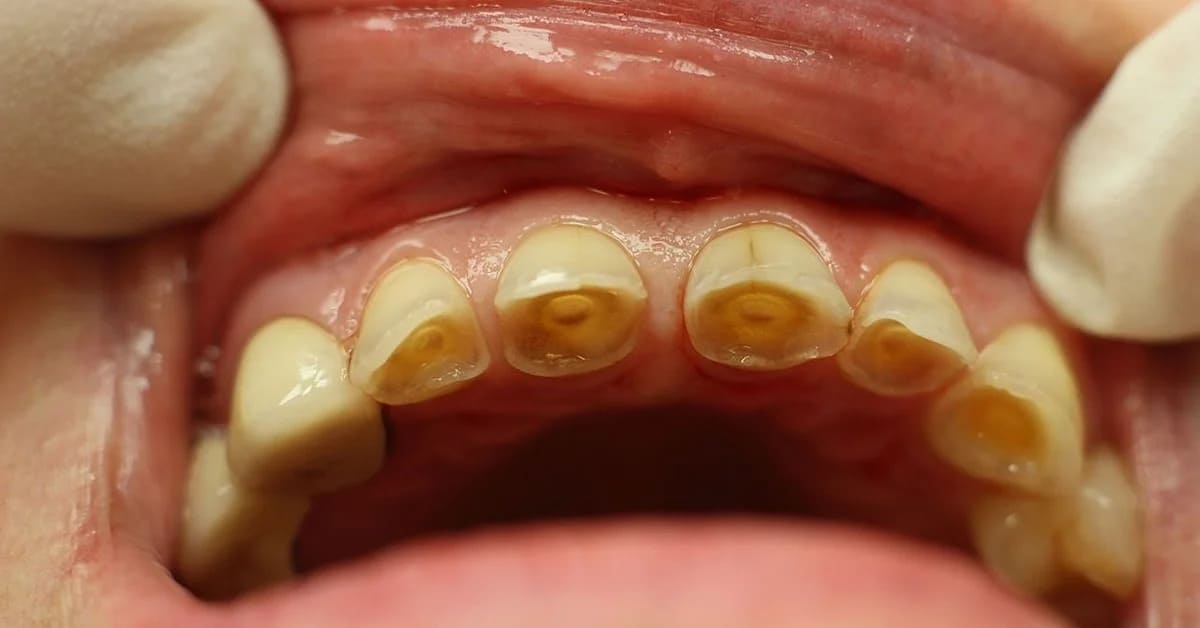
Your teeth look fine in the mirror, yet they feel a little sharper on the edges. Cold water bites. Your smile seems slightly yellower than last year.
Enamel erosion is often the reason. It happens quietly, one acidic sip at a time, and it does not need a cavity to cause damage.
This guide explains what enamel erosion is, what triggers it across a normal day, how to spot it early, and how to protect your teeth. You will also see which treatments help once enamel has thinned.
What Is Enamel Erosion?

Enamel is the hard, mineral-rich outer shell of every tooth. It shields the softer dentin and the nerve beneath from heat, cold, acid, and daily chewing forces.
Enamel erosion means that shell is being chemically dissolved. Researchers define erosion as non-carious chemical loss of dental tissue in the absence of bacteria.
That definition matters. Erosion is different from a cavity, which is caused by bacteria feeding on sugar and producing acid at a specific spot.
Erosion, Decay, and Wear: How They Differ
Decay is a bacterial process that creates holes. Erosion is an acid process that thins the surface across broad areas.
Wear from grinding or hard brushing is a mechanical process. In real mouths, all three often overlap and speed each other up.
Why Enamel Matters So Much
Once enamel thins, dentin sits closer to the surface. Dentin is softer and contains tiny channels that lead toward the nerve.
That is why eroded teeth often become sensitive, discoloured, and more prone to chips. It also explains why prevention matters more than repair.
Can Enamel Grow Back?
Dentists generally cannot regrow enamel that has been lost. What can happen is that early softened areas may re-harden when minerals return.
Our article on whether a cavity can heal itself explains how remineralization works and where its limits are.
Understanding what enamel is helps you see why so many people are at risk. Next, let’s look at how common erosion really is.
How Common Is Enamel Erosion?
Nobody knows the exact number, and researchers say so. One 2024 paper reported that erosion prevalence in permanent teeth ranges from 20% to 45% worldwide.
The same paper cautions that true prevalence is difficult to estimate because studies use different indices, sample sizes, and designs.
Why Estimates Vary
Erosion is measured differently across studies. Some count any surface change, while others count only visible dentin exposure.
That is why you will see wide ranges in the research. What is consistent is that erosion is common enough to take seriously.
The Global Picture Is Getting Attention
A 2025 chapter on the global prevalence of erosive tooth wear, cited in a recent clinical overview, shows how much attention the topic now gets from researchers.
Reviews also link erosion to lifestyle changes, especially frequent acidic drinks and snacks.
What About Canadian Adults?
Canadian survey data focuses mostly on decay. Trade coverage of the 2022 to 2024 survey reported that 93% of adults had at least one permanent tooth affected by decay.
Erosion often weakens teeth before decay sets in, so protecting enamel supports cavity prevention too.
With the scale in mind, the next question is what actually causes the damage.
What Causes Enamel Erosion? A Day in the Life of Your Teeth
Erosion rarely comes from one big event. It builds from repeated acid exposures across a normal day.
Walk through the day below and notice which moments sound familiar.
Morning: Citrus, Juice, and Smoothies
Many people start the day with orange juice, lemon water, or a fruit smoothie. These feel healthy, and nutritionally they often are.
The issue is contact time. Sipping acidic drinks slowly keeps teeth bathed in acid, and studies show that acidic beverages have erosive potential under lab conditions.
Drinking with a meal, using a straw, or rinsing with water afterwards can reduce the exposure.
Mid-Morning: Coffee, Tea, and Sports Drinks
Coffee and tea are acidic to varying degrees, and many people sip them for hours. Sports and energy drinks add both acid and sugar.
A quick rinse with water after a drink helps. Our guide on managing teeth stains from coffee and wine offers practical swaps.
Lunch: Soda, Dressings, and Pickled Foods
Carbonated soft drinks, vinegar-based dressings, and pickles are common acid sources. Even diet versions can be acidic.
Reviews describe dietary acids as a main extrinsic source of erosion, alongside some medications and occupational exposures.
Afternoon: Sour Candy and Flavoured Sparkling Water
Sour sweets are highly acidic and sticky. Flavoured sparkling water is far kinder than soda, yet constant sipping still adds up.
Our article on how sugar affects teeth explains why frequency matters as much as quantity.
Evening: Wine, Reflux, and Vomiting
Wine is acidic, and evening reflux is a well-known trigger. Stomach acid reaching the mouth is an intrinsic source of erosion.
Clinical overviews list gastric acid from vomiting or reflux as an important intrinsic cause. If you have frequent heartburn, mention it to your dentist and doctor.
Pregnancy can add morning sickness into the mix, so our guide to dental care during pregnancy is worth a read.
Overnight: Dry Mouth and Grinding
Saliva neutralizes acid and helps repair early damage. When your mouth is dry, that protection drops.
Our article on dry mouth causes and treatment explains common triggers. Grinding adds mechanical wear, which we cover in our guide to teeth grinding and bruxism.
Hidden Contributors Beyond Diet
Some medications, occupational acid exposure, and even certain sports can contribute. Reviews mention medications and occupational or sport exposure as extrinsic sources.
Brushing habits matter too. A 2025 narrative review examined how toothbrushing relates to tooth wear, including recession.
Knowing the triggers is half the battle. The other half is recognizing the signs in your own mouth.
Signs of Enamel Erosion: What You Might Notice
Erosion can be silent for years. These are the signals dentists look for and patients often report.
Early Signs
- Teeth that feel smoother or more glossy than before
- Mild sensitivity to cold, heat, or sweetness
- Slight yellowing as dentin shows through
- Edges that look slightly transparent
Advanced Signs
- Small dents or cupping on chewing surfaces
- Rounded or chipped tooth edges
- Fillings that seem to stand higher than the tooth
- Frequent sensitivity or a rough feeling on the tongue
Erosion or Stain?
Yellowing can come from stain, thinning enamel, or both. Our guide to why teeth look yellow helps you sort the possibilities.
A dentist can tell the difference in minutes, which saves you from buying whitening products that will not help erosion.
What a Dentist Checks
Your dentist will look at tooth shape, surface texture, and wear patterns. They may photograph teeth to track changes over time.
Regular check-up and preventive dentistry visits are the easiest way to catch erosion early. Our guide to what happens at a dental checkup explains the process.
Spotting erosion is useful only if you act on it, so let’s turn to protection.
How to Protect Your Teeth From Enamel Erosion
Prevention is simple and inexpensive. It mostly involves changing how and when you consume acid, not giving up your favourite foods.
Change How You Drink
Use a straw for acidic drinks, and avoid holding them in your mouth. Finish with a few sips of plain water.
Try to drink acidic beverages with meals rather than sipping all day. Your saliva flow is higher while eating, which helps neutralize acid.
Time Your Brushing Wisely
Acid softens enamel temporarily. Many dentists suggest waiting a while after acidic foods before brushing so you do not scrub softened enamel.
Rinsing with water first is a good bridge. Use a soft brush and gentle pressure, following the steps in our guide to brushing and flossing correctly.
Choose Your Toothbrush Carefully
Electric and manual brushes can both protect teeth when used gently. Read our comparison of electric vs manual toothbrushes to find what suits you.
Whichever you choose, replace worn bristles and let the brush do the work.
Use Fluoride Wisely
Fluoride helps teeth resist acid and supports remineralization. Read our guide to fluoride treatment for adults to see who benefits from extra protection.
You can also learn about fluoride treatment and sealants at our clinic.
Support Your Saliva
Sugar-free gum and plenty of water encourage saliva flow. If your mouth is often dry, ask your dentist to check for causes such as medications.
Manage Reflux and Vomiting
If reflux or vomiting is frequent, work with your doctor on treatment. Rinsing with plain water afterwards helps reduce acid contact.
Your dentist can also suggest protective steps tailored to your situation.
Wear a Guard if You Grind
If grinding accelerates wear, a custom guard can protect what enamel remains. See our guide to night guards for grinding.
Eat Foods That Help
Dairy, crunchy vegetables, and nuts can help stimulate saliva and neutralize acids. Our list of the best foods for healthy teeth has easy ideas.
Prevention protects what you have. If damage is already done, treatment can restore comfort and shape.
Treatment Options for Eroded Teeth
The right treatment depends on how much enamel is lost and how your teeth feel. Your dentist will match the plan to your goals.
Monitoring and Prevention
Early erosion often needs no drilling. Your dentist may track it with photos and measurements, then help you adjust habits.
Fluoride and Desensitizing Care
For sensitivity, desensitizing products can help. A review of 31 trials found that potassium, stannous fluoride, arginine, and calcium sodium phosphosilicate toothpastes helped.
A 2024 trial of a stannous fluoride toothpaste reported reduced hypersensitivity after seven days compared with control toothpaste.
Bonding
Tooth-coloured bonding can rebuild worn edges and cover exposed dentin. It is conservative and often completed in one visit.
Our dental bonding guide explains what to expect and how long it may last.
Fillings and Crowns
Deeper wear may need a filling or a crown. Our article on dental crown vs filling helps you compare.
You can also read about tooth-coloured fillings and crowns and bridges at our clinic.
Veneers for Widespread Wear
When many front teeth are affected, veneers may restore shape and colour. Our overview of porcelain veneers explains suitability.
Restoration works best when the erosion cause is controlled first. Otherwise the same acid attack can wear the new material.
Enamel Erosion and Tooth Sensitivity
Sensitivity is often the first symptom people notice. It deserves its own look.
Why Eroded Teeth Feel Sensitive
Dentin sensitivity develops when enamel erosion or gum recession exposes dentin tubules, according to a 2024 clinical paper.
That paper also reported a population prevalence estimate of 11.5% for dentin hypersensitivity, based on a meta-analysis.
What Helps at Home
Use a desensitizing toothpaste consistently for several weeks. Avoid very hot, very cold, or very acidic foods while your teeth settle.
Our guide to sensitive teeth causes and relief gives a full toolkit.
When to Call Your Dentist
Call if sensitivity lingers, wakes you at night, or occurs on one tooth. Those patterns can signal a crack or cavity rather than erosion.
Our guides to signs you have a cavity and cracked tooth symptoms and treatment can help you compare.
Before we build a plan, let’s clear up a few common myths.
Common Myths About Enamel Erosion
Confusing advice makes prevention harder. These are the most common misunderstandings.
Myth: Whitening Products Fix Erosion
Whitening changes stain colour, not enamel thickness. If erosion causes yellowing, whitening may not help and could increase sensitivity.
Read our guides on whether teeth whitening is safe and at-home vs professional whitening before you start.
Myth: Brushing Right After Every Meal Is Always Best
Brushing is essential, but timing matters after acidic foods. Gentle rinsing first and a short wait can be kinder to softened enamel.
Myth: Only Sugar Damages Teeth
Sugar feeds decay bacteria, but acid alone can erode enamel. Diet drinks and sparkling water can be acidic even when sugar free.
Myth: If It Does Not Hurt, It Is Fine
Erosion can progress without pain. Sensitivity may only appear once dentin shows, which is why checkups matter.
Myth: Healthy Foods Cannot Harm Teeth
Fruit, juice, and vinegar-based dressings can be nutritious. The issue is exposure pattern, not the food itself.
With the myths out of the way, it helps to know who is most likely to be affected.
Who Is Most at Risk of Enamel Erosion?
Anyone can develop erosion, but some habits and conditions raise the odds. If you recognize yourself below, prevention deserves extra attention.
People With Frequent Reflux or Vomiting
Stomach acid is strong enough to dissolve enamel. Overviews list gastric acid from reflux or vomiting as a recognized intrinsic cause.
If this applies to you, involve both your dentist and your doctor. Managing the source protects your teeth far better than any toothpaste can.
Frequent Sippers and Snackers
Erosion is about how often acid touches your teeth, not just how much you consume. A single large drink with lunch is usually gentler than a small drink sipped for three hours.
Our guide to how to prevent cavities shares eating patterns that protect teeth from both acid and decay.
People With Dry Mouth
Low saliva means weaker acid defence. Some medications and health conditions reduce saliva flow, so check with your dentist if you often feel dry.
Grinders and Clenchers
Grinding wears enamel mechanically, and softened enamel wears even faster. A guard, stress management, and a bite check can help.
Our article on stress and oral health explains why clenching often increases when life gets busy.
Athletes and Active People
Sports drinks, gels, and chews can be acidic and are often sipped slowly during training. Reviews mention sport-related exposure among extrinsic sources.
Water for most of your session and a rinse afterwards makes a real difference. Contact sports players should also read our sports mouthguard guide.
Children and Teens
Erosion affects younger people too. One meta-analysis cited in a 2024 paper reported that 34.1% of children and adolescents worldwide had dental erosion.
Our resources on preventing cavities in kids and sealants for children help families build early habits.
Whatever your risk level, small swaps can lower it quickly.
Smart Swaps That Protect Your Enamel
You do not have to give up what you enjoy. You only need to change how and when you enjoy it.
Swap Slow Sipping for Quick Drinking
Drink acidic beverages within a shorter window rather than all afternoon. Follow with water so saliva can restore balance.
Swap Bedtime Acid for Water
Evening wine, juice, or sparkling drinks leave teeth exposed overnight when saliva is lowest. Try finishing them earlier and brushing gently before bed.
Swap Sour Candy for Sugar-Free Gum
Sugar-free gum stimulates saliva, which helps neutralize acid. Sour candy does the opposite by adding both acid and sugar.
Swap Juice for Whole Fruit
Whole fruit gives fibre and requires chewing, which increases saliva. Juice delivers acid in a single, fast wash across your teeth.
Swap Constant Snacking for Planned Meals
Grouping foods into meals limits how often acid attacks occur. Your saliva gets time to recover between them.
Habits matter, but professional care adds tools you cannot replicate at home.
What Your Dentist Can Do That You Cannot
Home care is the foundation, but there are steps only a professional can take. Regular visits make them possible.
Spot Problems You Cannot See
Early erosion can be subtle. Dentists use lighting, magnification, and X-rays to see changes beneath and between teeth.
Our digital X-rays and our guide on whether dental X-rays are safe explain how imaging supports early detection.
Apply Professional Protection
In-office fluoride and other protective products can strengthen surfaces. Ask whether you are a good candidate, especially if you have sensitivity or dry mouth.
You can learn more about dental sealants for adults in our guide, since some adults with deep grooves benefit from added protection.
Create a Personalized Plan
Your dentist can connect the dots between your diet, medications, reflux, and grinding. That kind of plan is more useful than generic advice.
Regular professional cleanings also remove buildup that can hide early wear.
Costs and Coverage for Erosion Care
Prevention is usually the most affordable path. Restorations cost more, which is another reason to act early.
Ask for a Written Plan
Ask your dentist to outline options, costs, and timing. Our pricing and fees page explains how we approach estimates.
Understand Your Coverage
Coverage varies by plan. Our guide to direct billing explains how claims can work, and our insurance and payment page covers options.
If you use workplace benefits, our article on corporate dental benefits in downtown Toronto can help you make the most of them.
Before you build your plan, it helps to know how erosion compares with other common problems.
Enamel Erosion vs Decay vs Grinding Wear
These three problems look similar at a glance, yet they need different solutions. Here is a quick comparison to bring to your next visit.
How to Tell Them Apart
- Erosion: broad thinning, smooth or glossy surfaces, cupped chewing areas, and general sensitivity.
- Decay: a localized dark spot, hole, or soft area, sometimes with sweet sensitivity.
- Grinding wear: flat, shiny facets where upper and lower teeth meet, often with chipped edges.
Many people have a mix. Our guide to signs you have a cavity helps you tell when a spot may be decay rather than erosion.
Why the Difference Matters
A filling fixes decay, but it does not stop acid from wearing the surrounding enamel. A night guard helps grinding, but it does not reduce acid exposure.
Treating the wrong cause is the most common reason problems return. A proper diagnosis saves time, comfort, and money.
Questions to Ask Your Dentist About Enamel
A short list of questions makes your visit far more useful. Bring these along.
- Do you see signs of erosion, decay, or grinding wear?
- Which of my habits worries you most?
- Could reflux or dry mouth be involved?
- Would a fluoride product or desensitizing toothpaste help me?
- Do I need a guard, and what kind?
- What should I watch for between visits?
Keep the Conversation Going
Erosion is a long-term issue, so treat your visits as check-ins. Ask your dentist to compare photos or notes from past appointments.
Bring your food and drink diary from the reset below if you complete it. It gives your dentist a clear picture of your day.
Your 7-Day Enamel Reset
A week is enough to build new habits. Try this simple plan and adjust it to your routine.
Days 1 and 2: Observe
Note every acidic drink and snack you have. Circle the ones you sip slowly, since those matter most.
Days 3 and 4: Swap and Rinse
Use a straw where possible. Rinse with water after acidic drinks, and shift juice or citrus to mealtimes.
Days 5 and 6: Upgrade Your Routine
Switch to a soft brush and gentle pressure. Consider a fluoride toothpaste that suits sensitive teeth.
Day 7: Book a Check
Schedule a dental exam and bring your notes. Ask your dentist to photograph any areas of concern.
If you follow this plan for a month, you will likely notice fewer sensitive moments and a clearer picture of your risk.
Protect Your Enamel Starting Today
Enamel erosion is common, preventable, and easier to manage when caught early. It comes from repeated acid exposures, reflux, dry mouth, and wear rather than from sugar alone.
Change how you drink, time your brushing, support your saliva, and use fluoride wisely. Then let your dentist track changes so small problems stay small.
Your enamel is the only shield your teeth get. Book a checkup this week, and start protecting your smile for the long run.
FAQ
What is the main cause of enamel erosion?
Repeated acid exposure from acidic drinks, foods, reflux, or vomiting is the main driver. Reviews describe erosion as chemical loss without bacteria, often combined with wear from grinding or hard brushing.
Can enamel erosion be reversed?
Lost enamel generally cannot regrow, but early softened areas can re-harden with fluoride and good habits. Restorations like bonding or veneers can rebuild shape once enamel is lost.
How do I know if I have enamel erosion?
Common signs include sensitivity, smoother or glossy surfaces, slight yellowing, and small dents on chewing surfaces. A dentist can confirm it and tell it apart from stain, decay, or cracks.
Is sparkling water bad for your teeth?
Plain sparkling water is much milder than soda, but flavoured versions can be more acidic. Drinking with meals and avoiding constant sipping reduces exposure. Ask your dentist if you are unsure.
Should I brush right after drinking juice or soda?
Rinse with water first, then wait a while before brushing. Softened enamel is easier to scrub away. Use a soft brush and light pressure, as in our brushing guide.
Worried About Your Enamel?
A short exam can show whether your enamel is thinning and what is driving it. You will leave with a plan that fits your diet, habits, and budget.
Book a visit at Heritage Dental Studio in downtown Toronto, and meet Dr. Roz Kamran and our team for an honest assessment.


