A broken tooth can happen in an instant, biting into something hard, taking a fall, or absorbing an unexpected impact during sports. The immediate question that follows is always the same: how urgent is this?
Not every broken tooth requires an emergency visit, but some absolutely do. Knowing the difference helps you respond calmly and appropriately instead of panicking or, just as risky, waiting too long.
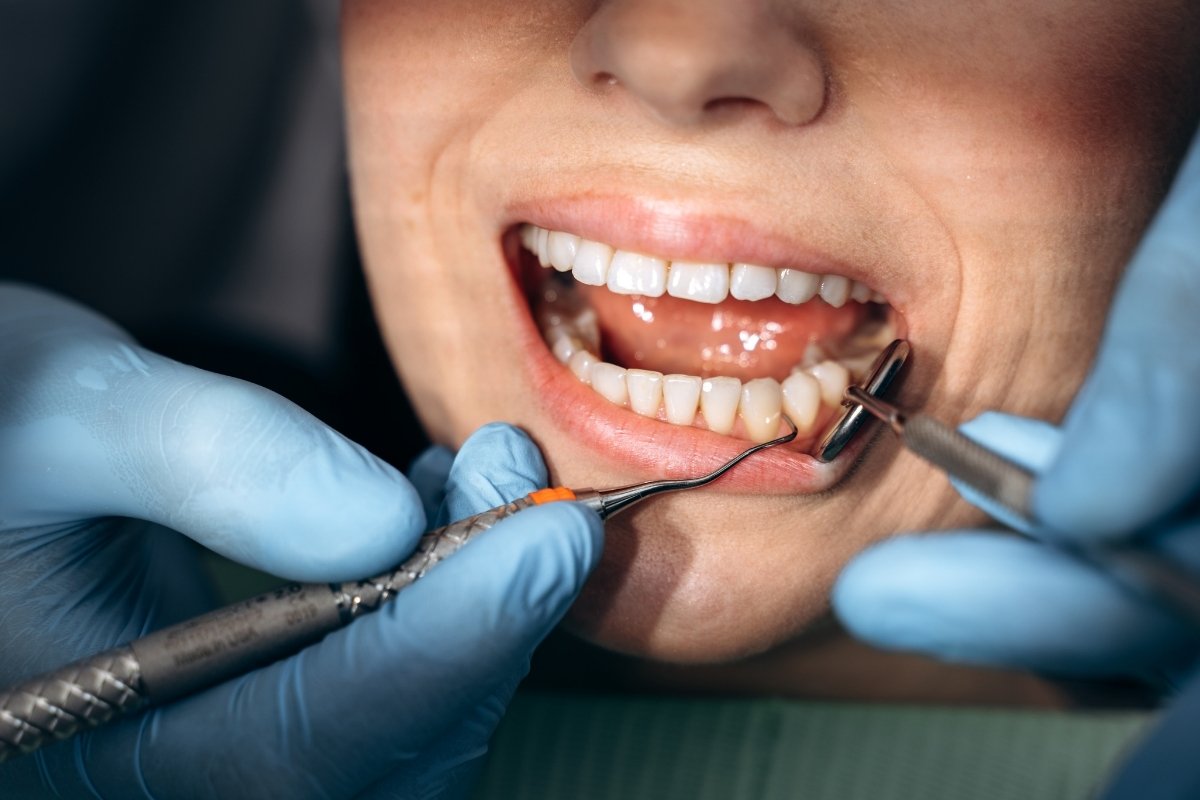
At Heritage Dental Studio, we help patients assess broken tooth situations regularly. This guide walks through how to evaluate the damage, manage it in the moment, and know exactly when to seek urgent care.
First Steps Immediately After a Tooth Breaks
Stay Calm and Assess the Situation
Take a moment to breathe before reacting. Panic makes it harder to think clearly about next steps, and most broken tooth situations, while stressful, aren’t immediately life-threatening.
Rinse Your Mouth Gently
Use warm water to rinse away any blood or debris so you can get a clearer look at the damage. Avoid rinsing forcefully if there’s an open wound.
Locate Any Broken Fragments
If you can find the broken piece of tooth, place it in a small container with milk or your own saliva. In some cases, dentists can bond the fragment back if you’re seen quickly enough.
Apply Gentle Pressure to Control Bleeding
If there’s bleeding from the gum area, use a clean piece of gauze or a damp tea bag and apply gentle, steady pressure.
These first steps help you stabilize the situation while you decide on next steps. Now let’s look at how to actually assess the severity of the break.
Assessing the Severity of Your Broken Tooth
Minor Chips
A small chip that doesn’t cause pain and doesn’t expose the inner tooth structure is generally the least urgent category. It’s still worth having it evaluated, but same-day emergency care usually isn’t necessary.
Moderate Fractures
A larger break that exposes more of the tooth, causes sensitivity to temperature, or leaves a jagged, sharp edge falls into a more urgent category. These typically need attention within a day or two.
Severe Breaks With Visible Pulp
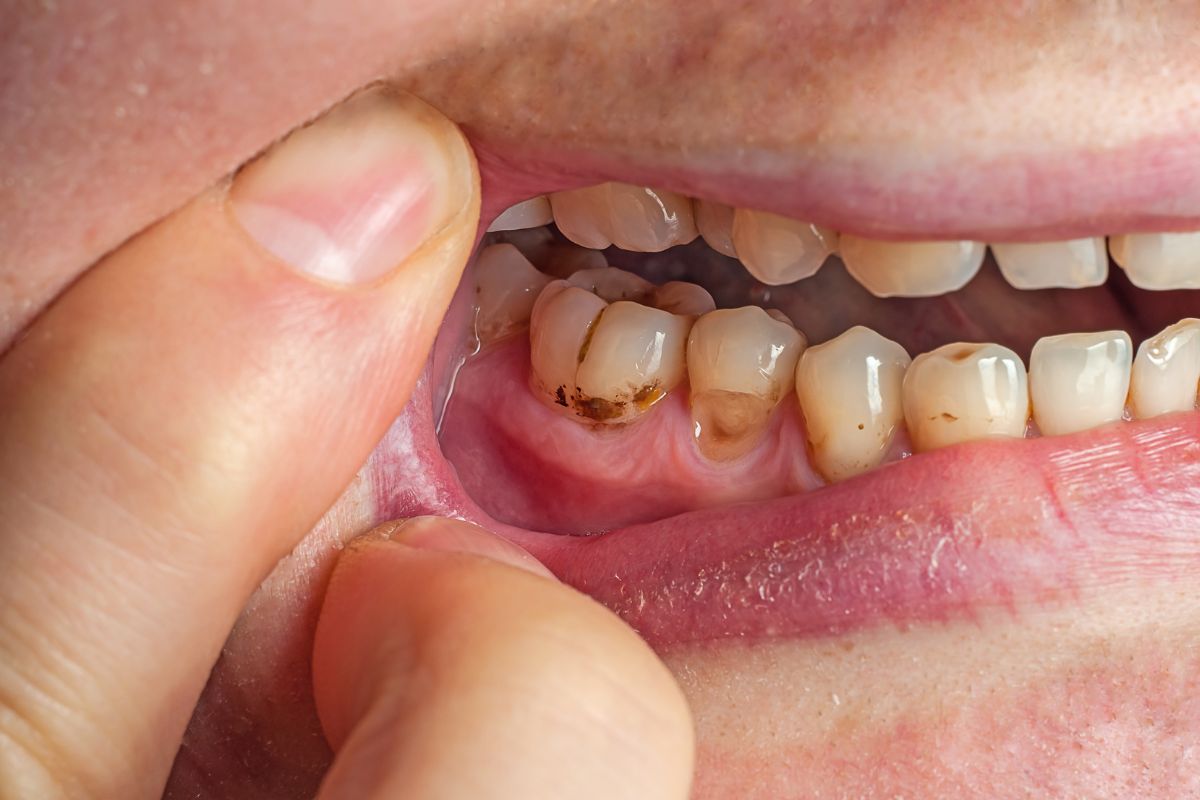
If you can see a pink or reddish area in the center of the broken tooth, this likely means the pulp, containing nerves and blood vessels, has been exposed. This requires prompt attention to prevent infection and manage pain.
Breaks Accompanied by Significant Pain or Bleeding
Intense pain, ongoing bleeding, or a tooth that feels loose alongside the break are all signs pointing toward an emergency situation rather than a routine appointment.
Understanding which category your situation falls into helps you make an informed decision about timing. Let’s look next at exactly when a broken tooth qualifies as a true dental emergency.
When a Broken Tooth Is a True Emergency
The Break Exposes the Nerve
Visible pink or red tissue at the center of the tooth means the nerve is exposed to bacteria and air, which is both painful and a significant infection risk. This scenario calls for emergency dentistry care as soon as possible.
You’re Experiencing Severe, Unrelenting Pain
Pain that doesn’t respond to over-the-counter medication and continues to intensify suggests significant nerve involvement that needs prompt professional treatment.
There’s Significant Swelling
Swelling in the gums, cheek, or jaw following a broken tooth can indicate infection or more extensive trauma than the break alone would suggest.
The Tooth Feels Loose or Displaced
If the broken tooth also feels loose or has shifted position, this suggests damage extends beyond the visible tooth structure into the supporting ligament or bone.
You Have a Fever Alongside the Injury
Fever following a tooth injury can indicate an infection has developed, which requires timely intervention rather than a wait-and-see approach.
If any of these apply to your situation, don’t delay. Contact an emergency dental line promptly rather than waiting for regular business hours. Next, let’s cover situations where urgent, but not necessarily same-day, care is appropriate.
When You Can Wait for a Regular Appointment
Small, Painless Chips
If the chip is minor, doesn’t cause sensitivity, and doesn’t have a sharp edge that could irritate your tongue or cheek, scheduling a regular appointment within the next few days is typically sufficient.
Cosmetic Concerns Without Functional Issues
A chip in a visible area that bothers you aesthetically, but doesn’t cause pain or expose sensitive tooth structure, can usually wait for a standard cosmetic consultation.
Mild Sensitivity That’s Manageable
Some mild sensitivity to temperature after a minor chip is common and doesn’t necessarily indicate an emergency, especially if it’s improving rather than worsening.
Even in these less urgent cases, it’s still important to have the tooth evaluated soon. Delaying too long can allow a minor issue to develop complications. Now let’s talk about managing pain and protecting the tooth while you wait for your appointment.
Managing a Broken Tooth Until You’re Seen
Cover Sharp Edges
If the broken edge is sharp, dental wax (available at most pharmacies) or even a small piece of sugar-free gum can temporarily cover it and prevent irritation to your tongue or cheek.
Avoid Chewing on the Affected Side
Shift your chewing to the opposite side of your mouth to avoid further damaging the tooth or causing additional pain.
Stick to Soft Foods
Choose foods that require minimal chewing, and avoid anything very hot, cold, or sugary, since a broken tooth is often more sensitive to these triggers.
Use Over-the-Counter Pain Relief as Needed
Anti-inflammatory medication like ibuprofen can help manage discomfort while you wait for your appointment. Follow the dosing instructions on the package carefully.
Avoid DIY Repairs
It can be tempting to try fixing a broken tooth with household adhesives, but this isn’t safe and can introduce harmful substances or worsen the damage. Leave repairs to your dental team.
These strategies help you manage discomfort safely while protecting the tooth from further damage. Next, let’s look at what treatment options are typically available once you’re seen.
Common Treatment Options for a Broken Tooth
Dental Bonding
For minor to moderate chips, dental bonding uses composite resin to restore the tooth’s shape in a single visit, often without needing anesthesia.
Dental Crowns
More significant breaks often require a crown to fully restore the tooth’s strength and function. Our guide on dental crown vs filling explains when each option is appropriate.
Root Canal Treatment
If the break has exposed or damaged the pulp, root canal treatment may be necessary to remove damaged tissue and save the tooth before placing a crown.
Tooth Extraction
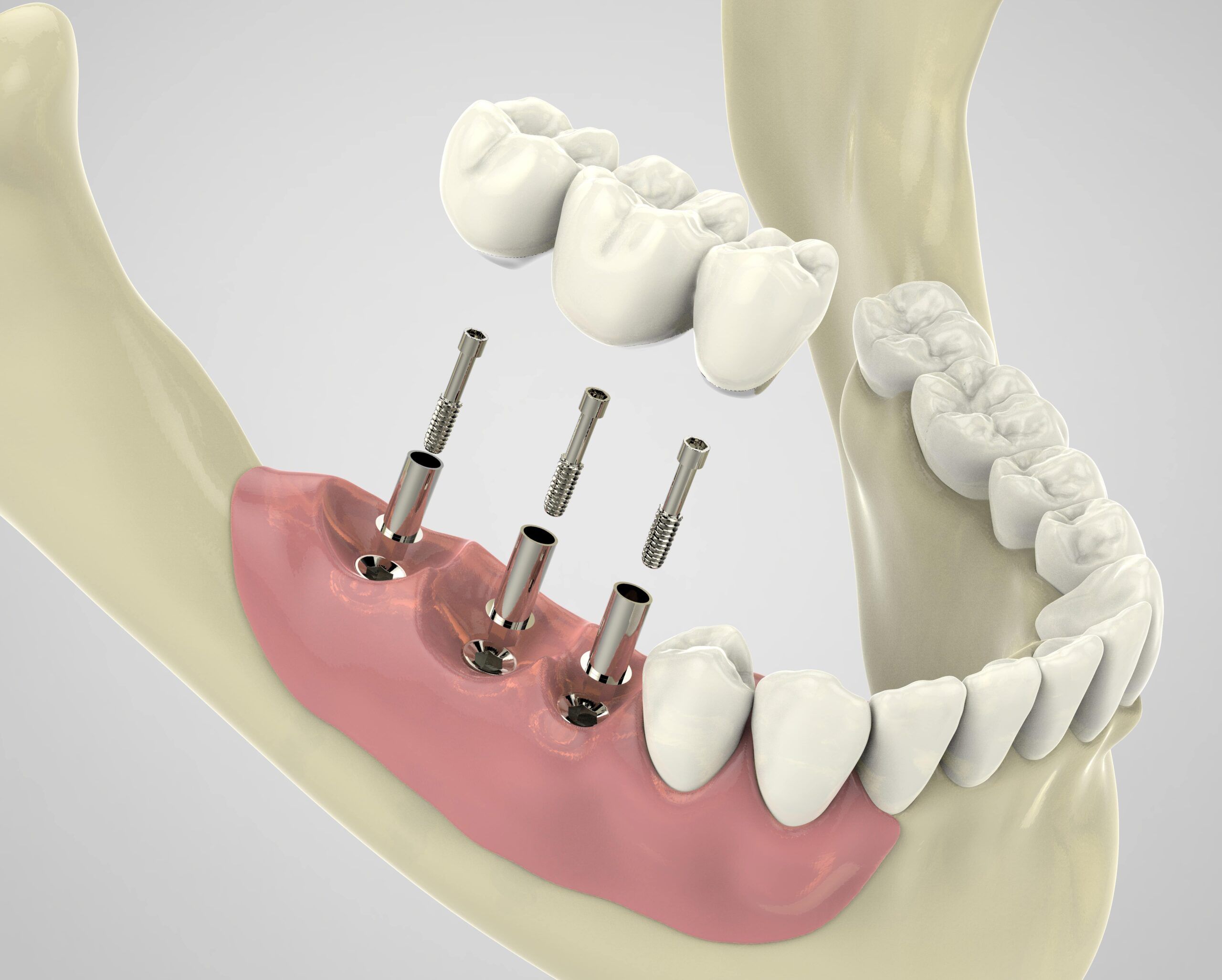
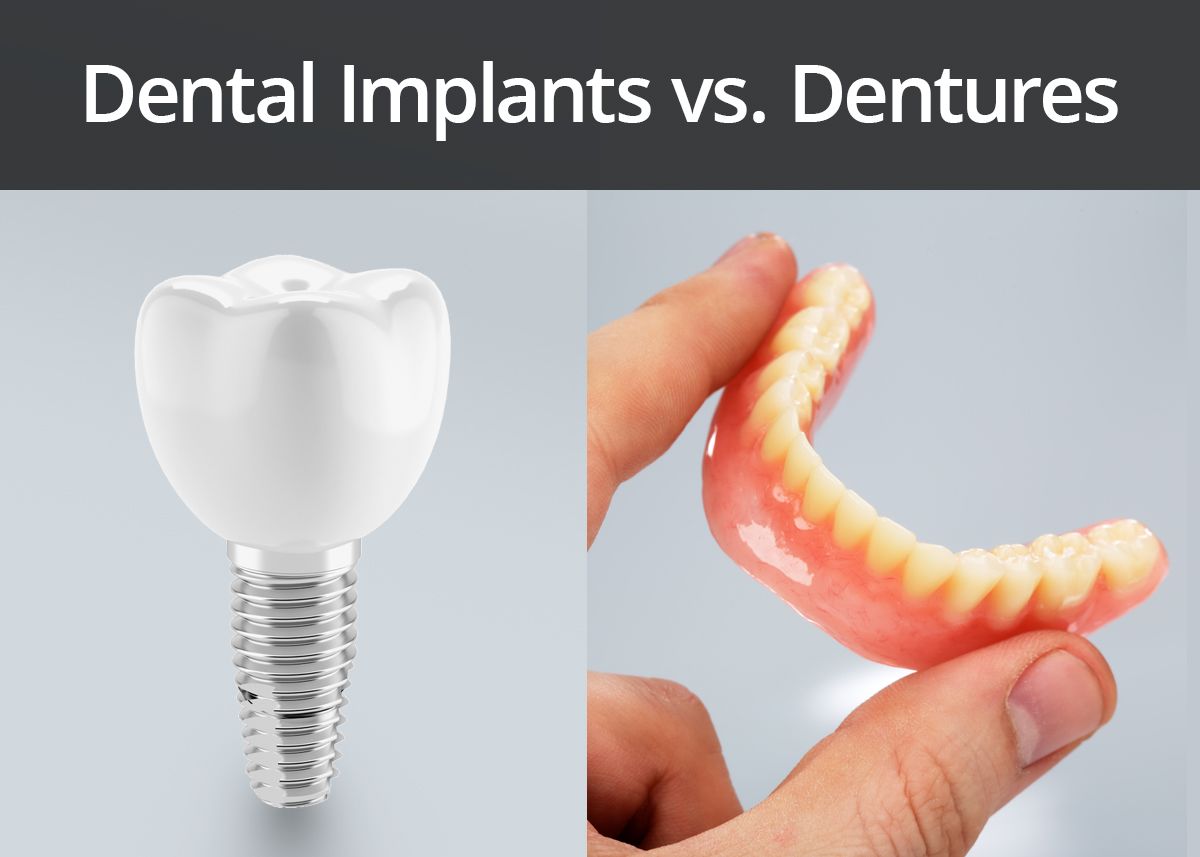
In cases where the tooth is broken beyond repair, extraction followed by a replacement option, such as an implant, may be the recommended path forward.
Your dentist will determine the right approach based on the extent of the damage and the tooth’s overall condition. Next, let’s look at how broken teeth differ from other common dental emergencies, since the response can vary.
Broken Tooth vs. Other Dental Emergencies
It helps to understand how a broken tooth fits alongside other urgent dental situations. A knocked-out tooth requires a different, much faster response, since the tooth may potentially be saved if handled correctly within a short window.
Similarly, understanding when tooth pain becomes a dental emergency can help you recognize related situations that require the same urgent response as a severe break.
Knowing these distinctions helps you respond appropriately across different types of dental trauma, not just broken teeth specifically. Let’s cover a few practical prevention tips next.
Preventing Broken Teeth in the Future
Wear a Mouthguard During Sports
Contact sports and even some recreational activities carry meaningful risk of dental trauma. A properly fitted sports mouthguard significantly reduces this risk.
Avoid Using Your Teeth as Tools
Opening packages, cracking nuts, or biting into ice with your teeth puts unnecessary stress on tooth structure and is a common cause of unexpected breaks.
Address Teeth Grinding
Chronic grinding weakens teeth over time, making them more susceptible to breaking under normal chewing pressure. A night guard can help protect against this.
Keep Up With Regular Dental Visits
Routine checkups can catch weakened or decayed teeth before they’re vulnerable to breaking under normal use.
These habits meaningfully reduce your risk of experiencing a broken tooth emergency in the first place. Let’s close with a clear summary of how to respond if it happens to you.
Final Thoughts on Handling a Broken Tooth
A broken tooth ranges from a minor cosmetic chip to a genuine dental emergency, and knowing the difference helps you respond appropriately. Look closely for exposed pulp, significant pain, swelling, or looseness, since these signal the need for prompt care.
In the meantime, protect the area, manage discomfort safely, and avoid DIY fixes. Whether your situation calls for an emergency visit or a standard appointment, professional evaluation is always the right next step.
Acting quickly and calmly gives your tooth the best chance at a full, comfortable recovery. Don’t hesitate to reach out the moment you’re unsure about what your situation requires.
FAQ
Can a broken tooth heal on its own?
No, tooth structure does not regenerate or heal itself once broken. Professional treatment is needed to restore both function and protect against further damage or infection.
How urgent is a chipped tooth with no pain?
While not an emergency, it should still be evaluated within a few days to prevent the chip from worsening or developing sharp edges that could cause further issues.
What should I do if I can’t see a dentist right away?
Cover sharp edges with dental wax, avoid chewing on the affected side, manage pain with over-the-counter medication, and seek care as soon as possible.
Is a broken tooth always painful?
Not always. Minor chips without nerve exposure may cause little to no pain, while breaks reaching the pulp typically cause significant discomfort.
Can I go to a walk-in clinic for a broken tooth?
Walk-in medical clinics generally cannot treat dental injuries. An emergency dental clinic is the appropriate resource for a broken tooth.
Dealing With a Broken Tooth Right Now?
Contact Heritage Dental Studio for prompt guidance and emergency care to protect your tooth and get you out of pain quickly.