
Tooth pain exists on a spectrum, from mild irritation that resolves on its own to intense pain that signals something urgent happening beneath the surface. Figuring out where your pain falls on that spectrum isn’t always straightforward.
Understanding when tooth pain is a dental emergency helps you make the right call quickly, whether that means booking a routine appointment or seeking immediate care. Getting this decision right protects both your health and your peace of mind.
At Heritage Dental Studio, we help patients navigate this exact question regularly. Here’s a clear breakdown of what separates urgent tooth pain from pain that can wait.
Understanding the Difference Between Urgent and Non-Urgent Pain
Non-Urgent Tooth Pain
Mild, intermittent sensitivity, especially to sweet foods or brief temperature changes, often points to something manageable, like minor enamel wear or a small area of exposed dentin. This category typically doesn’t worsen rapidly.
Urgent Tooth Pain
Pain that’s severe, persistent, worsening, or accompanied by other symptoms like swelling or fever generally falls into the urgent category. This type of pain usually indicates an active infection or significant structural damage.
Knowing which category your symptoms fall into is the foundation for deciding your next step. Let’s go through the specific warning signs that point toward a true emergency.
Warning Signs That Point to a Dental Emergency
Severe, Throbbing Pain That Doesn’t Respond to Medication
Pain intense enough that over-the-counter medication provides little to no relief often indicates significant inflammation or infection that requires professional intervention.
Swelling in the Face, Jaw, or Neck
Swelling extending beyond localized gum tissue into your face or neck can indicate infection spreading beyond the tooth itself. This is a sign to seek care promptly rather than waiting.
Fever Accompanying Tooth Pain
A fever alongside tooth pain suggests your body is actively fighting an infection, which requires prompt professional treatment rather than home management.
Difficulty Swallowing or Breathing
This combination is particularly serious and can indicate an infection has spread to a degree that poses a broader health risk. This scenario warrants emergency medical attention immediately.
Pain Following Trauma or Injury
If your tooth pain started immediately after an injury, such as a fall or impact, this often indicates structural damage that needs prompt evaluation, even if the pain seems initially manageable.
A Visible Abscess or Pimple-Like Bump on the Gum
This can indicate an active infection at the root of a tooth. Our guide on abscessed tooth symptoms explains this presentation in more detail.
Recognizing these signs quickly gives you the clearest guidance on how urgently to act. Next, let’s look at situations that, while uncomfortable, typically don’t require emergency-level urgency.
Situations That Usually Aren’t Emergencies
Mild, Occasional Sensitivity
Brief sensitivity to hot or cold that resolves within seconds is common and often doesn’t indicate an urgent problem, especially if it’s not worsening over time.
Dull, Low-Level Discomfort
A mild, consistent ache that doesn’t significantly interfere with daily activities can typically wait for a scheduled appointment, though it shouldn’t be ignored indefinitely.
Sensitivity After Recent Dental Work
Some tenderness following a filling, cleaning, or other procedure is normal and typically resolves within a few days without requiring urgent attention.
Minor Cosmetic Chips Without Pain
A small chip that doesn’t cause sensitivity or expose inner tooth structure usually doesn’t require emergency care, though it should still be evaluated soon.
Understanding these lower-urgency categories helps prevent unnecessary anxiety while still keeping you attentive to genuine warning signs. Let’s look now at some of the most common underlying causes behind emergency-level tooth pain.
Common Causes of Dental Emergencies
Tooth Decay Reaching the Nerve
When a cavity progresses deep enough to reach the pulp, the resulting pain is often intense and requires prompt treatment, frequently a root canal, to resolve.
Dental Abscess
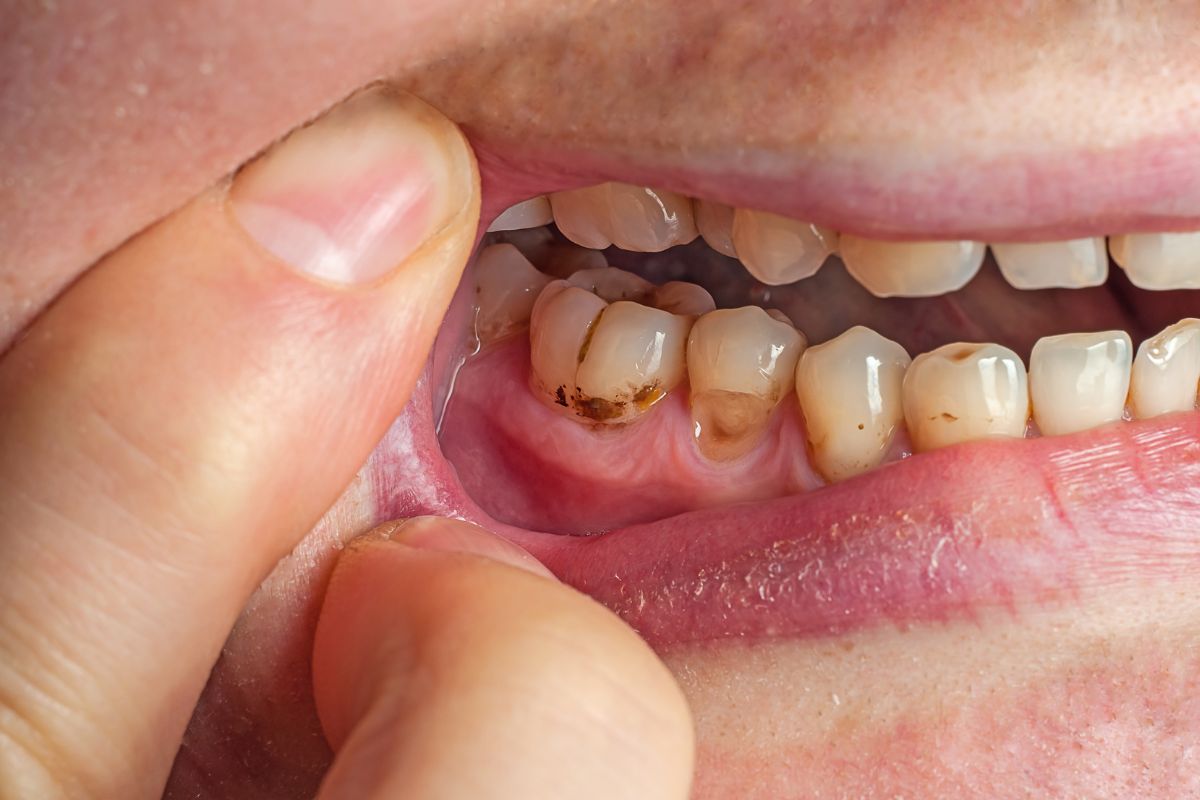
An infection collecting at the root of a tooth or in surrounding gum tissue can cause significant pain and swelling. Left untreated, this infection can spread further into the jaw or bloodstream.
Cracked or Fractured Tooth
A cracked tooth can expose sensitive inner structures to bacteria and pressure, often producing inconsistent but sometimes severe pain.
Lost Filling or Crown
When a filling or crown falls out, the underlying tooth structure becomes exposed and vulnerable, often resulting in sudden sensitivity or pain.
Trauma From Injury
A blow to the mouth can cause immediate pain along with potential fracture, displacement, or nerve damage, all of which typically require prompt evaluation.
Understanding these causes helps clarify why certain symptoms demand urgent attention while others don’t. Next, let’s talk about what to do in the moments before you can actually be seen.
What to Do Before You Can See a Dentist
Rinse With Warm Salt Water
This simple step can help reduce bacteria and mild inflammation while you arrange care. Dissolve half a teaspoon of salt in warm water and rinse gently.
Apply a Cold Compress for Swelling
If you’re experiencing facial swelling, a cold compress applied to the outside of your cheek can help manage discomfort until you’re seen.
Take Appropriate Pain Medication
Over-the-counter anti-inflammatories can help manage pain in the short term. Follow package instructions and avoid exceeding recommended doses.
Avoid Chewing on the Affected Side
Give the painful area a rest by shifting chewing to the opposite side of your mouth until you can be properly evaluated.
Don’t Apply Heat Directly to the Area
Unlike cold compresses, heat can sometimes worsen swelling associated with infection. Stick with cold applications unless your dentist advises otherwise.
These steps can help you manage symptoms safely while you arrange proper care. Now, let’s talk specifically about how to decide between an emergency dental visit and a hospital emergency room.
Emergency Dentist vs. Hospital Emergency Room
This is a common point of confusion, and getting it right saves you time during an already stressful situation. Most tooth pain, even severe cases, is best handled by an emergency dentistry provider rather than a hospital ER.
Hospital emergency rooms are generally better equipped for situations involving difficulty breathing or swallowing, uncontrolled bleeding, or suspected jaw fractures, since these require broader medical resources beyond dental care alone.
For infection, severe pain, swelling confined to the mouth and face, or trauma resulting in a knocked-out or broken tooth, an emergency dental clinic is typically both faster and better equipped to address the specific issue.
Knowing which resource to reach out to first can significantly reduce the time it takes to get appropriate treatment. Next, let’s cover a few related emergency situations that deserve their own quick explanation.
Related Dental Emergencies Worth Understanding
Knocked-Out Teeth
A knocked-out tooth requires an especially fast response, since the tooth may potentially be saved if treated within a narrow time window.
Broken Teeth
Not every broken tooth is a true emergency, but certain signs, like exposed pulp or significant pain, indicate the need for prompt care.
Dental Abscesses
Understanding whether a dental abscess is an emergency helps you recognize when swelling and infection have progressed to a level requiring urgent treatment.
Familiarizing yourself with these related situations builds a more complete picture of dental emergencies overall. Let’s move on to how consistent preventive care reduces your risk of experiencing these situations in the first place.
Reducing Your Risk of Future Dental Emergencies
Stay Consistent With Preventive Visits
Regular checkups allow your dentist to catch small issues, like early decay or a developing crack, before they progress into emergencies.
Address Symptoms Early
Don’t wait for mild discomfort to become severe pain. Early evaluation of even minor symptoms often prevents the need for emergency care later.
Protect Your Teeth During Physical Activity
Wearing a mouthguard during contact sports significantly reduces your risk of traumatic dental injuries.
Maintain Strong Daily Oral Hygiene
Consistent brushing and flossing reduces your overall risk of the decay and gum disease that commonly lead to emergency situations. Review our guide on how to brush and floss correctly for proper technique.
These habits collectively lower your risk of experiencing a dental emergency, though accidents and infections can still occur despite your best efforts. Let’s close with a clear summary to guide your decision-making.
Final Thoughts: Trust the Warning Signs
When is tooth pain a dental emergency? The clearest answer is when pain is severe and unrelenting, accompanied by swelling or fever, or follows a traumatic injury. These signs shouldn’t be managed at home alone.
For milder, more stable symptoms, a scheduled appointment is typically appropriate, though prompt evaluation is still worthwhile. When in doubt, reaching out to your dental team for guidance is always a reasonable step.
Trusting your instincts alongside these warning signs helps you respond confidently rather than uncertainly. Your comfort and health are worth acting on promptly when something feels genuinely wrong.
FAQ
Can tooth pain be an emergency even without visible swelling?
Yes, severe or rapidly worsening pain can indicate a significant issue even without visible swelling. Pain intensity and duration matter just as much as visible symptoms.
How long should I wait before considering tooth pain an emergency?
If pain is severe, worsening, or accompanied by fever or swelling, don’t wait at all. For milder pain, monitor for 24 to 48 hours before deciding whether urgent care is needed.
Is it normal for tooth pain to come and go?
Intermittent pain can still indicate an underlying issue, even if it’s not constant. It’s worth having evaluated rather than assuming it will resolve on its own.
Can stress cause tooth pain that feels like an emergency?
Stress-related teeth clenching can cause significant discomfort, but it’s still worth ruling out other causes with a professional evaluation rather than assuming stress is the sole cause.
What if I can’t reach my regular dentist during a dental emergency?
Look for an emergency dental clinic in your area that offers same-day or after-hours appointments. Many practices, including Heritage Dental Studio, prioritize urgent cases.
Experiencing Tooth Pain Right Now?
If you’re unsure whether your symptoms qualify as an emergency, contact Heritage Dental Studio for prompt guidance and care when you need it most.