A routine dental cleaning in Toronto typically costs between $150 and $300 without insurance, while a deeper scaling and root planing treatment runs $200 to $500+ per quadrant. Your final dental cleaning cost in Toronto depends on your oral health, whether you need x-rays, and whether you qualify for CDCP coverage. Most downtown clinics bundle the exam, polish, and fluoride into one visit, so the number on your receipt reflects more than just the cleaning itself.
If you have been putting off a cleaning because you are not sure what to budget for, you are not alone. This guide breaks down every part of the bill so you can walk into your appointment with realistic expectations.
What a Toronto Dental Cleaning Actually Includes
A “cleaning” is rarely just one line item on your invoice. Most clinics charge separately for the exam, any needed x-rays, the polish, and fluoride.
That is why two people can both say they “got a cleaning” and pay very different amounts. Understanding each component helps you see exactly where your money goes.
The Core Cleaning (Scaling)
This is the standard removal of plaque and tartar above and slightly below the gumline. On its own, this portion typically costs $50 to $110 per unit, based on time spent.
The Oral Exam
A recall or routine exam usually adds $85 to $180 to your visit. Some clinics discount the exam when it is booked with a cleaning on the same day.
X-Rays, If Needed
Bitewing x-rays generally cost $30 to $70 depending on how many images your dentist takes. Not every visit requires new x-rays, since most practices only recommend them every one to two years.
Once you understand these building blocks, the total price on your invoice starts to make a lot more sense.
How Much Does a Dental Cleaning Cost in Toronto Without Insurance?
Without any coverage, a full routine visit (exam, cleaning, and polish) generally lands between $150 and $300 in downtown Toronto. Clinics operating in the core, including areas with higher commercial rent, tend to sit toward the upper end of that range.
If your gums show signs of disease, your dentist may recommend scaling and root planing instead of a standard cleaning. This deeper treatment is billed per quadrant of the mouth, and full-mouth treatment can climb past $800 when all four quadrants need attention, a pattern confirmed across current Ontario pricing data.
Toronto pricing sits at the higher end nationally, since the Ontario Dental Association’s 2026 Suggested Fee Guide reports a recall exam in the $96 to $182 range and scaling priced on a comparable scale, a detail worth understanding through the ODA Fee Guide before your appointment.
Knowing the price range is useful, but understanding why your own quote might land higher or lower matters just as much.
Why Your Price Might Be Higher or Lower
Several factors push your specific cleaning cost up or down from the citywide average.
Gum Health
If you have visible plaque buildup, bleeding gums, or early signs of gum disease, a simple polish will not be enough. Your dentist may recommend scaling and root planing, which costs more than a routine cleaning because it treats below the gumline.
How Long Since Your Last Visit
Patients returning after two or three years away often need more scaling time. Tartar buildup that has hardened over months takes longer to remove safely.
Clinic Location and Overhead
Downtown Toronto clinics generally carry higher rent and staffing costs than suburban practices. That overhead is reflected in the fee, even for an identical procedure.
Sedation or Special Needs
Patients with significant dental anxiety sometimes request mild sedation for a cleaning. This adds a separate fee on top of the standard cleaning charge.
With those variables in mind, it helps to look at what a deep cleaning specifically involves, since it is the most common reason bills climb higher than expected.
Scaling and Root Planing: The Deep Cleaning Cost Difference
A standard cleaning only reaches the visible parts of your teeth and just under the gumline. Scaling and root planing goes further, cleaning plaque and tartar from the tooth root surface itself.
This treatment is usually recommended when x-rays or a periodontal exam show early bone loss or gum pockets deeper than 4mm. Pricing is done per quadrant, so a full-mouth deep cleaning typically totals somewhere between $600 and $1,200 across two visits.
For a closer look at what this procedure actually involves step by step, our guide to scaling and root planing deep cleaning walks through the full process.
Now that you know how deep cleaning pricing works, it is worth understanding how coverage through the CDCP changes what you actually pay out of pocket.
How CDCP Affects Your Cleaning Cost
The Canadian Dental Care Plan covers routine cleanings, exams, x-rays, and fluoride applications for eligible residents, as confirmed on the official CDCP coverage page. Whether you owe anything out of pocket depends entirely on your income tier.
Families with adjusted net income under $70,000 pay nothing toward CDCP-eligible fees, while those between $70,000 and $79,999 cover 40 percent and those between $80,000 and $89,999 cover 60 percent. Your dentist’s actual fee can still exceed the CDCP-established rate, which means a balance may remain even at full coverage.
Our full breakdown of what CDCP actually covers explains exactly which cleaning-related codes qualify and which do not. If you have not applied yet, our guide on how to apply for CDCP walks through the application steps.
Understanding your CDCP tier is one thing, but knowing how often you should actually be booking a cleaning changes your yearly total significantly.
How Often You Should Book a Cleaning
Most adults benefit from a cleaning every six months, though some patients with strong gum health can safely stretch to once a year. Others managing gum disease may need a cleaning every three to four months to stay ahead of bacterial buildup.
Skipping cleanings does not save money in the long run. Plaque left untreated hardens into tartar, which requires more time, and therefore a higher fee, to remove safely later.
Our detailed guide on how often you should get a professional teeth cleaning breaks this down by individual risk factor. Sticking to a consistent schedule is one of the simplest ways to keep your long-term dental costs predictable.
Ways to Lower Your Cleaning Bill in Toronto
You have more control over this bill than most people realize.
Confirm CDCP Eligibility First
Before booking, check whether you qualify for the Canadian Dental Care Plan, since it can eliminate or significantly reduce your cost.
Ask About Direct Billing
If you carry workplace dental benefits, direct billing means your insurer pays the clinic directly, so you are only responsible for any remaining balance.
Book Consistently
Patients who keep to a six-month schedule almost always pay less per visit than those who wait years between appointments and need extensive scaling.
Ask for a Written Treatment Plan
A clear breakdown before treatment begins prevents billing surprises and lets you compare the exam, cleaning, and any x-ray fees individually.
If none of these options bring the cost down enough, it is worth exploring broader affordable care resources available across the city.
If Cost Is Still a Barrier
Toronto has several avenues for patients without private insurance or full CDCP coverage. Payment plans, sliding-scale clinics, and community health centres all exist specifically to close this gap.
Our guide to affordable dental care options in Toronto lists practical paths forward if a routine cleaning still feels out of reach financially. No one should skip preventive care purely because of upfront cost when workable alternatives exist.
Why Skipping a Cleaning Costs More Later
Postponing a cleaning rarely eliminates the expense. It usually just delays it and makes the eventual treatment more involved.
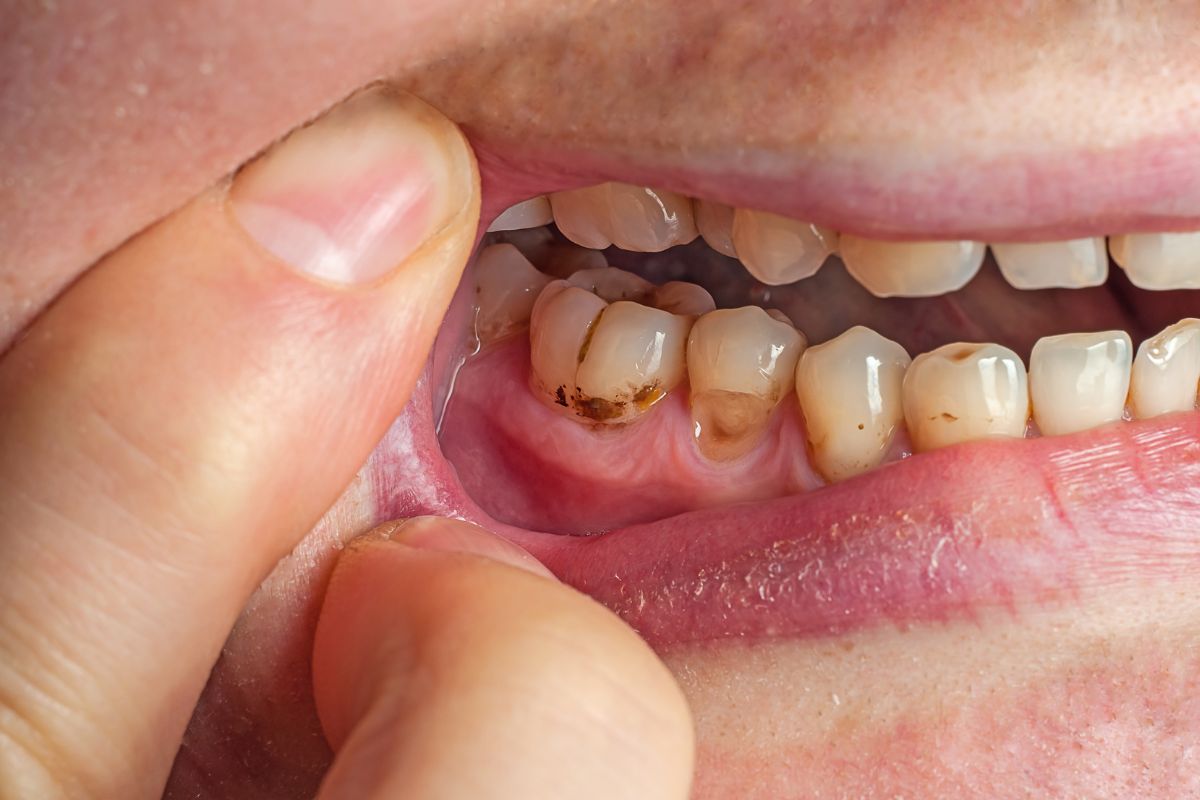
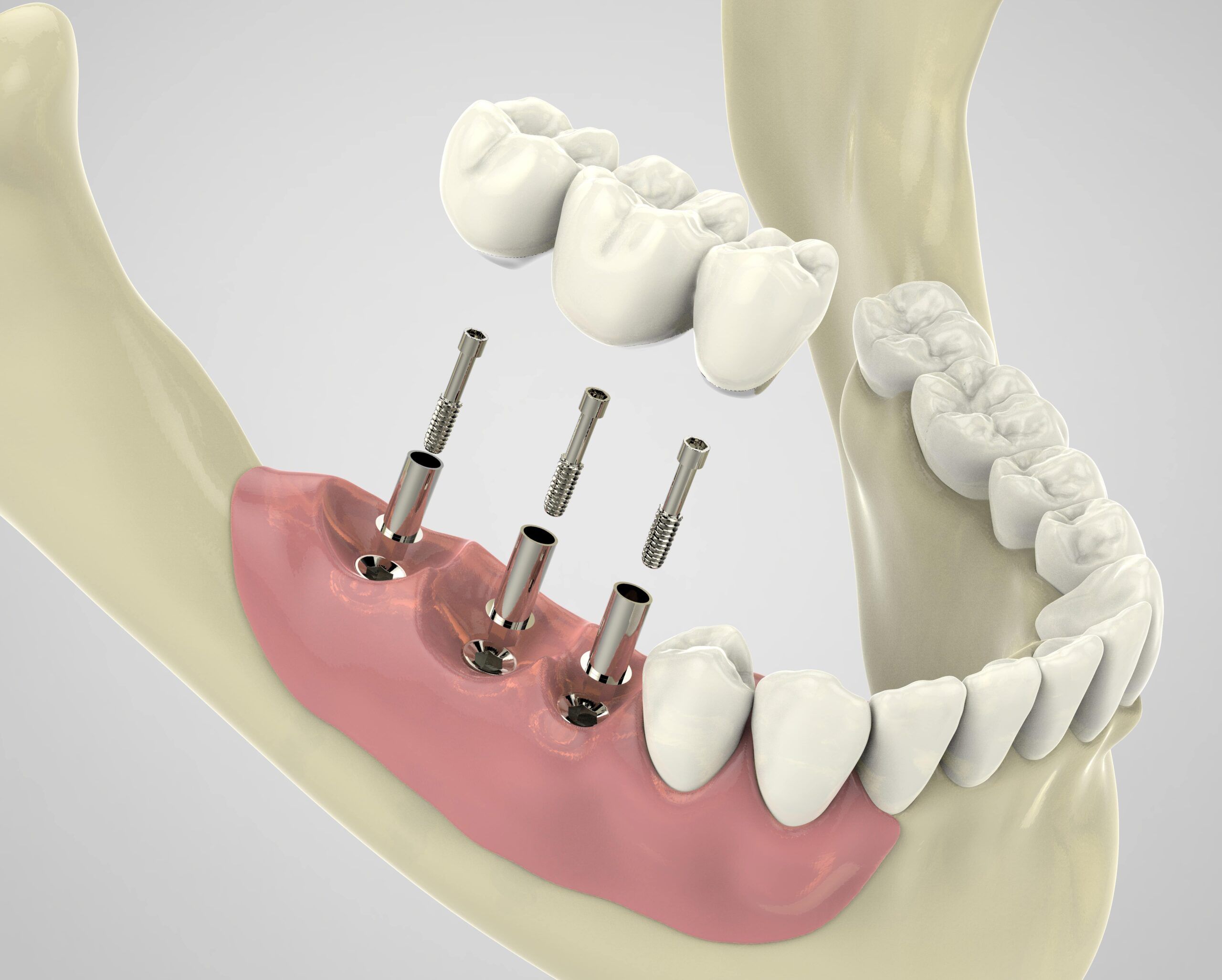
Plaque that sits untouched for a year or more often progresses into gum disease, which shifts your treatment from a simple polish into scaling and root planing at a meaningfully higher price. In more advanced cases, untreated gum disease can also contribute to tooth loss, which brings far larger costs like bridges or replacement teeth into the picture.
A routine dental cleaning is one of the few dental expenses that reliably prevents larger bills down the road, which is exactly why staying on schedule matters so much.
Cleaning Costs Compared Across the GTA
Toronto is not the cheapest place in Ontario to get your teeth cleaned, but it is not the most extreme outlier either. Suburban clinics in Mississauga, Scarborough, or Etobicoke often price ten to twenty percent below the downtown core.
The gap mainly comes down to commercial rent and staffing costs rather than the quality of care itself. A hygienist trained to the same provincial standards performs the cleaning whether the chair sits on Bay Street or in a strip mall further out.
For patients who work downtown but live elsewhere, this creates a real decision. Booking near your workplace is convenient, but booking closer to home may shave a noticeable amount off your total bill over a year of visits.
That said, convenience has its own value, especially if a nearby clinic means you are less likely to skip appointments altogether.
New Patient vs Returning Patient Pricing
Your very first visit to a new clinic almost always costs more than your second or third.
First Visit: Comprehensive Exam and X-Rays
A new patient exam is broader than a routine recall exam, since your dentist needs a full picture of your oral health history. This visit often includes a complete set of x-rays, which adds $80 to $150 on top of the cleaning itself.
Returning Patient: Recall Exam Only
Once your baseline records exist, future visits usually only need a shorter recall exam. This drops your per-visit total meaningfully compared to that first appointment.
Why This Matters for Budgeting
If you are shopping around for a new dentist, do not compare a first-visit quote at one clinic to a returning-patient quote at another. Ask specifically what a second, routine visit would cost, since that number reflects your ongoing yearly expense far more accurately.
Understanding this distinction also helps explain why some online price comparisons look inconsistent between clinics.
What Hygienists Actually See in a Downtown Toronto Practice
Years of chairside experience across downtown clinics point to a consistent pattern. Patients who commute long hours or work irregular shifts are the most likely to push cleanings past the six-month mark.
By the time they do come in, tartar has often hardened along the lower front teeth and behind the upper molars, the two areas hardest to reach with a toothbrush alone. That buildup is exactly what turns a routine, lower-cost cleaning into a longer, more involved appointment.
The pattern is avoidable. Patients who set a recurring calendar reminder for their six-month cleaning consistently spend less per visit over time than those who book reactively, only when something starts to hurt.
This is also why many clinics now send automated reminder texts rather than relying on a single mailed postcard, since a well-timed nudge measurably improves how many patients stay on schedule.
Is a Cleaning Ever Fully Free in Toronto?
For a narrow group of patients, yes, a cleaning can come at no direct cost.
Children and youth may qualify under Healthy Smiles Ontario, a separate provincial program from CDCP with its own income and age rules. Adults with qualifying low income and no private insurance may find their entire CDCP-eligible cleaning fee covered with zero co-payment.
Outside of these specific situations, most patients should expect at least a partial cost, even with strong coverage. Confirming your exact tier before your appointment, rather than assuming full coverage, prevents an unwelcome surprise at checkout.
Community health centres across Toronto also run reduced-fee dental days for uninsured residents, which is worth calling ahead to ask about if cost is your main barrier to booking.
How This Fits Into Your Broader Dental Budget
A cleaning is almost never an isolated expense in isolation from the rest of your oral health. Patients who keep up with cleanings tend to catch small issues, like the early signs of a cavity, while they are still inexpensive to treat.
Patients who skip cleanings for years, by contrast, often end up combining a deep cleaning appointment with a filling or even a dental crown once decay has progressed further. Viewed this way, the $150 to $300 you spend on a cleaning is one of the smallest line items in a well-managed dental budget, precisely because it prevents larger ones.
Thinking about your cleaning cost as part of a yearly plan, rather than a one-off expense, makes the entire budgeting process far less stressful.
What Actually Happens During Your Cleaning Visit
Knowing the steps ahead of time makes the appointment feel far less like an unknown expense and more like a predictable routine.
Step One: Review and Exam
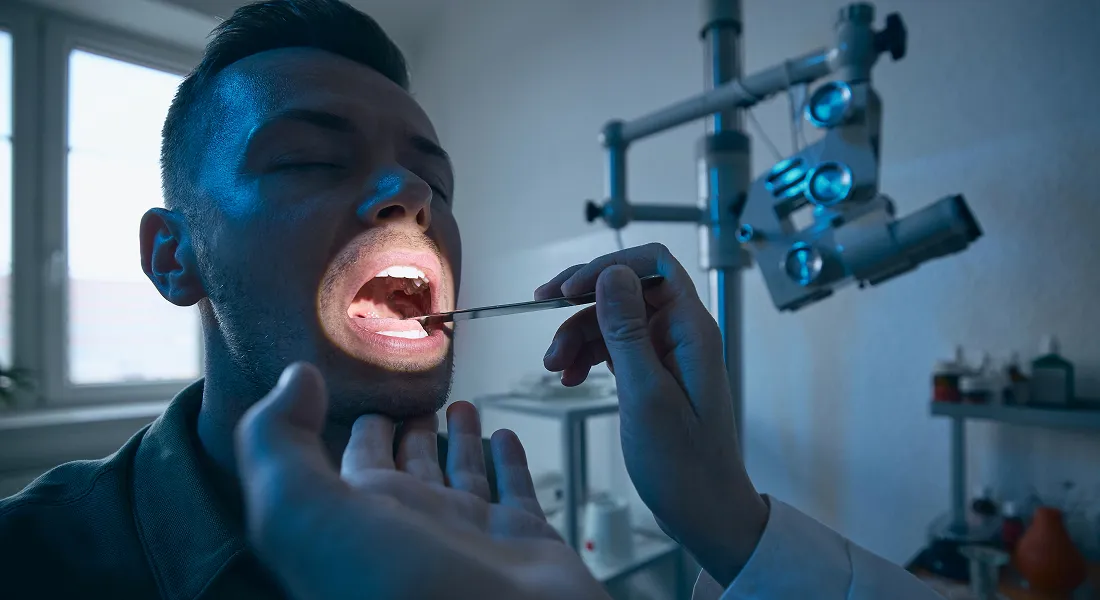
Your hygienist or dentist reviews your medical history and checks your gums, teeth, and any problem areas from a prior visit. This is also when they decide whether you need a standard cleaning or something more involved, like scaling.
Step Two: Scaling
Using hand instruments or an ultrasonic scaler, plaque and tartar are removed from around and slightly below the gumline. Patients with sensitive teeth can usually request a topical numbing gel at this stage.
Step Three: Polishing
A gritty paste and a rotating tool smooth the tooth surface, removing surface stains from coffee, tea, or wine. This step is cosmetic as much as preventive, since polished enamel resists new plaque slightly better.
Step Four: Fluoride (Optional)
Many clinics offer a fluoride varnish at the end of the visit for an added fee, typically $30 to $50. It is not mandatory, but it strengthens enamel and is especially useful for patients prone to sensitivity or early decay.
Step Five: Recommendations
Before you leave, your dentist should flag anything that needs follow-up, whether that is a small cavity, a cracked filling, or gum recession worth monitoring. This final step is where a routine cleaning often catches problems while they are still cheap to fix.
Knowing this sequence in advance also helps you ask better questions if your quote seems higher than expected for a “standard” visit.
Common Add-Ons That Change Your Total
A handful of optional treatments are frequently bundled with a cleaning, and each carries its own separate fee.
Fluoride Varnish
As mentioned above, this typically adds $30 to $50 and is billed separately from the base cleaning fee. Adults with a history of cavities or exposed root surfaces benefit most from this addition.
Dental Sealants
Sealants protect the chewing surfaces of molars from decay and are sometimes recommended alongside a cleaning for both kids and adults. Pricing runs roughly $40 to $80 per tooth and is not automatically included in a standard cleaning appointment.
Oral Cancer Screening
Some clinics fold a basic visual and tactile oral cancer screening into every routine cleaning at no extra charge. Others bill it as its own line item, so it is worth asking directly if this matters to you.
Night Guard Impressions
If your hygienist notices signs of grinding during your cleaning, they may suggest impressions for a night guard. This is a completely separate service from the cleaning itself and is priced independently.
Being aware of these add-ons before your appointment means nothing on the final invoice comes as a surprise.
Questions Worth Asking Before You Book
A short phone call before booking can save you from an inflated bill later.
Ask whether the quoted price includes the exam, or only the cleaning itself. Ask whether x-rays are required at this visit or whether your existing images are recent enough to skip them.
Ask directly whether the clinic is a registered CDCP provider, since not every practice has enrolled. Finally, ask what the clinic charges for a standard six-month recall visit specifically, not just a general “starting from” price used in advertising.
Clinics that answer these questions clearly and without hesitation are typically the ones that bill transparently once you are in the chair.
Comparing a Cleaning Cost to the Cost of Neglect
It helps to see the bigger financial picture side by side.
A consistent pattern of six-month cleanings over five years typically costs a patient somewhere in the $1,500 to $3,000 range in total, assuming no major complications arise. A patient who avoids the dentist for those same five years often ends up needing scaling and root planing, one or more fillings, and sometimes a crown, easily tripling that total once treatment finally begins.
This is not a scare tactic, it is simply how untreated plaque and early decay behave over time. The math consistently favors staying current on cleanings, even for patients paying entirely out of pocket without any CDCP or private coverage.
The Bottom Line on Toronto Cleaning Costs
Understanding your dental cleaning cost in Toronto comes down to three things: which type of cleaning you need, whether you qualify for CDCP, and how consistent you have been with past visits. A standard cleaning without coverage generally falls between $150 and $300, while deeper treatment climbs higher based on the number of quadrants involved.
Booking regularly, confirming your CDCP status ahead of time, and asking your clinic for a clear written estimate are the three moves that keep this cost predictable year after year. A little planning now protects both your smile and your budget later.
Frequently Asked Questions
Does a dental cleaning cost more downtown than in the suburbs?
Yes, typically. Downtown Toronto clinics often carry higher rent and staffing costs, which can push cleaning fees toward the higher end of the citywide range compared to suburban practices.
Is a dental cleaning fully covered by CDCP?
It depends on your income tier. Families under $70,000 in adjusted net income generally pay nothing for CDCP-eligible cleaning codes, while higher tiers cover a percentage of the cost.
Why did my cleaning cost more than a friend’s cleaning at another clinic?
Differences usually come down to gum health, whether x-rays were needed, and whether scaling and root planing was required instead of a standard cleaning.
How much does a deep cleaning cost compared to a regular cleaning in Toronto?
A regular cleaning generally runs $150 to $300, while a full-mouth deep cleaning across all four quadrants can total $600 to $1,200 over two visits.
Can I get a cleaning without any insurance at all?
Yes. Many Toronto clinics offer transparent self-pay pricing and payment plans for patients without private coverage or CDCP eligibility.
Ready to Book Your Cleaning?
If you are due for a checkup or want an honest, upfront quote before you commit to anything, Heritage Dental Studio’s dental cleaning service team can walk you through your CDCP eligibility and exact out-of-pocket cost before you sit in the chair.