Deciding to get dentures brings up a practical question right away: what will it actually cost. Pricing varies more than most people expect, depending on the type of denture, the materials used, and whether any teeth need to be removed first.
Toronto denture pricing in 2026 spans a wide range, from a few thousand dollars for a conventional set to considerably more for implant-supported options. Understanding what drives that range helps you plan realistically before committing to a treatment path.
This guide breaks down the current cost ranges, what affects pricing, and how coverage through insurance or the CDCP factors into your total.
Types of Dentures and Their Price Ranges
Conventional Full Dentures
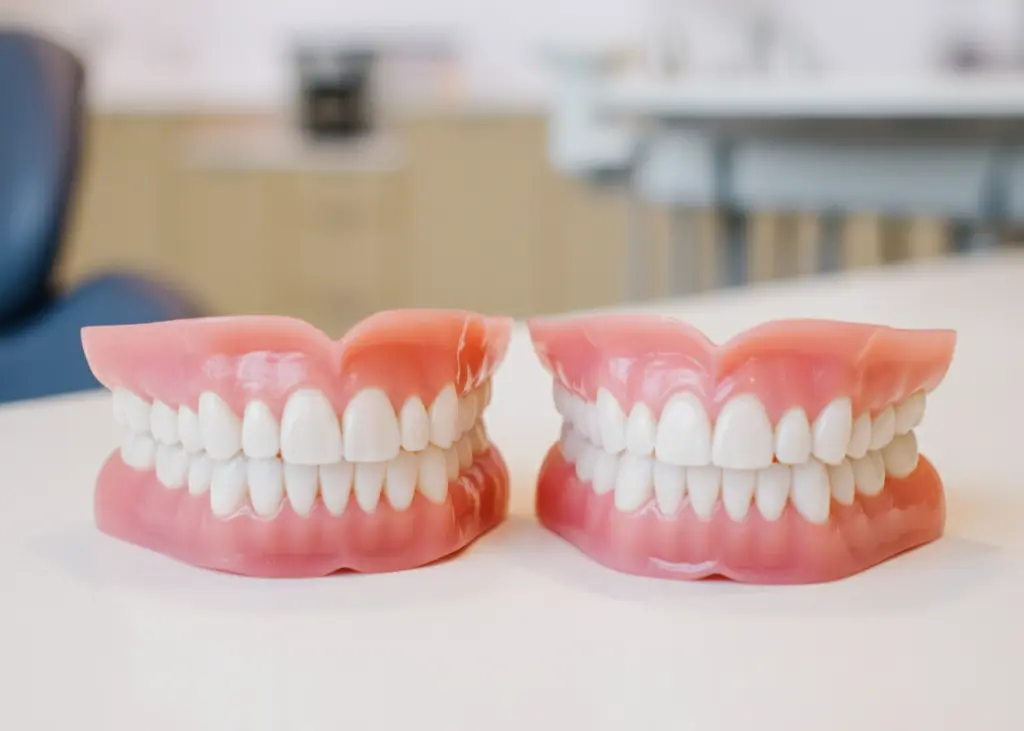
A conventional complete denture, covering an entire upper or lower arch, typically costs between roughly $1,500 and $3,500 in the Toronto area, based on current 2026 pricing. This option is placed after your gums and jawbone have healed from any necessary extractions, which usually takes a number of weeks.
Immediate Dentures
Immediate dentures are placed on the same day as extractions, eliminating any period without teeth, and typically cost slightly more, in the range of roughly $1,700 to $3,800. Because your gums continue to change shape as they heal, immediate dentures are generally considered a transitional solution that often needs replacement or significant adjustment within six months to a year.
Partial Dentures
A partial denture replaces only the missing teeth in an arch while remaining natural teeth stay in place, and pricing varies depending on materials and the number of teeth being replaced. Our comparison of full vs partial dentures explains which option fits different situations.
Implant-Supported Dentures
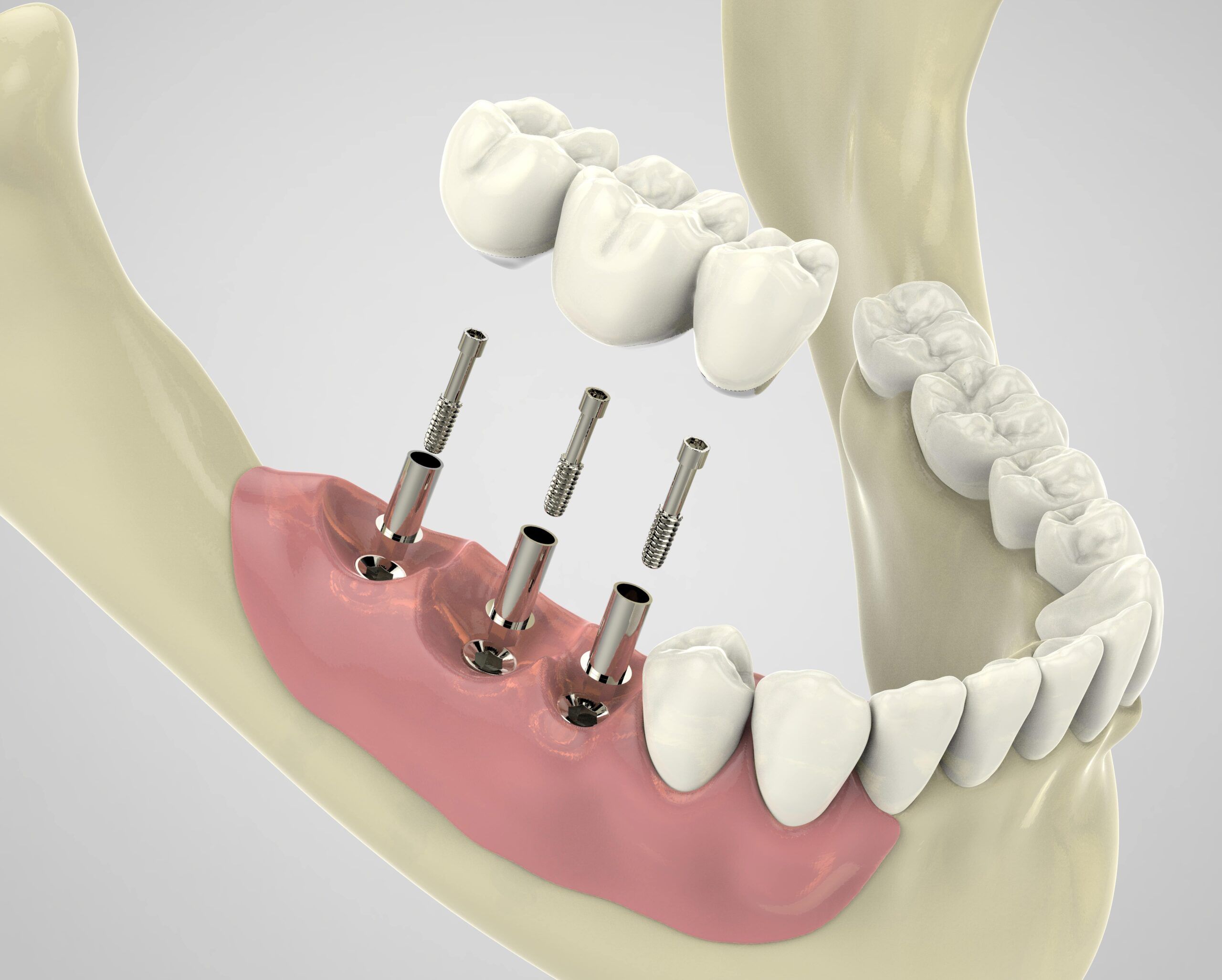
Snap-in or implant-retained dentures, which anchor to two or more dental implants for added stability, generally run considerably higher, with per-arch pricing that can extend into the thousands once surgical placement is included. Our comparison of implant-supported vs traditional dentures walks through this trade-off between cost and stability.
Understanding these categories gives you a starting point, but several additional factors shape what you will actually pay.
What Affects Your Final Denture Cost
Extractions and Preparatory Work
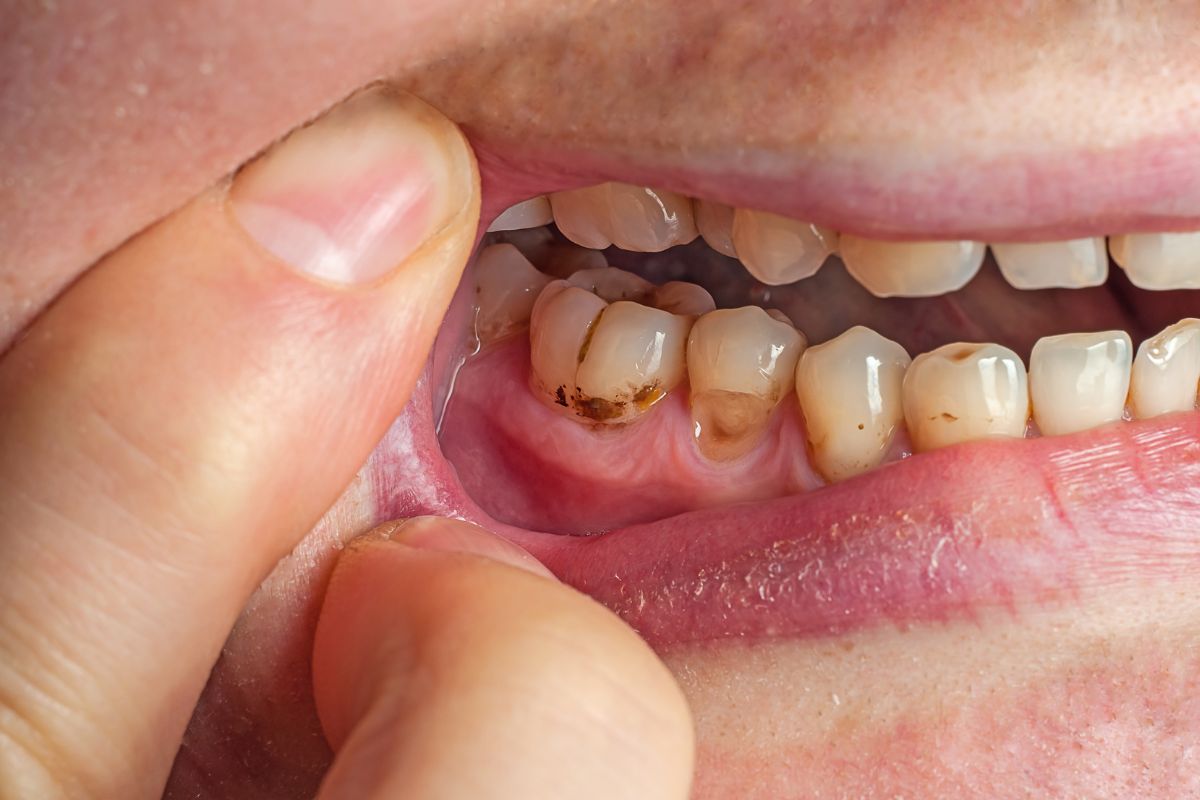
If you still have teeth that need to be removed before your dentures are fitted, those extractions are priced separately from the denture itself. Our guide on tooth extraction cost in Toronto explains what to expect for this preliminary step.
Bone Grafting for Implant-Supported Options
If you are considering implant-supported dentures and have experienced significant bone loss, a bone graft may be recommended before implants can be placed. This adds to the overall timeline and cost but supports a more stable long-term result.
Material Quality and Fit
Higher-quality denture materials and a more precise fit generally cost more but tend to feel more comfortable and last longer. Discussing material options directly with your dentist helps you balance your budget against your comfort priorities.
Relines and Adjustments Over Time
Dentures typically need periodic relines as your gums and jawbone change shape over time, and these adjustments are usually billed separately from the initial cost. Budgeting for these follow-up visits helps you avoid surprises down the line.
With the cost factors clear, it is worth understanding how insurance and government coverage apply to denture treatment specifically.
How CDCP and Insurance Coverage Apply to Dentures
CDCP Coverage for Standard Dentures
The Canadian Dental Care Plan covers standard complete dentures without pre-authorization, generally limited to one set per arch within a set benefit period. Cast partial dentures are also covered, though they typically require pre-authorization before the claim is approved.
What CDCP Does Not Cover
Implant-supported dentures are excluded from CDCP coverage at every income tier, which is important to factor in if you are weighing that option against a conventional denture. Reviewing our full breakdown of what the CDCP covers can help you understand where dentures fit into your overall coverage picture.
Private Insurance Considerations
Most private dental plans classify dentures as a major service, often with a percentage covered up to an annual maximum. Confirming your specific plan details before treatment helps you estimate your out-of-pocket portion accurately.
Once coverage is clear, the next practical question is how dentures compare to other tooth replacement options in terms of overall value.
Dentures vs Dental Implants: Comparing the Investment
Upfront Cost Differences
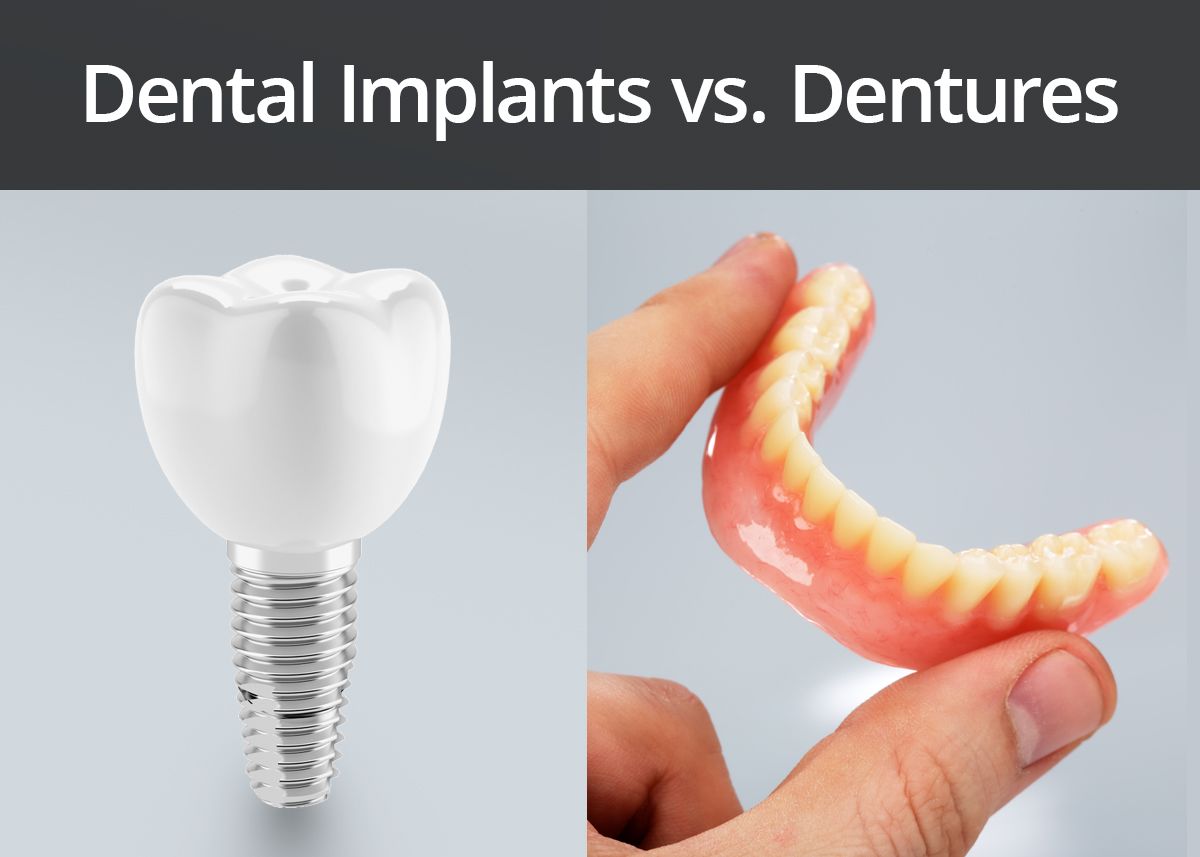
Conventional dentures generally cost less upfront than a full set of dental implants, making them a more accessible option for many patients initially. Our page on dental implants explains the full process and pricing for that alternative.
Long-Term Value Considerations
While implants cost more initially, they typically do not require the periodic relines and eventual full replacement that conventional dentures need over time. Weighing the upfront cost against the long-term maintenance helps you choose the option that fits your budget and lifestyle best.
A Middle Ground Worth Considering
Implant-supported dentures offer a middle path, combining the stability of implants with the lower cost of a removable prosthetic compared to a full implant restoration. This option is worth discussing with your dentist if you want more security than conventional dentures provide without the full cost of individual implants.
Understanding these trade-offs sets you up to think practically about what happens once your dentures are actually fitted.
What to Expect After Getting Dentures
The Adjustment Period
Most patients need a period of adjustment as they get used to speaking and eating with new dentures, which can take several weeks. Our guide on adjusting to new dentures covers practical tips for making this transition smoother.
Ongoing Care and Maintenance
Proper cleaning and storage significantly extend the life of your dentures and help maintain your oral health overall. Our resource on how to care for dentures walks through the daily routine that keeps them in good condition.
Using Adhesives Effectively
Denture adhesives can improve stability and confidence, particularly during the initial adjustment period. Our guide on denture adhesives explains how to use them correctly for the best results.
With a clear sense of the full journey, from cost to adjustment, it becomes easier to plan your next steps with confidence.
Getting an Accurate Cost Estimate for Your Situation
Denture pricing varies enough between individuals that only a clinical exam can give you an accurate, personalized estimate. Factors like remaining teeth, jawbone condition, and your preferred denture type all shift the final number.
Bringing your insurance or CDCP details to your consultation allows your dentist to give you a complete picture of your expected cost before any treatment begins. This transparency helps you plan financially without last-minute surprises.
If you are exploring dentures and want to understand your real cost in Toronto, book a consultation so we can walk you through your specific options and pricing.
Frequently Asked Questions
Are dentures cheaper than dental implants?
Yes, conventional dentures generally cost less upfront than dental implants. However, implants typically require less ongoing maintenance over the long term, which is worth weighing against the initial cost difference.
Does the CDCP cover the full cost of dentures?
Coverage depends on your household income tier. Standard complete dentures are covered without pre-authorization, though your specific co-payment amount depends on your assessed income level.
How long do dentures typically last?
Conventional dentures generally last five to ten years before needing replacement, though relines are often needed sooner as your gums and jawbone continue to change shape over time.
Can I get dentures the same day my teeth are extracted?
Yes, this is called an immediate denture. It requires more adjustments over time as your gums heal, and it is generally considered a transitional solution rather than a permanent one.
What is the difference between a partial and a full denture?
A full denture replaces an entire arch of missing teeth, while a partial denture fills in gaps around teeth that remain in place. The right choice depends on how many natural teeth you still have.
Ready for Accurate Denture Pricing?
Book a consultation with our team and get a clear, personalized cost estimate for your denture options, along with a full breakdown of your CDCP or insurance coverage.