Gum disease rarely announces itself with pain. It starts quietly, often with gums that bleed a little during brushing, and if it’s left alone, it can progress into something far more serious. Understanding the difference between gingivitis and periodontitis is one of the most useful things you can do for your long-term oral health.
Recent national data shows just how common this progression has become. Among Canadian adults aged 20 to 79, gum bleeding during probing was found in 83% of people, and deeper periodontal pockets, a marker of more advanced disease, are now roughly twice as common as they were fifteen years ago.
This guide breaks down exactly what separates gingivitis from periodontitis, how one becomes the other, and what you can do at each stage to protect your smile, with guidance from the team at Heritage Dental Studio.
Gum Disease Is a Spectrum, Not a Single Condition
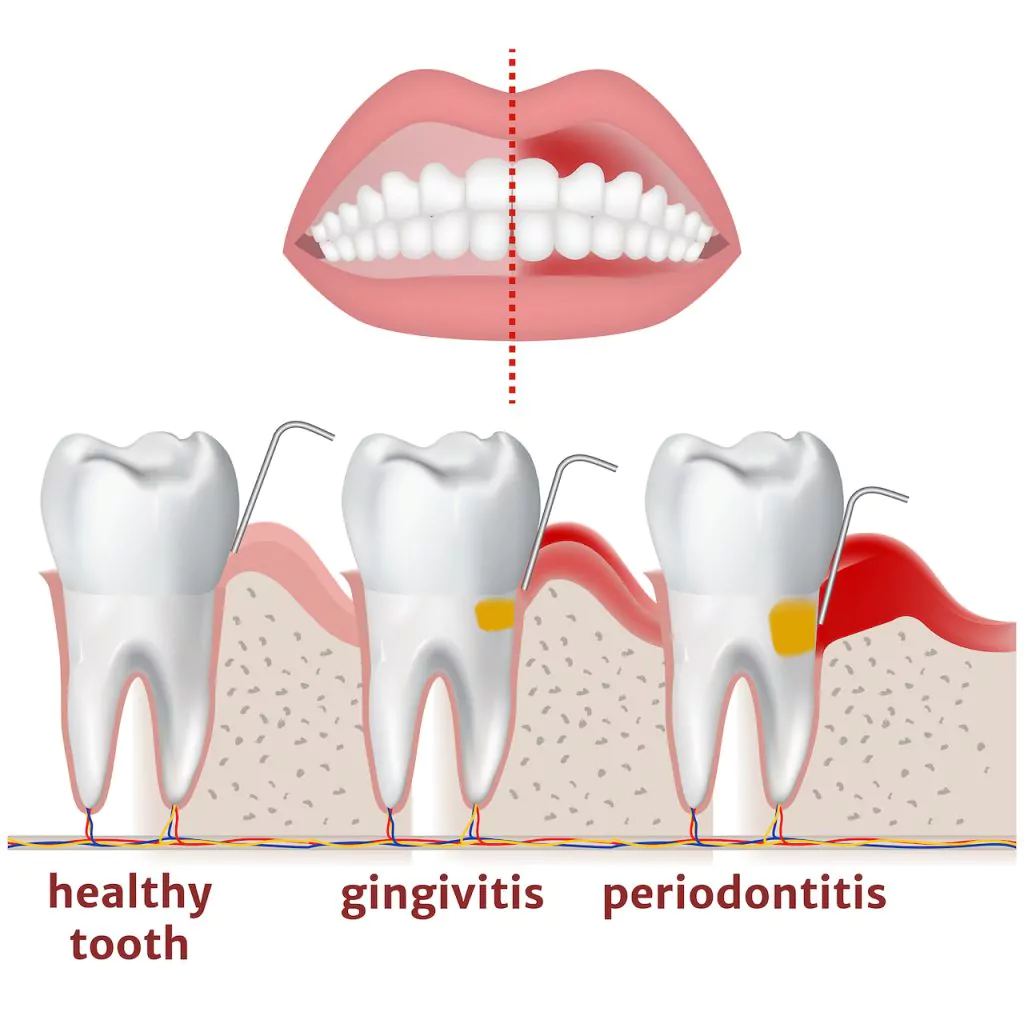
Gingivitis and periodontitis are often mentioned together, but they represent two very different points on the same disease process. Gingivitis is the early, reversible stage. Periodontitis is the advanced stage, where damage to bone and supporting tissue has already begun.
The distinction matters because the treatment, and the outcome, differs enormously depending on which stage you’re in. Catching gum disease at the gingivitis stage means a fairly simple fix. Catching it at periodontitis means managing a chronic condition for the rest of your life.
With that framework in mind, it helps to look closely at what’s actually happening at each stage.
Stage One: Gingivitis
Gingivitis is inflammation of the gum tissue caused by plaque buildup along the gumline. It’s extremely common, and importantly, it’s fully reversible with proper care.
What Causes It
Plaque is a sticky film of bacteria that forms on your teeth constantly. When it isn’t removed through brushing and flossing, it irritates the gum tissue and triggers an inflammatory response.
Signs to Watch For
Bleeding when you brush or floss is the clearest early sign. Gums may also look slightly redder or puffier than usual, though many people don’t notice this on their own.
Why It’s Reversible
At this stage, no bone or connective tissue has been lost. The inflammation is confined to the soft tissue, which means professional cleaning combined with better home care can fully restore gum health.
Gingivitis is genuinely a turning point. Handled well, it resolves. Ignored, it opens the door to periodontitis, which is where the real damage begins.
Stage Two: Early Periodontitis
Once inflammation persists long enough, it starts to affect the structures that anchor your teeth in place. This marks the shift from gingivitis into periodontitis.
The Formation of Pockets
As gum tissue pulls away from the tooth, small pockets form between the gum and the tooth surface. National data shows the prevalence of 4mm pockets, an early sign of this shift, has nearly doubled over the past fifteen years, rising from 11% to 21% of adults.
Bacteria Colonize the Pockets
These pockets create a low-oxygen environment that certain bacteria thrive in. Once established, they’re difficult to reach with a toothbrush or floss alone.
Bone Loss Begins
This is the defining difference from gingivitis. Some loss of the bone supporting the tooth root starts to occur, and unlike inflamed gum tissue, this damage doesn’t fully reverse.
At this stage, professional intervention becomes necessary rather than optional, which is where treatments like scaling and root planing come into play.
Stage Three: Moderate to Severe Periodontitis
Left untreated further, periodontitis continues to advance, and the consequences become harder to manage.
Deeper Pockets, More Bone Loss
Pockets of 5mm or more indicate substantial bone loss around the tooth. As explained by Canada’s public health resources on gum disease, periodontitis breaks down the tissue and bone supporting the teeth, and this damage is not usually reversible.
Tooth Mobility
As the supporting structure weakens, teeth can begin to shift or loosen. This is often one of the first symptoms patients notice on their own, sometimes well after the disease has progressed significantly.
Risk of Tooth Loss
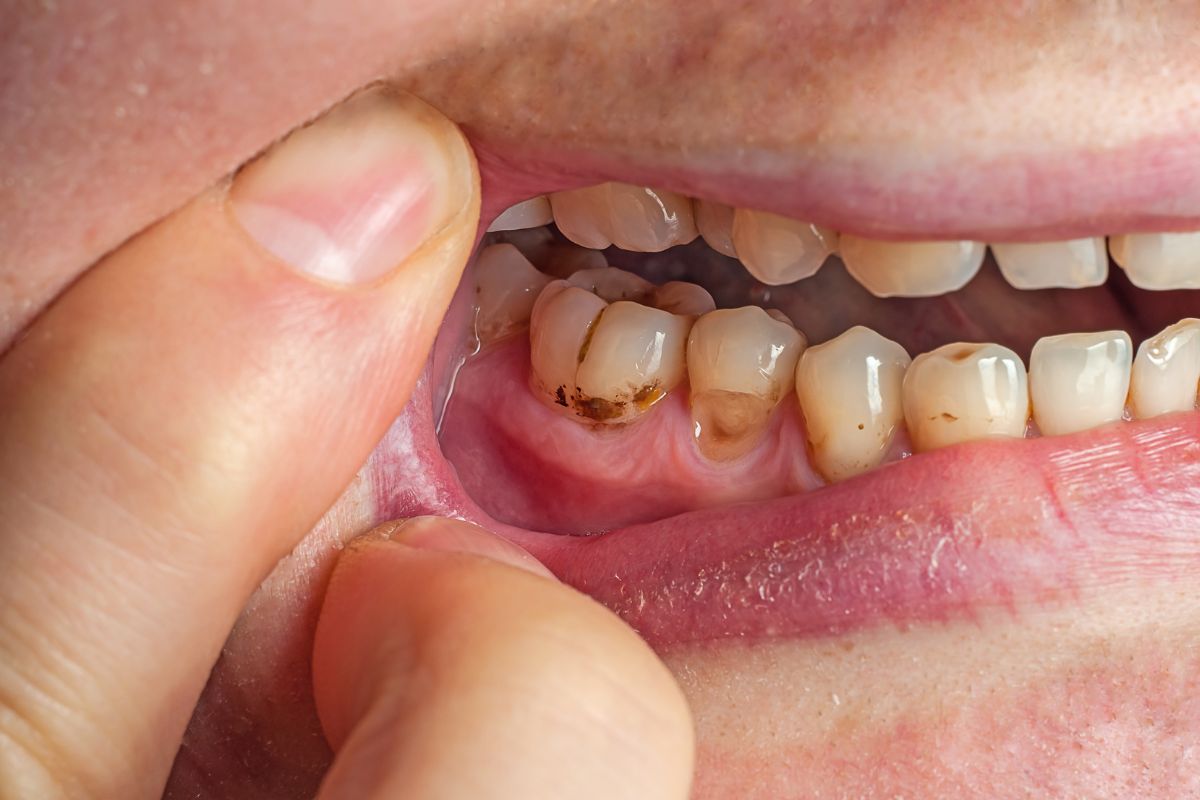
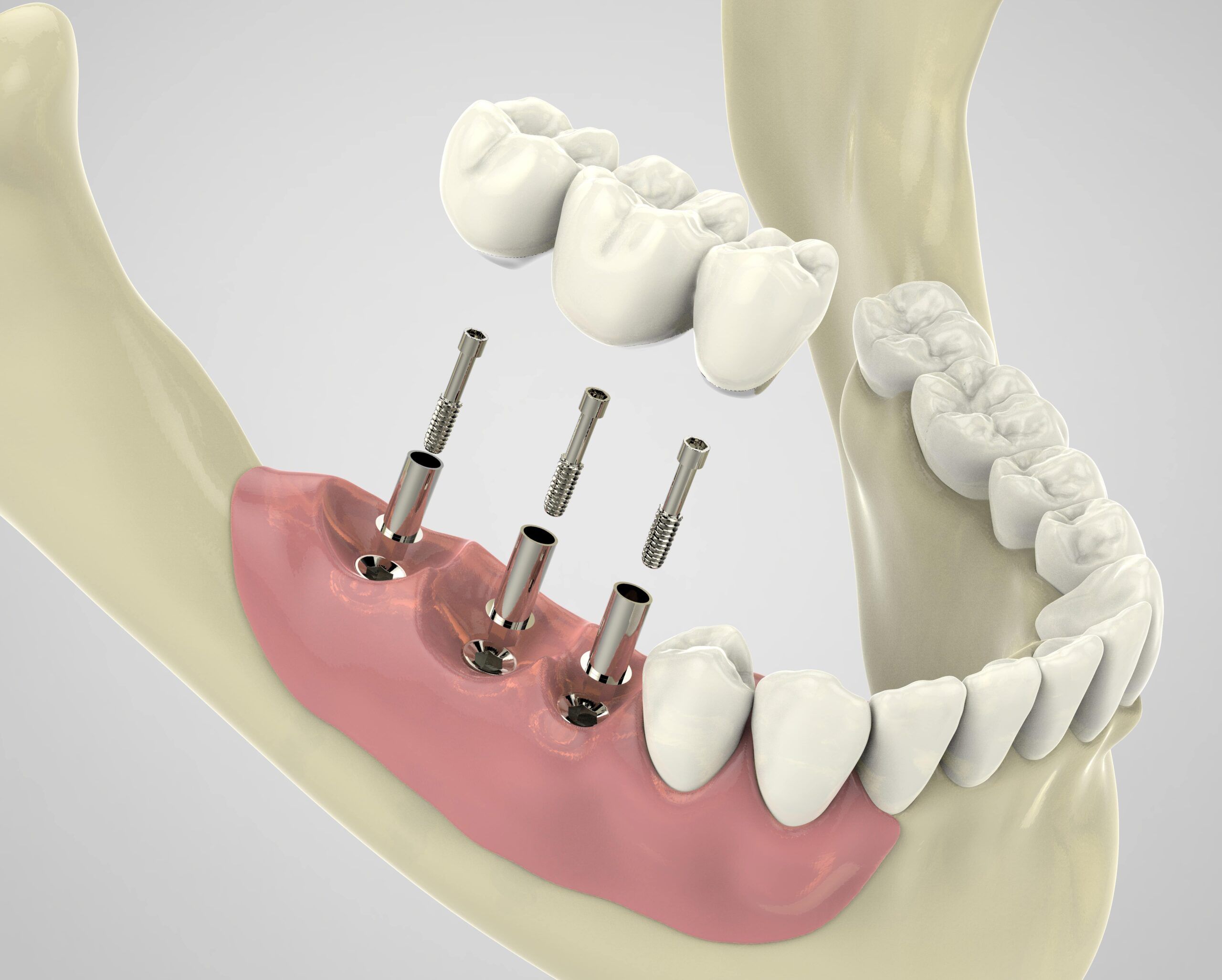
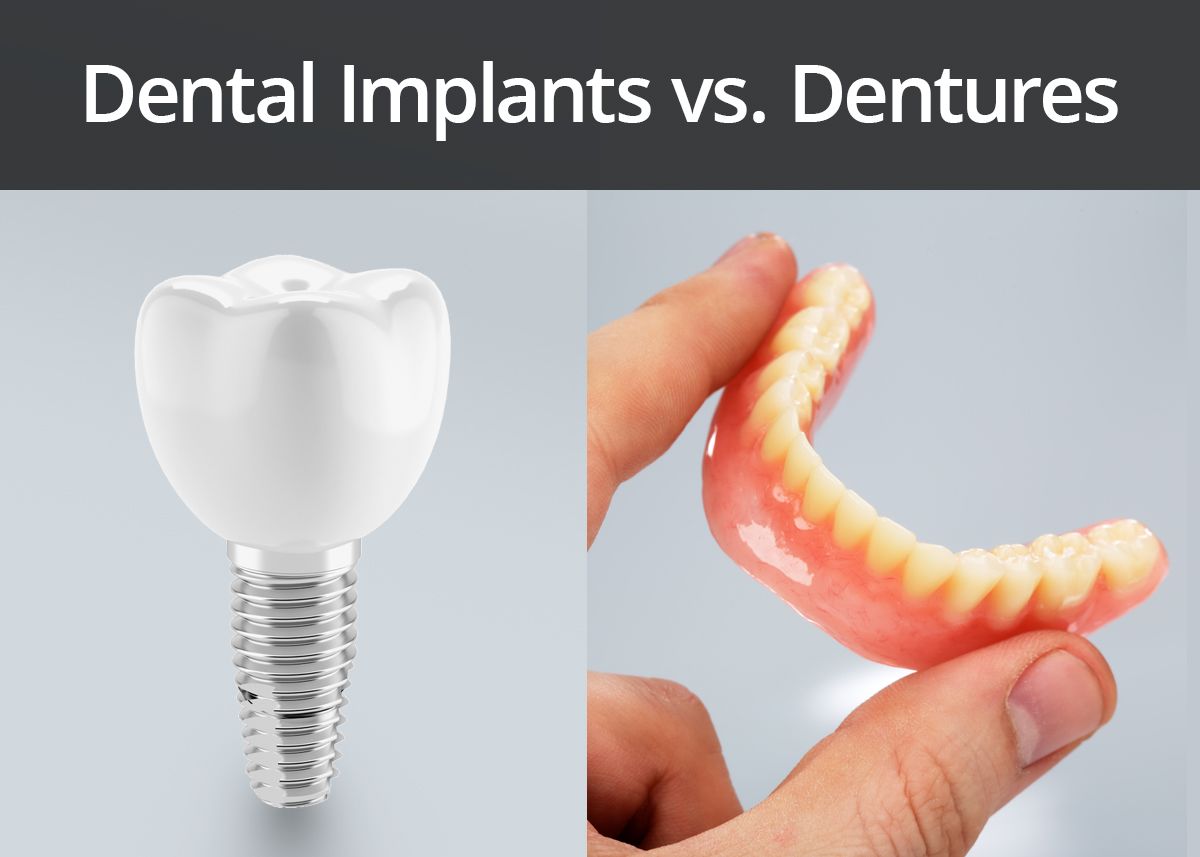
In advanced cases, teeth may need to be extracted if they can no longer be stabilized. This is why so many patients facing severe periodontitis eventually explore dental implants or dentures as restorative options.
Understanding how far the disease has progressed is the first step toward figuring out what treatment actually looks like.
How Dentists Diagnose Each Stage
Diagnosis relies on a combination of visual examination, probing, and imaging, not guesswork.
Periodontal Probing
Your dentist or hygienist measures pocket depth at several points around each tooth using a small, calibrated probe. This single measurement is the clearest indicator of where you sit on the gingivitis-to-periodontitis spectrum.
Bleeding on Probing
Active bleeding during this exam signals ongoing inflammation, distinct from structural pocket depth. Both measurements together give a fuller picture of disease activity.
Imaging for Bone Loss
Digital x-rays allow your dentist to see bone levels around the roots directly, confirming whether periodontitis has set in and how far it extends.
Once your stage is clear, treatment decisions become far more straightforward.
Treating Gingivitis
Because gingivitis hasn’t caused structural damage, treatment focuses on removing the cause and restoring healthy tissue.
Professional Cleaning
A thorough dental cleaning removes the plaque and tartar responsible for the inflammation. For most patients, this alone starts reversing symptoms within days.
Improved Home Care
Consistent brushing and flossing prevent plaque from reaccumulating. Our guide on how to brush and floss correctly covers technique details that make a measurable difference.
Follow-Up
Most patients see gums return to a healthy pink color, with no bleeding, within one to two weeks of consistent care.
Gingivitis treatment is genuinely one of dentistry’s simpler wins. Periodontitis, unfortunately, asks more of both patient and provider.
Treating Periodontitis
Once bone and tissue loss have occurred, treatment shifts from reversal to management and stabilization.
Scaling and Root Planing
This deep cleaning procedure removes plaque and tartar from below the gumline and smooths root surfaces so gum tissue can reattach. It’s the standard first-line treatment for early to moderate periodontitis.
More Frequent Maintenance
Instead of the standard six-month cleaning schedule, many patients move to periodontal maintenance visits every three to four months to keep bacteria levels controlled.
Surgical Options for Advanced Cases
Severe cases sometimes require procedures like gum grafting or bone grafting to rebuild lost support. A bone graft may also be necessary before certain restorative treatments, such as implants, can proceed.
Even with treatment, periodontitis is generally managed rather than cured, which makes prevention the more valuable long-term strategy.
Risk Factors That Speed Up Progression
Not everyone develops gum disease at the same rate. Several factors influence how quickly gingivitis can become periodontitis.
Smoking
Smoking significantly impairs gum healing and masks early bleeding, one of the primary warning signs, making it easier for the disease to progress unnoticed.
Diabetes
Blood sugar control and gum health are closely linked in both directions. Our article on diabetes and oral health explains this relationship in more detail.
Genetics and Age
Some people are simply more genetically prone to periodontal disease, and risk generally increases with age as cumulative plaque exposure builds over decades.
Stress
Chronic stress affects immune function and, indirectly, gum health. Our guide on stress and oral health covers this connection.
Knowing your personal risk factors helps you and your dentist decide how aggressively to monitor and treat early signs.
Why Early Detection Changes Everything
The single biggest factor determining your long-term outcome is how early gum disease is caught.
Reversibility Has a Window
Gingivitis is fully reversible. Once bone loss begins, even successful treatment only stabilizes the condition rather than restoring what’s been lost.
Regular Checkups Catch It Early
Routine visits for checkups and preventive care are what typically catch gingivitis before it progresses, often before you’d notice symptoms yourself.
Small Symptoms Matter
Bleeding gums are not something to wait out. Treating them as background noise is exactly how gingivitis quietly becomes periodontitis.
This is really the core message worth carrying forward from this whole comparison.
The Bottom Line
Gingivitis and periodontitis sit on the same continuum, but they carry very different consequences. One is a warning you can fully resolve. The other is a condition you manage for the long term. The gap between them is usually just time and attention.
If you’ve noticed bleeding gums, don’t wait for pain to show up before addressing it. A periodontal exam now could be the difference between a quick fix and years of ongoing maintenance, and taking that step today is one of the most protective decisions you can make for your smile.
FAQ
Can gingivitis turn into periodontitis if left untreated?
Yes. Persistent inflammation from untreated gingivitis can progress to periodontitis, where bone and tissue supporting the teeth begin to break down permanently.
Is periodontitis curable?
Periodontitis is generally managed rather than cured. Treatment can stop its progression and improve gum health, but bone loss that has already occurred typically does not fully regenerate.
How do I know if I have gingivitis or periodontitis?
A periodontal exam measuring pocket depth is the most reliable way to tell. Gingivitis involves inflammation without bone loss, while periodontitis involves measurable pocket depth increases and bone changes visible on x-rays.
Does gingivitis always cause bleeding gums?
Bleeding is the most common sign, but not everyone notices it, especially light bleeding during flossing. Regular checkups catch cases that might otherwise go unnoticed.
How often should I get checked for gum disease?
Most patients benefit from an exam every six months. Those with a history of gum disease or risk factors like smoking or diabetes may need more frequent monitoring.
Concerned About Your Gum Health?
If you’ve noticed bleeding, swelling, or it’s been a while since your last periodontal exam, book a visit at Heritage Dental Studio. Catching gum disease early is the clearest path to keeping your smile healthy for the long run.