
Few dental procedures carry as much unfair reputation as the root canal. Ask most people what they imagine, and they’ll describe intense pain, even though the reality is very different today.
The truth is that a root canal relieves pain rather than causing it. The infected or inflamed tissue inside your tooth is what hurts, and removing it is what brings relief.
At Heritage Dental Studio, we hear the same worries from patients every week. This article separates the myths from the facts so you can walk into your appointment with realistic expectations instead of outdated fears.
Where the “Painful Root Canal” Myth Comes From
The reputation root canals have today largely comes from decades-old dentistry, before modern anesthesia and rotary instruments became standard. Procedures used to take longer and numbing techniques were less precise.
Pop culture hasn’t helped either. Movies and TV shows frequently use root canals as shorthand for unbearable pain, reinforcing an idea that has little basis in current clinical practice.
In reality, the pain patients associate with root canals almost always comes from the underlying infection, not the treatment itself. By the time you’re in the chair, that infected tissue is exactly what your dentist is working to remove.
Understanding this distinction is the first step toward feeling less anxious. Next, let’s look at what’s actually happening inside your tooth when a root canal becomes necessary.
What Actually Causes the Pain Beforehand
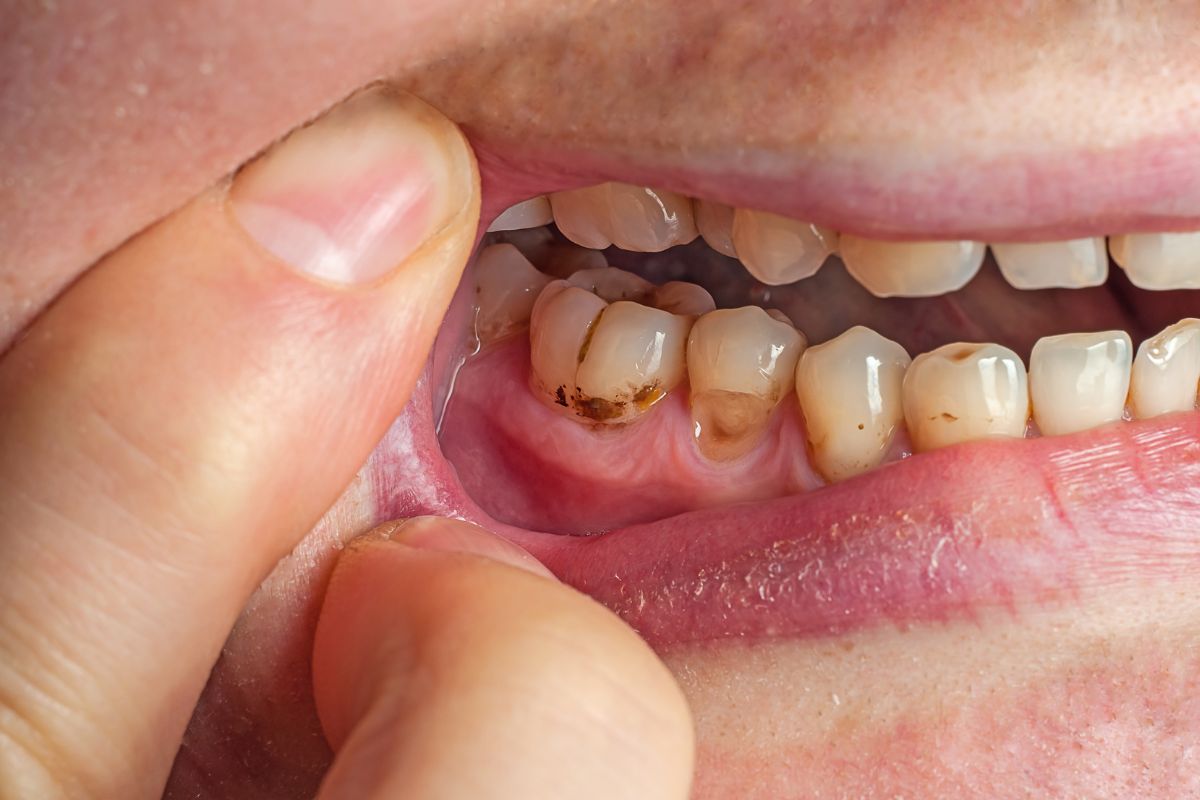
Deep inside every tooth is a soft tissue called the pulp, containing nerves and blood vessels. When decay, a crack, or trauma allows bacteria to reach this pulp, it becomes inflamed or infected.
This is what produces the sharp, throbbing, or lingering pain that sends people to the dentist in the first place. Pressure builds inside the confined space of the tooth, and that pressure has nowhere to escape.
A root canal treatment removes this infected pulp, cleans the inner canals, and seals the space. Once the source of pressure and infection is gone, the pain it was causing goes with it.
If you’re experiencing symptoms right now, our guide on signs you need a root canal can help you understand whether your symptoms match this pattern. Now let’s walk through what the actual procedure feels like.
What a Root Canal Actually Feels Like
Local Anesthesia Numbs the Area Completely
Before any work begins, your dentist administers local anesthetic to fully numb the tooth and surrounding tissue. Modern anesthetics are highly effective, and most patients report feeling pressure at most during treatment, not sharp pain.
If numbness feels incomplete at any point, tell your dentist immediately. Additional anesthetic can be given right away.
You May Feel Pressure, Not Pain
During the procedure, you’ll likely feel some pushing or vibration sensations as your dentist accesses and cleans the canals. This is normal and expected, and it’s distinct from pain.
Many patients describe the sensation as similar to getting a filling, just slightly longer in duration.
The Procedure Itself Typically Takes 60 to 90 Minutes
Depending on the tooth and the complexity of its canal system, treatment usually takes one to two appointments. Molars with multiple canals may take longer than front teeth with simpler anatomy.
Throughout the appointment, your dentist checks in regularly to confirm you remain comfortable. This ongoing communication is part of what makes modern root canals far more predictable than their reputation suggests.
Now that you know what to expect during treatment, let’s talk about what recovery actually feels like afterward.
What to Expect After Treatment
Mild Soreness Is Normal for a Few Days
It’s common to experience some tenderness in the tooth and surrounding gum tissue for two to three days after treatment. This is your body’s normal inflammatory response to the procedure, not a sign something went wrong.
Over-the-counter pain relievers like ibuprofen typically manage this discomfort well when taken as directed.
Sensitivity to Biting Pressure May Linger Briefly
Since the tissue around the tooth root was recently disturbed, you might notice mild discomfort when chewing directly on that tooth. This usually fades within a week as inflammation settles.
Most Patients Return to Normal Activities the Same Day
Unlike more invasive procedures, root canal recovery is typically mild enough that patients resume work and daily routines immediately. Strenuous exercise can usually resume the following day.
If pain intensifies rather than improves over several days, or if you notice swelling, that’s worth a follow-up call rather than waiting it out. Next, let’s compare how root canal discomfort stacks up against the pain of leaving an infection untreated.
Root Canal Pain vs. Untreated Infection Pain
This comparison matters more than most people realize. An untreated infected tooth doesn’t resolve on its own, and the pain typically worsens over time rather than improving.
Left alone, infection can spread beyond the tooth into surrounding bone, sometimes forming a painful abscess. Our guide on abscessed tooth symptoms covers what this escalation looks like.
By comparison, root canal treatment interrupts this progression early, under controlled anesthesia, with a clear endpoint. Choosing to delay treatment out of fear of pain often leads to significantly more pain down the line.
Weighing these two paths side by side makes the decision clearer for most patients. Now let’s cover the technology that has made modern root canals more comfortable than ever.
How Modern Technology Improves Comfort
Digital Imaging Improves Precision
Digital X-rays give your dentist a clear, detailed view of your tooth’s root canal system before treatment begins. This allows for more accurate, efficient work with less guesswork and fewer surprises mid-procedure.
You can read more about how digital x-rays support safer, faster diagnosis across many procedures, including root canals.
Rotary Instruments Speed Up Cleaning
Older manual instruments have largely been replaced by rotary tools that clean canals more efficiently. This reduces overall procedure time, which in turn reduces the time you spend in the chair.
Better Anesthetic Delivery Systems
Modern anesthetic delivery techniques allow for more targeted, effective numbing with less discomfort during the injection itself. Many patients barely notice this step.
Sedation Options for Anxious Patients
If dental anxiety is a significant concern for you, sedation dentistry options can help you stay relaxed throughout treatment. This is worth discussing with your dentist ahead of your appointment if anxiety has kept you from seeking care in the past.
These advances collectively explain why root canals today bear little resemblance to their old reputation. Next, let’s debunk a few more specific myths that continue to circulate.
Common Myths, Debunked
Myth: Root Canals Cause Illness Elsewhere in the Body
This claim traces back to research from the early 1900s that has since been discredited by modern dental and medical research. Root canal treatment is considered a safe, well-established procedure by dental professionals today.
Myth: It’s Better to Just Pull the Tooth
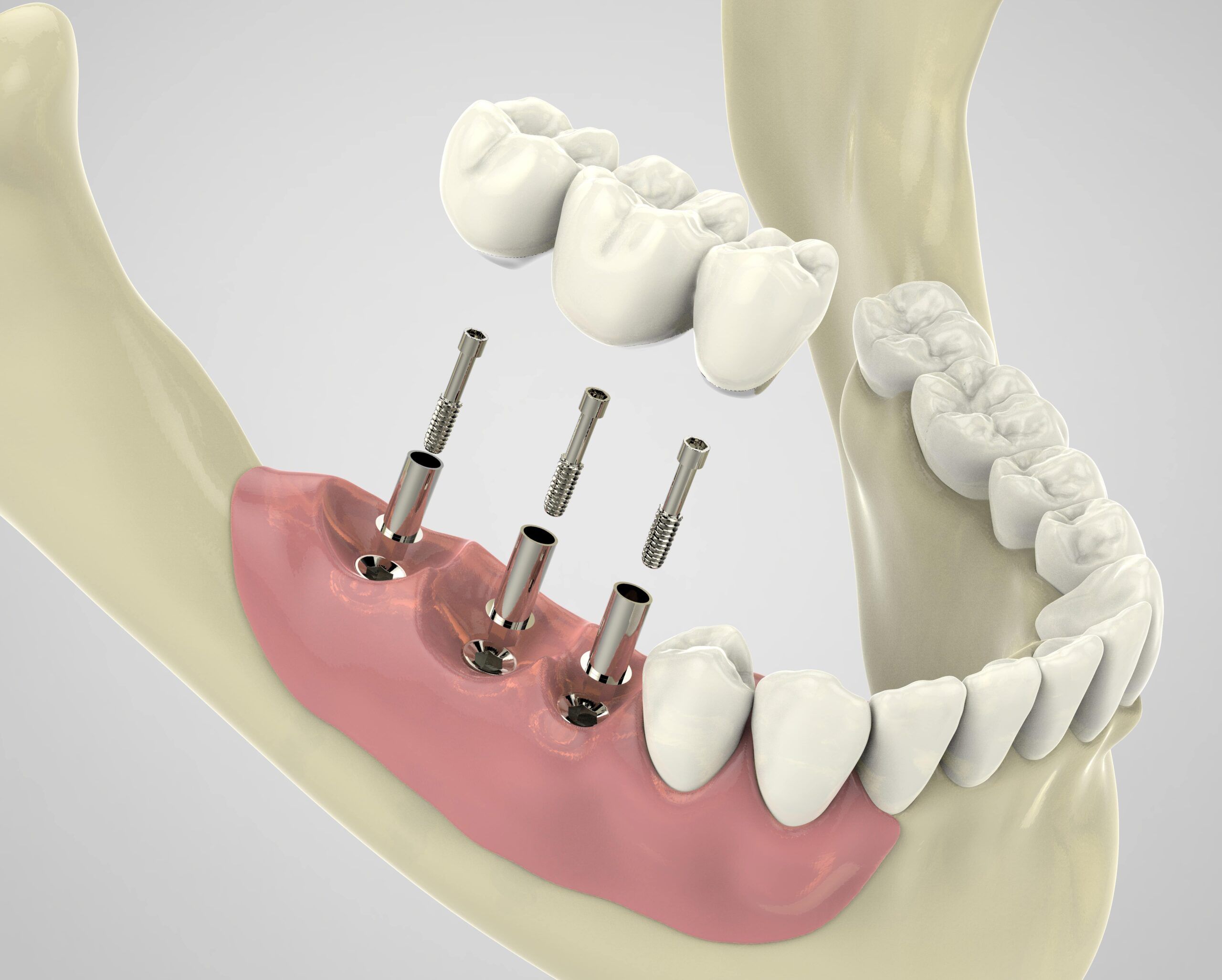
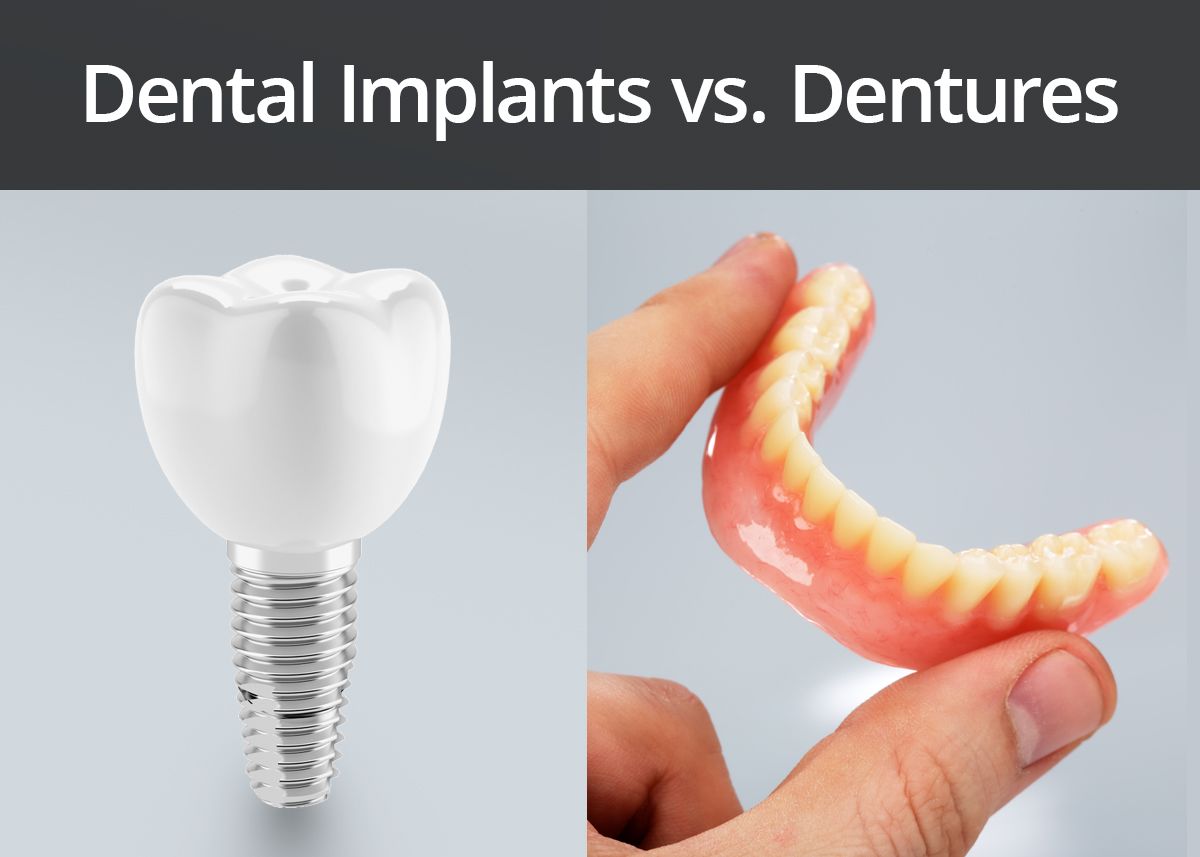
Extraction might seem like a simpler solution, but it comes with its own tradeoffs, including the need for a replacement option later. Our comparison of root canal vs extraction walks through the pros and cons of each path.
Saving your natural tooth when possible generally preserves better long-term function and appearance.
Myth: The Procedure Always Takes Multiple Painful Visits
Many root canals are completed in a single visit today, depending on the tooth and complexity of infection. Multi-visit treatment is sometimes needed, but this is a matter of clinical necessity, not an indication of a harder procedure.
Myth: You’ll Need Heavy Pain Medication Afterward
Most patients manage post-treatment soreness comfortably with over-the-counter medication. Prescription-strength pain relief is rarely necessary for straightforward cases.
With these myths addressed, let’s look at how you can prepare for your own appointment to make the experience as smooth as possible.
How to Prepare for a Comfortable Appointment
Communicate Your Anxiety Ahead of Time
If you feel nervous, tell your dental team before treatment starts. They can adjust their approach, explain each step as they go, or discuss sedation options with you.
Eat a Light Meal Beforehand
Unless you’re receiving sedation that requires fasting, eating something light beforehand helps you feel steadier and reduces post-procedure lightheadedness.
Ask Questions Before You Begin
Understanding what will happen step by step often reduces anxiety more than any other single factor. Don’t hesitate to ask your dentist to walk you through the process before starting.
Plan for Rest Afterward
While most people return to normal activities right away, giving yourself a lighter schedule for the rest of the day allows you to rest if needed.
Preparation goes a long way toward making the experience feel manageable rather than intimidating. Let’s close with a clear picture of when you should actually seek treatment.
When to See a Dentist About Possible Root Canal Symptoms
Persistent tooth pain, sensitivity to hot or cold that lingers well after the stimulus is removed, and swelling near a specific tooth are all signs worth having evaluated. Waiting often allows the underlying problem to worsen.
If you notice a small bump on your gum near a tooth, darkening of the tooth itself, or pain when biting down, these are additional signals your dentist will want to check. Early evaluation typically means simpler, more comfortable treatment.
Reaching out promptly when symptoms appear gives you the best chance at a straightforward resolution. Waiting rarely makes these situations easier to treat.
The Bottom Line on Root Canal Pain
The idea that root canals are painful is largely outdated, shaped by old techniques and pop culture exaggeration rather than current clinical reality. Modern anesthesia, imaging, and instruments have transformed the experience into a comfortable, predictable procedure.
If tooth pain has been holding you back from seeking care, let that fear go. Getting evaluated sooner rather than later is the surest way to protect your smile and get back to feeling like yourself.
FAQ
Does a root canal hurt more than a filling?
Most patients describe the two procedures as feeling similar in terms of sensation, since both involve local anesthesia and pressure rather than sharp pain. Root canals typically just take longer.
How long does discomfort last after a root canal?
Mild soreness usually resolves within two to three days. Most patients manage this comfortably with over-the-counter pain relievers.
Can I drive myself home after a root canal?
Yes, unless you received sedation. Local anesthesia alone does not typically impair your ability to drive safely afterward.
Why does my tooth still hurt weeks after a root canal?
Persistent pain beyond a couple of weeks should be evaluated, as it may indicate incomplete healing or a need for further treatment. Contact your dentist for a follow-up exam.
Is it normal to feel anxious about getting a root canal?
Yes, dental anxiety is common and understandable given the procedure’s reputation. Talk to your dental team about sedation options if anxiety feels overwhelming.
Ready to Put Your Fears to Rest?
If tooth pain has you worried about needing a root canal, don’t wait for it to get worse. Schedule an evaluation with Heritage Dental Studio and get a clear, comfortable path forward.