
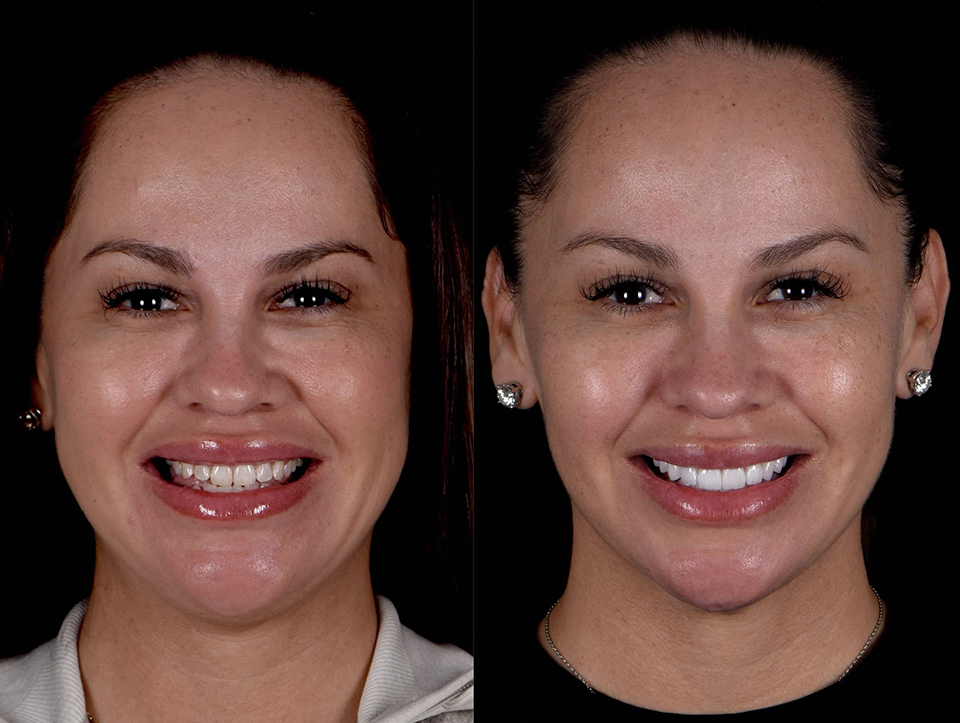
If you have ever caught yourself hiding your smile in photos, you already understand the problem a smile makeover solves. A smile makeover is not one single procedure. It is a customized combination of cosmetic and restorative treatments designed around your specific teeth, gums, and facial structure.
For many people in Toronto, the term gets thrown around loosely online, which makes it hard to know what actually happens in the dental chair. This guide breaks down exactly what a smile makeover includes, who is a good candidate, and what the process looks like from consultation to final result.
By the end, you will understand the treatments involved, roughly how long the process takes, and how to start planning your own transformation.
What Does “Smile Makeover” Actually Mean
A smile makeover is a personalized treatment plan that combines two or more dental procedures to improve the appearance and sometimes the function of your smile. It is not a single fixed package.
Your dentist evaluates tooth color, alignment, gum symmetry, and bite before recommending a combination of treatments. No two smile makeover plans look exactly the same because no two smiles start from the same place.
This is different from a single cosmetic fix like whitening alone. A true makeover looks at your whole smile as a system, not an isolated tooth or stain.
Understanding this distinction matters because it changes how you should evaluate cost, timeline, and expected results. Next, let’s look at the treatments most commonly bundled into a smile makeover.
Core Treatments Used in a Smile Makeover
Porcelain Veneers
Veneers are thin shells bonded to the front of teeth to correct chips, gaps, discoloration, or minor misalignment. They are one of the most requested components of a full smile transformation.
Veneers tend to work best for people who want a dramatic, long-lasting change in tooth shape and color. You can read more about how they compare with bonding on our page about porcelain veneers to see if this fits your goals.
Teeth Whitening
Professional whitening is often the starting point of a smile makeover because it establishes a baseline shade for any veneers or crowns planned afterward. This sequencing avoids a mismatch between natural teeth and new dental work.
In-office whitening produces faster, more even results than most store-bought kits, which matters when other treatments depend on matching the new shade. Our teeth whitening service page outlines what to expect during a session.
Dental Crowns and Bridges
When a tooth is structurally weakened or missing, crowns and bridges restore both function and appearance. These are often necessary components rather than purely cosmetic add-ons.
A crown rebuilds a damaged tooth from the outside, while a bridge replaces one or more missing teeth using neighboring teeth as anchors. You can compare the two options on our crown vs bridge guide.
Dental Implants
For missing teeth, implants are often preferred over bridges because they preserve jawbone density and do not rely on adjacent teeth for support. Implants are frequently part of a comprehensive smile plan when tooth loss is involved.
If you are unsure whether you qualify, our article on becoming a dental implant candidate walks through the general requirements.
Orthodontic Alignment
Straightening teeth before cosmetic work often produces better long-term results than masking crowding with veneers alone. Alignment addresses the underlying bite mechanics, not just the surface appearance.
This step is not always necessary, but for patients with noticeable crowding, it typically comes first in the treatment sequence. Once alignment and whitening establish the foundation, cosmetic dentists layer in veneers or bonding for final polish.
How a Smile Makeover Process Works
Step 1: Consultation and Smile Assessment
Your dentist examines tooth shape, gum line symmetry, bite alignment, and overall facial proportions during the first visit. This is also when digital photos or scans are typically taken.
This step sets realistic expectations. A good consultation should leave you with a written plan, not just a verbal suggestion.
Step 2: Treatment Planning
Based on the assessment, your dentist proposes a sequence of treatments, along with a rough timeline and cost estimate. Complex cases involving implants or orthodontics take longer than cosmetic-only plans.
Ask your dental team to walk you through the reasoning behind each recommended treatment. Understanding why each step matters helps you stay committed through a multi-visit process.
Step 3: Restorative Work First
If you need fillings, crowns, or extractions, these are usually addressed before purely cosmetic procedures. Building a healthy foundation prevents cosmetic work from failing prematurely.
Skipping this order is one of the most common reasons smile makeovers underperform. A check-up and preventive dentistry visit is typically the starting point for identifying these needs.
Step 4: Cosmetic Enhancement
Once your mouth is structurally healthy, whitening, veneers, or bonding are applied to refine color and shape. This stage is where the visible transformation happens.
Most patients see the biggest emotional shift here, since this is when the smile visibly changes. From there, the process moves into maintenance and long-term care.
How Long Does a Smile Makeover Take
Simple makeovers involving whitening and bonding can often be completed within two to four visits over several weeks. More complex plans involving implants or orthodontics can take several months to over a year.
According to the Canadian Dental Association, treatment timelines vary significantly based on individual oral health needs rather than a fixed formula. This is why an accurate consultation matters more than online estimates.
Patience during a longer treatment plan usually pays off in results that last far longer than rushed cosmetic fixes. Next, let’s address what these treatments typically cost.
What Does a Smile Makeover Cost in Toronto
Costs vary widely depending on which treatments are included. Whitening alone might cost a few hundred dollars, while a full makeover involving veneers, crowns, or implants can run into the thousands.
Dental fees in Ontario are typically guided by the ODA fee guide, which provides a suggested fee framework most dentists reference. Your dentist should provide a written estimate before any work begins, broken down by procedure.
If cost is a barrier, ask about financing options or check whether any portion of your plan is covered under a benefits program. Our pricing and fees page outlines general cost ranges for individual services.
Who Is a Good Candidate for a Smile Makeover
Good candidates typically have healthy gums, no untreated decay, and realistic expectations about what cosmetic work can achieve. Active gum disease or untreated cavities usually need to be resolved first.
If you grind your teeth at night, this needs to be managed before investing in veneers, since teeth grinding can damage cosmetic work quickly. Your dentist will flag this during the initial exam.
Age is rarely a disqualifying factor. What matters most is the current condition of your teeth and gums, not how old you are. With candidacy addressed, let’s look at how to keep results looking sharp long after treatment ends.
Maintaining Your Results After a Smile Makeover
Daily Care Habits
Veneers and crowns still require regular brushing and flossing, since the surrounding natural teeth and gums remain vulnerable to decay and disease. Cosmetic work does not replace fundamental hygiene.
Using a soft-bristled brush and avoiding abrasive whitening toothpaste helps protect both natural enamel and any bonded restorations. Small daily habits protect a significant financial and time investment.
Routine Dental Visits
Scheduling professional dental cleanings every six months helps catch small issues before they threaten your cosmetic work. Your dentist can also polish veneers to maintain their shine during these visits.
Skipping checkups is one of the fastest ways to shorten the lifespan of an otherwise well-executed smile makeover. Consistent maintenance is what separates a five-year result from a fifteen-year one.
Protecting Your Investment
If you play contact sports or grind your teeth, ask your dentist about a custom night guard or mouthguard to protect new dental work. This small step prevents costly repairs down the line.
Avoiding habits like chewing ice or using teeth as tools also protects veneers and crowns from chipping. With the right care routine, a smile makeover can remain a source of confidence for many years.
Digital Smile Design and Planning Tools
Previewing Your Results Before Treatment
Many practices now use digital imaging to show patients a preview of their potential results before any treatment begins. This tool lets you see a simulated version of your new smile based on your facial structure and stated goals.
Seeing this preview helps you make more confident decisions about which treatments to pursue. It also gives your dentist a clearer picture of what you’re hoping to achieve, reducing miscommunication throughout the process.
Why This Step Matters for Complex Cases
For makeovers involving multiple treatments, digital planning helps sequence the work in the right order. It also flags potential conflicts, such as a veneer shade that won’t match a planned crown, before they become costly mistakes.
This planning stage adds time upfront but typically saves both money and disappointment later. A dentist who takes this step seriously is investing in getting your result right the first time.
Common Myths About Smile Makeovers
Myth: A Smile Makeover Is Only for Celebrities
Cosmetic dentistry has become significantly more accessible over the past decade, with a wide range of price points depending on which treatments you choose. You don’t need a Hollywood budget to meaningfully improve your smile.
Even a modest combination, like whitening paired with minor bonding, can produce a noticeable change without the cost of a full veneer set. Your dentist can help build a plan that fits your specific budget.
Myth: Results Look Fake or Overdone
Modern cosmetic dentistry emphasizes natural-looking results tailored to your facial proportions, rather than a uniform, artificial appearance. Skilled cosmetic dentists shape veneers and crowns to complement your existing features.
If a natural look is important to you, communicate this clearly during your consultation. Your dentist can adjust shade and shape recommendations to match this goal specifically.
Myth: Once You Start, You Can’t Stop
While a full makeover plan often unfolds over several visits, many treatments can be approached incrementally. You’re not locked into completing every recommended step immediately.
Discussing a phased approach with your dentist allows you to prioritize the changes that matter most to you first, spreading cost and commitment over a longer period if needed.
Questions Worth Asking During Your Consultation
Before committing to a smile makeover plan, it helps to ask specific questions rather than relying on general assumptions. Useful questions include how many visits the plan will require, which treatments are truly necessary versus optional, and what the expected lifespan of each treatment is.
It’s also worth asking how your dentist handles unexpected complications, such as finding additional decay once treatment begins. A transparent answer to this question is often a good sign of a trustworthy provider.
Finally, ask to see examples of previous smile makeover results, ideally cases similar to your own starting point. This gives you a realistic sense of what to expect rather than relying on stock photos alone.
Final Thoughts on Planning Your Smile Makeover
A smile makeover works best when it is planned deliberately, starting with a thorough consultation rather than jumping straight into cosmetic procedures. Understanding the sequence, from restorative work to final polish, helps set realistic expectations for both timeline and cost.
If you are considering a transformation, the most important first step is an honest conversation with a dentist who can assess your specific starting point. A well-planned smile makeover is an investment that pays off in both confidence and long-term oral health, so take that first step and book a consultation to see what is possible for your smile.
FAQ
How many visits does a smile makeover typically require?
This depends on the treatments involved. Whitening-only plans may need one or two visits, while makeovers including implants or orthodontics often require several months of appointments.
Does a smile makeover include orthodontics?
It can, if crowding or bite issues are part of your case. Not every smile makeover requires alignment, since some patients only need cosmetic refinement.
Is a smile makeover covered by insurance?
Purely cosmetic treatments like veneers or whitening are typically not covered, though restorative components like crowns may be partially covered under some plans.
Can a smile makeover fix crooked teeth without braces?
In mild cases, veneers or bonding can visually straighten teeth. For more significant crowding, orthodontic treatment usually produces better long-term results.
How do I know if I need a smile makeover or just whitening?
A consultation is the best way to know. If your concerns involve shape, gaps, or alignment rather than just color, a fuller makeover plan is usually recommended.
If hiding your smile in photos has become a habit, it does not have to stay that way. Book a consultation with our downtown Toronto team to get a personalized smile makeover plan built around your goals and budget.


