The general guideline of visiting the dentist twice a year gets repeated so often that it’s easy to accept without question. But the right frequency for professional teeth cleaning actually depends on more than just a calendar.
Understanding how often you should get a professional teeth cleaning means looking at your individual risk factors, not just following a one-size-fits-all rule. Some patients genuinely need more frequent visits, while others may do well with the standard schedule.
At Heritage Dental Studio, we tailor cleaning recommendations to each patient’s specific oral health profile. Here’s how to think about the right frequency for you.
Where the Twice-a-Year Guideline Comes From
The recommendation for cleanings every six months has been a longstanding standard in general dentistry. It’s based on the average rate at which plaque hardens into tartar and the typical pace of gum disease progression in a healthy mouth.
For many patients with good oral hygiene habits and no significant risk factors, this interval works well. It catches early tartar buildup before it causes noticeable problems and allows your dentist to monitor your oral health consistently over time.
However, “average” doesn’t mean “universal.” Plenty of patients fall outside this baseline and benefit from a different schedule. Let’s look at what a dental cleaning actually accomplishes before diving into who might need a different frequency.
What Professional Teeth Cleaning Actually Does
Removes Tartar That Brushing Can’t Touch
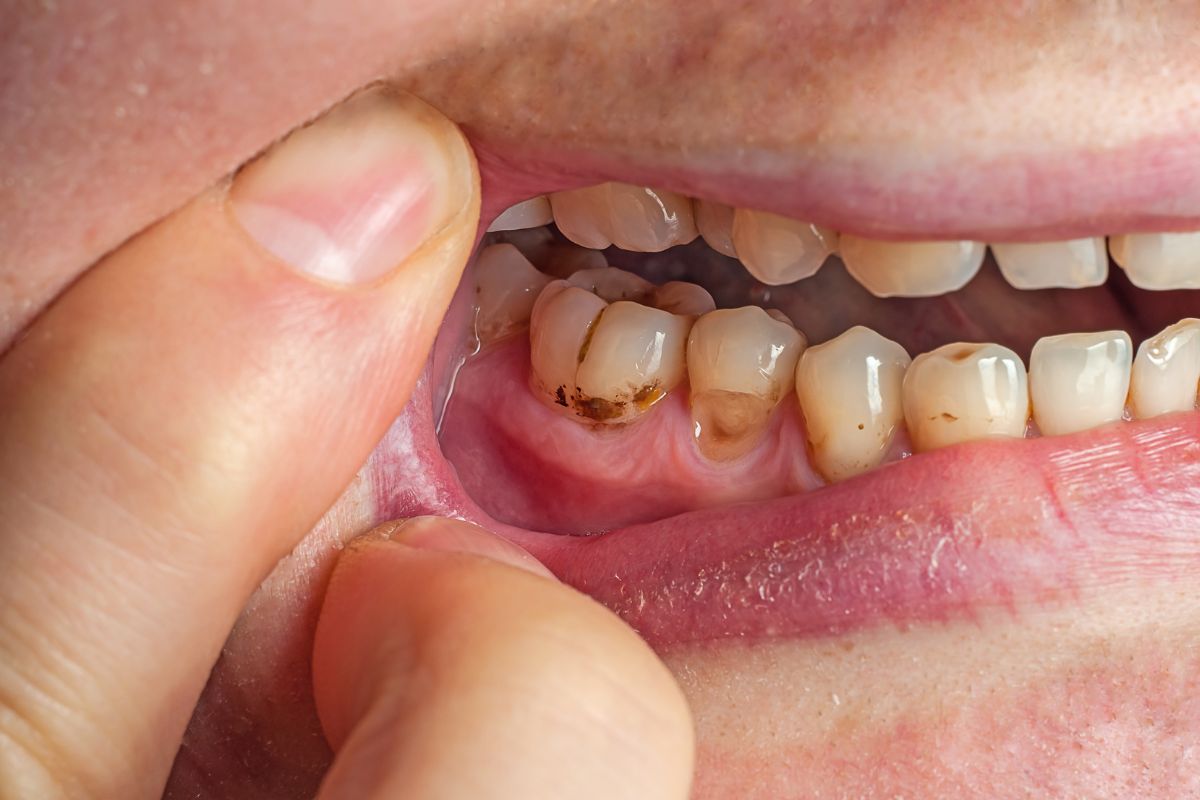
Once plaque hardens into tartar, only professional tools can remove it. No amount of home brushing or flossing can reverse this process once it sets in.
Allows Early Detection of Gum Disease
Your hygienist can identify early signs of gum inflammation before you notice symptoms yourself. Catching this early, as covered in our guide on signs of gum disease, makes treatment simpler and more effective.
Provides an Opportunity for Oral Cancer Screening
Many cleaning appointments include an oral cancer screening, an important early detection tool that’s easy to overlook as a benefit of regular visits.
Polishes Away Surface Stains
Beyond health benefits, professional cleaning removes surface staining from coffee, tea, and other common culprits, keeping your smile brighter between whitening treatments.
Understanding these benefits makes it clearer why consistent cleaning matters, regardless of the exact interval that’s right for you. Now let’s look at the factors that might mean you need cleanings more often than twice a year.
Factors That May Require More Frequent Cleanings
A History of Gum Disease
If you’ve been diagnosed with gingivitis or periodontitis in the past, your dentist will likely recommend more frequent cleanings, sometimes every three to four months, to keep the condition under control. Our guide on gingivitis vs periodontitis explains this progression in more detail.
Smoking or Tobacco Use
Tobacco use significantly increases your risk of gum disease and slows healing in oral tissue. Patients who smoke often benefit from a more frequent cleaning schedule to manage this elevated risk.
Diabetes
There’s a well-established connection between diabetes and oral health, with diabetic patients facing higher rates of gum disease. More frequent monitoring and cleaning helps manage this risk proactively.
Pregnancy
Hormonal changes during pregnancy can increase gum sensitivity and inflammation risk. Many providers recommend closer monitoring during this time, which you can read more about in our guide on dental care during pregnancy.
A Tendency Toward Fast Tartar Buildup
Some patients naturally develop tartar more quickly than others, regardless of how diligently they brush and floss. If this applies to you, your dentist may recommend shortening the interval between cleanings.
Orthodontic Treatment
Braces and other orthodontic appliances create more surfaces where plaque can accumulate, making more frequent professional cleaning helpful during active treatment.
If any of these factors apply to you, it’s worth having a direct conversation with your dentist about adjusting your cleaning schedule accordingly. Next, let’s look at who might be able to safely extend the interval between visits.
Factors That May Allow for Less Frequent Cleanings
Consistently Excellent Oral Hygiene
Patients who brush twice daily, floss consistently, and have shown no signs of gum disease or rapid tartar buildup over multiple visits may be candidates for a slightly extended interval, as determined by their dentist.
No History of Cavities or Gum Issues
A strong track record of cavity-free checkups and healthy gum tissue over several years can sometimes support a longer interval between professional cleanings.
Low-Risk Lifestyle Factors
Non-smokers without diabetes or other conditions that elevate oral health risk may naturally fall into a lower-risk category that supports the standard or slightly extended schedule.
It’s important to note that extending your cleaning interval should always be a decision made in partnership with your dentist, not something to decide on your own based on how your teeth feel. Let’s talk next about why “feeling fine” isn’t always a reliable indicator.
Why You Shouldn’t Rely on How Your Mouth Feels
Gum Disease Often Develops Without Obvious Symptoms
Early-stage gum disease frequently causes little to no pain, making it easy to overlook without a professional exam. By the time symptoms become noticeable, the condition has often progressed further than expected.
Cavities Can Develop Painlessly Too
Similarly, early decay often doesn’t cause pain until it has progressed significantly. Our guide on signs you have a cavity covers some of the subtler indicators worth watching for.
Tartar Buildup Isn’t Always Visible or Noticeable
Tartar can accumulate in areas you can’t easily see or feel with your tongue, particularly along the gumline and between teeth. Professional tools are needed to properly assess and remove it.
This is exactly why relying on symptoms alone, rather than a consistent professional schedule, can allow issues to progress undetected. Next, let’s talk about how children’s cleaning schedules might differ from adults.
Cleaning Frequency for Children
Children generally follow a similar twice-a-year guideline, though this can vary based on their individual cavity risk and oral hygiene habits. Our kids dentistry team evaluates each child’s needs individually rather than applying a blanket rule.
Children who are more cavity-prone, due to diet, genetics, or still-developing brushing skills, may benefit from more frequent monitoring. Establishing this rhythm early also helps build comfort with regular dental visits into adulthood.
Understanding that cleaning frequency isn’t a fixed rule, even for children, reinforces the broader theme of this guide. Let’s look next at how to actually have this conversation with your dentist.
How to Determine Your Ideal Cleaning Schedule
Be Honest About Your Home Care Habits
Your dentist can give more accurate recommendations when you’re upfront about your actual brushing and flossing routine, rather than an idealized version of it.
Share Your Full Medical History
Conditions like diabetes, pregnancy, or a history of gum disease all factor into the right recommendation, so make sure your dentist has a complete picture of your health.
Ask Directly About Your Personal Risk Factors
Don’t hesitate to ask your dentist specifically why they’re recommending a particular interval for you. Understanding the reasoning helps you stay motivated to follow through.
Reassess Periodically
Your ideal cleaning frequency isn’t necessarily fixed for life. As your oral health, habits, or medical conditions change, it’s worth revisiting this conversation with your dentist.
Approaching your cleaning schedule as a personalized, evolving plan rather than a fixed rule leads to better long-term oral health outcomes. Let’s cover what typically happens during a cleaning appointment for those who might be new to the process.
What Happens During a Professional Cleaning
A Review of Your Dental and Medical History
Your appointment typically begins with a quick update on any changes to your health or medications since your last visit.
Plaque and Tartar Removal
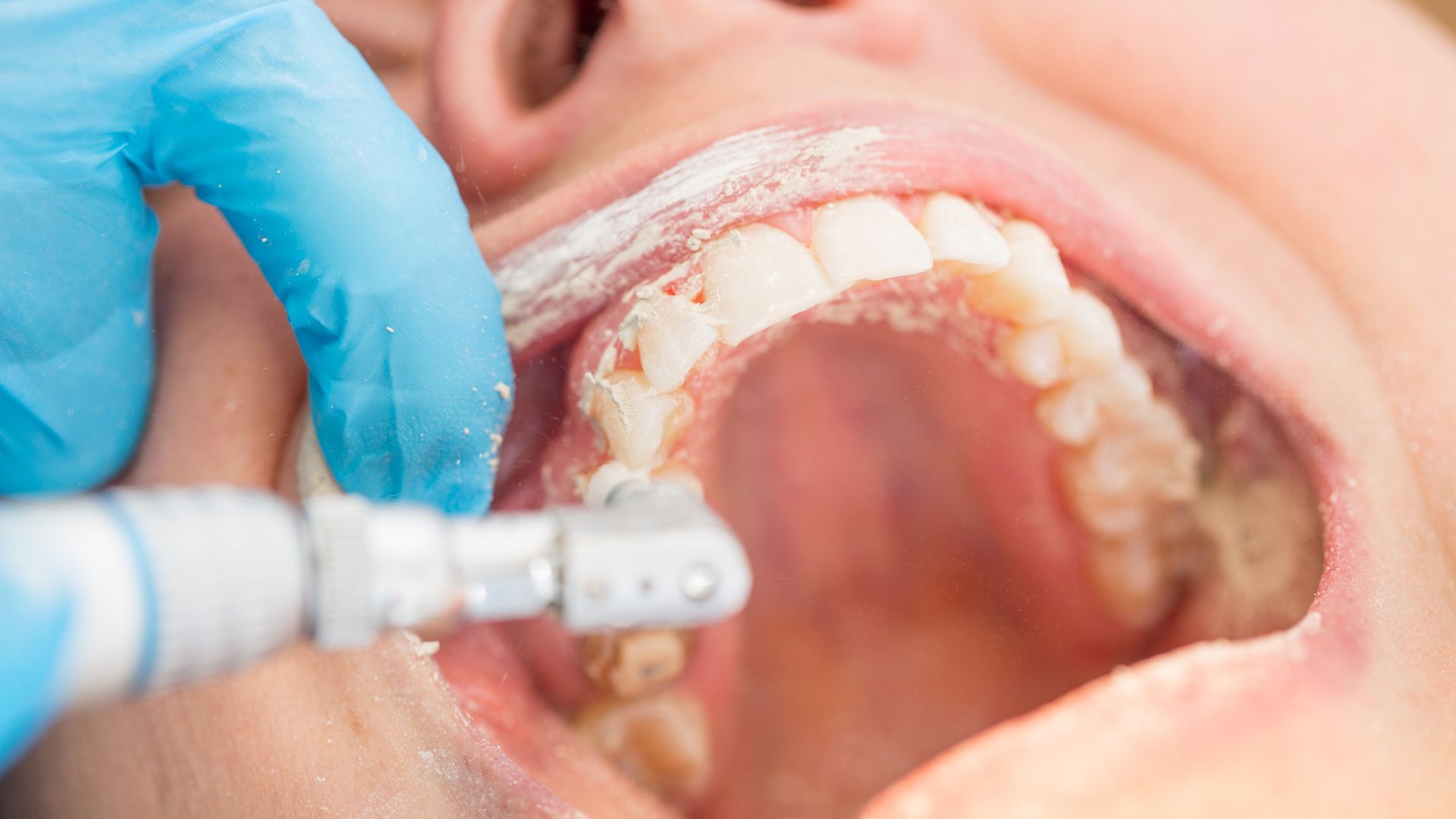
Using specialized tools, your hygienist carefully removes plaque and tartar from your teeth, including areas along the gumline that are difficult to reach at home.
Polishing
After tartar removal, your teeth are polished to smooth the surface and remove remaining surface stains, leaving your teeth feeling notably cleaner.
A Comprehensive Oral Exam
Your dentist typically conducts an exam as part of the same visit, checking for cavities, gum health, and other concerns, often supported by digital x-rays as needed.
Knowing what to expect can make the appointment feel more straightforward, especially if it’s been a while since your last visit. Let’s close with a summary of how to think about this decision going forward.
Final Thoughts on Cleaning Frequency
How often you should get a professional teeth cleaning ultimately depends on your individual risk factors, oral hygiene habits, and health history rather than a single universal rule. While twice a year remains a solid baseline for many patients, others benefit from a more customized schedule.
The best approach is an open conversation with your dental team, who can assess your specific needs and recommend an interval that actually protects your oral health effectively. Staying consistent with whatever schedule you land on is what matters most in the long run.
Your smile deserves a cleaning routine built around your actual needs, not just a generic guideline. Reach out to your dental team to find the right rhythm for you.
FAQ
Is it bad to go longer than six months between cleanings?
For most patients, extending beyond six months increases the risk of undetected tartar buildup and early gum disease. Discuss your specific situation with your dentist before deciding to extend the interval.
Can I get my teeth cleaned too often?
Professional cleanings performed by a trained hygienist are generally safe even at more frequent intervals when medically recommended. Your dentist will guide you toward an appropriate, not excessive, schedule.
Does insurance typically cover two cleanings per year?
Many dental insurance plans cover two cleanings annually, though coverage varies by plan. Check your specific policy or ask our team to help verify your coverage.
Should I still get cleanings if my teeth feel fine?
Yes, many oral health issues develop without noticeable symptoms. Regular professional cleanings and exams catch problems early, before they become painful or costly.
What’s the difference between a regular cleaning and a deep cleaning?
A regular cleaning addresses typical plaque and tartar buildup, while a deep cleaning targets more significant buildup below the gumline, often associated with early gum disease.
Ready to Find Your Ideal Cleaning Schedule?
Book an appointment with Heritage Dental Studio and get a personalized cleaning recommendation based on your unique oral health needs.