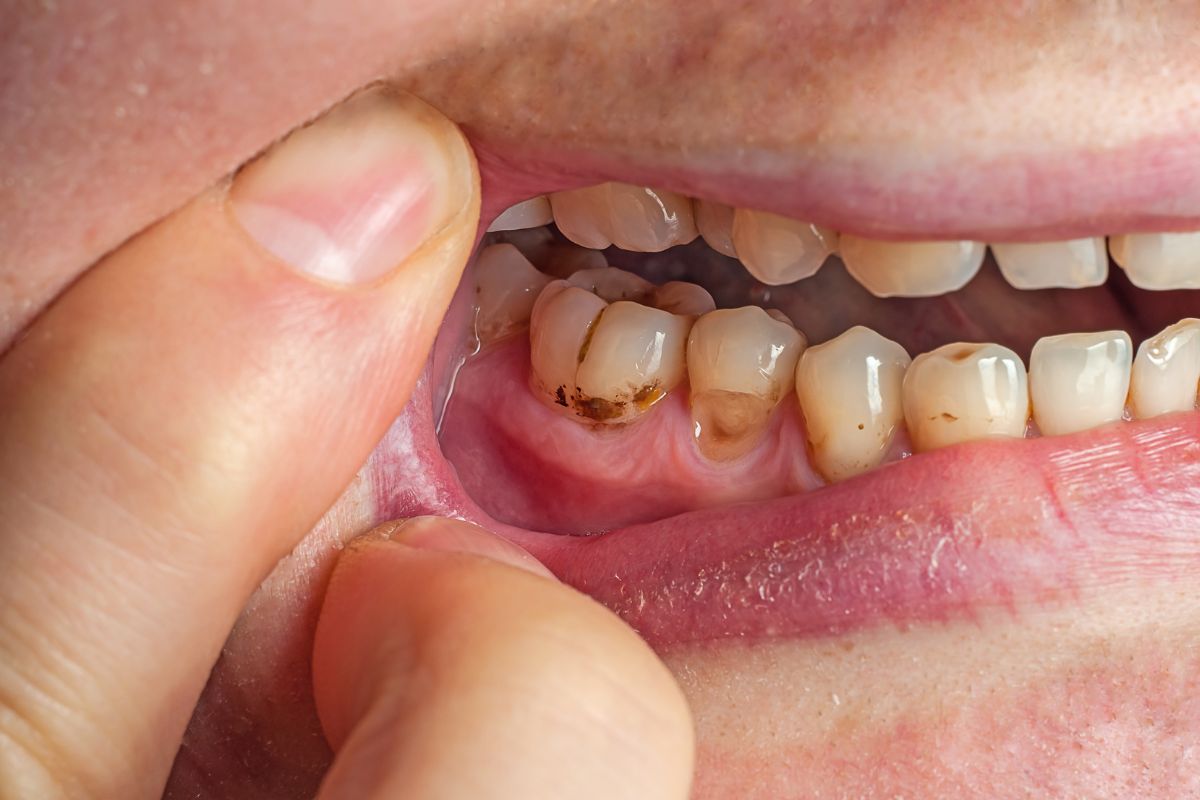
The crown vs bridge question usually comes up in two very different situations, and understanding which one applies to you is the first step toward the right decision. A crown protects and strengthens a single damaged tooth, while a bridge replaces one or more missing teeth entirely.
At Heritage Dental Studio, we see patients weighing both options regularly, often after losing a tooth to decay, trauma, or a previous extraction.
This guide breaks down what each restoration actually does, who is a good candidate for each, and how the costs and long-term outcomes compare so you can walk into your next appointment with realistic expectations.
Understanding What Each Restoration Actually Does
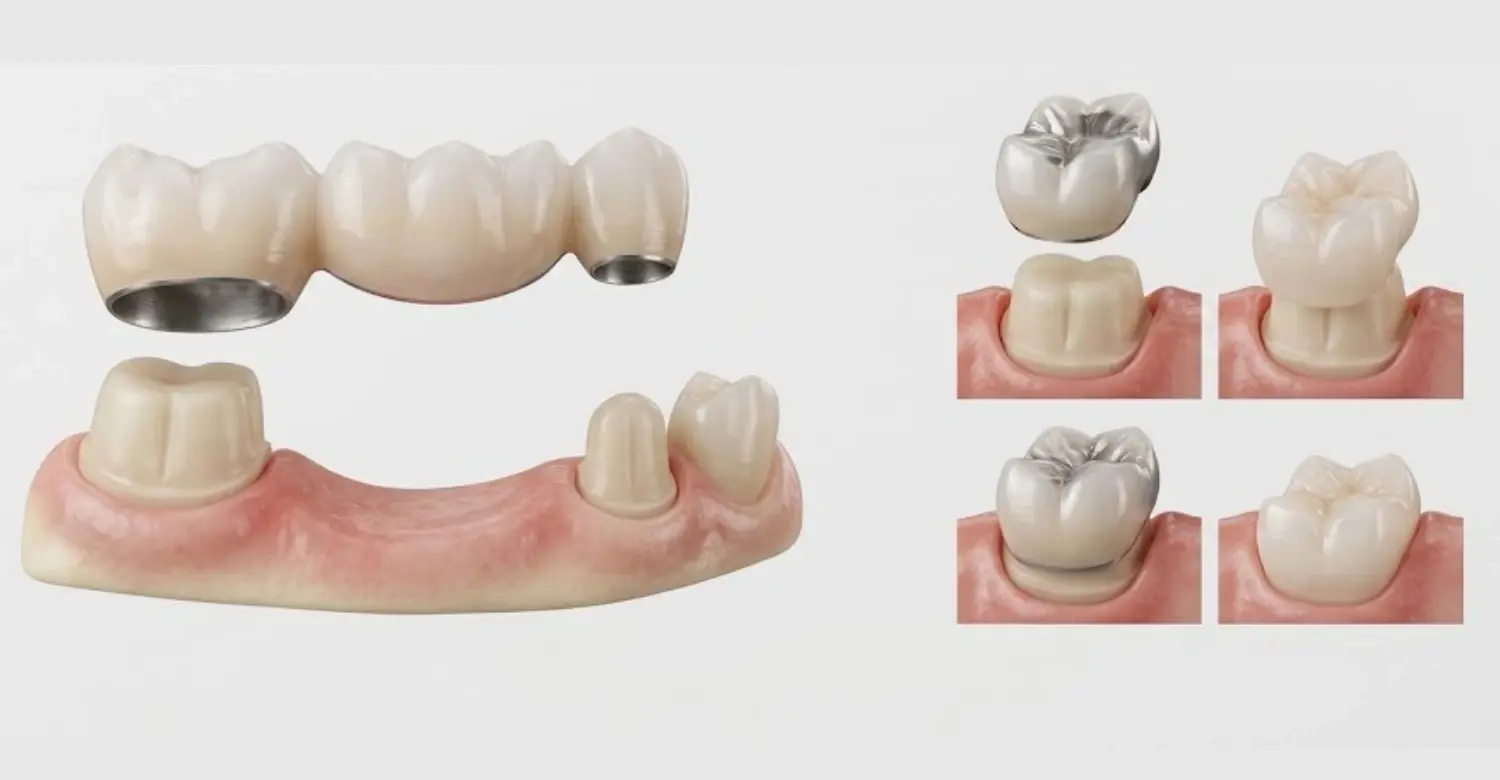
A crown is a cap that covers a single existing tooth, restoring its strength and shape without replacing anything that is missing. It sits directly over your natural tooth structure or an implant.
A bridge, on the other hand, replaces one or more missing teeth by anchoring a false tooth, called a pontic, to the neighboring teeth or implants on either side of the gap.
If you still have the tooth in question, even if it is badly damaged, a crown is generally the relevant option. If the tooth is already gone or needs to be extracted, a bridge becomes the consideration. This distinction is worth clarifying with your dentist right away, since it fundamentally shapes the rest of the conversation.
When a Crown Is the Right Choice
Protecting a Weakened Tooth
If a tooth has extensive decay, a large old filling, or has undergone a root canal, a crown restores its strength without removing it. Our page on crown after root canal treatment explains why this pairing is so common.
Repairing a Cracked Tooth
A crown provides the full coverage needed to stabilize a tooth with a significant crack, preventing the fracture from spreading further under normal biting pressure.
Cosmetic Correction
Crowns are also used to reshape a misshapen or heavily discolored tooth, particularly when bonding or veneers are not sufficient to achieve the desired result.
A crown always assumes the natural tooth root is still present and healthy enough to support the restoration. When that root is missing entirely, the conversation shifts toward a bridge or an implant instead.
When a Bridge Becomes the Right Choice
Replacing One or a Few Missing Teeth
A bridge is a well-established option for replacing a small number of consecutive missing teeth, particularly when the teeth on either side of the gap already need crowns for other reasons.
When Neighboring Teeth Need Support Anyway
If the teeth adjacent to the gap already have large fillings or crowns, using them as bridge abutments can be an efficient way to address multiple issues in a single treatment plan.
When Implant Surgery Isn’t an Option
Some patients are not good candidates for implant surgery due to insufficient bone density, certain medical conditions, or a preference to avoid surgery altogether. A bridge offers a non-surgical alternative that still restores a complete, functional smile. Our comparison of dental implants versus a bridge goes deeper into this specific comparison.
Once you know which scenario applies to you, the practical differences in procedure, cost, and longevity become the next important consideration.
How the Procedures Differ
Getting a Crown
A crown procedure typically involves reshaping the existing tooth, taking an impression or digital scan, and fitting a custom-made cap over it, usually across two visits unless same-day technology is used. Our article on same-day crowns and CEREC technology explains the faster alternative.
Getting a Traditional Bridge
A traditional bridge requires reshaping the two anchor teeth on either side of the gap, similar to crown preparation, then fitting a connected unit consisting of crowns on each end and a false tooth spanning the space between them.
Getting an Implant-Supported Bridge
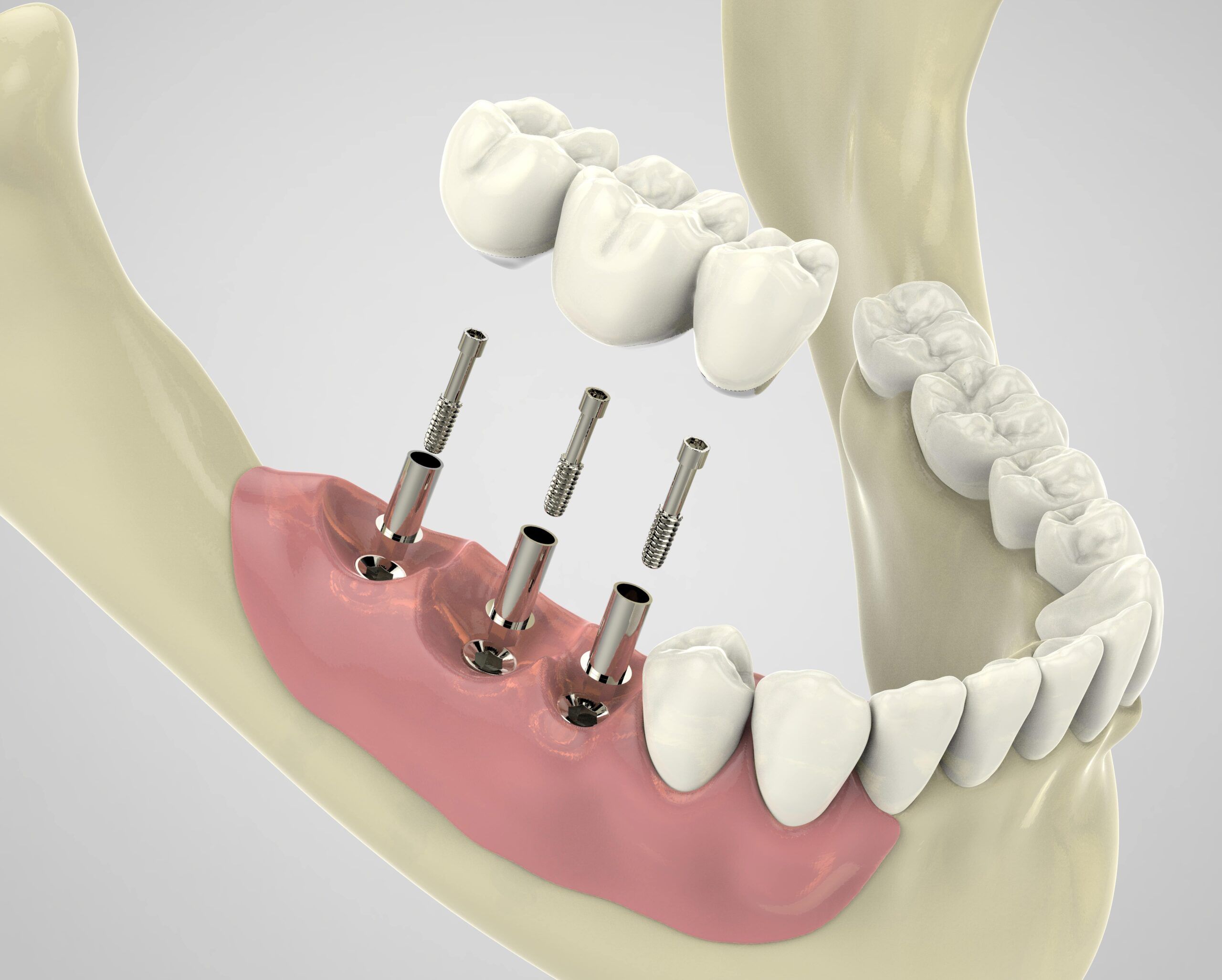
For patients replacing multiple teeth, an implant-supported bridge anchors to surgically placed implants rather than natural teeth, avoiding the need to alter healthy adjacent teeth at all.
Both restorations require a temporary version while the permanent piece is fabricated, and both are custom made to match your bite and the shade of your surrounding teeth.
Cost Comparison: Crown vs Bridge
A single crown is generally less expensive than a bridge, which makes sense given that a bridge involves fabricating and fitting a multi-unit restoration rather than a single cap.
A traditional three-unit bridge, covering two anchor teeth and one missing tooth, typically costs more than a single crown but can still be more affordable than an implant in many cases, since it avoids surgical fees.
For patients using insurance or the Canadian Dental Care Plan, both crowns and bridges are generally eligible for coverage, with bridges classified under major restorative or prosthodontic services requiring preauthorization. Our page on pricing and fees can help you understand the general fee structure before your consultation.
Cost matters, but longevity and how each option affects your remaining natural teeth are just as important to weigh.
Longevity: How Long Does Each Option Last?
Crowns are well documented to last a decade or more with proper care, particularly when paired with good oral hygiene and routine dental checkups. Our guide on how long crowns last outlines the factors that influence their lifespan.
Traditional bridges have a similar expected lifespan, though their longevity depends heavily on the health of the anchor teeth supporting them, since those teeth carry the additional biting load of the missing tooth.
If one of the anchor teeth develops new decay or gum disease, it can compromise the entire bridge, sometimes requiring the whole unit to be replaced rather than repairing a single tooth.
This dependency on the health of neighboring teeth is one of the more important tradeoffs to understand before choosing a bridge over other replacement options.
The Impact on Your Neighboring Teeth
One of the most significant considerations with a traditional bridge is that it requires reshaping two otherwise healthy teeth to serve as anchors, removing a layer of enamel that will never grow back.
This means committing to a bridge is also committing those two teeth to permanent crown coverage going forward, even if they had no issues before treatment began.
An implant-supported replacement, whether a single implant or an implant-supported bridge, avoids this tradeoff entirely, since it does not rely on neighboring natural teeth for support. Our article on dental implant candidacy explains what determines whether that option is available to you.
This is often the deciding factor for patients who are otherwise on the fence between a traditional bridge and an implant-based solution.
Caring for a Bridge vs Caring for a Crown
Daily Care for a Bridge
Cleaning underneath a bridge requires a bit more attention than cleaning a single crown, since floss cannot simply pass between the pontic and the gum tissue the way it does between natural teeth. Special floss threaders or a water flosser are typically recommended to clean beneath the false tooth.
Daily Care for a Crown
A crown is cleaned much like a natural tooth, with normal brushing and flossing along the gumline where the crown meets the remaining natural tooth structure.
Both restorations benefit significantly from routine professional cleanings, which allow your hygienist to reach areas that are more difficult to clean thoroughly at home. Our page on how often you should get a teeth cleaning outlines the typical recommended schedule.
Neglecting the cleaning routine for a bridge, in particular, raises the risk of decay forming on the anchor teeth underneath the crowns, which can shorten the bridge’s overall lifespan considerably.
Who Should Consider an Implant Instead of Either Option
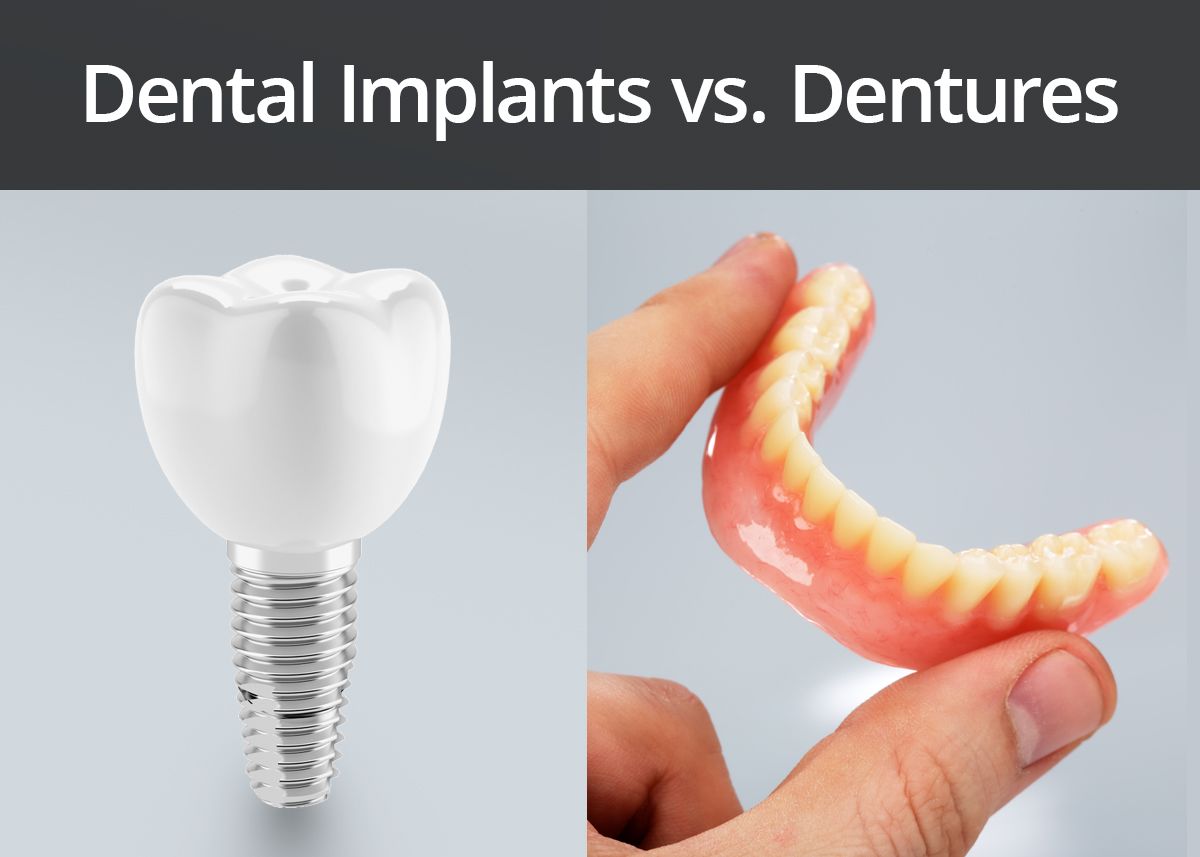
While this guide focuses on crowns and bridges, it is worth noting that a single dental implant is often considered the gold standard for replacing one missing tooth, since it does not affect neighboring teeth at all and tends to preserve the underlying jawbone more effectively than a bridge.
Implants do involve a surgical placement and a longer overall treatment timeline, along with a higher upfront cost, which is why bridges remain a reasonable and widely used alternative for many patients. Our page on the dental implant procedure step by step explains what that surgical timeline actually involves.
The right choice among a crown, a bridge, and an implant depends on your bone health, budget, timeline, and personal preference, which is exactly why this conversation belongs with your dentist rather than a generic online comparison alone.
What Happens if You Leave a Missing Tooth Untreated
It can be tempting to delay replacing a missing tooth, particularly if it is not visible when you smile, but doing so carries real consequences over time.
Neighboring teeth can gradually shift into the empty space, changing your bite alignment in ways that are more difficult and costly to correct later. The opposing tooth in the other jaw can also over-erupt without anything to bite against, creating additional complications.
Jawbone in the area of a missing tooth also begins to resorb over time without the stimulation a tooth root normally provides, which can make future replacement with an implant more difficult if too much time passes.
These downstream effects are worth factoring into your timeline, even if the immediate cosmetic concern feels manageable for now.
Making the Decision: Questions to Ask Your Dentist
Ask whether your existing tooth can realistically be saved with a crown, or whether extraction and replacement is the more predictable long-term path.
Ask how healthy the teeth on either side of a potential gap are, since that health status significantly affects whether a traditional bridge is a good option for you specifically.
Ask about your bone density and whether you would be a reasonable candidate for an implant if you wanted to explore that path instead of a bridge.
Finally, ask how each option is covered under your insurance or the CDCP, since the out-of-pocket difference between a bridge and an implant is sometimes smaller than patients initially assume once coverage is factored in.
Types of Bridges Explained
Traditional Fixed Bridge
This is the most common type, using crowns on the natural teeth on either side of the gap to anchor a false tooth in between. It is a well-established, predictable option for many patients.
Cantilever Bridge
Used when there is only one adjacent tooth available to serve as an anchor rather than two, a cantilever bridge attaches the pontic to a single supporting tooth. This design places more stress on that one anchor tooth, so it is used more selectively.
Maryland Bonded Bridge
This design uses a metal or porcelain framework bonded to the back of the neighboring teeth rather than full crowns, preserving more of the natural tooth structure. It tends to be used for front teeth where bite force is lower.
Implant-Supported Bridge
Rather than relying on natural teeth, this version anchors to one or more surgically placed implants, making it a strong option for replacing several consecutive missing teeth without affecting healthy adjacent teeth.
Each bridge type carries different tradeoffs in terms of how much natural tooth structure is preserved, how much force the restoration can handle, and what it costs, all of which your dentist will walk through based on your specific situation.
Types of Crowns and How They Compare
All-Ceramic and Porcelain Crowns
Favored for their natural translucency, these are commonly used for front teeth and any tooth visible in your smile, since they most closely mimic the appearance of natural enamel.
Zirconia Crowns
Known for a strong balance of durability and aesthetics, zirconia has become a popular choice for both front and back teeth in many practices today.
Porcelain-Fused-to-Metal Crowns
Combining a metal base for strength with a porcelain outer layer for appearance, this option remains a reasonable middle ground for teeth under heavy bite force.
Just as bridge type depends on the clinical situation, crown material selection depends on the tooth’s location, the forces it will experience, and your aesthetic priorities.
A Closer Look at Bone Health and Why It Matters
Bone density around a missing tooth site plays a significant role in determining whether an implant-supported option is realistic, which indirectly affects the crown versus bridge decision as well.
When a tooth has been missing for an extended period, the jawbone in that area gradually resorbs due to lack of stimulation from a natural tooth root. This can make future implant placement more complicated without a bone graft procedure first. Our article on what a bone graft involves explains this process for patients who may need it.
A traditional bridge does not require adequate bone density in the same way, since it relies on the strength of the adjacent natural teeth rather than the jawbone itself. This is part of why a bridge sometimes becomes the more practical option for patients who have waited a long time to address a missing tooth.
Comparing the Total Treatment Timeline
A single crown on an existing tooth is typically the fastest of the three restorations discussed here, often completed within two to three weeks from the initial preparation to the final cementation, or in a single visit with same-day technology.
A traditional bridge follows a similar timeline to a crown, since both anchor teeth are prepared simultaneously and the entire bridge unit is fabricated as one piece.
An implant-supported replacement takes considerably longer overall, often spanning several months, since the implant needs time to fuse with the jawbone, a process called osseointegration, before the final crown or bridge can be attached.
For patients who need a functional, aesthetic solution more quickly, this timeline difference is often a meaningful factor in choosing between a bridge and an implant-based approach.
How Age and Overall Health Factor Into the Decision
Younger patients with decades of wear ahead of them are sometimes steered toward implant-supported solutions when possible, since implants tend to hold up exceptionally well over a long time horizon and avoid committing healthy neighboring teeth to crown coverage.
Older patients, or those with certain medical conditions that make surgery less appealing, often find a traditional bridge to be a comfortable, effective, and less invasive path to restoring their smile.
Patients managing chronic conditions like diabetes, which can affect healing and bone integration, may also be steered toward a bridge if implant candidacy is uncertain, though many patients with well-managed diabetes are still excellent implant candidates. Our page on diabetes and oral health covers this relationship in more depth.
Bringing It Together
There is no single “better” option between a crown, a bridge, and an implant in the abstract. Each restores a different situation, a crown for a damaged but present tooth, a bridge or implant for a tooth that is already gone.
What matters most is an honest assessment of your specific mouth, including the health of your neighboring teeth, your bone density, your budget, and how much time you have for the treatment process.
Bring all of these questions into your consultation, and expect your dentist to walk through the reasoning with you rather than simply naming a recommendation. That collaborative approach is what leads to a restoration you will feel confident in for years to come.
Frequently Asked Questions
Can a bridge be converted to an implant later?
In many cases, yes, though it depends on the condition of the anchor teeth and the amount of bone available at the site of the missing tooth. This is worth discussing with your dentist if you are unsure which path to start with.
How long does it take to get a bridge?
A traditional bridge typically takes two to three appointments over a few weeks, including preparation of the anchor teeth, a temporary bridge, and final fitting of the permanent restoration.
Is a bridge as strong as a natural tooth?
A well-fitted bridge restores most normal chewing function, though it relies on the strength and health of the anchor teeth, which is why proper care of those teeth matters so much for the bridge’s longevity.
Does a crown hurt more than getting a bridge?
Both procedures are performed under local anesthetic, so discomfort during treatment is minimal for either. A bridge involves reshaping two teeth instead of one, which some patients notice as slightly more post-procedure sensitivity.
What’s the difference between a bridge and a partial denture?
A bridge is permanently cemented in place and functions like natural teeth, while a partial denture is removable. Our guide on full versus partial dentures explains that comparison in more detail.
Maintenance Habits That Extend Either Restoration’s Life
Regardless of which option you choose, a handful of daily habits meaningfully extend the lifespan of the restoration. Avoiding hard foods like ice or hard candy reduces the risk of chipping a crown or stressing a bridge’s connector points.
Wearing a night guard if you grind your teeth protects both crowns and bridges from the repetitive stress that grinding places on dental work, often extending their functional life by years.
Keeping up with your six-month checkups allows your dentist to catch small issues, like a loosening bridge or a crown margin starting to show wear, before they become a larger and more costly problem.
Real Considerations from the Chair
Patients often arrive at a consultation with a strong initial preference, sometimes for a bridge because it sounds less invasive, sometimes for an implant because it sounds more permanent. Both instincts are understandable, but neither is universally correct.
The most useful conversation happens when a dentist lays out the specific tradeoffs for your mouth: the condition of your adjacent teeth, your bone density, your budget, and your timeline, rather than defaulting to a single recommendation for every patient.
It also helps to think beyond the immediate repair and consider your mouth ten or twenty years from now. A bridge that commits two healthy teeth to crown coverage is a different long-term investment than an implant that stands independently, and that difference is worth weighing seriously even if the upfront cost comparison points one way.
Insurance and Coverage Nuances Worth Knowing
Insurance plans and the CDCP alike often draw a meaningful distinction between “restorative” work, like a single crown on a damaged tooth, and “prosthodontic” work, like a bridge replacing a missing tooth. These categories can carry different annual maximums or co-payment structures depending on your specific plan.
It is worth asking your insurance provider or reviewing your CDCP benefit statement to understand exactly how a bridge is classified before committing to treatment, since the out-of-pocket difference between a bridge and other options can shift considerably based on this classification.
Our page on direct billing and how it works explains how claims are typically processed at the time of treatment, which can simplify this part of the planning process considerably.
Ready to Explore Your Best Option?
Whether your tooth needs a crown or you are missing a tooth entirely, the right restoration depends on the specific condition of your mouth. The team at Heritage Dental Studio in downtown Toronto will walk you through your options clearly, including cost and coverage, so you can choose the path that fits your smile and your life.