If you are missing several teeth or facing the possibility of losing all of them, understanding full vs partial dentures is an important first step in planning your next move. The two options serve very different situations, even though both restore your ability to chew and smile with confidence.
At Heritage Dental Studio, we help patients navigate this decision regularly, working through their specific dental history to determine which type of denture actually fits their needs.
This guide explains the core differences, how each option works day to day, and what to expect from the fitting process through to long-term care.
What Is a Full Denture?
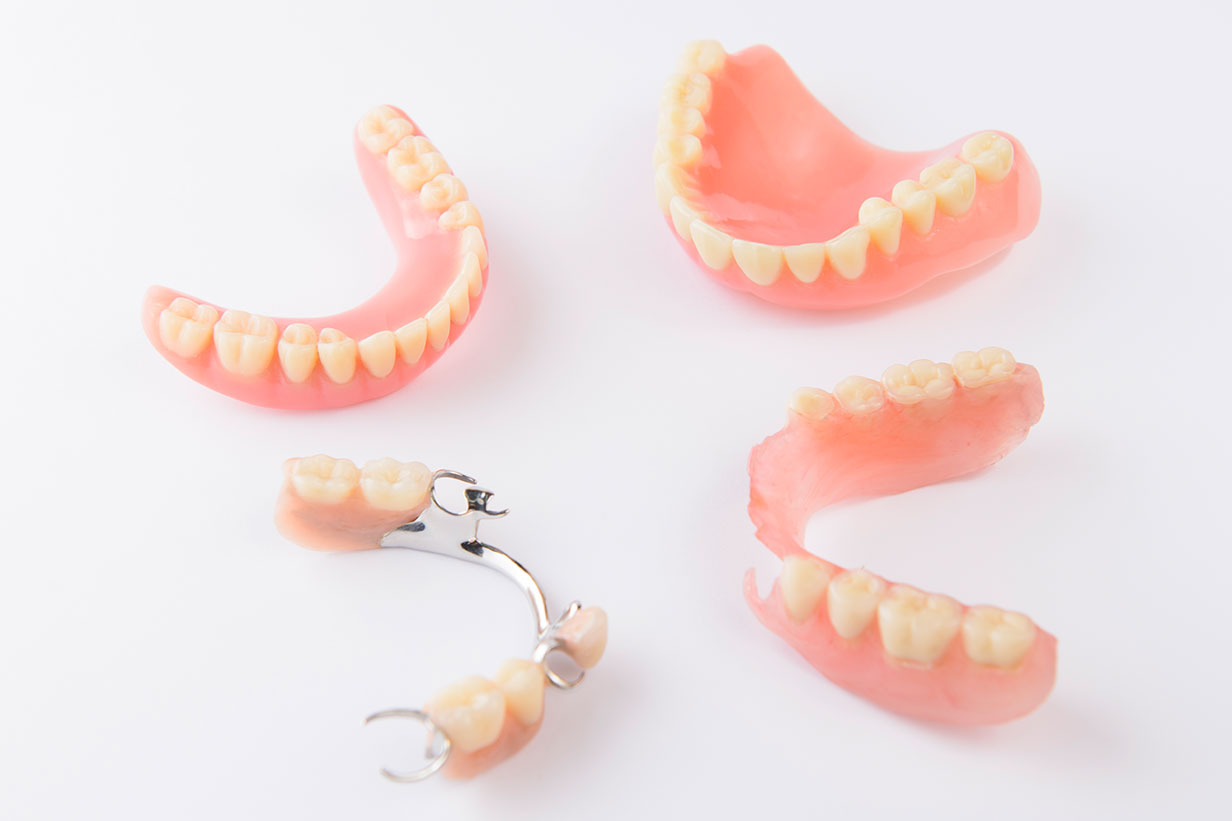
A full denture, sometimes called a complete denture, replaces an entire arch of teeth, either the upper, the lower, or both. It is used when all the natural teeth in that arch are missing or need to be removed.
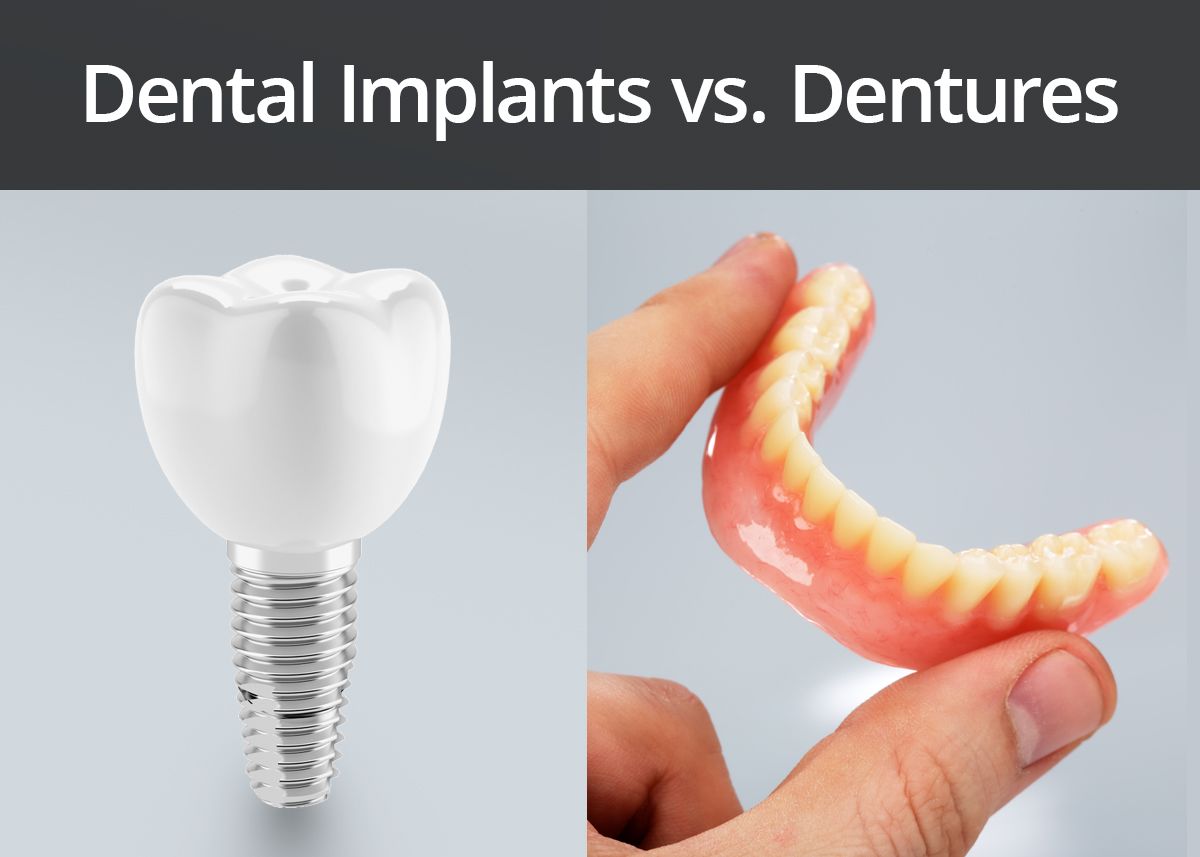
The denture consists of a gum-colored acrylic base that rests directly on your gums, with a full set of prosthetic teeth attached. Upper dentures typically use suction against the roof of the mouth for stability, while lower dentures rely more on the shape of the jaw and surrounding muscles.
Full dentures have been used successfully for generations and remain a reliable, well-understood solution for patients who have lost all their natural teeth in one or both arches.
What Is a Partial Denture?
A partial denture is designed for patients who still have some healthy natural teeth remaining. It fills in the gaps left by missing teeth while using clasps or precision attachments to anchor to your existing teeth for stability.
Unlike a full denture, a partial denture does not replace an entire arch, only the specific teeth that are missing, while your remaining natural teeth stay in place and continue functioning normally.
This distinction, whether any natural teeth remain in the arch being treated, is the fundamental factor that determines which type of denture applies to your situation.
How to Know Which One You Need
If you have already lost all your teeth in an arch, or your dentist has determined that your remaining teeth in that arch cannot be saved, a full denture is the relevant option.
If you still have several healthy teeth remaining and are only missing a few, a partial denture allows you to keep those healthy teeth in place while filling the gaps.
Your dentist will assess the health of your remaining teeth, including gum health and any decay, before confirming which category applies to your specific case. In some situations, teeth that appear salvageable at first glance may ultimately need extraction, which shifts the recommendation from a partial to a full denture instead.
Types of Partial Dentures
Removable Partial Dentures With Metal Clasps
This traditional design uses a metal framework with clasps that hook around your existing teeth for support, offering strong stability at a relatively accessible price point.
Flexible Partial Dentures
Made from a more pliable material, flexible partials use gum-colored clasps rather than visible metal, offering a more discreet appearance for patients concerned about the look of traditional clasps.
Precision Attachment Partial Dentures
These use hidden attachments built into crowns on the adjacent natural teeth rather than visible clasps, offering the most seamless appearance among partial denture options, typically at a higher cost.
Each style balances aesthetics, cost, and stability differently, which your dentist can walk through based on which teeth are missing and how visible they are when you speak or smile.
Types of Full Dentures
Conventional Full Dentures
Made after any remaining teeth have been extracted and the gums have had time to heal, typically six to eight weeks, conventional dentures offer a precise fit based on the fully healed gum tissue.
Immediate Full Dentures
These are placed on the same day your remaining teeth are extracted, allowing you to avoid going without teeth during the healing period. Because the gums continue to change shape as they heal, immediate dentures often require adjustment or relining once healing is complete.
Implant-Supported Full Dentures
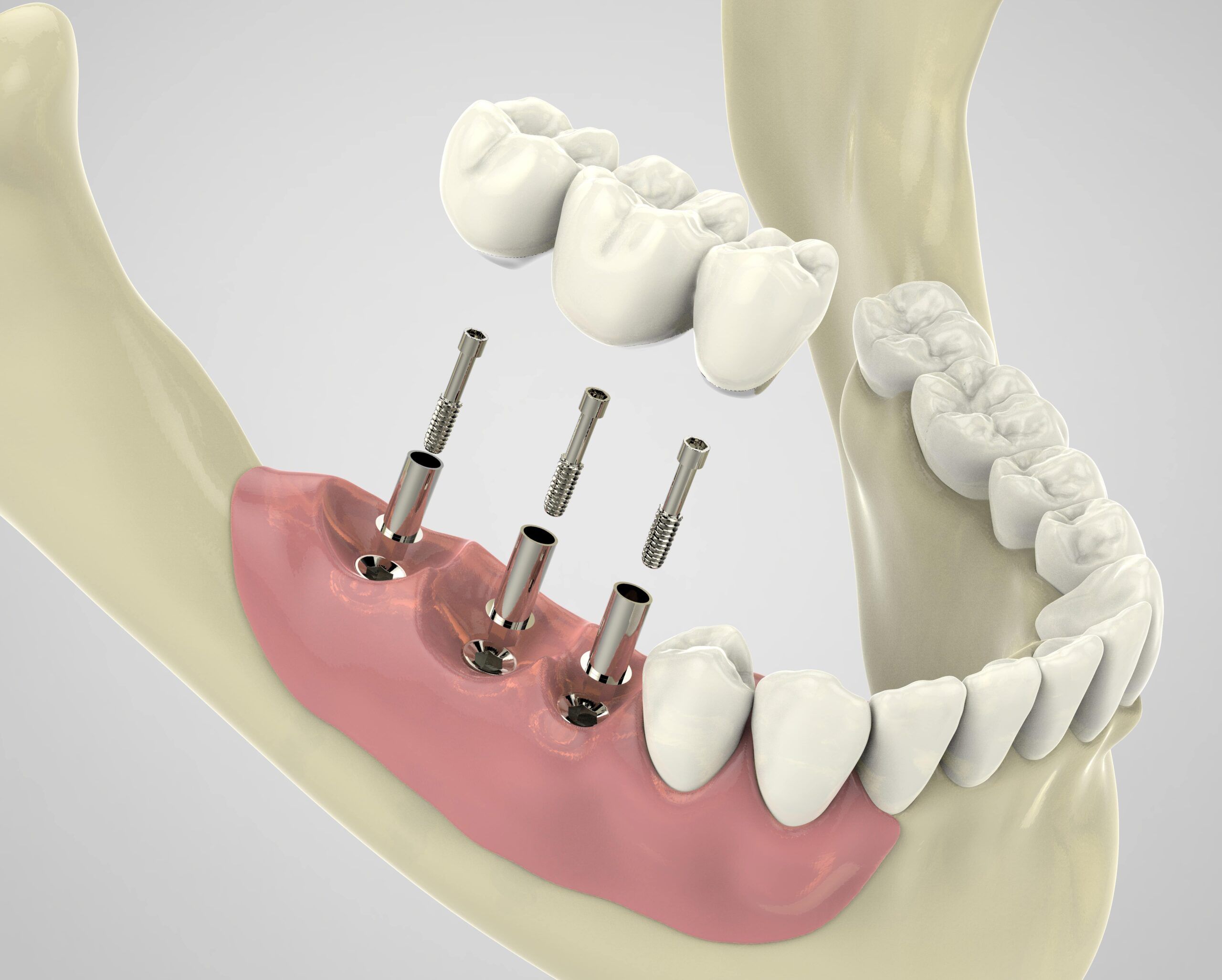
Rather than relying solely on suction and gum contact, these dentures anchor to a small number of dental implants placed in the jawbone, offering significantly improved stability and chewing function. Our comparison of implant-supported versus traditional dentures explains this option in more detail.
Understanding these subtypes helps clarify that “denture” is not a single, one-size-fits-all solution, but a category with several paths depending on your timeline, budget, and stability needs.
The Fitting Process: What to Expect
For Partial Dentures
Your dentist takes impressions of your existing teeth and gums, and a custom framework is fabricated to fit precisely around your remaining natural teeth. A few adjustment visits are typically needed to fine-tune the fit and your bite.
For Full Dentures
If teeth need to be extracted first, healing time is factored into the timeline before impressions for a conventional denture can be taken. Immediate dentures skip this wait but generally require more adjustment appointments afterward as the gums heal and change shape.
Both processes involve a period of adaptation once the denture is in place, since your mouth needs time to adjust to the new fit, feel, and function of the prosthetic.
Living With a Partial Denture
A well-fitted partial denture restores much of your normal chewing ability and speech clarity, though most patients need a short adjustment period to get used to the sensation of the clasps and framework.
Removing the partial denture at night, as generally recommended, allows your gums and remaining natural teeth a chance to rest, and gives you an opportunity to clean both the denture and your mouth thoroughly.
Because a partial denture works alongside your remaining natural teeth, continued care of those teeth, including regular brushing, flossing, and checkups, remains essential to the long-term success of the whole restoration.
Living With a Full Denture
Adjusting to a full denture typically takes longer than adjusting to a partial, since the entire chewing surface and the feel of the roof of your mouth or lower jaw ridge is new. Our guide on adjusting to new dentures offers practical tips for this transition period.
Many patients find that starting with softer foods and gradually reintroducing more textures helps ease the adjustment, along with practicing speech patterns that may feel slightly different at first.
Some patients choose to use a denture adhesive for additional stability and confidence, particularly with lower dentures, which naturally have less retention than upper dentures due to the tongue’s movement and lower suction area. Our page on denture adhesives explains how to use these products effectively.
Cost Comparison: Full vs Partial Dentures
Partial dentures are generally less expensive than full dentures, since they replace fewer teeth and typically use a smaller amount of material and lab work.
Full dentures cost more overall, reflecting the complete replacement of an entire arch of teeth, and the price increases further for implant-supported options due to the surgical component involved.
For patients using the Canadian Dental Care Plan, both full and partial dentures are eligible for coverage as part of removable prosthodontic services, generally requiring preauthorization before treatment. Our detailed guide on denture costs in Toronto breaks down the typical fee ranges for each type.
Caring for Your Dentures
Both full and partial dentures need daily cleaning with a denture-specific brush and cleanser, since regular toothpaste can be too abrasive for the denture material over time. Our guide on how to care for dentures covers the full daily routine.
Soaking your denture overnight, as recommended by most dentists, helps maintain its shape and keeps it free of bacteria buildup, while also giving your gum tissue a chance to rest from constant contact.
Routine checkups remain important even after you have dentures, allowing your dentist to check the fit, examine your gum tissue, and monitor your remaining natural teeth if you have a partial denture.
When Your Denture Might Need Adjustment or Replacement
Over time, your jawbone and gum tissue naturally change shape, which can cause a previously well-fitting denture to become loose or uncomfortable. This is a normal part of the aging process rather than a sign anything went wrong with the original fitting.
Most dentists recommend having your denture checked periodically, since a loose denture that goes unaddressed can lead to sore spots, difficulty chewing, or accelerated bone loss in the jaw.
Relining, a process that adds new material to the base of the denture to improve its fit against your current gum shape, can often extend the life of a denture without needing a full replacement.
Comparing Dentures to Other Tooth Replacement Options
For patients missing only a few teeth, it is worth understanding how a partial denture compares to a fixed bridge or dental implants, since each option carries different tradeoffs in cost, permanence, and daily maintenance. Our comparison of crown versus bridge covers one alternative path worth discussing with your dentist.
For patients missing all their teeth in an arch, implant-supported dentures offer a middle ground between a traditional removable denture and a full set of individual implants, often at a more accessible price point than replacing every tooth individually. Our page on all-on-4 dental implants explains one popular implant-supported approach.
Emotional Considerations Around Losing Teeth
Facing tooth loss, whether a few teeth or an entire arch, carries an emotional weight that goes beyond the practical mechanics of chewing and speaking. Many patients feel self-conscious about their smile long before they arrive for a consultation.
It helps to know that this experience is extremely common. Tooth loss affects people at every stage of adulthood, often as a result of decades of accumulated decay, gum disease, or injury rather than any single mistake in oral care.
Modern dentures, whether full or partial, are designed to restore not just function but genuine confidence, with natural-looking materials and a fitting process focused on your comfort and appearance, not just mechanics.
Talking openly with your dental team about your concerns, whether about appearance, cost, or the adjustment process, helps them tailor the recommendation and the pacing of treatment to what actually matters most to you.
How Diet Changes With Full vs Partial Dentures
Eating With a Partial Denture
Because your natural teeth remain in place, chewing tends to feel closer to normal with a partial denture, particularly on the side of the mouth where natural teeth provide most of the biting force.
Eating With a Full Denture
Full dentures require more adjustment, since biting force is distributed differently across the gum ridge rather than through natural tooth roots. Many patients find it easiest to start with softer foods, cutting items into smaller pieces, and gradually working back toward a fuller range of textures over several weeks. Our guide on caring for dentures includes practical tips for this transition.
Foods Worth Approaching Carefully
Very sticky foods, hard nuts, and tough meats can be more challenging with either type of denture, particularly in the early adjustment period, though most patients find their confidence with a broader range of foods improves significantly over time.
Speech Adjustments With Dentures
New denture wearers, particularly those with full upper dentures, often notice a temporary change in how certain sounds feel, especially words with a lot of “s” or “th” sounds, since the denture’s acrylic base changes the shape of the roof of the mouth slightly.
Reading aloud for a few minutes daily during the adjustment period is a practical exercise many dentists recommend, helping your tongue and lips relearn their positioning against the new denture surface.
Most patients find speech returns to feeling completely natural within a few weeks as the muscles of the mouth adapt, though it is worth mentioning any persistent speech difficulty to your dentist, since a minor adjustment to the denture can sometimes resolve the issue.
The Role of Bone Health in Denture Stability
Jawbone naturally begins to shrink, a process called resorption, once teeth are lost, since the bone no longer receives the stimulation that tooth roots normally provide.
This ongoing bone change is one of the main reasons a denture’s fit can shift over the months and years after it is first made, requiring periodic adjustment, relining, or eventual replacement.
Implant-supported dentures help slow this process in the areas where implants are placed, since the implants themselves provide some of the stimulation that natural tooth roots once did. This is part of why many patients transitioning to a full denture explore implant support as part of the same treatment plan. Our page on how a bone graft works is worth reading if significant bone loss has already occurred.
Frequently Asked Questions
Can I switch from a partial denture to a full denture later?
Yes, if your remaining natural teeth eventually need to be extracted due to decay or gum disease, your dentist can transition you to a full denture at that point, often with a planned timeline to ease the change.
How long does it take to get used to wearing dentures?
Most patients adjust within a few weeks to a couple of months, though speech and eating comfort typically improve gradually as the muscles of the mouth adapt to the new prosthetic.
Do partial dentures damage the remaining natural teeth?
When properly fitted and maintained, partial dentures should not damage healthy teeth, though poor fit or inconsistent cleaning can increase the risk of decay or gum irritation around the clasps over time.
Is it better to get an immediate denture or wait for a conventional one?
This depends on your priorities. Immediate dentures avoid going without teeth during healing but typically need more adjustments, while conventional dentures offer a more precise initial fit after the gums have fully healed.
Will my dentures look natural?
Modern denture teeth are shade-matched and shaped to complement your facial features, and most patients find the final result looks natural and restores their confidence in speaking and smiling.
Questions Worth Asking Before You Commit
Ask your dentist directly whether your remaining teeth are genuinely salvageable long-term, since this determines whether a partial denture is a lasting solution or a short-term step before a full denture becomes necessary.
Ask about the tradeoffs between an immediate and a conventional full denture if you are facing extraction, since your comfort with the adjustment process and your timeline both factor into which path makes more sense.
Ask whether implant support is a realistic option for you now or in the future, since this decision affects both the stability of your denture and the long-term health of your jawbone.
Finally, ask what the expected maintenance schedule looks like, including how often relining or adjustments are typically needed, so you can plan for the ongoing care a denture requires beyond the initial fitting.
A Final Word on Making This Decision With Confidence
Choosing between a full and partial denture is rarely a simple either-or decision made in isolation. It reflects the specific condition of your remaining teeth, your gum and bone health, your budget, and how you want your daily life to feel once treatment is complete.
The most successful outcomes happen when patients feel fully informed about the process, from the initial fitting through the adjustment period and ongoing maintenance, rather than surprised by any part of the journey.
Give yourself permission to ask every question that comes to mind, revisit the conversation more than once if needed, and trust that a well-planned denture, full or partial, can restore not just your bite but your confidence in your smile.
Ready to Talk Through Your Denture Options?
Whether you are missing a few teeth or facing the loss of an entire arch, the right denture solution depends on your specific dental history and goals. The team at Heritage Dental Studio in downtown Toronto is ready to walk you through your options and help you find a comfortable, confident fit.