
If you have recently had a tooth pulled, understanding dry socket symptoms, prevention, and treatment can help you tell the difference between normal healing discomfort and a complication that needs prompt attention.
At Heritage Dental Studio, we walk every extraction patient through exactly what to watch for during recovery, since catching dry socket early makes treatment far more comfortable.
This guide covers what dry socket actually is, who is most at risk, the warning signs to watch for, and the practical steps that meaningfully reduce your chances of developing it.
What Is Dry Socket?
Dry socket, clinically known as alveolar osteitis, occurs when the protective blood clot that normally forms at an extraction site is dislodged or dissolves prematurely, before the underlying bone and nerve tissue have had a chance to heal properly.
That blood clot plays a critical role in normal healing, protecting the exposed bone and nerve endings while new tissue gradually forms over the site. When it is lost too soon, the bone and nerve are left exposed to air, food, and bacteria, which causes significant pain.
Dry socket is considered the most common complication following a tooth extraction, though it affects only a relatively small percentage of patients overall, with the risk varying considerably depending on which tooth was removed and how the extraction was performed.
How Common Is Dry Socket, Really?
For routine, straightforward extractions, research consistently places the incidence of dry socket in the range of roughly one to four percent of cases, making it a relatively uncommon outcome for most simple procedures.
The picture changes considerably for surgical removal of impacted lower wisdom teeth, where studies have reported incidence rates ranging from around twenty percent up to thirty percent or higher, reflecting the more complex nature of these extractions and their location in the denser bone of the lower jaw.
Smoking meaningfully increases this risk regardless of which tooth is extracted. A review of the available research found the prevalence of dry socket among smokers was roughly three times higher than among non-smokers, reinforcing tobacco use as one of the most significant modifiable risk factors involved.
Understanding these numbers helps put your personal risk into perspective, particularly if you are scheduled for a more complex extraction like an impacted wisdom tooth removal.
Recognizing the Symptoms of Dry Socket
Pain That Worsens Rather Than Improves
Normal post-extraction discomfort typically peaks within the first day or two and then gradually improves. Dry socket pain, by contrast, often intensifies around two to five days after the extraction, a pattern that is one of the clearest warning signs something is wrong.
Pain Radiating to the Ear, Eye, or Neck
Because the exposed nerve tissue is directly irritated, dry socket pain often radiates well beyond the extraction site itself, sometimes reaching the ear, temple, or neck on the same side of the face.
A Visibly Empty-Looking Socket
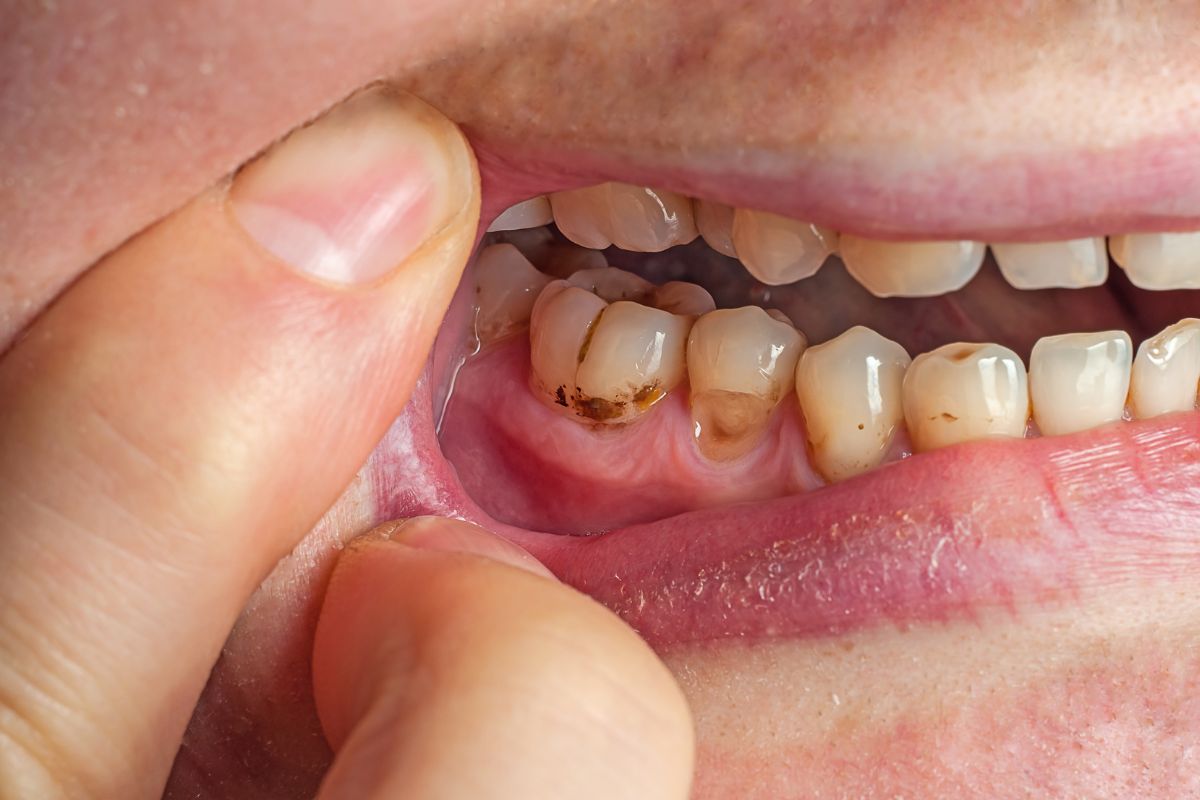
Instead of a dark red blood clot, the extraction site may appear empty or show visible bone, sometimes with a whitish appearance where the clot should be.
Bad Breath or an Unpleasant Taste
Because the exposed socket is more prone to trapping food debris and bacteria, many patients notice persistent bad breath or an unusual taste that does not improve with normal brushing.
Swollen Lymph Nodes
In some cases, the lymph nodes around the jaw and neck become tender or swollen as the body responds to the inflammation at the extraction site.
If you notice any combination of these symptoms, particularly worsening pain a few days after your extraction, it is worth contacting your dentist promptly rather than waiting to see if it resolves on its own.
Who Is Most at Risk for Dry Socket?
Smokers and Tobacco Users
The act of smoking, along with chemicals in tobacco products, significantly impairs healing and increases the likelihood of dislodging the protective blood clot.
Patients Having Wisdom Teeth Removed
Surgical extraction of impacted lower wisdom teeth carries a substantially higher risk compared to routine extractions elsewhere in the mouth, reflecting both the complexity of the procedure and the density of bone in that area.
Patients With a History of Dry Socket
If you have experienced dry socket after a previous extraction, you may be at higher risk of it happening again with future extractions, which is worth mentioning to your dentist in advance.
Patients Using Oral Contraceptives
Some research has linked oral contraceptive use to a slightly elevated risk of dry socket, thought to be related to hormonal effects on the clotting and healing process.
Patients With Poor Oral Hygiene
Higher levels of bacteria in the mouth at the time of extraction can interfere with proper healing and increase the risk of the clot breaking down prematurely.
Knowing whether you fall into one or more of these risk categories allows you and your dentist to take extra precautions around your specific extraction.
How to Prevent Dry Socket
Avoid Smoking Before and After Extraction
Refraining from smoking for as long as possible before your extraction, and for at least several days afterward, is one of the single most effective steps you can take to reduce your risk.
Avoid Using Straws
The suction created by drinking through a straw can dislodge the healing blood clot, which is why most dentists recommend avoiding straws for at least a week following extraction.
Follow Your Dentist’s Aftercare Instructions Closely
Specific guidance around rinsing, spitting, and eating in the days immediately following your extraction is designed to protect the healing clot, so following these instructions precisely matters more than it might seem.
Stick to Soft Foods Initially
Avoiding hard, crunchy, or chewy foods near the extraction site for the first few days reduces the risk of accidentally disturbing the clot during the earliest and most vulnerable stage of healing.
Maintain Gentle Oral Hygiene
Continuing to brush your other teeth while being careful around the extraction site helps keep bacteria levels down without disrupting the healing socket directly.
Attend Any Recommended Follow-Up Visits
For more complex extractions, your dentist may recommend a follow-up check to confirm healing is progressing normally, giving you an opportunity to address any early concerns before they escalate.
Our detailed guide on tooth extraction aftercare covers this full list of recommendations in more depth, including a day-by-day breakdown of what to expect.
What to Do If You Suspect Dry Socket
If you notice worsening pain a few days after an extraction, particularly if it radiates or is accompanied by a bad taste or visible empty socket, contact your dental office promptly rather than waiting.
Over-the-counter pain relief may provide some temporary comfort, but dry socket generally requires professional treatment to resolve fully, since the exposed bone and nerve need to be properly protected and treated to allow healing to proceed.
Delaying treatment tends to prolong the discomfort unnecessarily, since dry socket rarely improves significantly on its own without intervention.
How Dentists Treat Dry Socket
Cleaning the Socket
Your dentist will gently clean the extraction site to remove any debris or food particles that have accumulated in the exposed socket.
Placing a Medicated Dressing
A medicated dressing, often containing a soothing agent like eugenol, is typically placed directly into the socket to relieve pain and protect the exposed bone and nerve tissue while healing progresses.
Pain Management
Your dentist may recommend or prescribe pain relief medication to manage discomfort during the healing period, alongside the medicated dressing.
Follow-Up Dressing Changes
Depending on the severity, the dressing may need to be changed every day or two until the socket has healed sufficiently for the discomfort to resolve on its own without further intervention.
Most patients experience significant relief within a day or two of starting treatment, even though full healing of the socket still takes several more days to a couple of weeks to complete.
How Long Does Dry Socket Take to Heal?
With proper treatment, the acute pain associated with dry socket typically improves substantially within a few days, though the underlying socket continues healing over the following one to two weeks, similar to the timeline for a normal extraction recovery.
Without treatment, symptoms tend to persist longer and can feel considerably more uncomfortable throughout that extended period, which is why prompt professional care makes such a meaningful difference in your overall recovery experience.
Dry Socket vs Normal Healing: How to Tell the Difference
Normal post-extraction healing involves some swelling, mild to moderate discomfort, and gradual improvement day over day, generally well managed with over-the-counter pain relief as directed by your dentist.
Dry socket, by contrast, is marked by pain that worsens rather than improves after the first couple of days, often becomes sharper or more intense, and may radiate beyond the immediate extraction site.
If your recovery feels like it is moving in the wrong direction rather than steadily improving, that shift is worth paying close attention to and reporting to your dental office promptly.
Reducing Your Risk Before a Planned Extraction
If you have an extraction scheduled, particularly a more involved procedure like wisdom tooth removal, talk with your dentist in advance about your personal risk factors, including smoking status and any history of dry socket with previous extractions.
Some dentists recommend specific preventive measures for higher-risk patients, such as an antimicrobial rinse before the procedure or a protective dressing placed proactively immediately after extraction.
Being proactive about this conversation, rather than waiting until symptoms develop, gives you and your dental team the best opportunity to minimize your risk from the outset. Our page on wisdom tooth extraction recovery covers additional recovery guidance specific to that higher-risk procedure.
The Biology Behind Why the Clot Matters So Much
To understand why dry socket causes such significant discomfort, it helps to understand what the blood clot is actually doing during normal healing. Immediately after extraction, blood fills the empty socket and clots, forming a protective barrier over the bone and nerve endings below.
This clot is not just a passive covering. It serves as the foundation for new tissue growth, gradually being replaced by granulation tissue and eventually bone as the site heals over the following weeks.
When the clot is lost prematurely, whether through suction, physical disruption, or a natural breakdown process related to the fibrinolytic enzymes released in some patients, the underlying bone and nerve are left directly exposed to the oral environment. This exposure is what causes the sharp, persistent pain characteristic of dry socket, since bone and nerve tissue are simply not meant to be in direct contact with air, food, and bacteria.
Research into this process has identified that some patients may have naturally higher levels of the enzymes responsible for breaking down blood clots, which could help explain why dry socket develops in some individuals even when preventive steps are followed carefully.
Common Myths About Dry Socket
Myth: Dry Socket Means the Extraction Went Wrong
As mentioned earlier, this is not accurate. Dry socket can occur even after a technically flawless extraction, since individual healing factors and post-procedure behavior play a significant role independent of how the extraction itself was performed.
Myth: You Can Simply Wait It Out
While mild post-extraction discomfort does improve on its own, true dry socket generally does not resolve without professional treatment, since the exposed bone and nerve need protection to allow proper healing to proceed.
Myth: Only Wisdom Tooth Extractions Cause Dry Socket
While wisdom tooth removal, particularly of impacted lower teeth, carries a notably higher risk, dry socket can technically occur after any extraction, even a routine one.
Myth: Rinsing Vigorously Helps Keep the Socket Clean
In fact, vigorous rinsing, particularly in the first 24 hours, can dislodge the healing clot and increase your risk of dry socket. Gentle rinsing only, as specifically directed by your dentist, is the safer approach.
Clearing up these misconceptions helps patients approach their recovery with accurate expectations rather than either unnecessary anxiety or, conversely, insufficient caution during the healing window.
A Practical Day-by-Day Aftercare Checklist
Day of Extraction
Bite gently on the gauze provided to help the clot form, avoid rinsing or spitting forcefully, and stick to cool, soft foods for the remainder of the day.
Days One to Three
Continue avoiding straws, smoking, and vigorous rinsing. Gentle salt water rinses, if recommended by your dentist, are typically introduced starting the day after extraction rather than immediately.
Days Four to Seven
Most normal healing shows steady improvement during this window. If pain is instead worsening during these days, this is the period when dry socket symptoms most commonly become apparent and warrant a call to your dental office.
One to Two Weeks
The socket continues healing beneath the surface, with most patients feeling largely back to normal by the end of this period, assuming no complications like dry socket have developed.
Keeping this general timeline in mind helps you recognize when your recovery is tracking normally versus when it might be worth reaching out for professional guidance.
When to Seek Emergency Dental Care
While dry socket itself is not typically an emergency, certain accompanying symptoms warrant more urgent attention. Fever, significant facial swelling, or pain that is not responding at all to over-the-counter pain relief could indicate a more serious infection requiring prompt evaluation. Our page on emergency dentistry explains when a same-day appointment is appropriate.
Difficulty swallowing or breathing alongside swelling near an extraction site is a sign to seek immediate medical attention, since this could indicate a spreading infection that needs urgent care beyond what a standard dental visit addresses. Our guide on recognizing when tooth pain is an emergency offers additional guidance on distinguishing routine discomfort from a situation requiring urgent care.
For straightforward dry socket without these additional warning signs, a prompt but non-emergency dental appointment is generally the appropriate next step to begin treatment and relieve your discomfort.
Frequently Asked Questions
Can dry socket happen after any tooth extraction, not just wisdom teeth?
Yes, dry socket can occur after any extraction, though the risk is considerably higher for surgical removal of impacted lower wisdom teeth compared to routine extractions elsewhere in the mouth.
How soon after an extraction does dry socket typically develop?
Dry socket symptoms most commonly appear two to five days after the extraction, which is why worsening pain during this window is a key warning sign to watch for.
Is dry socket dangerous?
Dry socket is painful but not typically dangerous to your overall health. It is a healing complication rather than a serious infection, though it does require professional treatment to manage the discomfort effectively.
Can I treat dry socket at home?
While gentle rinsing with warm salt water as recommended by your dentist may offer some comfort, dry socket generally requires professional treatment with a medicated dressing to resolve properly and should not be managed with home remedies alone.
Does dry socket mean my extraction wasn’t done correctly?
Not necessarily. Dry socket can occur even after a properly performed extraction, since it often relates to individual risk factors like smoking or the natural healing response rather than any error in the procedure itself.
Recovering From an Extraction and Have Questions?
Knowing what to watch for after an extraction gives you peace of mind during recovery. The team at Heritage Dental Studio in downtown Toronto is available to answer your questions and address any concerns promptly if something does not feel right during healing.