
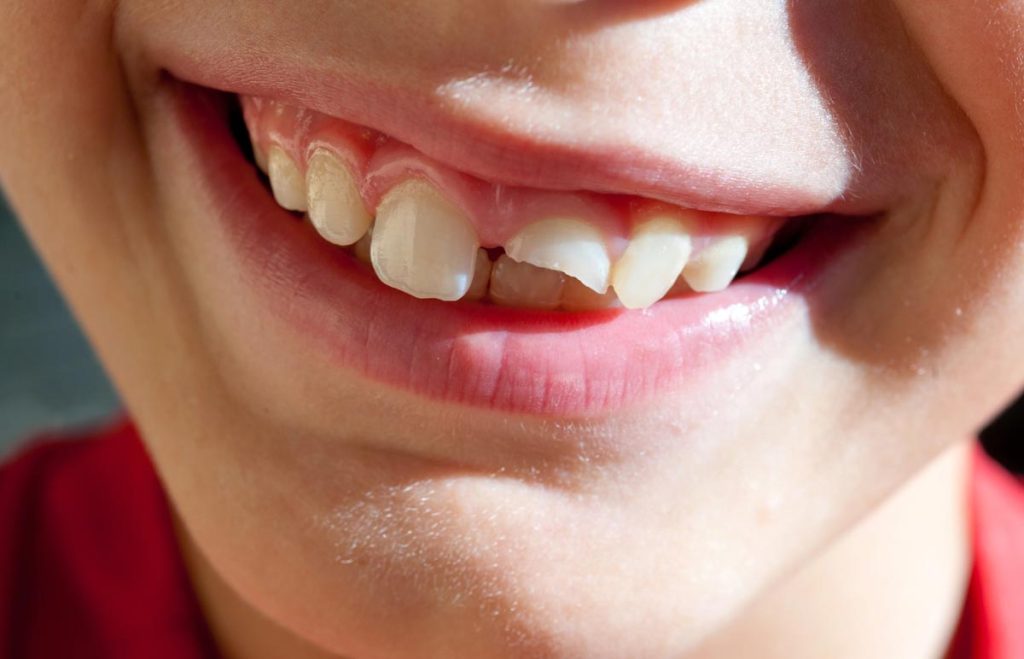
You bite into something hard and feel a sudden rough edge where your tooth used to be smooth. A chipped tooth can happen in an instant, whether from ice, a fall, or an old filling giving way.
The good news is that most chips are fixable, often in a single visit. What matters most right now is what you do in the next few hours and how quickly you get to a dentist.
This guide walks through immediate first aid, how dentists assess chip severity, and every treatment option available so you know exactly what to expect.
What to Do in the First Few Hours
Your actions immediately after chipping a tooth can make a real difference in how the repair goes. Rinse with warm salt water by mixing one teaspoon of salt in a cup of warm water and gently swishing for 30 seconds to clean the area and reduce bacteria.
Save Any Fragments
If you find pieces of your chipped tooth, store them in milk or saliva and bring them to your dentist, since your dentist may occasionally be able to bond a fragment back into place depending on the type of break. Do not attempt to reattach it yourself with household glue.
Protect Sharp Edges
Apply dental wax to sharp edges to protect your tongue and cheeks from cuts, which is available at most pharmacies. A piece of sugarless gum can serve the same purpose in a pinch if wax is not on hand.
Manage Discomfort
Use over-the-counter pain relief like ibuprofen or acetaminophen as directed on the package to manage discomfort until you can see your dentist, and an ice pack against the outside of your cheek can further reduce any swelling. Avoid chewing on the affected side while you wait for your appointment.
Call Your Dentist Promptly
Call your dentist within 24 hours, as even small chips can expose sensitive inner layers and lead to decay, infection, nerve exposure, and pain if left untreated. Waiting rarely helps and can turn a simple fix into a more involved one.
Once you have stabilized the situation at home, the next step is understanding what your dentist will actually look for during the exam.
How Dentists Assess a Chipped Tooth
Not every chip is the same, and the treatment plan depends heavily on how deep the damage goes. Your tooth has different layers, with enamel as the hard outer shell and pulp as the inner core containing nerves and blood vessels.
The Layer That Was Affected
If a chip is deep enough to reach the pulp, you will probably feel significant pain, and the tooth is at a much higher risk for infection. Your dentist uses this information, along with X-rays, to determine exactly which layer has been compromised.
Chipped Versus Cracked
It helps to understand that these terms describe different injuries. A chipped tooth typically means a piece of the outer enamel has broken off, which can be a tiny fleck or a larger chunk, while a cracked tooth involves a fracture line that runs through the tooth, sometimes extending to the root.
Craze lines, tiny harmless cracks in the enamel, are common and usually do not require treatment, based on a 2014 research review referenced in recent clinical guidance. Your dentist will distinguish between these categories before recommending treatment.
Why an X-Ray Often Comes First
Depending on how severe the damage is, you may need dental X-rays, and treatment options range from no treatment for small chips to major dental work to prevent further damage. This imaging step ensures nothing is missed beneath the visible surface.
With the severity established, your dentist can walk you through the specific repair options available for your case. Here is what each one actually involves.
Option 1: Enamel Contouring
For the smallest chips, sometimes the simplest solution is also the fastest. A chip that is tiny enough sometimes does not need to be filled, just smoothed, and your dentist can gently buff the area to remove sharp edges and even things out.
This approach is quick, safe, often needs no anesthesia, and does not impact the health of your tooth, making it the least invasive option available for hairline chips. It works best when the chip is purely cosmetic and does not affect the tooth’s structural integrity.
Contouring will not be appropriate for anything beyond a superficial nick, but when it fits, it is genuinely the fastest possible resolution. For anything slightly more substantial, bonding becomes the next logical step.
Option 2: Dental Bonding
Dental bonding remains the most common repair method for small to moderate chips, and for good reason. Dental bonding is a popular and cost effective solution for minor chips, involving a tooth colored composite resin applied to the damaged area, shaped to match the tooth’s contours, and hardened with a special light.
How the Procedure Works
If you only chipped a slight piece of tooth enamel, your dentist may repair the damage with a filling, essentially using the same composite material technique used for cavities. Dental bonding is usually done in just one office visit and requires little to no removal of tooth structure, which makes it appealing for patients who want a same-day fix.
Why Bonding Works So Well for Front Teeth
Front tooth chips are particularly well suited to bonding because the material can be color matched precisely to surrounding teeth. If the damage is located on a front tooth that is visible when you talk or smile, the dentist will likely use a tooth colored composite resin in a procedure that usually requires no numbing of the tooth or surrounding gums.
If you are curious about how bonding differs from other cosmetic solutions like veneers, our comparison of veneers versus bonding breaks down the tradeoffs in durability and cost. Our detailed dental bonding guide also covers what to expect during and after the appointment.
Bonding is excellent for smaller repairs, but larger or more visible chips sometimes call for something more durable and permanent.
Option 3: Dental Veneers
When a chip affects a larger visible area, particularly on a front tooth, veneers offer a more comprehensive cosmetic solution. Dental veneers are thin shells of porcelain that are custom made to fit over the front of the tooth, masking the chip and giving the tooth a uniform, polished appearance.
Veneers work particularly well when there is more than one cosmetic concern to address at once, such as a chip alongside discoloration or minor gaps. Veneers are a popular cosmetic solution because they are strong, natural looking, and stain resistant, making them well suited for patients who want a broader smile upgrade rather than an isolated repair.
If you already have discoloration or shape concerns beyond the chip itself, our porcelain veneers page explains how the process works and what results to expect. For chips severe enough to threaten the tooth’s underlying strength, the next option becomes necessary.
Option 4: Dental Crowns
When the chip is significant enough to compromise the tooth’s structural integrity, a crown becomes the recommended path forward. When a chip is large, has weakened the tooth, or if there is already a filling in the tooth, a dental crown is the best choice, since it fits over the entire visible portion of the tooth and restores its strength.
When Crowns Become Necessary
Crowns are used when the damage is more severe, such as a chipped molar or when the tooth has undergone root canal therapy, which involves reshaping the tooth, taking impressions, and placing a full coverage restoration. Molars in particular often need this level of protection because they absorb heavy chewing forces daily.
Material Options
Crowns today can be made from porcelain, zirconia, or porcelain fused to metal for durability and aesthetics, giving your dentist flexibility to match the material to the tooth’s location and your cosmetic priorities. Our detailed guide on the types of dental crowns explains how these materials differ in strength and appearance.
Understanding how long a repaired tooth will hold up matters here too. Our article on how long crowns typically last covers realistic lifespan expectations by material.
Crowns handle the more serious end of the chip spectrum, but occasionally the damage goes even deeper, reaching the nerve itself.
Option 5: Root Canal Plus Crown
When a chip is severe enough to expose the tooth’s nerve, treatment shifts from purely restorative to addressing infection risk first. A root canal followed by a crown becomes necessary when the chip exposes the tooth’s nerve, since bacteria can otherwise travel directly into the pulp and cause a painful infection.
This combination treatment first removes the damaged or infected nerve tissue, then rebuilds and protects the tooth with a full crown afterward. Our root canal treatment page explains the procedure in detail, and our guide on signs you need a root canal can help you recognize related symptoms if pain develops after a chip.
If you are unsure whether your discomfort points toward a root canal specifically, our article on whether root canals are actually painful addresses common fears around this procedure. Fortunately, this level of intervention is reserved for the more severe end of chip injuries.
Option 6: Extraction and Replacement
In the most serious cases, the tooth cannot be saved and must be removed entirely. A split tooth is usually the result of an untreated cracked tooth and often results in the tooth being unable to be saved, requiring extraction followed by tooth replacement options such as dental implants or bridges.
This outcome is uncommon for a standard chip but becomes more likely when damage was left untreated for an extended period or when trauma was severe from the start. If extraction does become necessary, our tooth extraction page and our comparison of dental implants versus a bridge can help you understand the replacement options available afterward.
This is exactly why prompt treatment matters so much. Catching a chip early, before it worsens into a crack or split, keeps you firmly in the realm of the simpler, faster repair options.
What Happens If You Wait
Delaying treatment for a chipped tooth carries real risk, even when the chip does not seem urgent at first. Even if a chip does not cause immediate pain, leaving it untreated can lead to more serious issues, since sharp edges may irritate your tongue or cheeks and exposed enamel can make the tooth more vulnerable to decay.
Over time, what started as a manageable bonding case can progress into a situation requiring a crown or worse. Teeth cannot heal themselves the way skin does, so even small chips should be evaluated by a dentist to prevent them from worsening.
If you are ever unsure whether your chip qualifies as urgent, our guide on when tooth pain becomes an emergency can help you decide how quickly to seek care. Understanding this urgency naturally leads to a practical question many patients ask next: how much will this cost?
What Determines Treatment Cost
Cost for chipped tooth repair varies significantly based on the treatment path your dentist recommends. Bonding tends to be the most budget friendly option since it requires minimal material and typically a single short visit.
Veneers and crowns involve more material, laboratory work in many cases, and additional appointment time, which increases the overall cost accordingly. If a root canal becomes necessary, the total cost reflects both the endodontic treatment and the crown placed afterward.
For patients in Toronto exploring coverage options, reviewing what the Canadian Dental Care Plan covers or checking current pricing and fees ahead of your visit can help you plan financially before treatment begins. Cost should never be the reason you delay a needed repair, since waiting often increases the eventual expense.
Preventing Future Chips
Once your tooth is repaired, a few practical habits can meaningfully lower your risk of chipping another tooth down the road. Wearing a mouthguard during sports helps protect against injuries, while avoiding chewing on hard objects like ice, pens, or popcorn kernels reduces unnecessary stress on your teeth.
Address Grinding If It Applies to You
If you grind your teeth at night, a custom nightguard can provide crucial protection against the repeated stress that leads to chips over time. Our TMJ treatment page covers how bruxism is diagnosed and managed.
Keep Up With Preventive Visits
Regular dental checkups allow your dentist to catch weak spots, old fillings on the verge of failing, or early decay before they lead to a chip. These small checks over time meaningfully lower your overall risk.
Mind Everyday Habits
Avoiding nail biting, pen chewing, and using your teeth as tools removes some of the most common causes of chips seen in dental practices. Small behavior changes here genuinely reduce future risk.
With prevention in mind, you are equipped not just to fix today’s chip but to reduce the odds of facing another one.
What to Expect at Heritage Dental Studio
At Heritage Dental Studio in downtown Toronto, we treat chipped teeth as a routine part of restorative and cosmetic care, and same day appointments are available when the situation calls for it. Our team evaluates the full extent of the damage with a thorough exam and X-rays before recommending the most conservative option that still protects your long term oral health.
Whether your chip needs simple contouring, bonding, a crown, or more involved care, Dr. Roz Kamran and our team will walk you through the reasoning behind each recommendation. If your chip happened outside regular hours or feels urgent, our emergency dentistry services are available to get you seen quickly.
Conclusion
Learning how to fix a chipped tooth starts with quick first aid and a prompt call to your dentist, since acting early almost always keeps your treatment options simpler and less costly. From gentle contouring to bonding, veneers, crowns, or more involved care, modern dentistry has a solution matched to nearly every level of damage.
Do not let a chipped tooth linger out of hesitation or uncertainty about the process. Reach out to your dentist today and take the first step toward a fully restored, natural looking smile.
FAQ
Is a chipped tooth a dental emergency?
It depends on severity. Minor chips without pain can usually wait a few days, but chips with pain, bleeding, or nerve exposure need prompt emergency evaluation.
Can a small chip heal on its own?
No, teeth cannot regenerate lost enamel naturally. Even small chips should be evaluated to prevent decay or further breakage over time.
How long does dental bonding for a chip last?
Bonding typically lasts several years with proper care, though it may need touch ups or replacement sooner than crowns or veneers depending on wear.
Does fixing a chipped tooth hurt?
Most repairs like bonding are painless and require no anesthesia. More involved treatments like crowns may involve numbing for comfort.
What if I can’t find the broken piece of my tooth?
That is fine in most cases. Your dentist can rebuild the missing structure using composite resin, porcelain, or a crown without needing the original fragment.
Will insurance cover chipped tooth repair?
Coverage depends on your specific plan and whether the treatment is deemed medically necessary versus purely cosmetic. Check your benefits or ask our team for guidance.
Ready to Fix Your Chipped Tooth?
Do not wait for a small chip to become a bigger problem. Schedule an appointment with Heritage Dental Studio in downtown Toronto and let our team restore your tooth quickly and comfortably.


