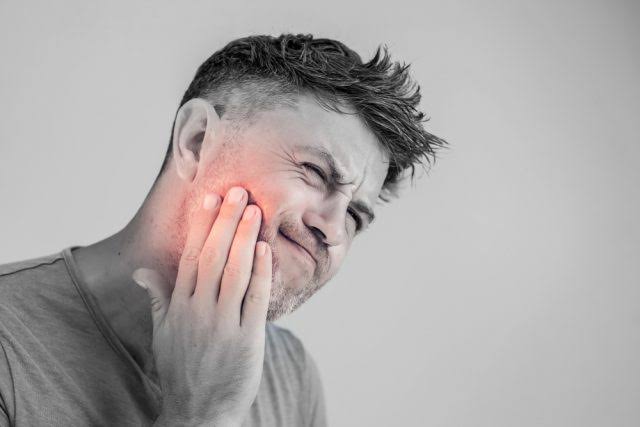
There’s something uniquely miserable about a toothache that flares up right as you’re trying to sleep. What felt manageable during the day suddenly becomes sharp and impossible to ignore.
This isn’t just bad timing. There are real physiological reasons why toothache at night tends to feel more intense, and understanding them can help you find genuine relief.
At Heritage Dental Studio, we hear about this pattern often. This guide covers why nighttime tooth pain happens, practical steps for relief, and how to know when it’s time to seek urgent care.
Why Toothaches Feel Worse at Night
Blood Flow Increases When You Lie Down
When you lie flat, blood flow to your head increases compared to when you’re upright. This added pressure can intensify inflammation inside an already irritated tooth.
Fewer Distractions
During the day, work, conversations, and general activity keep your mind occupied elsewhere. At night, with fewer distractions, pain that was present all along becomes much harder to ignore.
Jaw Clenching During Sleep
Many people unknowingly clench or grind their teeth while sleeping, a habit that can significantly worsen pain in an already sensitive tooth. Our guide on teeth grinding and bruxism explains this connection in more detail.
Cortisol Levels Naturally Drop
Cortisol, a hormone that has some natural anti-inflammatory effects, follows a daily rhythm and tends to be lower at night. This dip can make inflammation and associated pain feel more pronounced.
Understanding these factors helps explain why the same toothache can feel dramatically different from morning to midnight. Now let’s get into practical strategies for finding relief.
Immediate Relief Strategies You Can Try Tonight
Rinse With Warm Salt Water
Dissolve half a teaspoon of salt into a cup of warm water and rinse gently for about 30 seconds. This can help reduce inflammation and clear away debris that might be contributing to irritation.
Apply a Cold Compress
Holding a cold compress against your cheek, near the painful tooth, can help numb the area and reduce swelling. Use it in 15-minute intervals rather than continuously.
Elevate Your Head While Sleeping
Since increased blood flow while lying flat contributes to nighttime pain, propping yourself up with an extra pillow can genuinely help reduce discomfort.
Take an Appropriate Over-the-Counter Pain Reliever
Anti-inflammatory medications like ibuprofen can be particularly effective for tooth pain, since much of the discomfort stems from inflammation. Always follow the dosing instructions on the package.
Avoid Lying on the Affected Side
If possible, sleep on your back or on the opposite side from the painful tooth. Direct pressure against the area can intensify discomfort.
These strategies can provide meaningful relief while you wait for a proper evaluation, but they aren’t a substitute for addressing the underlying cause. Let’s look at some approaches that are best avoided, even though they’re commonly suggested.
What to Avoid When Managing Nighttime Tooth Pain
Don’t Apply Aspirin Directly to the Gum
This is a persistent home remedy myth. Placing aspirin directly against the gum tissue doesn’t relieve pain and can actually cause a chemical burn to the soft tissue.
Don’t Use Extremely Hot or Cold Foods and Drinks
If your tooth is sensitive to temperature, consuming very hot or cold items right before bed can trigger a fresh wave of pain just as you’re trying to fall asleep.
Don’t Ignore Pain That’s Progressively Worsening
Occasional mild discomfort might not require immediate action, but pain that’s clearly intensifying night after night is a sign the underlying issue is progressing, not resolving.
Don’t Rely Solely on Numbing Gels for Extended Periods
Over-the-counter numbing gels can provide brief relief, but repeated use without addressing the underlying cause can mask worsening symptoms and delay necessary treatment.
Avoiding these missteps helps ensure you’re managing your pain safely while you arrange proper care. Next, let’s talk about what typically causes toothaches that intensify at night.
Common Causes Behind Nighttime Tooth Pain
Tooth Decay Reaching the Nerve
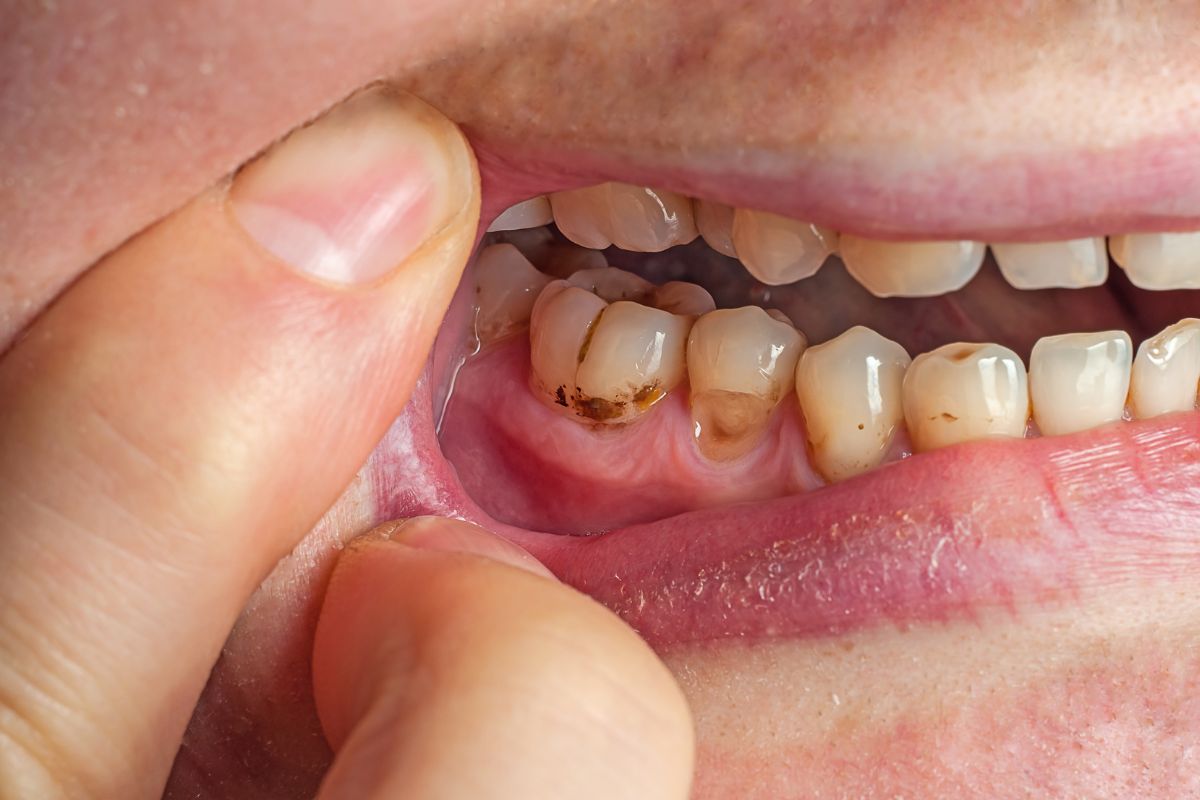
As a cavity progresses deeper into a tooth, it eventually reaches the nerve-containing pulp, producing more significant pain, especially when lying down. Our guide on signs you have a cavity can help you catch this earlier.
Gum Disease and Inflammation
Advanced gum inflammation can cause a dull, persistent ache that worsens at night due to increased blood flow. Our resource on signs of gum disease covers additional symptoms to watch for.
An Abscessed Tooth
An infection at the root of a tooth can cause intense, throbbing pain that’s often worse when lying flat. Our detailed guide on abscessed tooth symptoms explains how to recognize this specific pattern.
A Cracked Tooth
Cracks aren’t always visible, but they can allow bacteria to reach inner tooth structures, producing pain that’s inconsistent during the day but intensifies at night. Learn more in our guide on cracked tooth symptoms and treatment.
Teeth Grinding
If you clench or grind your teeth during sleep, this repetitive pressure can cause or worsen tooth pain, even in teeth without underlying decay or infection.
Identifying the likely cause helps guide both your immediate relief strategy and the urgency of seeking professional care. Next, let’s cover how to tell whether your nighttime toothache has crossed into emergency territory.
When Nighttime Tooth Pain Becomes an Emergency
Not every toothache requires an emergency visit, but certain signs indicate you shouldn’t wait until regular office hours. Our detailed guide on when tooth pain is a dental emergency covers this distinction thoroughly.
Facial swelling, fever, difficulty swallowing or breathing, and pain that’s unmanageable even with medication are all signs you should seek emergency dentistry care right away rather than waiting until morning.
If your symptoms feel severe or are rapidly worsening, don’t try to push through the night. Reaching out to an emergency line, even outside of regular hours, is always the safer choice.
Recognizing these red flags gives you confidence about when home management is appropriate versus when urgent care is necessary. Let’s look at how to plan your next steps once morning arrives.
What to Do the Next Morning
Book an Appointment as Soon as Possible
Even if your pain settles somewhat once you’re upright and distracted by the day, the underlying cause hasn’t resolved. Schedule a dental appointment promptly rather than waiting to see if the pain returns.
Track Your Symptoms
Note when the pain started, what makes it better or worse, and how it has changed over the past 24 hours. This information helps your dentist diagnose the issue more efficiently.
Continue Gentle Home Care Until Your Appointment
Keep using warm salt water rinses and appropriate pain relievers as needed while you wait to be seen. Avoid chewing directly on the affected tooth.
Avoid Self-Diagnosing or Delaying Based on Assumptions
It’s tempting to assume a toothache is minor because it comes and goes. Only a proper dental exam, often supported by digital x-rays, can accurately identify the cause.
Taking these steps promptly gives you the best chance at a straightforward, comfortable resolution. Next, let’s talk about prevention, since many nighttime toothaches share common risk factors.
Preventing Future Nighttime Toothaches
Keep Up With Regular Dental Checkups
Routine check-up and preventive dentistry visits catch small issues before they progress into painful nighttime episodes. Our guide on how often to get teeth cleaning explains a healthy visit schedule.
Address Teeth Grinding if Present
If nighttime clenching is a contributing factor, a custom night guard can protect your teeth and reduce related discomfort significantly.
Don’t Delay Treatment for Minor Symptoms
Addressing small issues, like early decay or minor sensitivity, before they progress helps prevent the kind of pain that disrupts your sleep down the line.
Maintain Consistent Oral Hygiene
Brushing and flossing consistently, using proper technique, reduces your overall risk of the decay and gum issues that commonly lead to nighttime pain. Our guide on how to brush and floss correctly covers the fundamentals.
These preventive habits significantly reduce your risk of experiencing another disruptive nighttime toothache. Let’s close with a summary of the key takeaways.
Final Thoughts on Managing Nighttime Tooth Pain
A toothache at night can feel disproportionately painful due to increased blood flow, fewer distractions, and natural hormonal rhythms. While home strategies like salt water rinses, cold compresses, and head elevation can provide temporary relief, they don’t address the underlying cause.
Pay close attention to warning signs that suggest a dental emergency, and don’t hesitate to seek urgent care if your symptoms escalate. Otherwise, book a dental appointment as soon as possible to get lasting relief rather than repeated sleepless nights.
Your sleep and comfort matter, and there’s no need to keep managing recurring pain on your own. Reach out for professional care and get back to resting easy.
FAQ
Why does my tooth only hurt at night and feel fine during the day?
This pattern often relates to increased blood flow and pressure when lying down, along with fewer distractions to mask the pain. The underlying cause still needs professional evaluation.
Can a toothache at night mean I have an infection?
It’s possible, especially if the pain is throbbing and accompanied by swelling. An infection typically requires prompt dental treatment rather than home management alone.
Is it safe to take ibuprofen every night for tooth pain?
Short-term use as directed is generally safe, but nightly reliance on pain medication signals an underlying issue that needs to be addressed by a dentist rather than managed indefinitely.
Should I go to the emergency room or a dentist for severe nighttime tooth pain?
For pain without swelling of the face or difficulty breathing, an emergency dental clinic is typically the more appropriate choice. Reserve the ER for symptoms involving breathing or swallowing difficulty.
Can stress make nighttime tooth pain worse?
Yes, stress often increases teeth clenching and grinding during sleep, which can intensify existing tooth pain. Managing stress and addressing grinding habits can help reduce this effect.
Tired of Losing Sleep to Tooth Pain?
Don’t let another night pass in discomfort. Contact Heritage Dental Studio to schedule prompt care and get lasting relief from your toothache.