Wondering what a root canal actually costs before you commit to treatment is completely reasonable. Nobody wants a surprise bill after already dealing with tooth pain. The good news is that Toronto pricing follows a fairly predictable structure once you understand the variables.
The cost of a root canal in Toronto depends mainly on which tooth needs treatment, how many canals it has, and whether a general dentist or a specialist performs the procedure. Add a crown, which most back teeth need afterward, and your total investment shifts again.
This guide breaks down what you can expect to pay in 2026, what influences that number, and how coverage through insurance or the Canadian Dental Care Plan can reduce your out-of-pocket cost.
Average Root Canal Cost in Toronto for 2026

Pricing by Tooth Type
Front teeth, which usually have a single canal, tend to sit at the lower end of the cost range. Ontario’s 2026 suggested fee guide places a molar root canal in the range of roughly $1,417 to $1,579, reflecting the added time and complexity of treating a tooth with multiple canals.
Why Molars Cost More Than Front Teeth
A molar can have up to four canals, each requiring individual cleaning, shaping, and sealing. More canals mean more chair time, more materials, and a higher level of technical precision, all of which factor into the final fee.
Toronto-Specific Cost Considerations
Downtown Toronto clinics often price slightly higher than suburban practices due to overhead costs tied to location. That said, the difference is typically modest compared to the cost of leaving an infected tooth untreated and needing more extensive work later.
Knowing the baseline numbers is useful, but the final bill depends on a handful of specific factors worth understanding before your appointment.
What Actually Drives the Final Price
Number of Canals and Case Complexity
A tooth with calcified canals, unusual anatomy, or a prior failed root canal typically takes longer to treat and costs more as a result. Your dentist will usually flag these complexities during your initial exam, before any surprise appears on your invoice.
General Dentist vs Endodontist
A general dentist can perform most routine root canals, while an endodontist specializes in more complex cases and typically charges 20 to 30 percent more. Your dentist will refer you to a specialist only when the case genuinely calls for that additional expertise.
The Crown That Usually Follows
Most molars and premolars need a crown after a root canal to prevent the treated tooth from fracturing under normal chewing forces. Our guide on crowns and bridges explains how this additional step factors into your total treatment cost.
Sedation Options for Anxious Patients
If dental anxiety makes treatment difficult, sedation options add to the overall cost but can make the appointment far more comfortable. Our page on sedation dentistry outlines what is available and how it is priced.
Once you understand what shapes the total, the next logical step is figuring out how much of that cost your insurance or government coverage might absorb.
How Insurance and CDCP Affect What You Pay
Private Dental Insurance
Most private plans classify root canal therapy as a basic or major service depending on the policy, with annual maximums that can be reached quickly once a crown is added. Confirming your plan’s waiting periods and annual cap before treatment helps you avoid an unexpected gap between what is billed and what is reimbursed.
Canadian Dental Care Plan Coverage
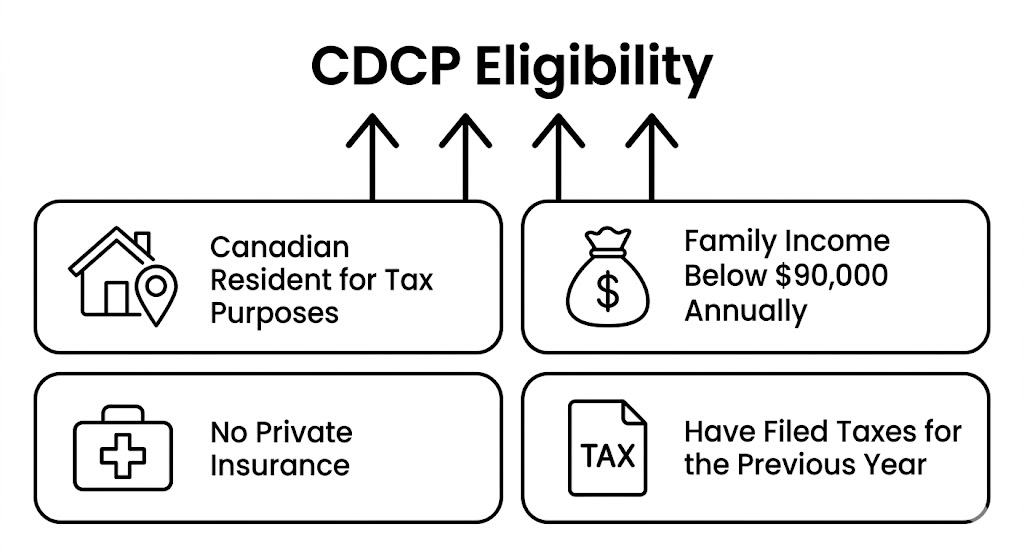
The Canadian Dental Care Plan covers root canal treatment for eligible Canadians without private insurance, with your co-payment level determined by household income. Households earning under $70,000 typically pay nothing toward CDCP-covered root canal fees, while higher income brackets pay a percentage based on the plan’s own fee schedule.
Why CDCP Reimbursement May Not Cover 100 Percent of the Bill
CDCP pays based on its own established fee rate, which can run lower than what an individual clinic charges, meaning some balance billing may still apply. Our team can walk you through what your specific CDCP tier covers before treatment begins, so there are no surprises at checkout.
With coverage questions answered, it helps to compare the cost of saving the tooth against the alternative of removing it entirely.
Root Canal Cost vs the Cost of Extraction and Replacement
Extraction Looks Cheaper at First Glance
A simple extraction costs less upfront than a root canal, sometimes only a few hundred dollars. But an empty space left by a missing back tooth usually needs replacing to avoid shifting teeth and bite problems, and that replacement often costs several thousand dollars more.
Weighing the Full Financial Picture
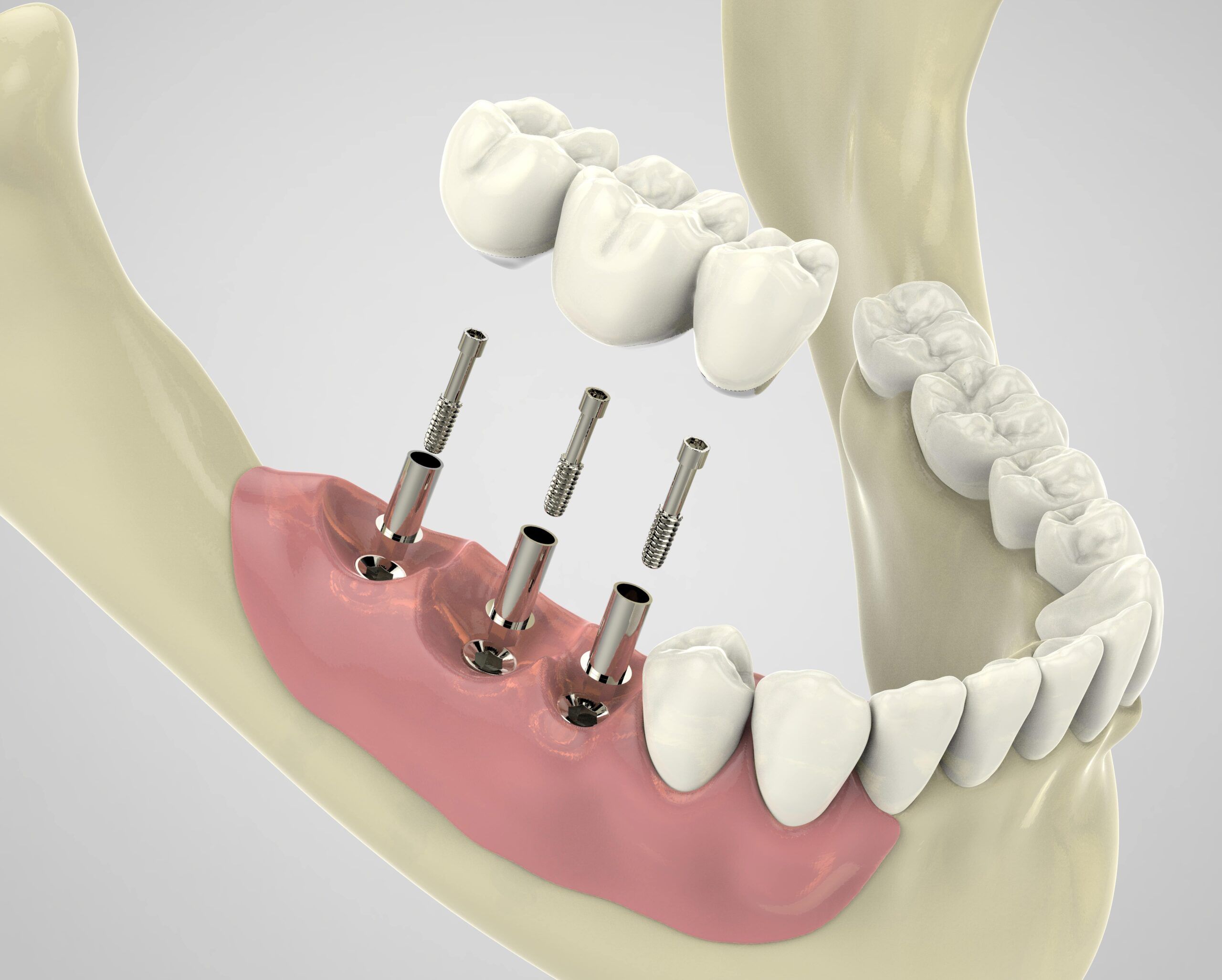
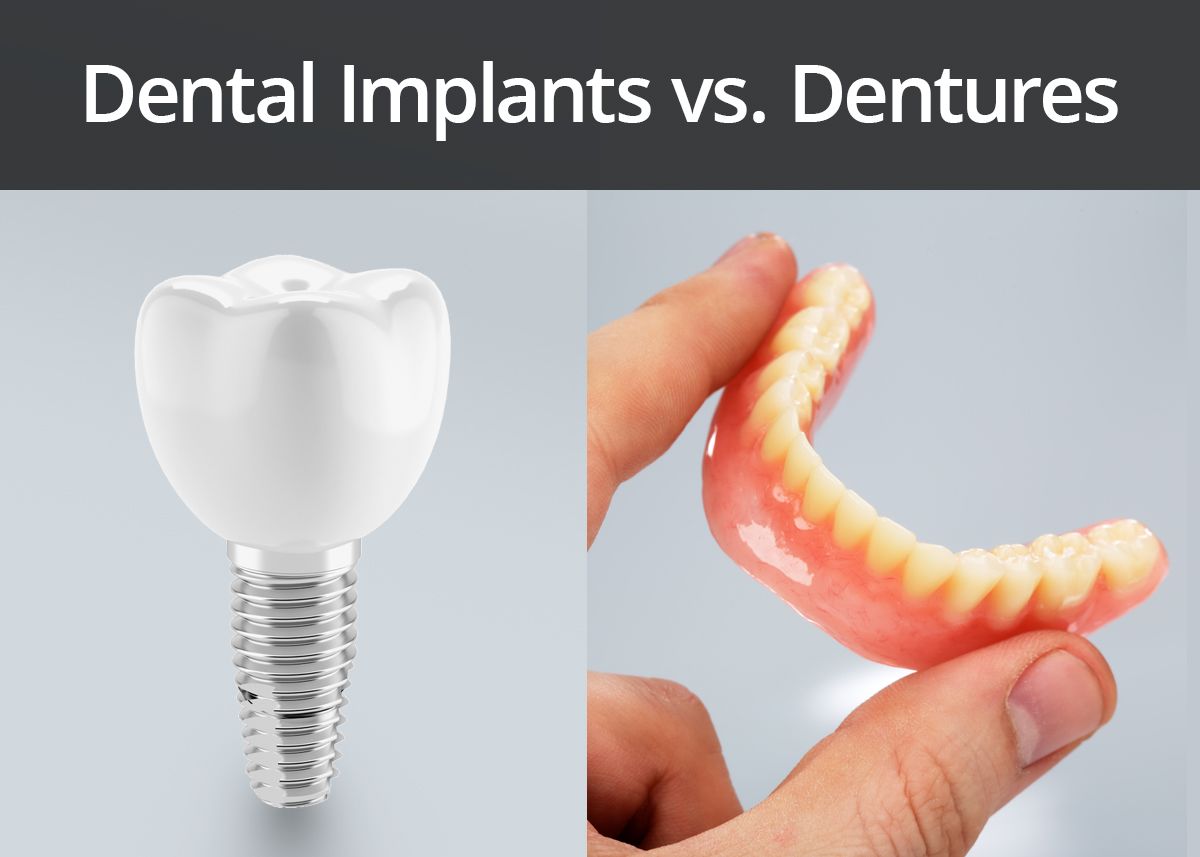
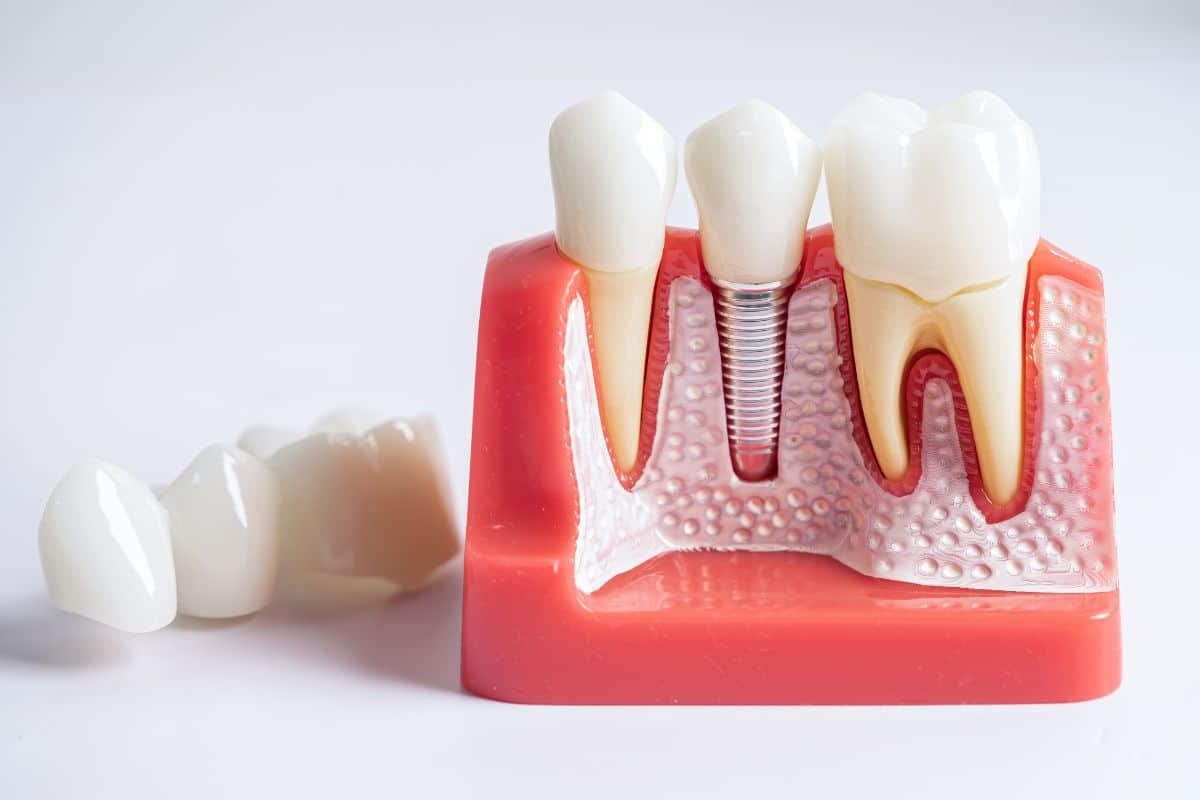
When you add the cost of an implant, bridge, or denture to the extraction fee, saving the natural tooth with a root canal frequently ends up being the more cost-effective choice over time. Our detailed comparison of root canal vs extraction walks through this trade-off in full.
When Extraction Is Still the Right Call
Some teeth are too damaged to save regardless of cost, and in those cases a root canal would only delay an inevitable extraction. Understanding extraction pricing in Toronto helps you compare both paths honestly before deciding.
With cost comparisons in hand, it is worth understanding exactly what happens during the procedure itself, since that shapes both the price and your comfort level.
What Happens During a Root Canal Procedure
The Initial Diagnosis
Your dentist takes digital X-rays to assess the extent of infection and confirm the tooth is a good candidate for treatment. Our page on digital X-ray technology explains how this imaging supports an accurate diagnosis.
The Treatment Itself
After numbing the area, the dentist removes infected pulp tissue, cleans the canal system, and seals it with a biocompatible material. Most straightforward cases are completed in a single appointment lasting roughly 60 to 90 minutes.
The Follow-Up Crown Appointment
A separate appointment is typically scheduled to fit and cement the permanent crown once the tooth has settled. Our step-by-step guide to the root canal procedure covers each stage in more detail.
Understanding the process makes the cost feel less abstract, and it naturally leads into the question of whether the procedure itself is painful.
Is a Root Canal Painful, and Does That Affect Cost?
Addressing the Common Fear
Modern anesthesia makes the procedure itself comfortable for the vast majority of patients, despite the reputation root canals have earned over the years. Our article on whether a root canal is painful addresses this concern directly with what patients typically experience.
Why Delaying Treatment Often Costs More
Waiting on a painful tooth rarely makes the problem smaller, and untreated infection can spread, sometimes turning into a dental emergency that requires more urgent and costly intervention. Addressing symptoms early, as outlined in our guide on signs you need a root canal, often keeps your treatment simpler and more affordable.
Managing Anxiety Around the Cost Conversation
Many patients delay booking an appointment simply because they are afraid of what the bill might be. Asking for a written estimate upfront, before any work begins, removes most of that uncertainty and lets you make an informed decision.
Now that you understand both the clinical and financial sides of a root canal, it becomes much easier to plan your next step with confidence.
Getting an Accurate Estimate for Your Specific Case
Every root canal is priced based on the individual tooth, its complexity, and your coverage situation, so online averages can only take you so far. The most reliable way to know your real cost is a clinical exam paired with a written treatment estimate.
Bring your insurance details or CDCP information to your appointment so your dentist can give you an accurate, itemized breakdown before treatment starts. That way, you walk into the procedure knowing exactly what to expect, both clinically and financially.
If tooth pain has you searching for root canal cost in Toronto right now, book an exam so you can get real numbers instead of estimates.
Frequently Asked Questions
Why do root canal prices vary so much between clinics?
Pricing differences usually reflect location overhead, whether a specialist performs the procedure, and case complexity. Getting a written estimate from your own dentist gives you the most accurate figure for your specific tooth.
Does a root canal always require a crown afterward?
Most molars and premolars need a crown to protect the treated tooth from fracturing, though some front teeth with minimal structural loss may not require one. Your dentist will confirm this during your exam.
Will my dental insurance cover the full cost?
Coverage varies by plan and often depends on annual maximums and whether root canal therapy is classified as basic or major. Reviewing your policy details before treatment helps you understand your expected out-of-pocket portion.
Is it cheaper to just extract the tooth instead?
The extraction itself costs less, but replacing the missing tooth with an implant or bridge often costs more than the root canal and crown combined. Comparing both totals gives you a more accurate financial picture.
How can I lower my root canal cost in Toronto?
Confirming CDCP or insurance eligibility before treatment, addressing symptoms early before the infection worsens, and asking for a detailed written estimate are the most effective ways to manage your total cost.
Ready for a Clear, Written Estimate?
Skip the guesswork on pricing. Book an exam with our team and receive a transparent, itemized cost breakdown for your specific tooth before any treatment begins.