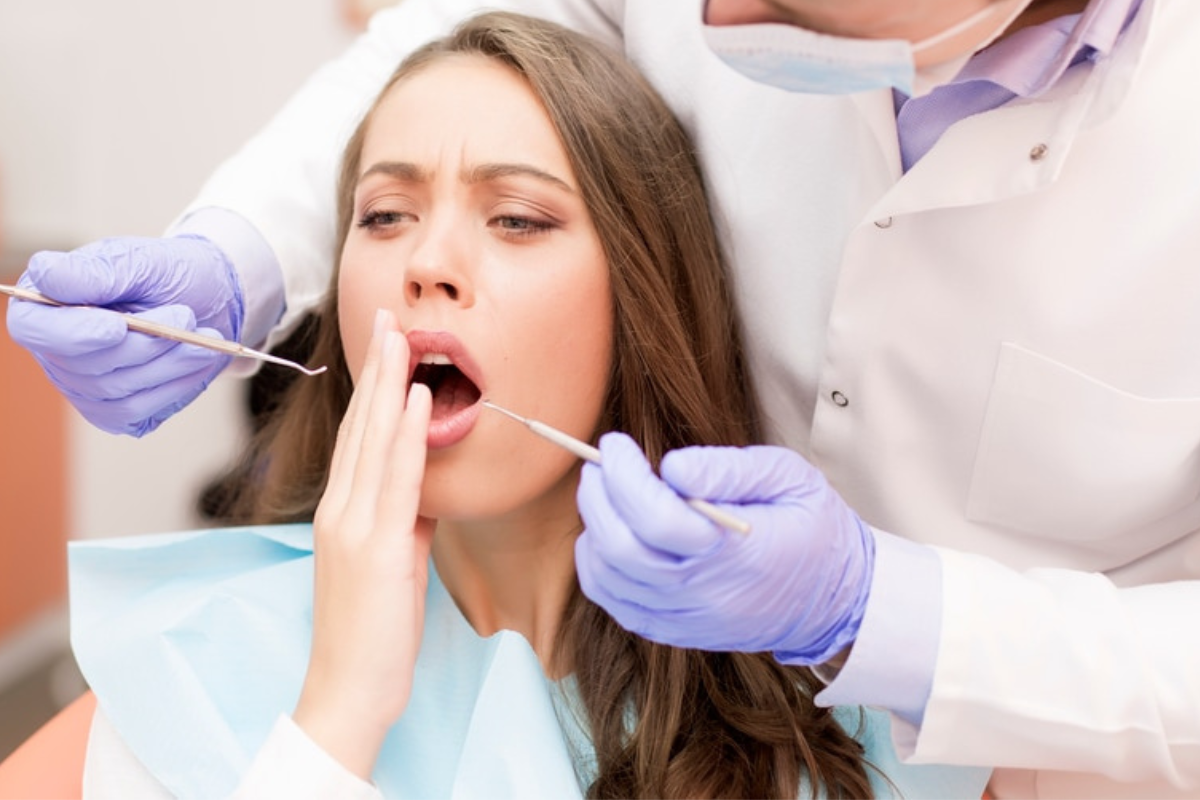
Realizing you are dealing with a dental emergency can feel overwhelming, especially when the pain hits suddenly or an injury happens without warning. Knowing exactly what to do in the first few minutes can make a real difference in how the situation resolves.
A dental emergency covers a wide range of situations, from a knocked-out tooth to sudden, severe pain that will not let up. What you do before you reach the clinic often affects how much can be saved and how smoothly your treatment goes.
This guide walks you through the practical first steps for the most common dental emergencies, so you know exactly what to do while you get to professional care.
What Counts as a Dental Emergency
Situations That Need Immediate Attention
A knocked-out tooth, uncontrolled bleeding, a severe facial swelling, or a broken tooth with exposed nerve tissue all qualify as urgent situations. Our guide on when tooth pain becomes an emergency helps you distinguish these from less urgent discomfort.
Situations That Can Usually Wait for a Regular Appointment
A minor chip with no pain, a lost filling with no sensitivity, or mild gum irritation typically do not require after-hours emergency care. Our resource on a lost filling or crown explains how to manage these situations until your next scheduled visit.
Why Acting Quickly Still Matters Either Way
Even non-urgent issues benefit from prompt attention, since small problems tend to grow into bigger ones the longer they go unaddressed. Our emergency dentistry team can help you sort out which category your situation falls into with a quick phone assessment.
Once you know what qualifies as urgent, the next step is understanding exactly how to respond to the most common emergencies.
Immediate Steps for Severe Tooth Pain
Rinse and Assess
Rinse your mouth gently with warm water to clear away any debris and get a clearer look at the affected tooth. Check for visible swelling, a broken tooth, or a small bump on the gum, since these details help your dentist prepare for your visit.
Manage the Pain Safely
Over-the-counter pain relief, taken as directed on the packaging, can help you manage discomfort until you are seen. Avoid placing aspirin directly against the gum or tooth, since this can burn the soft tissue rather than relieve the pain.
Use Cold Compresses for Swelling
Applying a cold compress to the outside of your cheek in short intervals can reduce swelling and provide some relief. This step is especially helpful if the pain came on suddenly and swelling has already started to appear.
Recognizing When Pain Signals an Infection
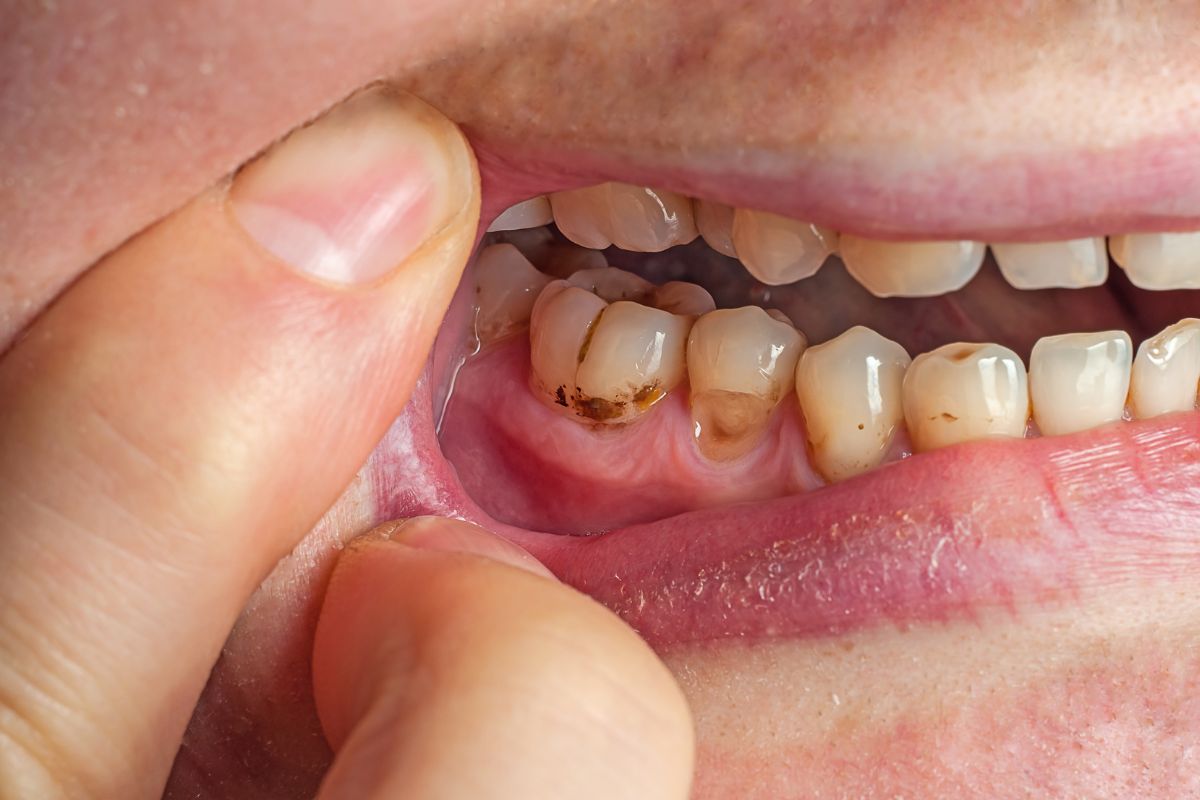
Throbbing pain, a bad taste, or a visible pimple-like bump on the gum often points toward an abscessed tooth that needs prompt treatment. Our guide on the signs you have a cavity can also help you understand what triggered the pain in the first place.
Pain is one type of emergency, but physical trauma to a tooth requires a different, faster response.
Immediate Steps for a Knocked-Out or Broken Tooth
If a Tooth Has Been Completely Knocked Out
Time matters enormously here, and our full guide on knocked-out tooth emergency steps covers exactly how to handle the tooth and maximize the chance of saving it. Acting within the first 30 to 60 minutes gives you the best possible outcome.
If a Tooth Is Broken or Cracked
Save any broken pieces if you can find them, and rinse your mouth gently with warm water to clean the area. Our resource on cracked tooth symptoms and treatment explains the different severity levels and what each one typically requires.
Protecting the Area Until You Arrive
Avoid chewing on the affected side, and cover any sharp edges with sugar-free gum or dental wax if you have it available. This simple step can prevent further irritation to your tongue or the inside of your cheek during the trip to the clinic.
Trauma to a tooth often overlaps with trauma to the surrounding soft tissue, which brings its own set of first-response steps.
Managing Bleeding and Soft Tissue Injuries
Applying the Right Pressure
Fold a clean piece of gauze or cloth and bite down firmly on the area for 10 to 15 minutes without repeatedly checking it. Consistent, steady pressure controls bleeding far more effectively than frequent interruptions to see if it has stopped.
When Bleeding Does Not Slow Down
If bleeding continues heavily after 20 to 30 minutes of firm pressure, this is a sign you need urgent professional attention rather than continued home care. Avoid rinsing vigorously or using a straw during this time, since both actions can disrupt healing.
Handling Cuts to the Lip, Tongue, or Cheek
Rinse the area gently with water and apply a cold compress to reduce swelling, checking to see if the bleeding is manageable with pressure alone. Our guide on mouth ulcers and when to see a dentist can help you tell the difference between a minor injury and something that needs closer evaluation.
Once bleeding and pain are under some control, the next priority is knowing how to actually get help quickly and efficiently.
Getting to Professional Care Quickly
Call Ahead Before You Arrive
Calling your dental clinic on the way lets the team prepare for your arrival and gives you guidance specific to your situation. Describe the injury clearly, including when it happened and what symptoms you are experiencing, so the team can prioritize your case appropriately.
Deciding Between the Dentist and the Emergency Room
Most dental trauma is best handled by a dentist rather than a hospital emergency room, unless there are signs of a broader medical emergency like difficulty breathing or swallowing. Swelling that is spreading toward the neck or throat is a signal to seek emergency medical care immediately rather than waiting for a dental appointment.
What to Bring With You
Bring any broken tooth fragments, a list of current medications, and details about how the injury occurred. This information speeds up diagnosis and helps your dentist determine the most appropriate treatment right away.
Knowing how to get help is only half the equation. It also helps to understand what to expect once you actually arrive.
What Happens Once You Reach the Clinic
Initial Assessment and Imaging
Your dentist will examine the affected area and typically take digital X-rays to assess the full extent of the damage. This step is essential even when the visible injury looks minor, since underlying damage is not always obvious without imaging.
Treatment Options Based on Severity
Depending on what the exam reveals, treatment might range from a simple filling to a root canal, extraction, or splinting a loosened tooth back into place. Our emergency dentistry page outlines the range of urgent treatments available.
Follow-Up Care and Monitoring
Some dental injuries need monitoring over the following weeks to confirm the tooth is healing properly and has not developed complications. Your dentist will let you know what symptoms to watch for and when to schedule a follow-up visit.
With the full emergency response process in mind, it helps to think ahead about how to prevent these situations before they happen.
Preventing Dental Emergencies Before They Start
Everyday Habits That Reduce Your Risk
Wearing a properly fitted mouthguard during sports, avoiding chewing on ice or hard candy, and keeping up with routine dental cleanings all reduce your risk of sudden dental trauma. Our guide on sports mouthguards covers the options available for active adults and kids.
Catching Problems Before They Become Emergencies
Routine check-ups catch small cracks, early decay, and weakened fillings before they turn into after-hours emergencies. Staying current with preventive visits is one of the simplest ways to avoid a late-night trip to an emergency dentist.
Keeping an Emergency Plan Ready
Save your dentist’s emergency contact number in your phone, and keep a small dental first-aid kit at home with gauze, a cold pack, and pain relief. Having this ready in advance means you will not be scrambling to figure out what to do in the moment.
Being prepared changes how a dental emergency unfolds, both for your tooth and your peace of mind.
Staying Calm Is Part of the Plan
Dental emergencies are stressful, but the steps you take in the first few minutes genuinely matter. Rinse gently, manage pain and bleeding with the right technique, and get to professional care as quickly as possible.
The specific first-response steps differ slightly depending on whether you are dealing with pain, trauma, or bleeding, but the underlying principle stays the same: act promptly, stay calm, and let a professional take it from there.
If you are dealing with a dental emergency right now, call our team immediately so we can guide you through the next steps and get you seen as quickly as possible.
Frequently Asked Questions
Should I go to the emergency room or a dentist for a dental emergency?
Most dental injuries, including knocked-out or broken teeth, are best treated by a dentist. Go to the emergency room only if there are signs of a broader medical issue, such as difficulty breathing, swallowing, or uncontrolled facial swelling.
Can I take ibuprofen for severe tooth pain?
Over-the-counter pain relief taken as directed can help manage discomfort temporarily. It does not resolve the underlying cause, so seeing a dentist promptly is still necessary to address the actual problem.
What should I do if I cannot reach my regular dentist?
Look for a clinic offering same-day emergency appointments. Describing your symptoms clearly over the phone helps the team determine how urgently you need to be seen.
How do I know if swelling is dangerous?
Swelling that spreads toward your neck, jaw, or throat, especially if it affects breathing or swallowing, is a sign to seek emergency medical care immediately rather than waiting for a dental appointment.
Is a chipped tooth always an emergency?
Not always. A small chip with no pain can usually wait for a regular appointment, while a chip that exposes the nerve or causes significant pain needs prompt attention.
Need Urgent Dental Care Right Now?
Do not wait through the pain. Call our emergency dentistry team and we will guide you through immediate first steps while getting you in for care as quickly as possible.