Understanding what the Canadian Dental Care Plan actually pays for can feel confusing when you are trying to plan an appointment. You want a clear answer before you book, not a vague sense of what might be included.
The CDCP covers a genuinely broad range of services, from preventive cleanings and exams to fillings, extractions, and dentures, though coverage details and co-payments shift depending on your household income. Some treatments, like most orthodontics and cosmetic work, fall outside the plan entirely.
This guide breaks down exactly what is covered, what is not, and how your income tier affects what you actually pay at the dentist.
The Basics of How CDCP Coverage Works
Who the Plan Is Designed For
The CDCP is a federal program for Canadian residents who do not have access to private dental insurance and whose adjusted family net income falls under $90,000. As of 2026, more than 6.3 million Canadians are enrolled, and the program is open to all eligible age groups.
How the Plan Pays Dentists
The plan is administered by Sun Life on behalf of Health Canada, and participating dentists bill Sun Life directly for CDCP-covered services. This means you generally do not need to submit paperwork or pay upfront and wait for reimbursement, provided your dentist participates directly.
Why Coverage Percentage Depends on Income
CDCP uses a tiered co-payment structure based on adjusted family net income, meaning the plan covers a different percentage of the fee schedule depending on how much your household earns. Households under $70,000 typically see the plan cover 100 percent of eligible costs, while higher income brackets pay a percentage toward the bill.
Once you understand the basic structure, it becomes much easier to see how coverage plays out across specific types of treatment.
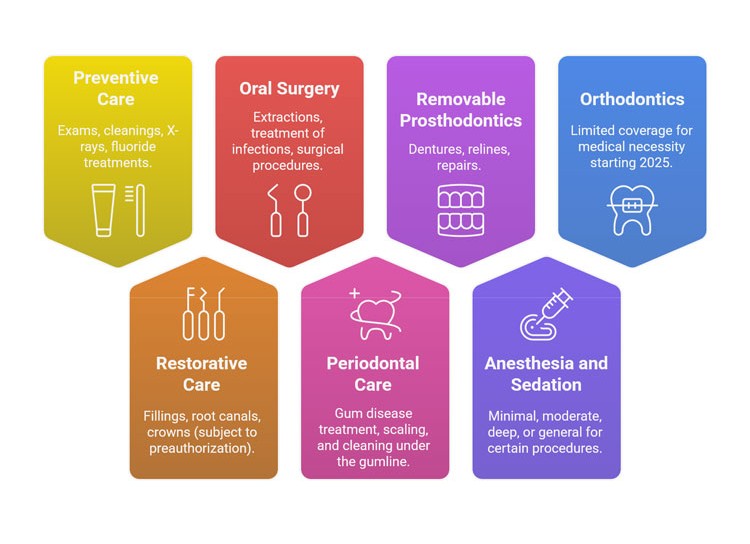
Preventive Care Covered Under CDCP
Exams and Diagnostic Services
Routine exams, including new patient and recall exams, are covered under the plan and form the foundation of ongoing preventive care. Our page on check-ups and preventive dentistry outlines what a typical exam includes.
Cleanings and Scaling
Standard dental cleanings are covered, along with scaling for patients who need more thorough plaque and tartar removal. Our resource on how often you need teeth cleaning explains the recommended frequency most dentists follow.
X-Rays and Fluoride Treatments
Digital X-rays used to diagnose decay or other issues are included under the plan, as are fluoride treatments in many cases. Our guide on fluoride treatment and sealants covers who typically benefits most from this preventive step.
Preventive coverage is the foundation, but many patients want to know what happens once actual dental problems need fixing.
Restorative Treatment Covered Under CDCP
Fillings for Cavities
Both composite (tooth-colored) and amalgam fillings are covered depending on the tooth location and treatment needs. Our comparison of composite vs amalgam fillings explains the differences if you are deciding between the two.
Root Canal Treatment
Root canal therapy is covered for eligible CDCP members, helping offset one of the more expensive procedures in general dentistry. Our guide on root canal cost in Toronto shows how CDCP coverage interacts with typical fees for this treatment.
Crowns With Pre-Authorization
Crowns are covered under CDCP, but generally require your dentist to submit a treatment plan and receive pre-authorization before proceeding. Our page on crowns and bridges explains when a crown is typically recommended.
Extractions
Both simple and surgical extractions fall under CDCP coverage, which matters given how often extractions accompany other necessary treatment. Our guide on tooth extraction cost in Toronto breaks down what to expect financially.
With restorative care covered, the next question for many patients is what happens when more extensive tooth replacement is needed.
Dentures and Tooth Replacement Under CDCP
Complete and Partial Dentures
Standard complete dentures are covered without pre-authorization, generally limited to one set per arch within a set benefit period. Cast partial dentures are also covered but typically require pre-authorization before the plan approves the claim.
What Is Not Included in Denture Coverage
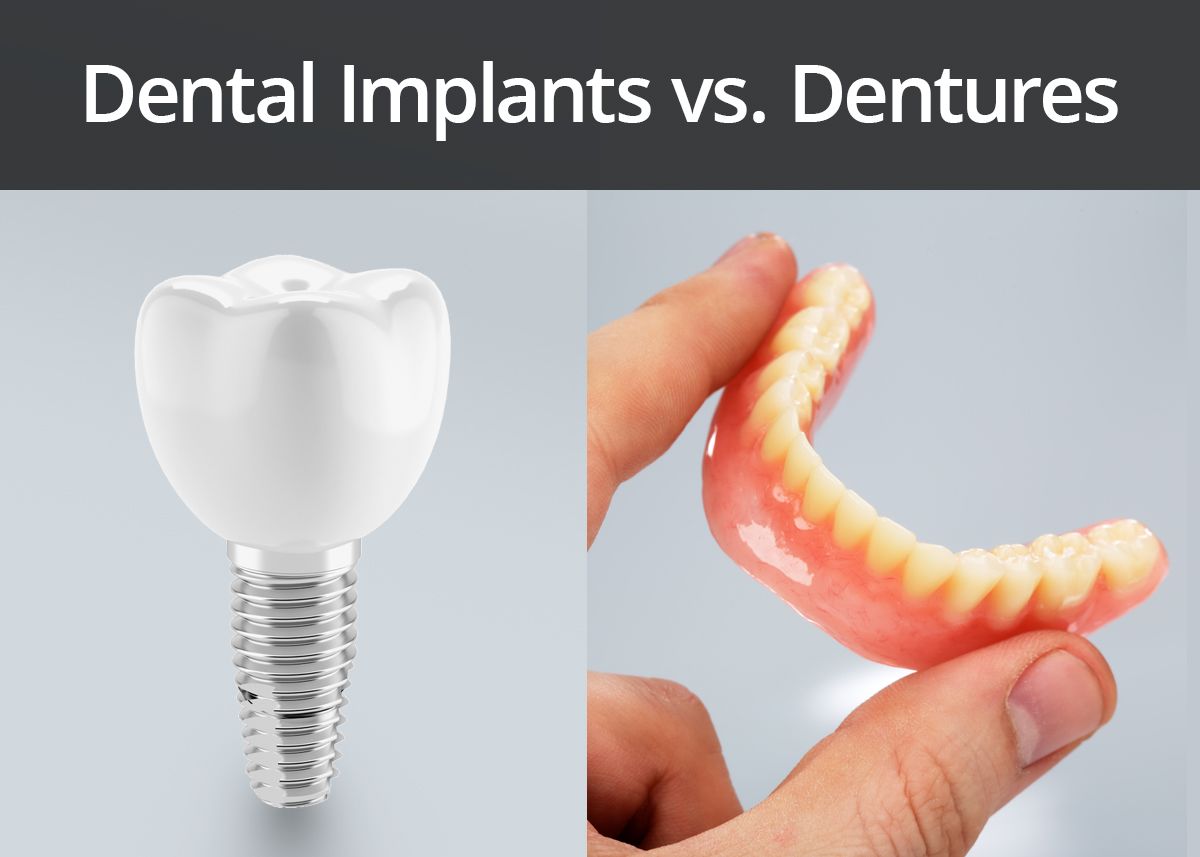
Implant-supported dentures are excluded from CDCP coverage at every income tier, which is an important distinction to understand before choosing a replacement option. Our guide on how much dentures cost in Toronto explains where CDCP coverage fits into the overall pricing picture.
Dental Implants Are Not Covered
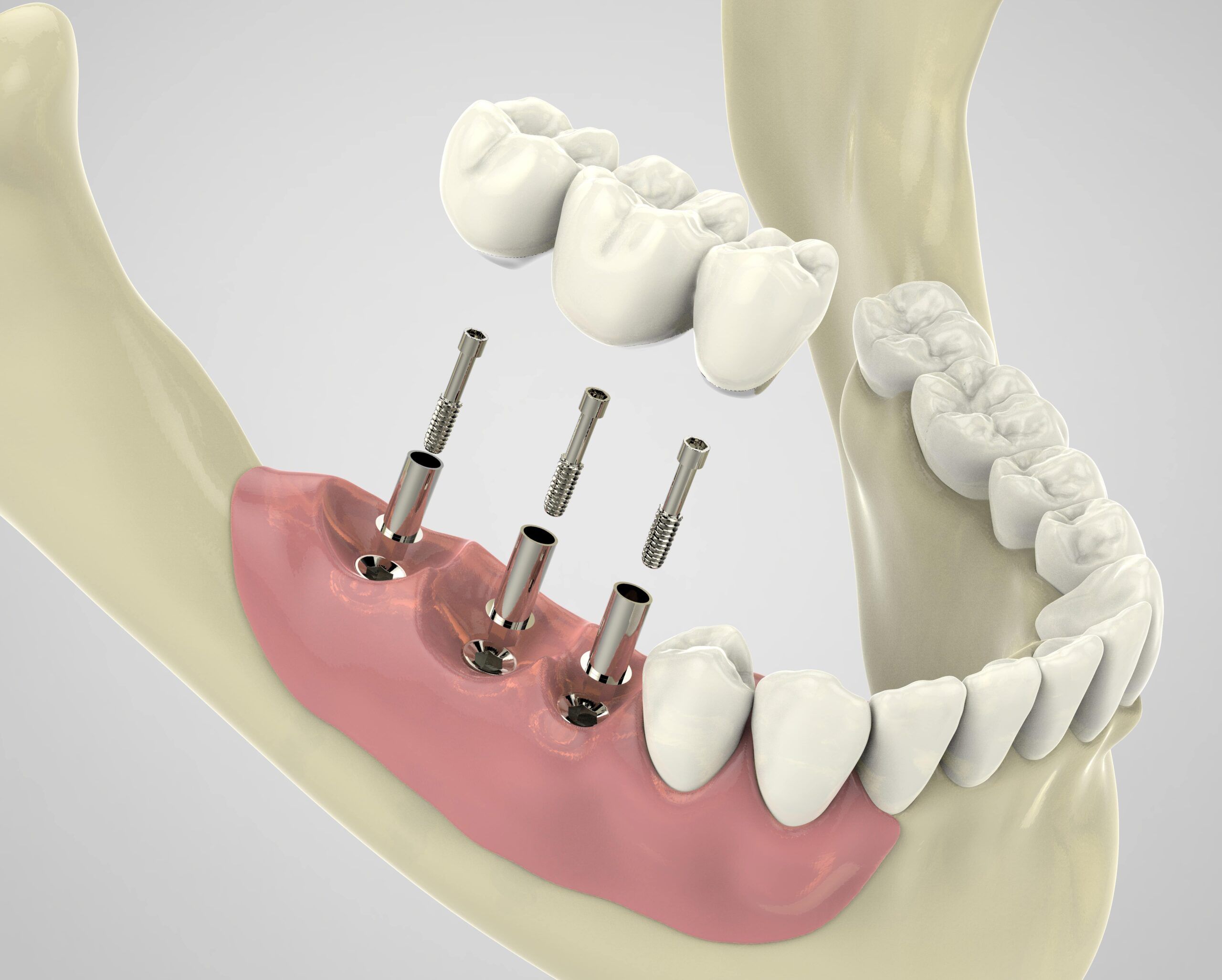
Dental implants themselves are entirely excluded from CDCP at this time, regardless of household income. If implants are part of your treatment plan, our page on dental implants can help you understand the full cost outside of CDCP coverage.
Understanding what falls outside the plan is just as important as knowing what is covered, so it is worth reviewing the full list of exclusions.
What the CDCP Does Not Cover
Cosmetic Procedures
Treatments considered purely cosmetic, such as teeth whitening or most porcelain veneers, are not covered under the plan. These procedures fall outside the CDCP’s mandate, which focuses on preventing and treating oral disease rather than aesthetic enhancement.
Most Orthodontic Treatment
Orthodontic coverage under CDCP is limited to rare, medically severe cases involving significant functional malocclusion, and general alignment or cosmetic orthodontics is not included. Anyone seeking orthodontic treatment for general alignment purposes should expect to cover that cost outside the plan.
Dental Implants and Implant-Supported Prosthetics
As noted above, implants and implant-retained dentures remain excluded from coverage at every income level as of the current plan year. This is one of the most common points of confusion for patients researching their options.
Knowing these boundaries helps you plan realistically, which brings us to how your income level actually determines your specific co-payment.
How Your Income Tier Affects What You Pay
Under $70,000 Household Income
At this tier, the CDCP typically covers 100 percent of eligible costs based on the plan’s own fee schedule. This means most preventive and restorative care involves no out-of-pocket cost for eligible members at this income level.
$70,000 to $79,999 Household Income
Households in this range typically see the plan cover 60 percent of eligible costs, with the patient responsible for the remaining 40 percent as a co-payment. This tier still represents meaningful savings compared to paying the full fee without any coverage.
$80,000 to $89,999 Household Income
At this higher tier, coverage typically drops to 40 percent, with a larger co-payment responsibility falling to the patient. Our page on CDCP coverage can help clarify exactly where your household falls and what that means for a specific treatment plan.
Understanding your specific tier helps you estimate costs accurately, which naturally leads into how the plan’s fee schedule compares to standard clinic pricing.
Why the CDCP Fee Schedule May Differ From Your Clinic’s Rates
CDCP Uses Its Own Fee Grid
The plan reimburses dentists based on an established federal fee schedule, which can run lower than the Ontario Dental Association’s suggested fee guide that many clinics use as a pricing benchmark. This gap is why some patients still owe a balance even at the 100 percent coverage tier, depending on their dentist’s specific rates.
Asking About Balance Billing Before Treatment
Confirming with your clinic whether they bill strictly to the CDCP rate or charge above it helps you avoid any unexpected costs. Many practices, including ours, walk patients through this clearly before any treatment begins.
With a full understanding of coverage, exclusions, and how income affects your out-of-pocket cost, applying for the plan is the natural next step.
Applying for and Using Your CDCP Coverage
Getting Started With an Application
If you have not yet applied, our companion guide on how to apply for the CDCP walks through the entire process step by step. Both you and your spouse, if applicable, need to have filed tax returns for your household to be assessed accurately.
Finding a Participating Dentist
Not every dental practice participates directly with CDCP billing, so confirming this before booking your appointment saves time and avoids confusion. Our guide on finding a CDCP dentist in downtown Toronto can help you get started locally.
Knowing what the plan covers is the foundation for making confident decisions about your dental care going forward.
Making the Most of Your CDCP Benefits
The Canadian Dental Care Plan covers a genuinely wide range of essential dental services, from preventive cleanings to fillings, root canals, extractions, and standard dentures. Understanding your income tier and what falls outside the plan helps you plan treatment without financial surprises.
Booking a consultation with a participating clinic is the clearest way to understand exactly what your CDCP coverage means for your specific dental needs. A quick conversation before treatment begins can save you both time and money.
If you want to know exactly what the CDCP will cover for your situation, book an appointment and we will walk you through your coverage before any treatment starts.
Frequently Asked Questions
Does the CDCP cover teeth whitening?
No. Teeth whitening is considered a cosmetic procedure and falls outside the CDCP’s coverage, which focuses on preventing and treating oral disease rather than aesthetic improvements.
Are dental implants covered under the CDCP?
No, dental implants and implant-supported dentures are excluded from coverage at every income tier under the current plan. Standard complete and partial dentures remain covered options for tooth replacement.
Why do I still owe money even though my income qualifies for 100 percent coverage?
This usually happens because your dentist’s fees run higher than the CDCP’s own established fee schedule. Confirming billing practices with your clinic before treatment helps you understand any potential balance.
Does the plan cover crowns automatically?
Crowns require pre-authorization, meaning your dentist must submit a treatment plan justifying the crown before CDCP will approve coverage. This process typically happens before your appointment is finalized.
Can I use CDCP if I already have some private dental coverage?
No. CDCP is intended as a payer of last resort, meaning you generally must not have access to private dental insurance through an employer, spouse, or individual plan to remain eligible.
Ready to Use Your CDCP Coverage?
Book an appointment with our team and we will confirm your coverage tier, explain any expected costs, and get your treatment scheduled with full transparency from the start.