Waking up with throbbing tooth pain and a strange taste in your mouth is unsettling, and it might mean you are dealing with an abscessed tooth. This is not something that resolves on its own, and recognizing the signs early makes a real difference.
An abscessed tooth is a pocket of infection that forms at the root of a tooth or in the surrounding gum tissue, usually from untreated decay, a cracked tooth, or gum disease. Left alone, the infection can spread beyond the tooth itself.
This guide covers the symptoms to watch for, why prompt treatment matters so much, and what emergency care for an abscess typically involves.
What an Abscessed Tooth Actually Is
How the Infection Forms
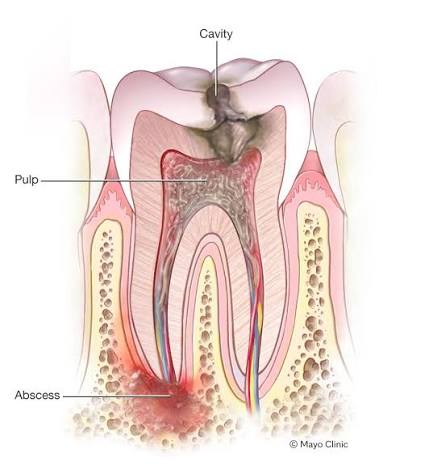
Bacteria enter the inner pulp of a tooth through decay, a crack, or a previous dental procedure, and the body’s immune response creates a pocket of pus at the site. This pocket, called an abscess, builds pressure inside and around the tooth, which is what causes much of the pain.
The Two Main Types of Dental Abscess
A periapical abscess forms at the tip of the tooth’s root, usually from untreated decay reaching the inner pulp. A periodontal abscess forms in the gum tissue alongside the tooth, often connected to advanced gum disease rather than decay inside the tooth itself.
Why This Is Considered a Dental Emergency
An abscess represents an active bacterial infection that can spread to nearby tissue, the jaw, or in rare cases, more broadly through the body. Our guide on whether a dental abscess is an emergency explains why prompt treatment is always the right call.
Understanding what an abscess is sets the stage for recognizing the specific symptoms that signal one is forming.
Warning Signs of an Abscessed Tooth
Persistent, Throbbing Pain
Pain from an abscess tends to be constant and throbbing rather than occasional, and it often worsens when lying down or chewing on the affected side. This pattern is different from the sharp, temporary sensitivity you might feel from a cavity or exposed tooth root.
A Bad Taste or Foul Odor
A sudden bad taste in your mouth, sometimes described as salty or metallic, can occur if the abscess drains on its own. Persistent bad breath despite good oral hygiene is another symptom that often accompanies an active infection.
Swelling in the Face, Cheek, or Jaw
Visible swelling near the affected tooth, sometimes extending to the cheek or jaw, is a common sign the infection is spreading beyond the tooth itself. Our guide on when tooth pain becomes an emergency explains how swelling factors into that urgency assessment.
A Small Bump on the Gum
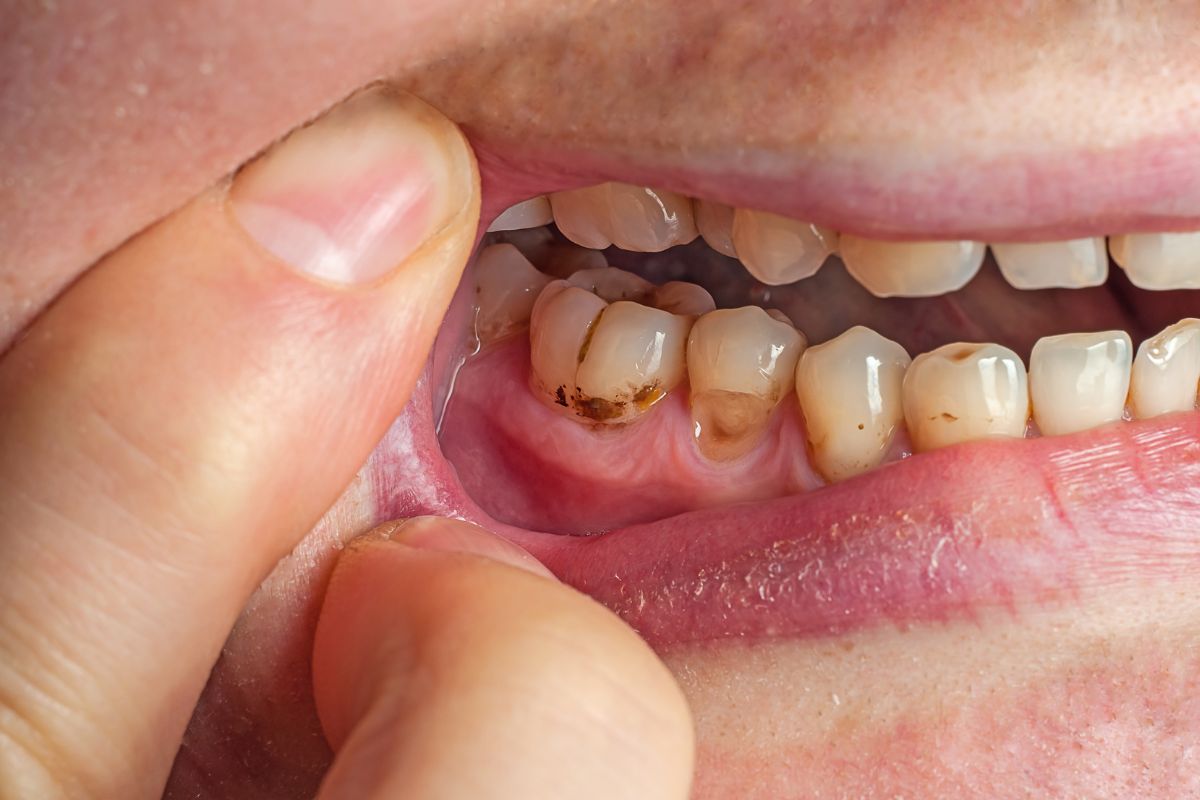
A pimple-like bump near the base of the affected tooth, sometimes draining fluid, is a classic sign of an abscess trying to release pressure. This bump should never be ignored, even if the pain temporarily decreases after it drains.
Fever and General Illness
In more advanced cases, an abscess can cause fever, fatigue, and a general feeling of being unwell as the body responds to the infection. These systemic symptoms indicate the infection has progressed beyond the localized area and needs urgent attention.
Recognizing these symptoms early is important, but understanding what causes an abscess in the first place helps you catch problems before they escalate.
What Causes a Tooth Abscess
Untreated Tooth Decay
Cavities that are left untreated eventually reach the inner pulp of the tooth, allowing bacteria direct access to the nerve and surrounding tissue. Our guide on the signs you have a cavity can help you catch decay before it progresses this far.
Cracked or Chipped Teeth
A crack that extends deep enough can expose the inner pulp to bacteria, even if the crack itself is not initially painful. Our resource on cracked tooth symptoms and treatment explains how these injuries can develop into infections over time.
Advanced Gum Disease
Periodontal abscesses often form when gum disease has progressed to the point where deep pockets around the tooth trap bacteria. Our guide on the signs of gum disease you shouldn’t ignore covers the earlier warning signs worth watching for.
Previous Dental Work That Has Failed
A previous filling, crown, or root canal that has developed a leak can allow bacteria back into the tooth, sometimes years after the original treatment. Our article on signs a dental implant may be failing covers a related situation worth understanding if you have restorative work in your mouth.
Knowing the common causes naturally leads to the more urgent question: what happens if an abscess goes untreated.
What Happens If an Abscess Goes Untreated
The Infection Can Spread
Bacteria from an untreated abscess can spread to the jawbone, surrounding soft tissue, and in rare but serious cases, into the bloodstream. This is why dental professionals treat abscess symptoms with genuine urgency rather than a wait-and-see approach.
You Could Lose the Tooth
Without treatment, the infection typically continues to damage the tooth and surrounding bone, often reaching a point where extraction becomes the only remaining option. Addressing an abscess early gives you a much better chance of saving the natural tooth through a root canal.
Serious Systemic Complications Are Possible
In rare cases, a severe untreated abscess can lead to a more widespread infection requiring hospitalization. This is why swelling that extends toward the neck or affects breathing or swallowing warrants immediate emergency medical attention, not just a dental appointment.
Given how serious the risks are, it makes sense to look closely at what emergency treatment for an abscess actually involves.
Emergency Treatment for an Abscessed Tooth
Draining the Abscess
Your dentist will typically drain the abscess to relieve pressure and remove the source of infection, often as the first step in treatment. This provides immediate relief from the intense pressure and pain associated with the infection.
Root Canal Treatment
If the tooth itself can be saved, root canal therapy is usually the next step, removing the infected pulp tissue and sealing the tooth to prevent reinfection. Our guide on the root canal procedure explains what this treatment typically involves.
Extraction When the Tooth Cannot Be Saved
In cases where the tooth is too damaged to restore, extraction may be necessary alongside treatment for the infection itself. Our comparison of root canal vs extraction can help you understand how that decision gets made.
Antibiotics When Appropriate
Antibiotics may be prescribed in certain cases, particularly if the infection has started to spread beyond the immediate area, though they typically work alongside dental treatment rather than replacing it. Draining the abscess and treating the underlying tooth remains the definitive solution, since antibiotics alone do not resolve the source of infection.
Understanding emergency treatment naturally raises the question of how you can manage symptoms before you actually reach the clinic.
Managing Symptoms Before You Reach the Dentist
Rinsing With Warm Salt Water
A gentle warm salt water rinse can provide some temporary relief and help keep the area clean while you wait for your appointment. This is a supportive measure only and does not address the underlying infection itself.
Over-the-Counter Pain Relief
Pain relievers taken as directed on the packaging can help manage discomfort in the short term. Avoid placing any medication directly against the gum, since this can irritate the tissue rather than provide relief.
Avoiding Chewing on the Affected Side
Keeping pressure off the affected tooth reduces discomfort and prevents further irritation to the inflamed area. Our broader guide on what to do before you reach the clinic covers additional first-response steps for dental emergencies generally.
With symptoms managed as best as possible, the priority remains getting professional treatment as quickly as you can.
When to Seek Immediate Emergency Care
Signs That Require Urgent Attention
Rapidly spreading swelling, difficulty swallowing or breathing, fever, or intense pain that is not responding to over-the-counter medication all signal you need care right away. Our emergency dentistry team is equipped to assess and treat abscesses promptly.
Why You Should Not Wait for Symptoms to Improve
An abscess does not resolve without treatment, even if the pain temporarily decreases after fluid drains from a bump on the gum. That temporary relief does not mean the infection is gone, and it can worsen again without proper treatment.
Recognizing the urgency of these symptoms is the clearest path toward protecting both the tooth and your overall health.
Protecting Your Health by Acting Early
An abscessed tooth is a genuine infection that needs professional treatment, not something to manage with home remedies alone. Recognizing the symptoms early, from persistent pain to swelling and a bad taste, gives you the best chance of saving the tooth and avoiding more serious complications.
Prompt care through draining, root canal treatment, or extraction addresses both the immediate pain and the underlying infection. The sooner you seek treatment, the more options you typically have available.
If you are experiencing symptoms of a tooth abscess, contact our emergency dentistry team right away so we can assess and treat the infection before it spreads further.
Frequently Asked Questions
Can an abscessed tooth heal on its own?
No. An abscess is an active bacterial infection that requires professional treatment, such as draining, root canal therapy, or extraction. It will not resolve without addressing the underlying source of infection.
Is a tooth abscess a medical emergency?
It is always a dental emergency and can become a medical emergency if the infection spreads to the face, neck, or throat. Seek immediate care if you notice rapidly spreading swelling or difficulty breathing or swallowing.
Will I need antibiotics for a tooth abscess?
Antibiotics may be prescribed in certain cases, particularly if infection has spread beyond the immediate area, but they typically accompany dental treatment rather than replace it entirely.
How long does it take for a tooth abscess to develop?
This varies depending on the cause, but untreated decay or a crack can develop into an abscess over weeks to months. Regular dental exams help catch these issues before an abscess forms.
What is the difference between a periapical and periodontal abscess?
A periapical abscess forms at the tip of the tooth’s root, usually from decay. A periodontal abscess forms in the gum tissue, typically connected to advanced gum disease rather than decay inside the tooth.
Don’t Wait Out an Infection
If you suspect a tooth abscess, call our emergency dentistry team immediately. Prompt treatment protects both your tooth and your overall health.