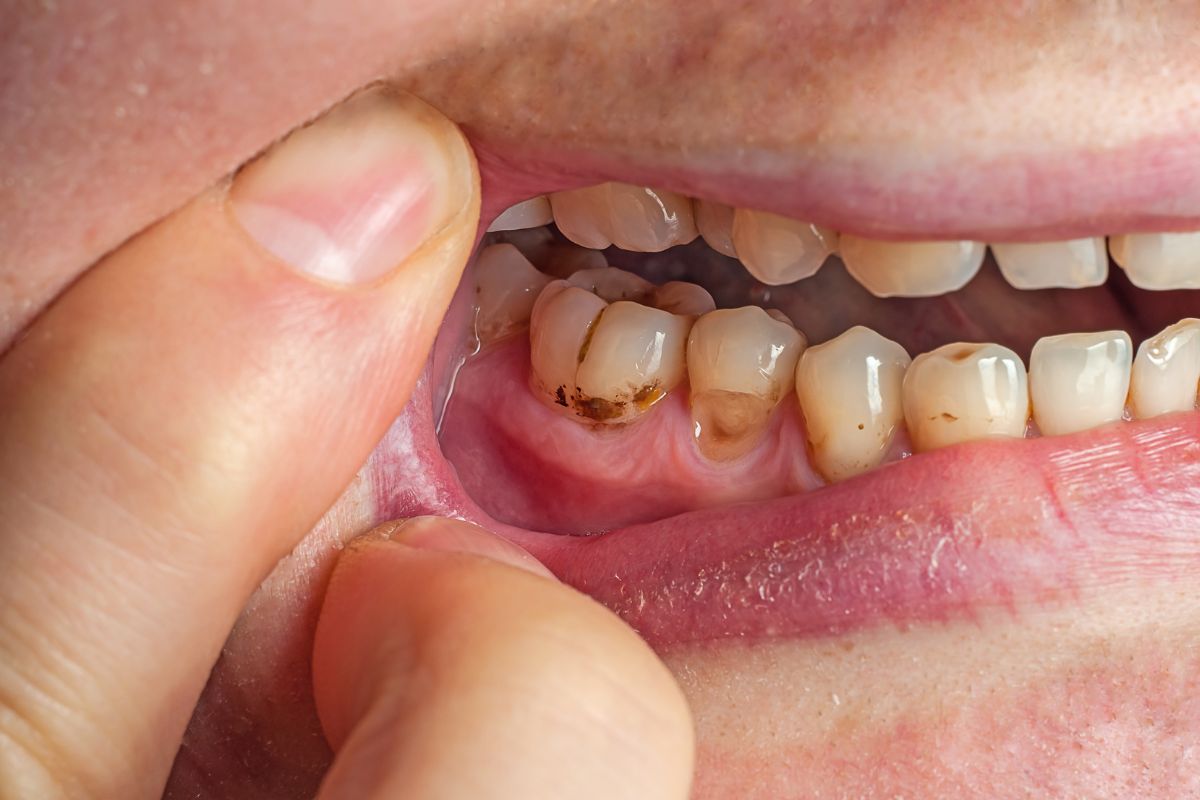
If your dentist has mentioned “deep cleaning” or scaling and root planing at your last visit, you’re not alone. Gum health across Canada has been slipping. National data collected between 2022 and 2024 found that 83% of Canadian adults aged 20 to 79 showed gum bleeding in at least one tooth during probing, and deeper periodontal pockets, a marker of active gum disease, have become far more common than they were fifteen years ago.
Scaling and root planing is the standard, non-surgical treatment for this stage of gum disease. It’s more involved than a routine cleaning, but it’s also far less intimidating than most patients expect. This guide walks you through exactly what happens during the procedure, why your dentist recommends it, what recovery feels like, and how it fits into the bigger picture of your oral health at Heritage Dental Studio.
What Is Scaling and Root Planing
Scaling and root planing, often shortened to SRP, is a two-part deep cleaning procedure that treats the early-to-moderate stages of gum disease. It targets the areas a regular cleaning can’t reach.
Scaling removes plaque and calculus (hardened tartar) from the tooth surface and, critically, from below the gumline. Root planing smooths the root surfaces of the teeth so gum tissue can reattach and pockets can shrink.
You’ll sometimes hear this procedure called “deep cleaning,” and that’s an accurate way to think about it. A standard dental cleaning addresses the visible tooth surface and the gumline. SRP goes further, addressing the root surfaces beneath the gum where bacteria colonize once pockets have formed.
This distinction matters because gum disease doesn’t stay put. Left untreated, it progresses from gingivitis into periodontitis, a stage where bone loss becomes possible. Understanding where deep cleaning fits into that progression makes the next section easier to follow.
Why Your Dentist Recommends It
Dentists don’t recommend SRP as a routine upsell. It’s recommended when a periodontal exam shows specific warning signs that a standard cleaning won’t resolve.
Pocket Depth Is the Main Trigger
During a checkup, your dentist or hygienist measures the space between your gum and tooth using a small probe. A healthy pocket depth sits at roughly 1 to 3 millimeters.
National measurements show that the prevalence of 4mm pockets rose from 11% to 21% over the past 15 years, and 5mm pockets rose from 5% to 9%. Once pockets reach 4mm or deeper, a regular cleaning typically can’t clear out the bacteria hiding inside them.
Bleeding and Inflammation Signal Active Disease
Bleeding during probing isn’t just a sign of a rough visit. It indicates active inflammation in the gum tissue, and that inflammation is a strong signal that bacteria have moved below the gumline.
Data on Canadian adults found bleeding on probing was highest among adults aged 20 to 39, at 90%, which is a reminder that gum disease isn’t only a concern for older patients. If you want a clearer picture of what these two stages look like side by side, our breakdown of gingivitis versus periodontitis explains the progression in more depth.
Visible Tartar Below the Gumline
Tartar that has calcified below the gumline can’t be brushed or flossed away. It has to be mechanically removed, and that removal is exactly what scaling addresses.
Once your dentist identifies these signs, the next logical step is understanding what the appointment itself actually involves.
What Happens During the Appointment
Patients often picture SRP as a single intense session. In practice, it’s usually more measured than that.
The Initial Assessment
Your dentist starts with a periodontal charting, recording pocket depths at multiple points around each tooth. This creates a baseline your team will compare against at future visits.
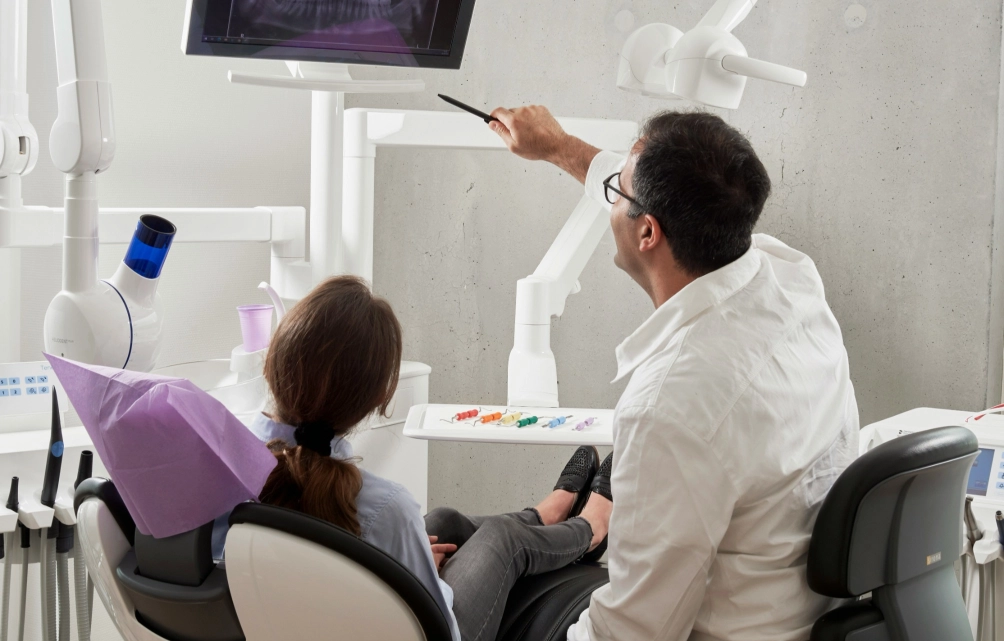
Digital imaging is often part of this step too. Modern digital x-rays let your dentist see bone levels around the roots, which helps determine how far gum disease has progressed beneath the surface.
Local Anesthesia, If Needed
Because SRP works below the gumline, most patients receive a local anesthetic to numb the treatment area. This isn’t universal. Mild cases sometimes proceed with minimal or no numbing, depending on sensitivity and pocket depth.
The Scaling Process
Using hand instruments, ultrasonic tools, or a combination of both, your hygienist removes plaque and calculus from the tooth surface and the root surface below the gum. Ultrasonic scalers use vibration and a water spray to break up tartar efficiently, while hand scalers allow for more precise work in tighter pockets.
Root Planing
Once the root surface is clear of deposits, it’s smoothed. Rough root surfaces are easier for bacteria to cling to, so smoothing them out reduces the chance of rapid regrowth and gives gum tissue a cleaner surface to reattach to.
Quadrant-by-Quadrant Treatment
Most SRP procedures are split across two or more visits, treating one side of the mouth per appointment. This keeps numbness manageable and gives your dentist time to monitor healing between sessions.
Knowing the mechanics of the procedure is useful, but many patients want to know what it actually feels like once the numbness wears off.
What Recovery Feels Like
Recovery after scaling and root planing is generally mild, though it does vary by how advanced the gum disease was going in.
The First 24 to 48 Hours
Some tenderness, mild swelling, and sensitivity to hot or cold are common in the first day or two. Sensitivity happens because the root surface, previously covered by inflamed tissue and tartar, is newly exposed to temperature changes.
Managing Discomfort
Over-the-counter pain relief is usually sufficient. Rinsing gently with warm salt water a few times a day can help reduce inflammation without irritating healing tissue.
What to Avoid Short-Term
Avoid very hot, cold, or spicy foods for the first day or so. Skip vigorous brushing directly on treated areas until your dentist gives the go-ahead, though gentle brushing elsewhere in your mouth is fine.
When Healing Should Be Noticeable
Most patients notice reduced bleeding and less puffiness within one to two weeks. Gums should start reattaching more firmly to the tooth as inflammation subsides.
Recovery is only half the story. What matters just as much is how SRP compares to the routine cleanings you’re already used to.
Scaling and Root Planing vs a Regular Cleaning
It’s a common question, and an important one, because the two procedures serve different purposes.
Depth of Treatment
A dental cleaning addresses the crown of the tooth and the area just at the gumline. SRP reaches below the gumline to the root surface itself.
Who Needs Which
Patients with healthy gums and shallow pockets are well served by regular cleanings, typically recommended every six months. Patients with pockets of 4mm or more, bleeding, or visible subgingival tartar are better served by SRP.
Anesthesia and Time
Standard cleanings rarely require anesthesia and are usually finished in one visit. SRP often needs numbing and is commonly split across two appointments to treat the full mouth comfortably.
Understanding this difference also helps clarify why SRP is considered a genuine treatment for disease, not simply a more thorough polish. That distinction becomes clearer once you look at what happens if gum disease goes untreated.
What Happens Without Treatment
Gum disease doesn’t plateau on its own. Without intervention, gingivitis can progress into periodontitis, and that stage brings changes that aren’t reversible.
Bone Loss Becomes a Risk
As explained by Canada’s public health authority, periodontitis is a chronic inflammatory disease that breaks down the tissue and bone supporting the teeth, and this damage is not usually reversible.
Tooth Mobility and Loss
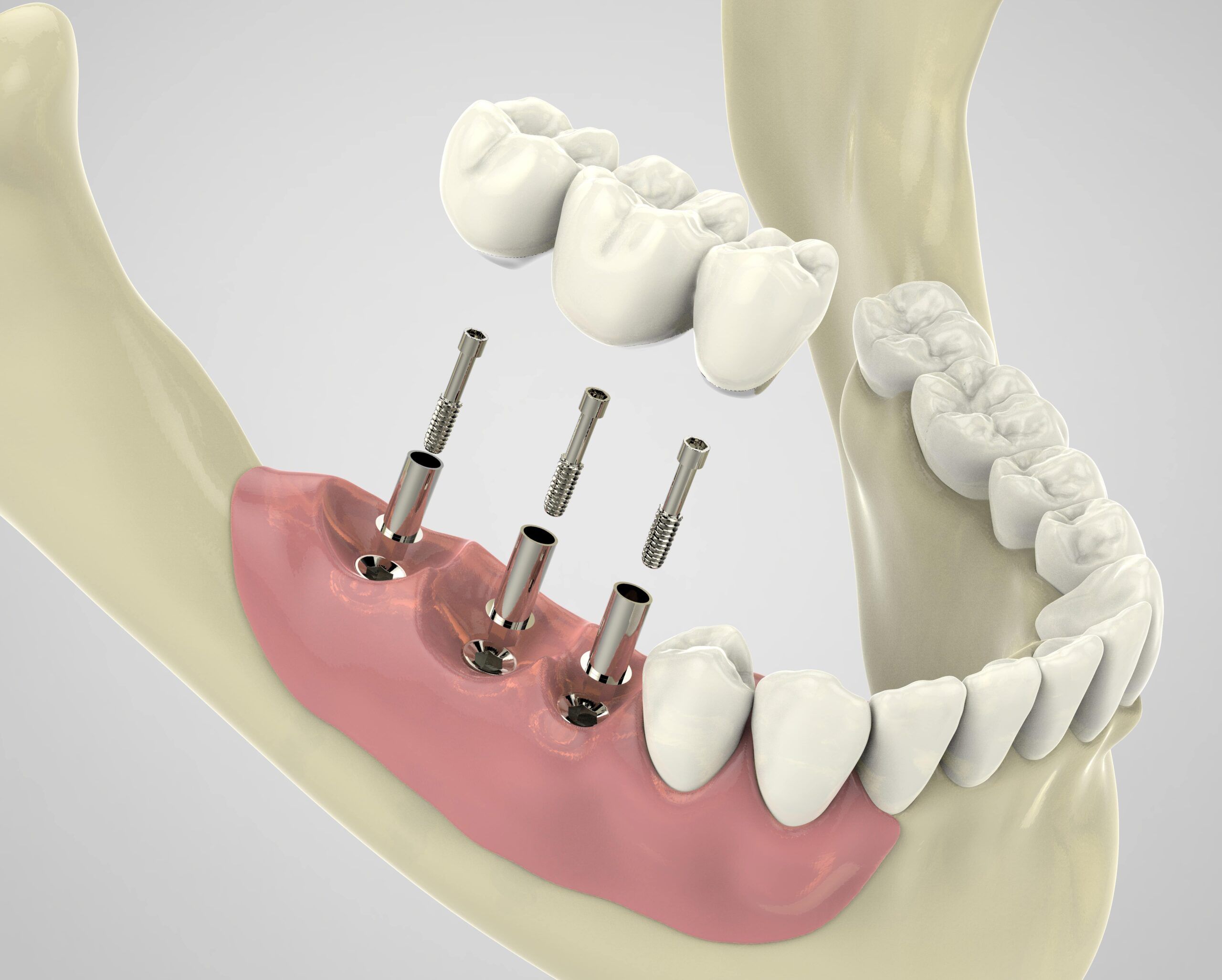
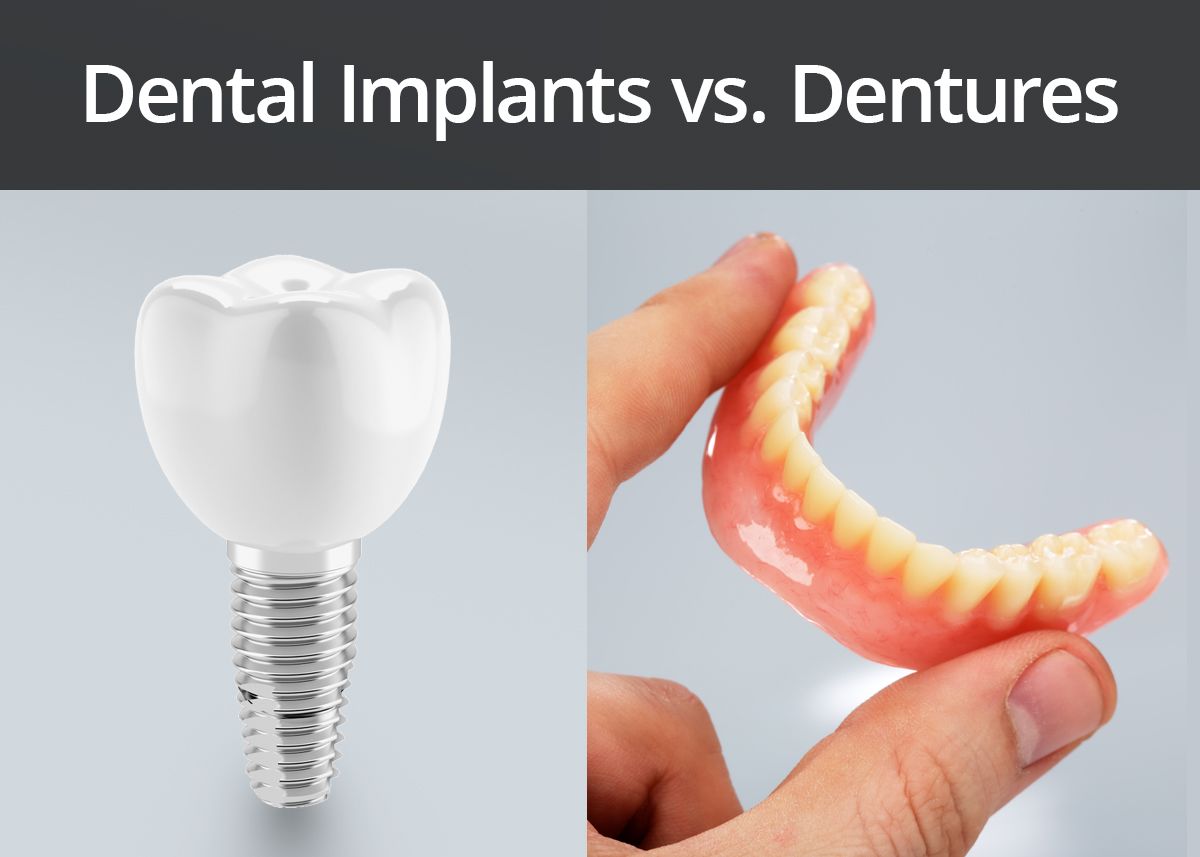
As supporting bone diminishes, teeth can loosen. In advanced cases, this leads to tooth loss, which then raises the question of restorative options like dental implants or dentures.
Links to Broader Health
Emerging research continues to connect gum health with conditions elsewhere in the body. If you’d like more on that connection, our article on gum disease and heart health covers the current evidence.
Given these stakes, prevention and maintenance after SRP become just as important as the procedure itself.
Maintaining Results After Treatment
SRP resets the environment in your mouth, but keeping it that way requires consistent follow-through.
Follow-Up Visits
Your dentist will likely schedule a re-evaluation four to six weeks after treatment to measure pocket depths again and confirm inflammation has decreased. Some patients move to more frequent periodontal maintenance cleanings, often every three to four months, instead of the standard six-month schedule.
Home Care Habits
Brushing twice daily and flossing consistently remain foundational. If you’re unsure whether your technique is doing enough, our guide on how to brush and floss correctly breaks down the small adjustments that make a real difference.
Watching for Recurrence
Bleeding, swelling, or bad breath returning after treatment are signs worth mentioning at your next visit. Catching a relapse early typically means a simpler fix than the original treatment required.
With a maintenance routine in place, most patients see lasting improvement, which brings us to the practical question most people ask before booking: what this actually costs.
Cost Considerations for Deep Cleaning in Toronto
Cost for SRP typically depends on how many quadrants need treatment and the complexity of each area. It’s usually billed per quadrant rather than as a flat mouth-wide fee, which is different from a standard cleaning.
Insurance Coverage
Most dental insurance plans that cover preventive care also cover a portion of periodontal treatment, though coverage limits vary by provider. If you’re enrolled in the Canadian Dental Care Plan, it’s worth confirming which periodontal procedures are included, since coverage tiers differ by income bracket.
Comparing to Cleaning Costs
If you’re trying to budget ahead of an appointment, our detailed breakdown of dental cleaning cost in Toronto is a useful reference point, since SRP pricing is usually structured differently but comparable in scale per quadrant.
Payment Options
Practices that offer direct billing can simplify the process significantly, reducing the amount you pay upfront while your insurer is billed directly.
Cost shouldn’t be the deciding factor in whether gum disease gets treated, especially given how much more involved (and expensive) restorative treatment becomes once bone loss sets in.
When to Book an Assessment
If it’s been more than six months since your last cleaning, or if you’ve noticed bleeding gums, persistent bad breath, or gum recession, a periodontal assessment is a reasonable next step. Waiting rarely improves the situation, and catching gum disease at the gingivitis stage, before pockets deepen, keeps treatment simpler and more comfortable.
Deep cleaning has a reputation for being uncomfortable, but for most patients, it’s a manageable, well-tolerated procedure that prevents a far more difficult road ahead. Taking that first step toward a periodontal exam is one of the more protective decisions you can make for your long-term oral health.
FAQ
Is scaling and root planing painful?
Most patients feel pressure rather than pain, since the area is numbed beforehand. Mild soreness for a day or two afterward is typical and usually manageable with over-the-counter pain relief.
How many visits does deep cleaning usually take?
Most patients need two visits, treating one half of the mouth at a time. Severe cases may require additional sessions to fully address every quadrant.
Will my gums go back to normal after SRP?
Inflammation and bleeding typically improve significantly within one to two weeks. However, if bone loss has already occurred, that structural change isn’t reversible, which is why early treatment matters.
How is deep cleaning different from a regular cleaning?
A regular cleaning treats the tooth surface and gumline. Deep cleaning reaches below the gumline to clean and smooth the root surface, targeting bacteria a standard cleaning can’t remove.
Does insurance cover scaling and root planing?
Most plans that include periodontal care cover a portion of the cost, though the amount varies by provider and plan tier. Checking your coverage ahead of time helps avoid surprises.
Ready to Address Gum Disease Before It Progresses?
If you’ve noticed bleeding gums, tenderness, or it’s simply been a while since your last checkup, book a periodontal assessment at Heritage Dental Studio. Early treatment is simpler, more comfortable, and protects the bone and teeth you’re trying to keep for the long run.