
Bad breath is one of those problems people quietly worry about but rarely bring up, even with their dentist. Yet it’s one of the most common concerns patients raise once they feel comfortable asking, and in most cases, there’s a clear, fixable cause behind it.
Chronic bad breath, known clinically as halitosis, usually traces back to something happening in the mouth itself rather than anything more mysterious. This guide from Heritage Dental Studio walks through the real causes behind persistent bad breath and the specific fixes that address each one.
Why Bad Breath Happens
Understanding the mechanism behind bad breath makes the solutions much more intuitive.
Bacteria Are the Root Cause
Most bad breath comes from bacteria breaking down food particles, dead cells, and proteins in the mouth, releasing sulfur compounds as a byproduct. These compounds are what produce the noticeable odor.
It’s Not Always About What You Ate
While garlic and onions certainly contribute short-term, persistent bad breath that doesn’t resolve after brushing usually points to an ongoing source rather than a recent meal.
Morning Breath Is Normal, Persistent Breath Isn’t
Reduced saliva flow overnight causes temporary morning breath in nearly everyone. If that odor lingers throughout the day despite good hygiene, it’s worth investigating further.
With that baseline understanding, it’s worth looking at where in the mouth this bacterial activity tends to concentrate.
The Tongue Is Often the Main Culprit
Of all the potential sources, the back of the tongue is one of the most overlooked.
Why the Tongue Traps Bacteria
The surface of the tongue, especially toward the back, has a textured structure that traps bacteria, food debris, and dead cells far more effectively than smooth tooth surfaces.
The Simple Fix
Gently brushing your tongue, or using a dedicated tongue scraper, as part of your daily routine can meaningfully reduce odor within days for many people.
Why This Gets Overlooked
Most people brush teeth thoroughly but skip the tongue entirely, missing one of the largest bacterial reservoirs in the mouth.
Tongue hygiene alone resolves a surprising number of bad breath cases, but gum health is another major factor worth ruling out.
Gum Disease and Bad Breath
Persistent bad breath is frequently one of the earliest noticeable signs of gum disease, sometimes appearing before bleeding or sensitivity.
How Gum Disease Produces Odor
Bacteria that colonize gum pockets, particularly once gingivitis progresses toward periodontitis, produce especially strong-smelling compounds as they break down tissue and debris below the gumline.
Recognizing the Connection
If bad breath persists alongside bleeding gums or gum recession, it’s worth reading our comparison of gingivitis versus periodontitis to understand where you might sit on that spectrum.
Treatment Resolves the Odor
Addressing the underlying gum disease, sometimes through scaling and root planing, typically eliminates this specific source of bad breath as inflammation subsides.
Gum disease is a common cause, but it’s far from the only dental issue capable of producing chronic odor.
Cavities and Decay
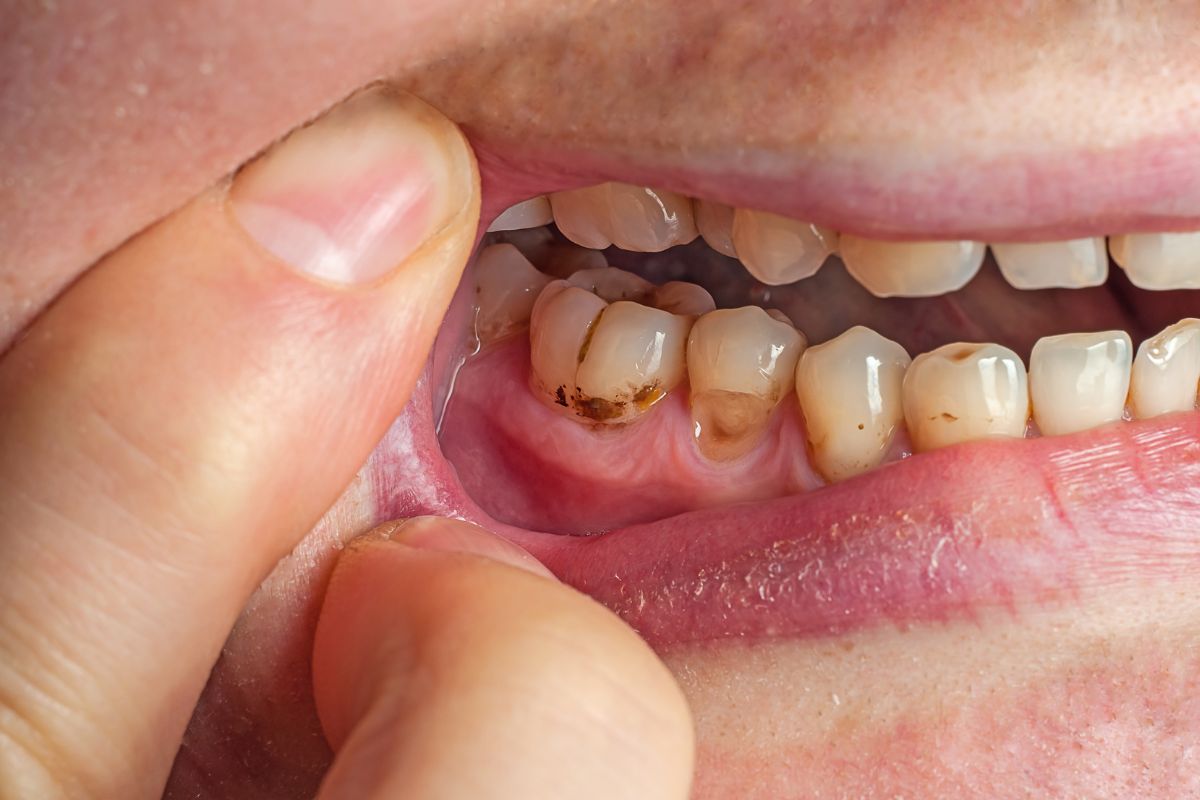
Tooth decay creates small pockets and rough surfaces where bacteria thrive, and in some cases, this contributes directly to bad breath.
Trapped Debris in Decayed Areas
Cavities create spaces where food and bacteria accumulate in ways that regular brushing can’t reach, similar to what happens below the gumline in periodontitis.
A Sign Worth Checking
If bad breath is a new or worsening symptom, our guide on signs you have a cavity can help you determine whether decay might be a contributing factor.
Fillings Resolve the Source
Once decay is treated with a tooth-colored filling, the trapped bacteria and debris causing the odor are removed along with the decayed tissue.
Beyond decay, dry mouth is another frequently underestimated contributor to chronic bad breath.
Dry Mouth’s Role in Bad Breath
Saliva does more than keep your mouth comfortable. It actively washes away bacteria and food particles throughout the day.
Why Saliva Matters
Reduced saliva flow allows bacteria to accumulate more freely, which is why dry mouth and bad breath so often occur together.
Common Causes of Dry Mouth
Many medications, certain medical conditions, and simply not drinking enough water throughout the day can all reduce saliva production. Our detailed guide on dry mouth causes and treatment covers the most common triggers.
Practical Fixes
Staying hydrated, chewing sugar-free gum to stimulate saliva flow, and discussing medication side effects with your doctor can all meaningfully reduce dry-mouth-related odor.
Dry mouth is often manageable with small adjustments, but some causes of bad breath require more targeted dental attention.
Old Fillings, Crowns, and Restorations
Aging dental work can sometimes become a hidden source of persistent odor.
Why Older Restorations Can Trap Bacteria
Fillings and crowns that have worn down or developed small gaps at the margins create spaces where bacteria can accumulate undetected.
Signs Your Restoration Might Be the Issue
If you notice a bad taste or odor localized to one area of your mouth, it’s worth mentioning to your dentist, since it could indicate a restoration needs attention. Our article on how long fillings last covers typical lifespans and warning signs.
The Fix Is Usually Straightforward
Replacing a worn filling or crown typically resolves this source quickly, since it eliminates the gap where bacteria were accumulating.
Restorations aside, some causes of bad breath sit outside the mouth entirely, which is worth acknowledging honestly.
When Bad Breath Isn’t Dental
While the vast majority of chronic bad breath traces back to the mouth, a smaller subset of cases stem from elsewhere.
Sinus and Throat Sources
Post-nasal drip, chronic sinus issues, and tonsil stones can all produce breath odor that has nothing to do with your teeth or gums.
Digestive Factors
Less commonly, certain digestive issues are associated with breath odor, though this is far less frequent than oral causes.
When to See a Doctor
If your dentist rules out dental causes and the odor persists, following up with your physician is a reasonable next step to investigate non-dental sources.
Once dental causes have been ruled in or out, building a strong daily routine is the most effective long-term strategy.
Building a Bad-Breath-Fighting Routine
Most chronic bad breath responds well to a consistent, comprehensive daily routine.
Brush and Floss Thoroughly
Twice-daily brushing and daily flossing remove the food particles and plaque that feed odor-causing bacteria. Our guide on how to brush and floss correctly covers technique details that make a real difference.
Don’t Skip the Tongue
Add tongue cleaning to your daily routine, ideally every time you brush, to address one of the largest bacterial reservoirs in the mouth.
Rinse Thoughtfully
Antibacterial mouthwash can help, though it’s a supplement to brushing and flossing rather than a replacement. Look for products specifically designed to neutralize odor-causing compounds rather than just masking smell temporarily.
Stay Hydrated
Drinking water consistently throughout the day supports saliva flow and helps rinse away bacteria between brushings.
Even with a strong routine at home, professional care remains an essential part of managing bad breath long-term.
Why Professional Cleanings Matter
Some sources of bad breath simply can’t be addressed at home, no matter how diligent your routine is.
Removing Hardened Tartar
Once plaque hardens into tartar, it can only be removed with professional tools during a dental cleaning, and tartar buildup is a significant contributor to persistent odor.
Catching Issues Early
Regular checkups allow your dentist to catch cavities, gum disease, or failing restorations before they become noticeable sources of bad breath.
An Honest Conversation
Dentists discuss bad breath with patients regularly. It’s a routine, non-judgmental part of a checkup, and mentioning it directly helps your dentist target the investigation more precisely.
Addressing bad breath thoroughly, rather than just masking it, is what actually leads to lasting results.
When to See Your Dentist
If bad breath persists despite consistent brushing, flossing, and tongue cleaning for a couple of weeks, it’s worth booking an appointment rather than continuing to manage it with mints or mouthwash alone. Persistent odor is often your body’s way of flagging something specific happening in your mouth, and identifying that cause is usually far simpler than people expect.
Chronic bad breath rarely has a mysterious cause. In the vast majority of cases, it comes down to something identifiable and treatable, whether that’s tongue bacteria, gum disease, or an aging filling. Addressing the source directly, rather than covering it up, is what leads to breath that stays fresh for good.
FAQ
Can mouthwash alone fix chronic bad breath?
Mouthwash can temporarily mask odor, but it rarely resolves the underlying cause. Persistent bad breath usually needs a source identified and treated, whether that’s gum disease, decay, or tongue bacteria.
Is bad breath always caused by poor hygiene?
Not always. Dry mouth, aging restorations, sinus issues, and certain medications can all cause bad breath even in people with a solid oral hygiene routine.
Does bad breath mean I have gum disease?
Not necessarily, but it’s a common early sign. If bad breath persists alongside bleeding gums, it’s worth having a periodontal exam to check.
How long does it take to fix bad breath once I identify the cause?
Many cases improve within one to two weeks once the underlying cause, like tongue bacteria or early gum inflammation, is addressed consistently.
Should I see a dentist or a doctor for bad breath?
Start with your dentist, since most chronic bad breath traces back to the mouth. If dental causes are ruled out, your doctor can investigate sinus or digestive factors.
Ready to Get to the Root of Your Bad Breath?
If persistent bad breath has you concerned, book a checkup at Heritage Dental Studio. Identifying the actual cause is usually simpler than expected, and the fix is often closer than you think.