

When a dentist mentions a root canal, many people immediately ask whether there is another way to save the tooth. Sometimes there is, and sometimes the alternatives to root canal treatment can keep your natural tooth comfortable for years.
This guide walks you through the decision step by step, so you can tell which option fits your tooth, your symptoms, and your budget.
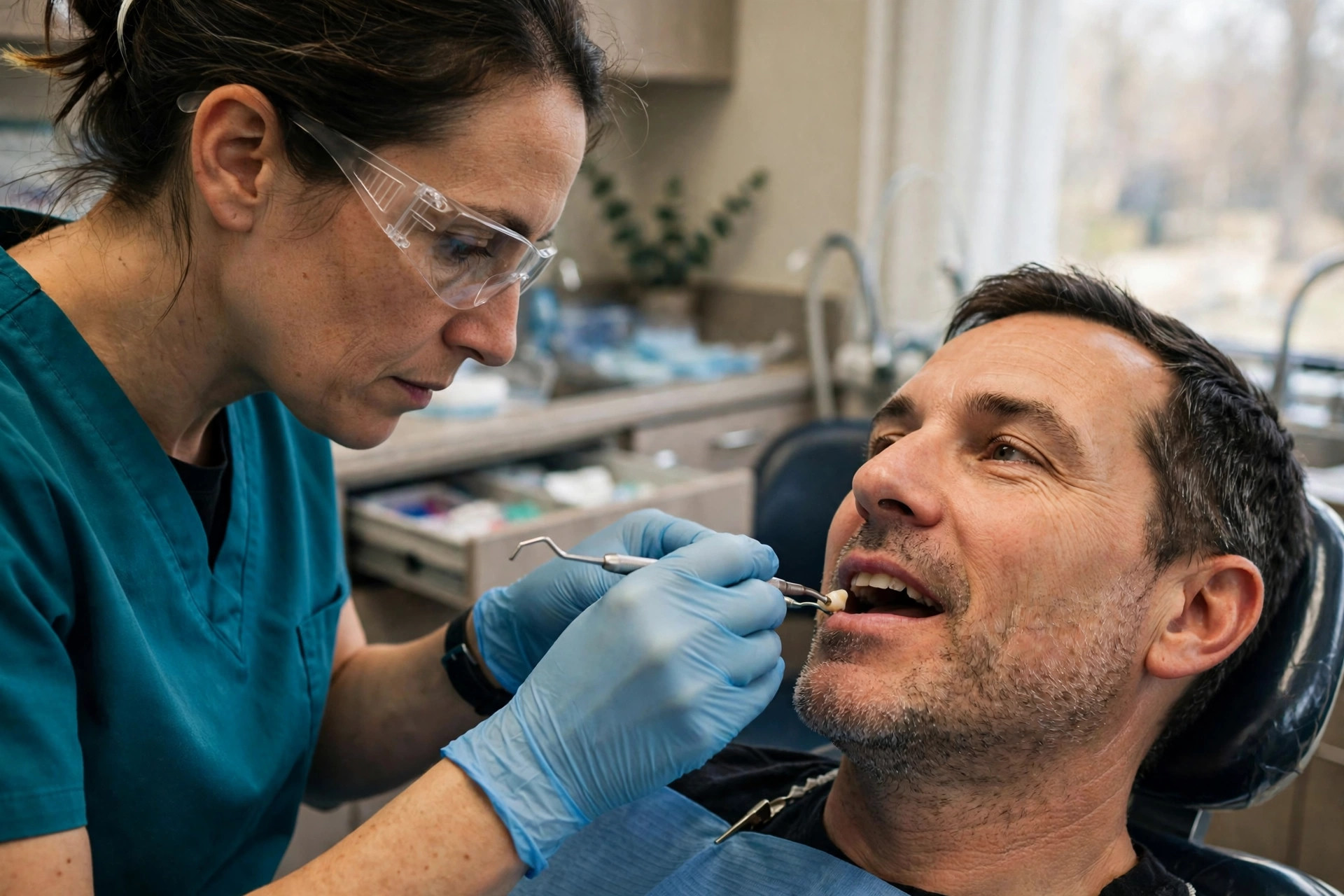
Step 1: Get a Diagnosis Before You Choose an Alternative
A root canal is recommended when the nerve inside the tooth is infected or dying, not simply because a tooth hurts. That distinction matters, because many painful teeth can still be saved without removing the nerve.
Your dentist will usually take an X-ray, test how the tooth responds to cold, and check the bite and gums before suggesting any treatment. Those tests separate a tooth with reversible irritation from a tooth with an infected nerve, and they also reveal cracks, deep decay, or gum problems that change the plan.
A cracked tooth needs a different approach from a tooth with straightforward decay, so the diagnosis must be specific before you compare options.
Ask your dentist to explain which category your tooth falls into, in plain words, before you discuss options.
Describe your symptoms clearly at this visit, because timing matters more than most people realise.
Pain that fades quickly after cold food often points to a different stage from pain that lingers for minutes, wakes you at night, or appears without any trigger.
Swelling, a bad taste, or a bump on the gum points toward infection and needs prompt attention, not a wait and see approach.
Once a diagnosis is clear, you can move to the next step, which is stopping whatever is damaging the tooth.
Step 2: Stop the Damage That Is Harming the Tooth
Every successful alternative starts by removing the cause, not just covering the symptom. If decay is the cause, the dentist removes the soft, infected tooth material and checks how close the decay sits to the nerve.
If grinding is the cause, the bite and any night grinding habit need attention, since a tooth that keeps taking excess force will keep cracking or aching.
If gum disease is involved, cleaning and gum care come first, because a tooth with an unstable foundation cannot be saved by a filling alone.
Home care plays a real role at this stage, and it is not just generic advice to brush more.
Brush twice daily with fluoride toothpaste, clean between teeth daily, and avoid sipping sugary or acidic drinks through the day, since constant acid exposure softens enamel and feeds decay.
Learn how to prevent cavities in practical terms, including fluoride use and snack timing, because those habits decide whether a repaired tooth stays repaired.
A tooth that is repaired but kept in the same damaging conditions will often fail again within a couple of years.
Your dentist may also recommend a fluoride treatment or sealant on neighbouring teeth if decay risk is high. That step protects the teeth around the problem tooth, which matters when you are trying to avoid larger treatment later.
With the cause addressed and the diagnosis in hand, you are ready to compare the actual alternatives in order, from the least invasive to the most involved.
Alternatives to Root Canal Treatment, Ranked From Least Invasive
Think of these options as a ladder, where you start at the lowest rung that can genuinely fix the problem. Climbing higher than needed wastes healthy tooth, while staying too low leaves infection behind.
Your dentist will place your tooth on this ladder after imaging and testing, not from symptoms alone.
A filling when decay has not reached the nerve
A filling is the right alternative when decay is present but the nerve is still healthy. The dentist removes decay, cleans the cavity, and restores the shape with a tooth coloured material that bonds to the tooth.
Most fillings are completed in one visit, and normal eating returns the same day once numbness fades.
Comparing composite versus amalgam fillings can help you understand durability and appearance, but the bigger factor is whether all decay is removed and the filling seals well.
A pulp cap when decay sits very close to the nerve
A pulp cap is a protective layer placed directly over a nerve that has been exposed or nearly exposed during decay removal.
It aims to help the nerve heal and form a protective barrier, avoiding a root canal in a tooth that might otherwise need one.
This option suits teeth where the nerve is still healthy, there is no infection, and the tooth can be sealed tightly afterwards.
Success is not guaranteed, and your dentist should review the tooth over the following weeks to check that pain settles rather than grows.
A crown when the tooth is weakened but the nerve is healthy
A crown covers the whole visible tooth and protects it from cracking, which makes it useful after a large filling or a crack that has not reached the nerve.
A crown does not treat an infected nerve, so it is only an alternative when the nerve itself does not need root canal treatment.
Learn the difference in this guide to dental crown versus filling, because choosing a crown when a filling would do, or a filling when a crown is needed, both create problems later.
Crowns typically last many years with good care, and they are often the step that turns a fragile tooth into a reliable one.
Treating a crack or bite problem without touching the nerve
Some teeth ache because of a crack, a high filling, or grinding, not because the nerve is dying.
Adjusting the bite, replacing a high filling, or fitting a night guard can settle pain that looks like root canal pain at first.
A cracked tooth needs careful checking, because a crack that reaches the nerve or splits the root changes the plan completely.
This is why a step by step approach matters, since treating the bite first can save you from a root canal you never needed.
Working through this ladder in order keeps treatment as small as the problem allows, and it also clarifies the point where a root canal stops being optional.
That point is the focus of the next step, and it deserves an honest look rather than avoidance.
Step 3: Recognise When a Root Canal Is Actually the Kinder Option
Avoiding a root canal is only a win if the tooth stays healthy afterwards.
A root canal becomes the safer choice when the nerve is infected, when pain lingers long after hot or cold, when pain wakes you at night, or when imaging shows infection at the root tip.
In those cases, a filling or crown alone would trap infection inside the tooth, and pain would likely return worse than before.
Many people fear root canal pain more than the procedure itself, yet modern numbing and careful technique mean most patients report pressure rather than sharp pain during treatment.
Reading about whether root canal treatment is painful before your visit can replace rumours with a realistic picture of the appointment.
Sedation is also available for anxious patients, so fear alone should not push you toward a weaker alternative that leaves infection untreated.
Compare the full picture before you decide, including what happens if you choose extraction instead.
A guide to root canal versus extraction lays out the trade-offs in function, cost, and replacement, and it is worth reading when you feel torn between keeping and removing a tooth.
Keeping a natural tooth with a root canal is often simpler and less costly over time than replacing it, even though the root canal appointment itself feels like the bigger step.
Once you understand that threshold, the practical questions of cost and coverage become much easier to answer.
Step 4: Costs, Coverage, and Timing in Downtown Toronto
Costs for alternatives vary widely by tooth, material, and complexity, so treat the ranges below as planning figures, not quotes.
A tooth coloured filling in Toronto typically ranges from about $200 to $450 CAD, depending on the size and number of surfaces involved.
A pulp cap is usually added as part of that filling visit rather than billed as a separate large procedure. A crown typically ranges from about $1,200 to $2,000 CAD, depending on material and laboratory work.
A root canal for comparison typically ranges from about $900 to $2,000 CAD before a crown, with molars at the higher end because they have more canals.
Fees in Ontario generally follow the Ontario Dental Association fee guide, which your dentist can use to prepare a written estimate for each option.
Ask for that estimate in writing, with each step listed, so you can compare a filling, a crown, and a root canal plus crown on equal terms.
Check your insurance and public coverage before treatment, because plans differ in what they pay for fillings, crowns, and root canals. Many private plans cover a portion of each, but annual maximums and frequency limits often apply, especially for crowns.
If you qualify for the Canadian Dental Care Plan, confirm what it covers for your procedure by reviewing what the CDCP covers and asking the clinic to check your eligibility.
Clinics offering direct billing can bill your insurer directly, so you pay only your share at the visit in many cases.
Timing matters as much as price, because decay and infection do not pause while you decide.
A tooth that could be saved with a filling today may need a root canal in a few months if decay reaches the nerve, and a tooth with infection needs treatment promptly regardless of cost worries.
Book the assessment first, get the written options, and then decide with numbers in front of you.
That sequence protects both your tooth and your budget, and it also helps you spot urgent symptoms early, which is the final safety step.
Step 5: Red Flags That Mean Do Not Wait
Most alternatives can be planned over days or weeks, but some symptoms mean you should be seen the same day.
Seek prompt care for facial swelling, fever with tooth pain, pain that is severe and worsening, difficulty opening your mouth, or a bad taste with pus.
These signs can indicate a spreading infection, and they are not solved by painkillers, home rinses, or waiting for a routine appointment.
Contact a dentist promptly if pain returns after a filling, if a crown feels loose, or if biting pain becomes sharp and consistent.
An abscessed tooth can develop quietly and then flare quickly, so early review is safer than hoping symptoms settle on their own.
If you cannot reach your regular clinic, seek emergency dental care in downtown Toronto and describe swelling, fever, and pain level clearly so you can be triaged correctly.
Keep a simple record of what you notice, including when pain started, what triggers it, and whether swelling is present.
That record helps the dentist distinguish a new problem from normal post treatment tenderness, and it speeds up triage on the phone.
With red flags understood, you now have the full step by step picture, and the questions below cover the details patients ask most often.
Step 6: Protect a Saved Tooth for the Long Term
Saving a tooth is only the first half of the job, because the repair still needs protection from the same forces that damaged it originally.
Daily care, regular reviews, and bite awareness together decide whether a filling or crown lasts a few years or well over a decade. This step is often skipped in conversation, yet it is where most long term success is won.
Start with daily care that is realistic enough to keep doing. Brush twice daily with fluoride toothpaste, clean between teeth once a day, and limit sugary and acidic drinks to mealtimes rather than sipping them all afternoon.
Those three habits reduce new decay around a filling edge, which is one of the most common reasons a repaired tooth needs further work.
If you grind at night, tell your dentist, since a night guard can protect both the repaired tooth and the opposing tooth from excess force.
Keep review visits even when the tooth feels completely normal, because early problems rarely hurt at first. At a checkup, your dentist can spot a leaking filling edge, a high bite, or gum inflammation before any of them cause pain.
Learn how long fillings last and what wear looks like, so you understand why a filling that feels fine can still need attention at a review.
Reviews also give you a chance to ask about sensitivity, staining, or roughness around a repair before it becomes a larger issue.
Plan cleaning frequency with your dentist rather than guessing, since gum health directly supports a saved tooth.
Guidance on how often to get teeth cleaning depends on your gum condition, tartar buildup, and decay risk, and it may be more frequent than twice a year if you have gum disease.
A stable gum foundation keeps the tooth firm, reduces inflammation, and makes future treatment simpler and less costly. The Canadian Dental Association also stresses regular examinations and preventive care as the foundation of keeping natural teeth healthy over a lifetime.
Watch for small changes between visits and report them early, because early reporting is what keeps small fixes small.
Note any new sensitivity to cold that lingers, pain on biting, roughness at a filling edge, or a crown that feels different when you chew.
Those details help your dentist decide whether a simple polish, a bite adjustment, or a replacement filling will solve the problem.
Protecting a saved tooth is a quiet, steady habit, not a single appointment, and it sets you up well for the questions below.
Before You Leave: A Quick Checklist for Your Saved Tooth
Before you leave the clinic, confirm four details in plain language so nothing is left to guesswork.
Ask what was done to the tooth, what you should avoid eating or doing for the next few days, when your review visit is booked, and what symptoms should prompt a phone call.
Write those answers down or ask the clinic to print them, because instructions heard while still numb are easy to forget.
Also confirm what happens if the tooth does not settle as expected, including whether a review is included and what the next step would be.
Knowing the fallback plan in advance removes panic if sensitivity lingers, and it helps you judge whether a root canal later would be a new problem or a planned next step.
A saved tooth deserves that clarity, and it gives you confidence that every option was considered in order.
With that checklist complete, you have a practical plan for protecting the tooth day to day. The questions below cover the details patients ask most often once they get home.

Frequently Asked Questions
Can a filling save a tooth that needs a root canal?
No, a filling alone cannot save a tooth with an infected or dead nerve. A filling works when the nerve is still healthy, so diagnosis by X-ray and sensitivity tests must come first.
What is a pulp cap, and does it always work?
A pulp cap protects a nearly exposed nerve to help it heal without a root canal. It does not always work, so the tooth needs review over the following weeks to confirm pain settles.
Is a crown an alternative to a root canal?
A crown protects a weakened tooth, but it does not treat an infected nerve. It is an alternative only when the nerve is healthy and the problem is structural weakness or a large filling.
How long do fillings last?
With good care, tooth coloured fillings typically last many years, though lifespan depends on size, bite force, and oral hygiene. Regular checkups catch wear or leakage before decay returns underneath.
Can I just leave a painful tooth alone?
Leaving an infected tooth alone risks spreading infection, bone loss, and loss of the tooth itself. Pain that lingers, swelling, or fever should be assessed promptly, not ignored.
Is extraction cheaper than saving the tooth?
Extraction may cost less on the day, but replacement with an implant or bridge usually costs more overall. Compare the full cost of saving versus replacing before deciding.
Conclusion: Choose the Smallest Treatment That Truly Fixes the Problem
The alternatives to root canal treatment work best when they are matched to an accurate diagnosis, not chosen by hope or by fear of the procedure itself.
A filling, a pulp cap, or a crown can save a tooth beautifully when the nerve is still healthy and the cause has been removed.
A root canal, when the nerve is infected, is not a failure of those alternatives, it is the treatment that actually removes infection and keeps the tooth in your mouth.
You do not have to decide alone, and you do not have to decide at the first mention of a root canal.
Get the diagnosis explained, ask for written options with costs, and choose the smallest treatment that fixes the real problem.
That careful, step by step approach gives your natural tooth its best chance, and it gives you confidence that you chose well.
Next Step: Book a Tooth Saving Assessment in Downtown Toronto
If your tooth is aching or a dentist has mentioned a root canal, book an assessment to explore root canal treatment in downtown Toronto and its alternatives for your specific tooth.
Bring notes on your symptoms, list any swelling or fever, and ask for a written estimate for each realistic option.
This article is general information only, not a diagnosis for your tooth, so see a dentist promptly for your own case, especially if you have swelling, fever, or worsening pain.


