Tooth pain rarely comes out of nowhere. Most of the time, it’s your body signaling that something inside the tooth needs attention before the problem grows.
Knowing the signs you may need a root canal helps you act early, when treatment is simpler and more predictable. Waiting too long often turns a manageable issue into a more complicated one.
At Heritage Dental Studio, we regularly see patients who waited weeks or months before booking an appointment, hoping symptoms would resolve on their own. Here are the five signs worth paying close attention to.
Sign 1: Lingering Sensitivity to Hot or Cold
What Normal Sensitivity Looks Like
Brief sensitivity to hot coffee or cold ice cream that fades within a few seconds is common and often harmless. This type of reaction typically points to minor enamel wear or a small area of exposed dentin.
What Root Canal Sensitivity Looks Like
Sensitivity that lingers for 30 seconds or longer after the hot or cold stimulus is removed is a different story. This pattern often indicates the nerve tissue inside your tooth is inflamed or damaged.
The lingering nature is the key distinction. Brief discomfort suggests a surface-level issue, while prolonged pain points toward the pulp itself.
Why This Happens
When bacteria reach the pulp through a cavity, crack, or previous dental work, the nerve tissue becomes irritated. Temperature changes trigger a pain response that takes longer than normal to settle.
If you’re noticing this pattern consistently, it’s worth having the tooth evaluated soon rather than waiting for the sensitivity to resolve on its own. Let’s move to the next warning sign, which often shows up during everyday activities like eating.
Sign 2: Pain When Biting or Chewing
A Specific, Localized Ache
Pain that occurs specifically when you bite down or chew on one particular tooth often signals inflammation at the root tip or surrounding bone. This differs from general jaw soreness or gum sensitivity.
Why Pressure Triggers This Pain
Inflamed tissue around an infected root becomes sensitive to pressure changes. Biting down compresses this already irritated area, producing a sharp or aching response.
What This Might Indicate
This symptom often points to infection that has spread beyond the tooth’s pulp into the surrounding periodontal ligament. At this stage, the infection has typically progressed further than early-stage sensitivity alone.
If chewing on a specific tooth consistently causes discomfort, it’s a strong signal to schedule an evaluation. This symptom rarely resolves without treatment, so let’s look at the next sign, which is often more visually apparent.
Sign 3: Swelling in the Gums or Face
Localized Gum Swelling
A tender, swollen area of gum tissue near a specific tooth often indicates an infection has developed at the root. This swelling may come and go, but its recurrence is a signal worth acting on.
A Small Bump Near the Tooth
Sometimes this presents as a small, pimple-like bump on the gum, known as a dental sinus or fistula. It may occasionally drain fluid, which can temporarily relieve pressure and reduce pain, creating a false sense that the problem has resolved.
Facial Swelling Requires Prompt Attention
If swelling extends beyond the gums into your cheek or jaw, this indicates the infection has advanced further. This level of swelling should be treated as urgent rather than something to monitor at home.
Our guide on is a dental abscess an emergency explains how to tell when swelling has crossed into emergency territory. Understanding this distinction helps you know when same-day care is necessary.
Swelling is one of the clearer visual signs that something needs attention, but not every warning sign is this obvious. The next one often gets dismissed as a cosmetic issue rather than a dental one.
Sign 4: Darkening or Discoloration of a Single Tooth
Why a Tooth Changes Color
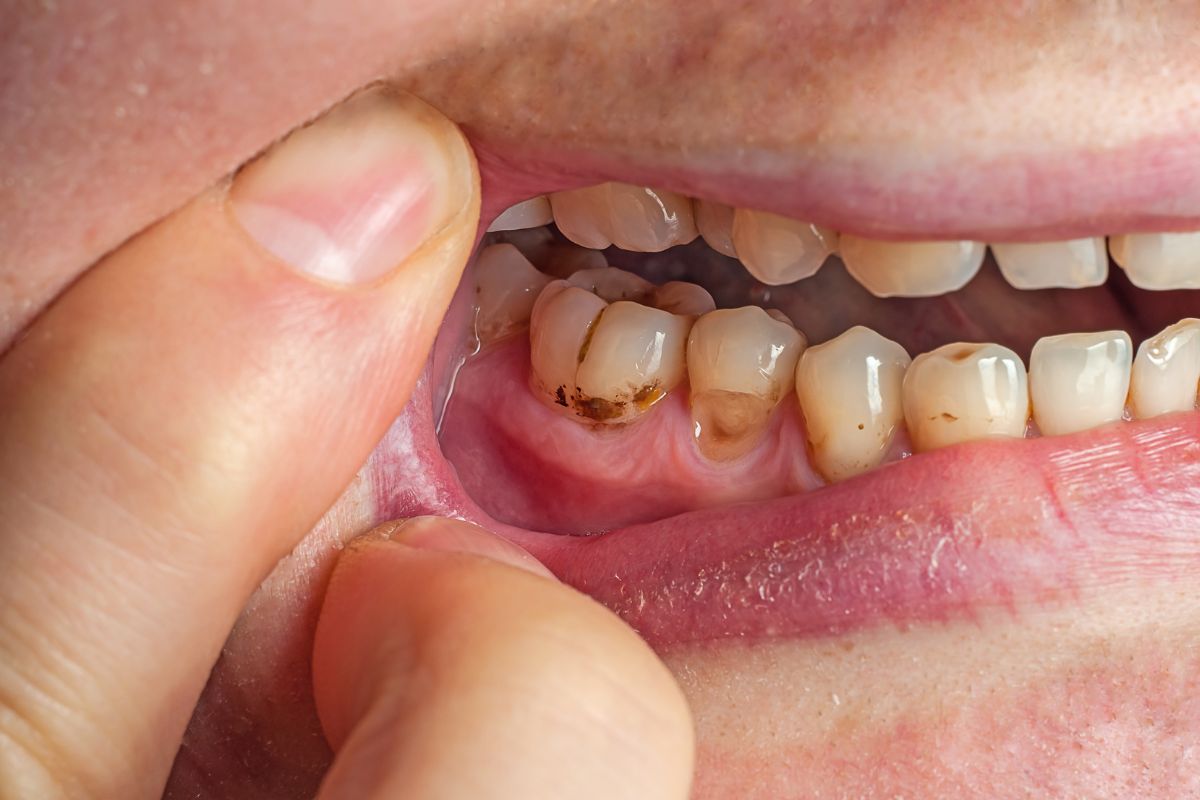
When the pulp inside a tooth dies or becomes severely damaged, blood flow to that area stops. This can cause the tooth to gradually darken, taking on a grayish, yellowish, or brownish tint compared to surrounding teeth.
It Usually Affects Only One Tooth
This discoloration pattern is typically isolated to a single tooth, which helps distinguish it from general staining caused by coffee, tea, or aging. If one tooth looks noticeably different from its neighbors, that’s a meaningful clue.
Discoloration Can Appear Without Pain
Unlike some of the other signs on this list, a darkening tooth doesn’t always come with obvious pain. The nerve tissue may have already died, removing the pain signal even though infection can still be present.
This is exactly why relying on pain alone to judge dental health can be misleading. A tooth can look fine and feel fine while still needing treatment, which brings us to the final sign on this list.
Sign 5: A Recurring or Persistent Toothache
Pain That Comes and Goes
Some patients experience toothaches that fade for a few days, only to return with similar or worse intensity. This cyclical pattern often reflects fluctuating pressure and inflammation inside the tooth.
Pain That Worsens at Night
Many patients notice tooth pain intensifies when lying down, since blood flow to the head increases in this position. Our guide on toothache at night relief covers strategies for managing this until you can be seen.
Pain That Radiates
Tooth pain connected to root infection sometimes radiates toward the ear, jaw, or temple rather than staying confined to the tooth itself. This can make it harder to pinpoint the exact source without a dental exam.
A persistent or recurring ache, even a mild one, deserves attention rather than being brushed off as something that will pass. Now that you know the five key signs, let’s talk about what typically causes them in the first place.
What Causes These Symptoms to Develop
Deep Tooth Decay
Untreated cavities can progressively work their way deeper into a tooth until they reach the pulp. Our guide on signs you have a cavity can help you catch decay earlier, before it reaches this stage.
Cracked or Fractured Teeth
A cracked tooth can allow bacteria to reach the pulp even without a visible cavity. Cracks aren’t always obvious to the naked eye, which is part of why professional evaluation matters.
Repeated Dental Procedures
Teeth that have undergone multiple fillings or other treatments over the years face a higher cumulative risk of pulp irritation. Each procedure adds some stress to the tooth’s internal structure.
Trauma or Injury
A blow to the mouth, even one that happened years earlier, can damage the pulp gradually over time. Some patients are surprised to learn old trauma is connected to a current symptom.
Understanding these root causes helps explain why early evaluation matters so much. Let’s look now at what happens during the diagnostic process itself.
How Dentists Confirm Whether You Need a Root Canal
Clinical Examination
Your dentist will visually examine the tooth and surrounding gum tissue, checking for swelling, discoloration, and visible decay or cracks.
Temperature and Percussion Testing
Applying controlled hot or cold stimulus, along with gentle tapping on the tooth, helps assess how the nerve tissue is responding. Abnormal responses point toward pulp involvement.
Digital X-Rays
Digital x-rays allow your dentist to see below the gumline, revealing infection at the root tip, bone loss, or the extent of decay that isn’t visible during a standard exam.
This combination of tests gives your dentist a clear, accurate picture before recommending treatment. Once a root canal is confirmed as necessary, it helps to know what comes next.
What Happens If You Delay Treatment
Ignoring these signs doesn’t make the underlying problem disappear. In most cases, the infection continues progressing, sometimes silently, until it produces a more serious complication.
Untreated infection can spread to surrounding bone, potentially requiring extraction rather than a simpler root canal. Comparing your options early, as outlined in our article on root canal vs extraction, often reveals that earlier treatment preserves more options.
Delaying care can also increase the overall cost and complexity of treatment. Our breakdown of root canal cost in Toronto explains how earlier intervention tends to be more straightforward, both clinically and financially.
Acting on these warning signs early consistently leads to better outcomes. Let’s wrap up with a clear summary of what to do if any of these signs sound familiar.
What to Do If You Recognize These Signs
If you’re noticing one or more of these five signs, the next step is straightforward: book an evaluation rather than waiting to see if symptoms resolve. Early assessment gives your dentist the clearest opportunity to save the natural tooth.
Bring a clear description of your symptoms to your appointment, including when the pain started, what triggers it, and how long it lasts. This information helps your dentist diagnose the issue efficiently.
Trust your instincts if something feels off, even if the pain seems minor. Small symptoms today are often easier to treat than the larger problems they can become if left unaddressed.
Final Thoughts
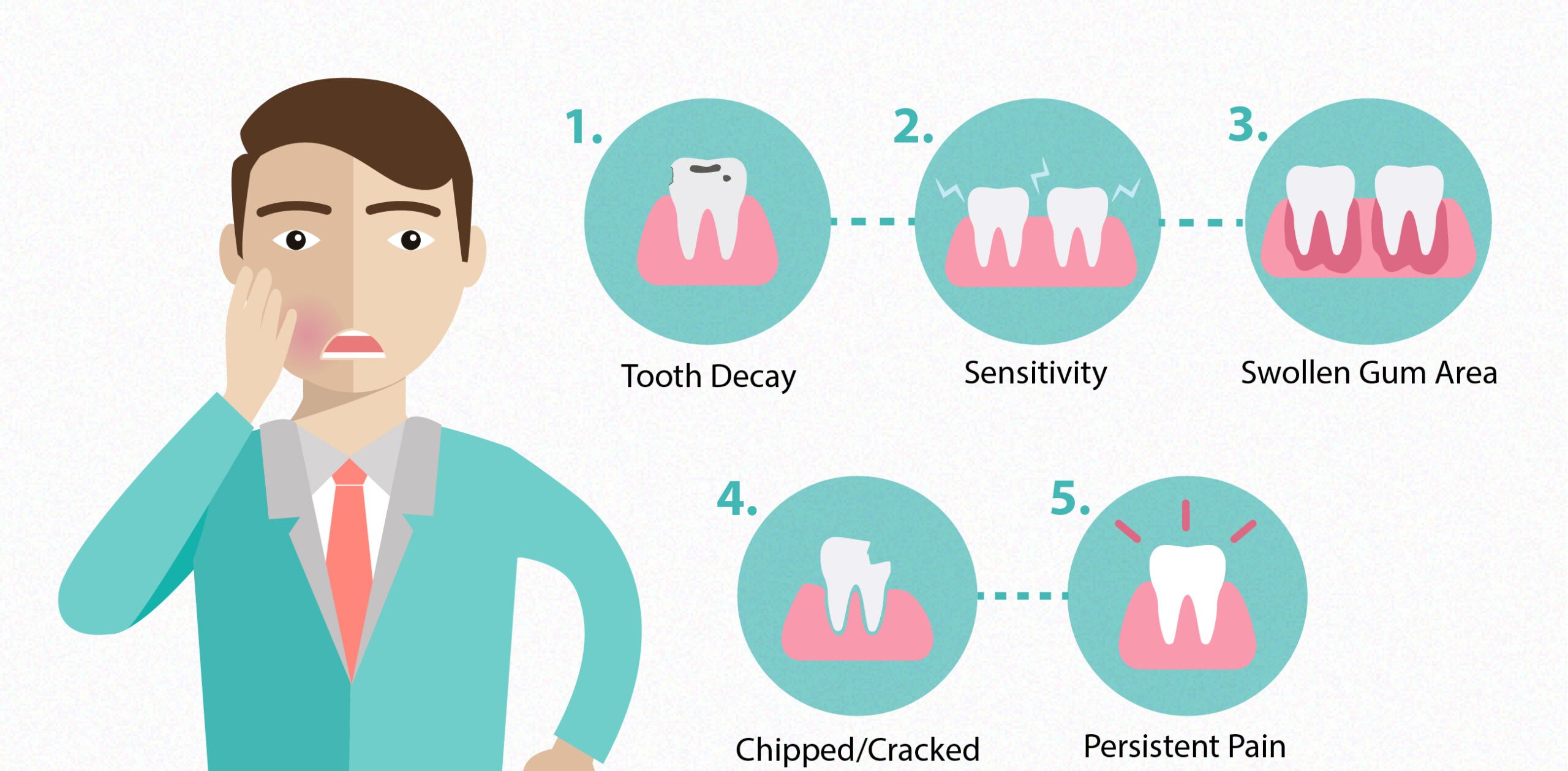
Recognizing the signs you may need a root canal empowers you to act before a manageable issue becomes a painful emergency. Lingering sensitivity, pain when chewing, swelling, discoloration, and persistent aches are all worth taking seriously.
The sooner you have these symptoms evaluated, the more treatment options remain available to you. Don’t wait for pain to become unbearable before reaching out for help.
FAQ
Can you need a root canal without feeling pain?
Yes, some infections progress without significant pain, especially once nerve tissue has died. Discoloration or swelling without pain can still indicate a need for treatment.
How quickly should I see a dentist after noticing these signs?
Ideally within a few days, especially if you notice swelling or pain when biting. Prompt evaluation typically leads to simpler treatment.
Can a toothache go away on its own without a root canal?
Pain may temporarily subside, but this often means the nerve has died rather than healed. The underlying infection typically remains and requires treatment.
Is swelling always a sign of a dental emergency?
Not always, but swelling extending into the face or accompanied by fever should be treated urgently. Localized gum swelling still warrants prompt evaluation.
Does every damaged tooth need a root canal?
No, some cases can be managed with a filling or crown if the pulp isn’t significantly affected. A dental exam is the only reliable way to determine the right treatment.
Notice These Signs in Your Own Mouth?
Don’t wait for tooth pain to worsen. Contact Heritage Dental Studio for a prompt evaluation and find out whether a root canal can save your natural tooth.