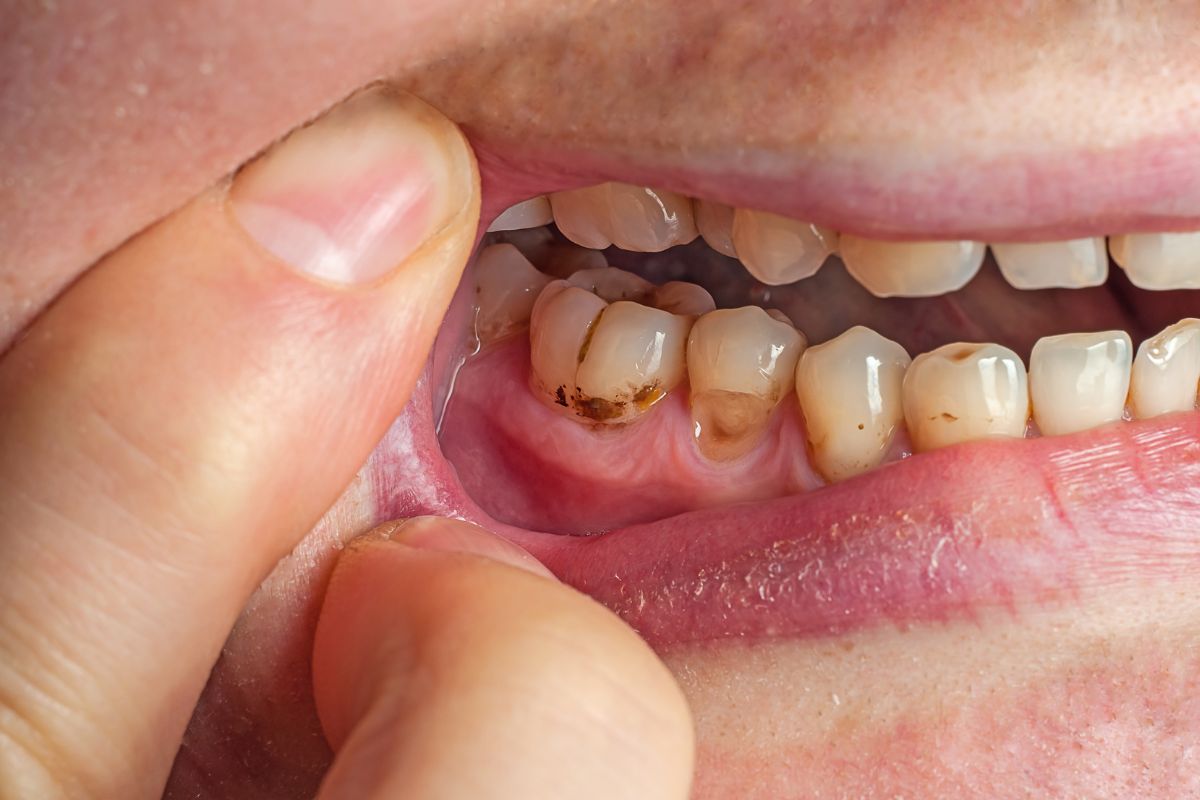
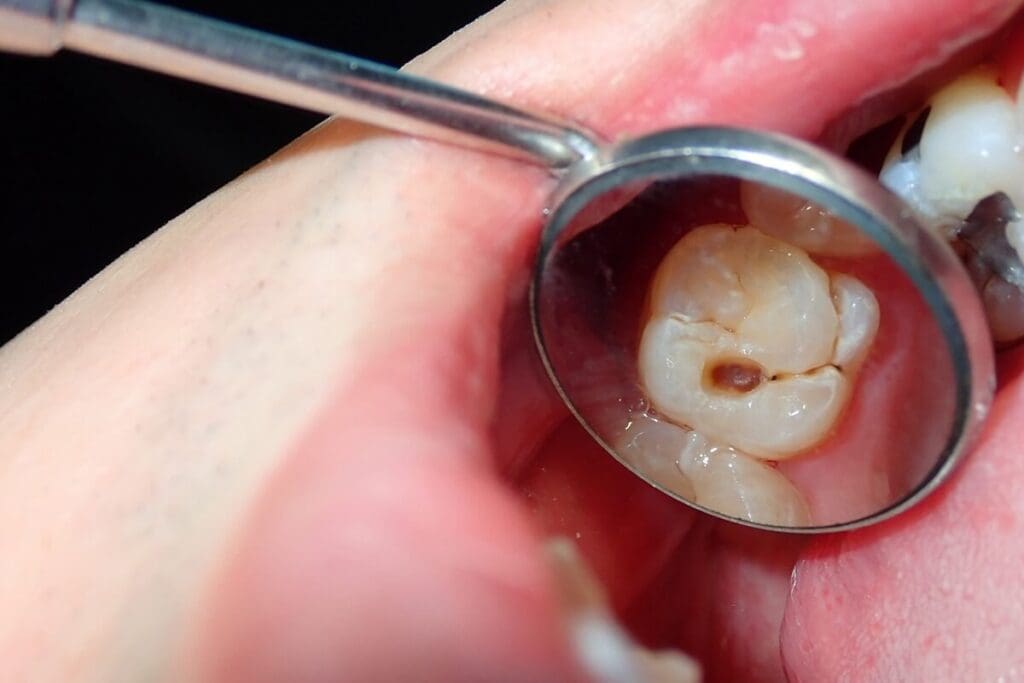
Cavities are one of the most common health conditions in the world, and they’re also one of the most preventable. Despite decades of public health messaging, national data shows tooth decay has barely moved in fifteen years, with just over half of Canadian children aged 6 to 11 having at least one affected tooth in the most recent measurement cycle.
The good news is that prevention doesn’t require anything exotic. It comes down to a handful of daily habits, smart dietary choices, and consistent professional care. This guide from Heritage Dental Studio walks through exactly what actually works, and why some common assumptions about cavity prevention don’t hold up.
Understanding How Cavities Form
Before prevention makes sense, it helps to understand what you’re actually preventing. Cavities don’t appear overnight. They’re the end result of a slow, ongoing process.
The Role of Bacteria and Acid
Bacteria in your mouth feed on sugars and starches, producing acid as a byproduct. That acid gradually wears down tooth enamel, and once enamel is compromised, decay can spread inward.
Why Early Stages Are Reversible
In its earliest form, this process can actually be reversed. Weakened enamel that hasn’t yet broken down into an actual hole can remineralize with the right care, which is why our article on whether a cavity can heal itself is worth a read if you’ve noticed early sensitivity.
Why Prevention Works
Because the process is gradual and driven by identifiable factors like bacteria, sugar exposure, and enamel strength, targeting each of those factors directly reduces your risk substantially.
With that mechanism in mind, the most effective prevention strategies start with the basics.
Brushing the Right Way
Most people brush daily, but technique matters just as much as frequency.
Frequency and Timing
Brushing twice a day, morning and before bed, is the baseline most dentists recommend. Skipping the nighttime brush is particularly costly, since saliva flow drops overnight and leaves bacteria more time to work uninterrupted.
Technique Over Force
Angling the brush at 45 degrees toward the gumline and using gentle, circular motions is more effective than aggressive scrubbing. Heavy pressure can actually wear down enamel and irritate gums without improving cleaning.
Electric vs Manual Brushes
Both can be effective when used correctly, though electric brushes tend to standardize technique for people who struggle with consistency. Our comparison of electric versus manual toothbrushes breaks down which might suit you better.
Brushing alone, however, only reaches part of the tooth surface, which is exactly why flossing plays such a distinct role.
Flossing and Interdental Cleaning
The spaces between teeth are where a toothbrush simply can’t reach effectively.
Why It’s Not Optional
Plaque builds up between teeth just as it does on visible surfaces, and cavities frequently start in these contact points. If you’ve ever wondered whether flossing is truly necessary, our detailed answer in do you need to floss addresses the evidence directly.
Getting the Technique Right
Gently curving the floss around each tooth, rather than snapping it straight down, protects your gums while still clearing debris from the contact points.
Alternatives Worth Considering
Interdental brushes or water flossers can work well for people with braces, bridges, or limited dexterity, though they’re generally a supplement rather than a full replacement for traditional flossing.
Once your daily mechanical cleaning is solid, the next lever worth pulling is diet.
Diet Changes That Reduce Cavity Risk
What you eat, and how often, shapes your cavity risk just as much as your brushing routine.
Frequency Matters More Than Quantity
Constant snacking throughout the day keeps your mouth in an acidic state almost continuously, giving enamel little chance to recover. Concentrating sugar intake around meals, rather than spreading it out, reduces cumulative acid exposure.
Sugar Isn’t the Only Culprit
Starchy foods like crackers and chips break down into sugars in the mouth and can be just as cavity-promoting as candy. Our breakdown of how sugar affects teeth covers the mechanics in more depth.
Foods That Actually Help
Certain foods support saliva production and provide minerals that strengthen enamel. Our guide to the best foods for healthy teeth lists specific options worth adding to your routine.
Diet adjustments pair naturally with another underused prevention tool: fluoride.
Fluoride’s Role in Prevention
Fluoride remains one of the most well-studied tools for cavity prevention, and it works differently than most people assume.
How It Strengthens Enamel
Fluoride helps remineralize enamel that’s been weakened by acid exposure, essentially repairing microscopic damage before it becomes an actual cavity.
Professional Fluoride Treatments
In-office fluoride treatments deliver a concentration well above what toothpaste provides, and they’re not just for kids. Our article on fluoride treatment for adults explains who benefits most.
Everyday Fluoride Sources
Fluoridated toothpaste and, depending on your municipality, fluoridated tap water both contribute to baseline protection throughout the day.
Fluoride works best alongside another preventive tool that specifically targets the most cavity-prone surfaces of your teeth.
Dental Sealants
Sealants are a thin protective coating applied to the chewing surfaces of back teeth, where deep grooves make cleaning difficult.
Why Molars Are High-Risk
The pits and fissures on molars are narrower than a single bristle can effectively clean, making them a common starting point for decay even in people with good brushing habits.
Who Benefits Most
Dental sealants are commonly applied to children’s molars soon after they erupt, though adults with deep grooves and no existing fillings can benefit too. Our guide on sealants for adults covers that option in detail.
How Long They Last
Sealants typically hold up for several years before needing evaluation, and your dentist checks their condition during routine visits.
Between sealants and fluoride, most of the mechanical and chemical prevention tools are covered. What remains is consistent professional oversight.
The Role of Regular Checkups
Even excellent home care benefits from professional monitoring, since early decay isn’t always visible or noticeable to the person experiencing it.
Catching Problems Early
A routine checkup often catches decay before it causes any sensitivity or pain, when treatment is simplest and least invasive.
Professional Cleaning Removes What Brushing Misses
Even meticulous home care leaves some tartar buildup over time. A dental cleaning removes hardened deposits that a toothbrush physically cannot.
X-Rays Reveal Hidden Decay
Cavities between teeth or beneath old fillings often aren’t visible during a visual exam. Digital x-rays catch this hidden decay well before it becomes a bigger problem.
Recognizing the early signs yourself is also a valuable skill, even between checkups.
Recognizing Early Warning Signs
Knowing what to watch for at home helps you act before a small problem becomes a bigger one.
Sensitivity to Sweets or Temperature
Sudden sensitivity, especially to sugar or temperature changes, often signals early enamel breakdown. Our article on sensitive teeth causes and relief explains what to look for.
Visible Discoloration
Small white or brown spots on tooth surfaces can indicate early demineralization, sometimes before an actual cavity has formed.
Persistent Bad Breath
Ongoing bad breath despite good hygiene can occasionally indicate decay, though it has other causes too. If this is a mystery in your case, our guide on signs you have a cavity helps narrow it down.
Even with strong prevention habits, some people remain more cavity-prone than others, which is worth understanding too.
Special Considerations by Age Group
Cavity risk factors shift throughout life, and prevention strategies should shift with them.
Young Children
Baby teeth are more vulnerable to rapid decay, partly due to thinner enamel. Our guide on preventing cavities in kids covers age-specific strategies, including guidance on baby bottle tooth decay.
Teenagers
Orthodontic appliances and inconsistent routines during adolescence can raise cavity risk, making sealants and fluoride particularly valuable during these years.
Adults and Seniors
Receding gums expose root surfaces that are softer and more decay-prone than enamel. Seniors also often deal with dry mouth from medications, a topic covered in our article on dry mouth causes and treatment, which significantly raises cavity risk if left unaddressed.
Understanding your specific risk profile makes it easier to prioritize where to focus your efforts.
Building a Realistic Prevention Routine
Consistency beats perfection when it comes to long-term cavity prevention.
A Simple Daily Framework
Brush twice daily with fluoride toothpaste, floss once a day, and limit sugary snacking between meals. These three habits address the majority of preventable cavity risk.
Layering in Professional Support
Combine that daily routine with checkups every six months, sealants where appropriate, and fluoride treatments if your dentist recommends them based on your risk level.
Adjusting as Life Changes
Pregnancy, new medications, orthodontic treatment, and aging all shift your risk profile. Revisiting your prevention plan periodically with your dentist keeps it relevant.
Prevention isn’t a one-time fix. It’s a routine that adapts as your mouth and circumstances change over time.
Why Prevention Is Worth the Effort
Treating a cavity early, with a simple filling, is far less invasive and less costly than what’s needed once decay reaches the nerve. At that point, treatment options shift toward root canal therapy or, in advanced cases, extraction. Prevention isn’t just about avoiding discomfort. It’s about avoiding a cascade of more complex treatment down the road.
Small, consistent habits genuinely add up. Committing to a solid daily routine, paired with regular professional checkups, is one of the most reliable ways to keep your smile cavity-free for years to come.
FAQ
What is the single most effective way to prevent cavities?
Consistent brushing with fluoride toothpaste twice daily, combined with regular flossing, addresses the majority of cavity risk. No single habit replaces this daily foundation.
Can cavities be prevented with diet alone?
Diet significantly reduces risk, especially limiting frequent sugar exposure, but it works best alongside good brushing, flossing, and professional checkups rather than as a standalone strategy.
Are sealants really necessary if I brush well?
Sealants protect the deep grooves of molars that a toothbrush bristle can’t fully clean, making them a valuable addition even for people with excellent brushing habits.
How often should I see the dentist to prevent cavities?
Most people benefit from a checkup and cleaning every six months, though your dentist may recommend more frequent visits based on your individual cavity risk.
Do adults need fluoride treatments too?
Yes, particularly adults with a history of cavities, dry mouth, or gum recession exposing root surfaces, since these factors all raise decay risk beyond childhood.
Ready to Strengthen Your Cavity Prevention Routine?
If it’s been more than six months since your last checkup, or you’d like a personalized prevention plan, book a visit at Heritage Dental Studio. A little professional guidance now can save you a lot of treatment later.