

You take a sip of iced water and one tooth lights up. Or a spoonful of ice cream turns a pleasant moment into a wince.
If you have asked yourself, “why are my teeth sensitive?”, you are far from alone. Sensitive teeth are common, treatable, and often a useful early warning.
This guide explains what sensitive teeth are, what causes them, what your triggers reveal, and what actually brings relief. You will also learn which signs mean it is time to call a dentist.
What Is Tooth Sensitivity, and How Common Is It?
Tooth sensitivity is a short, sharp pain when a tooth meets cold, heat, sweetness, acid, or touch. It usually fades within seconds once the trigger is gone.
Dentists call the most common form dentin hypersensitivity. It appears when the protective layers over your teeth are compromised.

How Sensitivity Works
Enamel covers the crown of your tooth, and a thin layer of cementum covers the root. Beneath both sits dentin, which contains tiny channels that lead toward the nerve.
A 2024 clinical paper explains that dentin’s natural sensitivity is not a problem when it is protected, but enamel erosion, gum recession, and other factors can expose the tubules.
Once those channels are open, temperature and chemical changes reach the nerve quickly. That is the sharp zing you feel.
How Common Are Sensitive Teeth?
Estimates vary widely. The same 2024 paper cited a meta-analysis that reported a population prevalence of 11.5% for dentin hypersensitivity.
A separate review reported a range from 3% to 73%, with higher rates in females. Different populations and definitions explain the spread.
Why Many People Live With It
Sensitivity is often underdiagnosed. Consensus recommendations quoted in the paper warn that the condition is underdiagnosed.
The same paper notes that discomfort can limit food choices and even affect the oral care routines people follow. Living with it is not necessary.
Sensitivity vs Other Tooth Pain
Sensitivity is brief and triggered. Pain that lingers, throbs, or appears without a trigger is different and deserves prompt attention.
We cover that distinction later in this guide. First, let’s look at why it happens in the first place.
Why Are My Teeth Sensitive? The Most Common Causes
Sensitive teeth almost always trace back to exposed dentin, but there are many ways to get there. Here are the causes dentists see most often.
Worn Enamel and Erosion
Acid dissolves enamel over time. Researchers define erosion as chemical loss of tooth tissue without bacteria, and it can thin enamel across broad surfaces.
Our detailed guide to enamel erosion causes and prevention shows how everyday drinks and reflux contribute.
Receding Gums
When gums pull back, root surfaces become exposed. Roots lack enamel, so they react to temperature quickly.
A JADA review linked recession to sensitivity and root decay. Read our guide to what causes receding gums for prevention steps.
Brushing Too Hard
Aggressive scrubbing can wear enamel and gum tissue. A 2025 narrative review examined how toothbrushing relates to recession and tooth wear.
If your brush bristles splay out quickly, you may be pressing too hard. Try our steps for brushing and flossing correctly.
Grinding and Clenching
Grinding wears enamel flat and can create tiny cracks. It can also irritate the ligament around teeth, making them feel tender.
Our guide to teeth grinding and bruxism explains warning signs, and night guards for grinding can protect your teeth.
Cracked Teeth
A crack lets fluid move inside the tooth, which triggers sharp pain, especially when you bite and release. The pain can be hard to pin down.
Learn more in our article on cracked tooth symptoms and treatment.
Cavities and Old Fillings
Decay can open a path to dentin, and worn or leaking fillings can do the same. Sweet foods often set off this kind of sensitivity.
See our guide to signs you have a cavity, and read how long fillings last to judge whether an older one needs attention.
Gum Disease
Inflamed gums and bone loss can expose roots and irritate nearby tissues. Canadian data shows gum health is a real concern, since Statistics Canada reported that 83% of adults showed bleeding on probing in 2022 to 2024.
Our guide to the signs of gum disease helps you spot trouble early.
Recent Dental Work or Whitening
Temporary sensitivity can follow fillings, cleanings, and whitening. It usually settles, but it is worth knowing what is normal.
We cover this in a later section, along with tips to reduce discomfort.
Knowing the causes is useful, but your triggers can narrow things down even further.
The Trigger Decoder: What Your Sensitivity Is Telling You
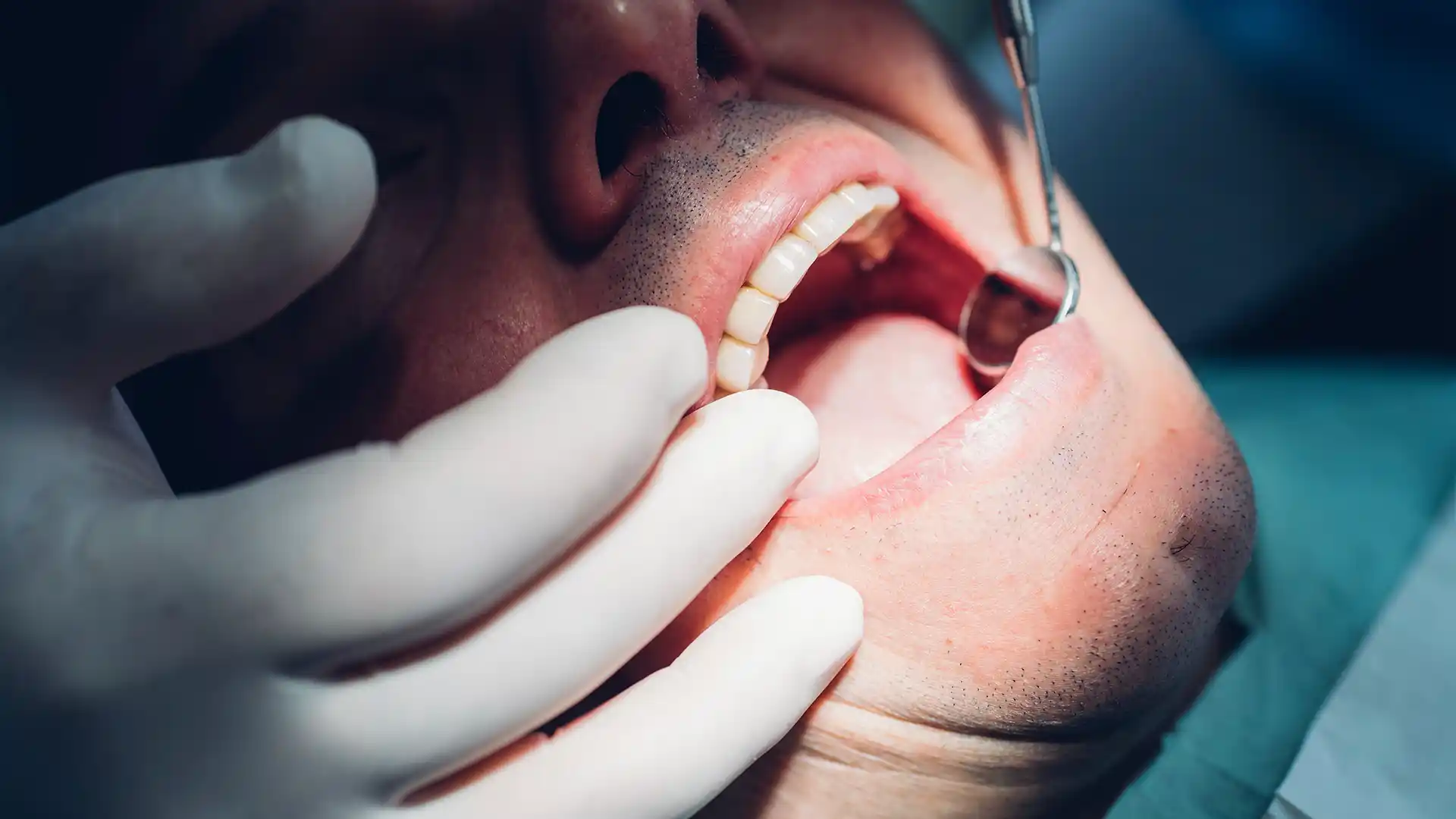
The pattern of your sensitivity can point to the likely cause. Think of these clues as a conversation starter with your dentist, not a diagnosis.
Sensitive to Cold
Cold sensitivity is the most common complaint. It often suggests exposed dentin from erosion, recession, or wear.
A quick zing that fades in seconds is typical of dentin sensitivity. A lingering ache after cold is a different pattern that needs a professional look.
Sensitive to Heat
Heat sensitivity that lingers can point to a problem within the nerve. It is less common than cold sensitivity, and it can be a warning sign.
If hot drinks trigger pain that lasts more than a minute, book an exam soon. Our guide to signs you need a root canal explains what to watch for.
Sensitive to Sweets
Sweet triggers often relate to cavities, leaking fillings, or exposed roots. The sugar draws fluid through open channels in dentin.
If sweets bother one tooth in particular, get it checked promptly. Early cavities are simpler to treat.
Sensitive When You Bite
Pain on biting or releasing can indicate a crack, a high filling, or an infected tooth. It is more specific than general sensitivity.
Read our article on cracked tooth symptoms and treatment, and call if the pain persists.
Sensitive to Brushing or Cold Air
Pain when brushing near the gumline or breathing in cold air often points to exposed roots. It is very common with recession.
A softer brush and desensitizing toothpaste can help while you address the cause.
One Tooth vs Many Teeth
Sensitivity across many teeth often relates to widespread erosion, brushing habits, or recession. Sensitivity in one tooth is more likely a cavity, crack, or old filling.
That distinction is a useful clue you can share at your appointment.
A Quick Zing vs a Lingering Ache
A short zing that stops when the trigger ends is usually dentin sensitivity. An ache that lingers, throbs, or wakes you at night is different.
Our guide to toothache at night relief explains that pattern and when to act.
Some patterns are more than a nuisance, so let’s look at when sensitivity deserves urgent care.
When Sensitive Teeth Are a Warning Sign
Most sensitivity is manageable, but some patterns suggest infection or nerve damage. Do not wait if you notice any of the following.
Signs You Should Book Soon
- Pain that lingers for minutes after a trigger
- Throbbing or spontaneous pain without a trigger
- Pain that wakes you at night
- Swelling in the gum or face
- A pimple-like bump on the gum
- Pain when biting down
Possible Infection
An abscess is a pocket of infection that can cause severe pain, swelling, and fever. It needs prompt care.
Our guide to abscessed tooth symptoms and article on whether a dental abscess is an emergency explain what to look for.
When It Is an Emergency
Swelling that spreads, fever, or trouble swallowing should be treated as urgent. Visit our emergency dentistry page, and read when tooth pain is an emergency.
Call emergency services if you have trouble breathing or swallowing.
If your symptoms are mild, there is a lot you can do at home to feel better.
Home Relief for Sensitive Teeth
Simple changes often reduce sensitivity within weeks. Consistency matters more than any single product.
Use a Desensitizing Toothpaste
Not all desensitizing toothpastes work the same way. A review of 31 trials with 2,436 patients found evidence supporting potassium, stannous fluoride, arginine, and calcium sodium phosphosilicate, but not strontium.
In a small trial, a 5% potassium nitrate toothpaste lowered median sensitivity scores from 6 to 0 versus 5 to 4 for placebo.
What the Newest Research Adds
A 2024 randomized trial of 120 participants found that a stannous fluoride toothpaste reduced tactile hypersensitivity by 79.8% versus a potassium nitrate product after seven days.
It is a single trial, so treat it as one data point. Still, it shows how quickly newer formulas may act.
How to Use It
Brush gently for two minutes, twice a day, with a pea-sized amount. Educational material on desensitizing agents notes that stannous fluoride can stain teeth or fillings in some people.
Give any product several weeks before deciding it does not work. Ask your dentist which type suits you best.
Switch to a Soft Brush
A soft brush and light pressure reduce wear at the gumline. Our comparison of electric vs manual toothbrushes can help you decide what works for you.
Adjust Temperature and Acid
Let very cold drinks warm slightly, or use a straw. Reduce frequent acidic drinks that keep enamel soft.
Our guide to how sugar affects teeth shows how frequent snacking adds to the problem.
Pause Whitening Until Things Settle
Whitening can temporarily increase sensitivity. If your teeth are already sensitive, talk with your dentist before starting.
Read whether teeth whitening is safe to learn what to expect.
Home care helps many people. If yours is not enough, professional options go further.
Professional Treatments for Sensitive Teeth
Dentists have several tools that go beyond over-the-counter products. The right one depends on your cause.
Fluoride Varnish and In-Office Desensitizers
Professional fluoride can reduce sensitivity and strengthen surfaces. One dental education article notes that the most recognized use of fluoride varnish in adults is dentin desensitization.
Read our guide to fluoride treatment for adults, or explore fluoride treatment and sealants at our clinic.
Bonding and Sealing Exposed Areas
Bonding material can cover exposed dentin at the gumline. It blocks stimuli and can also improve appearance.
Our dental bonding guide explains how this option works.
Fillings and Crowns
If decay or a crack is causing sensitivity, a filling or crown may be needed. Our article on dental crown vs filling helps you compare.
You can also learn about tooth-coloured fillings and crowns and bridges.
Gum Grafting for Recession
For significant recession, grafting can cover exposed roots. The JADA review reports these treatments typically improve appearance, reduce sensitivity, and lower root decay risk.
Night Guards
If grinding drives your sensitivity, a custom guard protects teeth from wear. It also reduces strain on your jaw.
Root Canal Treatment
When the nerve is inflamed or infected, a root canal can remove the pain source and save the tooth. Read about root canal treatment and whether a root canal is painful.
Sometimes sensitivity appears right after dental work, so let’s cover that scenario.
Sensitive Teeth After Dental Work
Temporary sensitivity after treatment is common and usually settles. Knowing what is normal keeps you calm.
After a Filling
A tooth can feel sensitive to cold or biting for days to weeks after a filling. Our guide to sensitivity after a filling explains typical timelines and when to call.
If a filling feels high or the pain worsens, get it adjusted.
After a Cleaning
Deep cleaning can expose sensitive root surfaces as buildup is removed. It often settles within days.
Learn what to expect in our guide to scaling and root planing.
After Whitening
Whitening gels can penetrate enamel and irritate the nerve temporarily. Sensitivity typically fades after treatment ends.
Our comparison of at-home vs professional whitening can help you choose a gentler approach.
Many people wonder whether their sensitivity will ever disappear, so let’s address that directly.
Can Sensitive Teeth Go Away?
Often, yes, but it depends on the cause. Some causes resolve, and others need ongoing management.
Causes That Often Improve
Sensitivity from temporary irritation, recent dental work, or plaque buildup often settles with time and better care. Desensitizing products help along the way.
Causes That Need Ongoing Care
Worn enamel and recession do not reverse on their own. You can stop progression and manage symptoms, but protection is a long-term habit.
A Realistic Timeline
Many people notice improvement within a few weeks of consistent care. Persistent or worsening sensitivity deserves a professional exam.
Long-term relief comes from daily habits, so let’s build a routine.
Everyday Habits That Keep Sensitivity Away
Prevention is simple and cost-effective. These habits protect enamel and gums.
Brush Gently and Consistently
Use a soft brush, light pressure, and small circles. Replace brushes or heads every three months or when bristles fray.
Clean Between Teeth
Plaque between teeth inflames gums and can lead to recession. Our article on whether you need to floss explains your options.
Support Saliva
Saliva neutralizes acid and protects teeth. If your mouth is often dry, read our guide to dry mouth causes and treatment.
Eat for Tooth Health
Choose foods that support saliva and provide minerals. Our list of the best foods for healthy teeth has easy ideas.
Keep Regular Checkups
Routine check-up and preventive dentistry visits catch problems early. Our guide to how often to get your teeth cleaned can help you plan.
Before we look at mistakes, it helps to understand how dentists actually work out why a tooth is sensitive.
How Dentists Diagnose Sensitive Teeth
Diagnosis is a process of elimination. Your dentist looks for the specific cause behind your pattern, then chooses the simplest effective treatment.
The Conversation Comes First
Expect questions about triggers, timing, and duration. Which tooth or area? Is it cold, heat, sweet, or biting? Does the pain fade quickly or linger?
Bring notes if you can. A short symptom diary is often more useful than memory during an appointment.
The Exam
Your dentist will check gum levels, enamel wear, old fillings, and signs of grinding. They may test teeth with cold air or a cold stimulus to reproduce your symptoms.
They may also tap or bite-test individual teeth to find a crack or a bite problem. Our guide to what happens at a dental checkup walks through the typical steps.
X-Rays and Imaging
X-rays reveal decay between teeth, bone loss, and infection at the root tip. Our digital X-rays provide detailed views of teeth and bone.
If you have concerns, read our article on whether dental X-rays are safe.
Why the Underlying Cause Matters
Treating sensitivity without finding the cause is like silencing a smoke alarm without checking for smoke. A 2024 paper reminds readers that hypersensitivity develops when erosion, recession, or other factors expose dentin.
That is why a proper diagnosis is worth the short appointment.
Some situations change how sensitivity should be handled, so let’s look at a few.
Sensitive Teeth in Special Situations
Life changes can make teeth more reactive. Knowing what to expect helps you respond calmly.
During Pregnancy
Hormonal changes can make gums more sensitive and inflamed. Morning sickness can also expose teeth to acid.
Our guide to dental care during pregnancy explains safe care and helpful habits.
As You Get Older
Recession becomes more common with age. The JADA review reported that 88% of people 65 and older had at least one site with recession.
Our resource on dental care for seniors offers practical routines for comfort and protection.
With Dry Mouth or Certain Medications
Less saliva means less protection from acid and bacteria. If your mouth feels dry, ask your dentist to review possible causes.
Our article on dry mouth causes and treatment is a useful starting point.
With Diabetes or Other Health Conditions
Health conditions can affect gum health, which in turn affects sensitivity. Our overview of diabetes and oral health explains the link.
Tell your dentist about medical conditions, so your plan reflects your whole health.
During Stressful Periods
Stress often increases clenching, and clenching increases sensitivity. Our article on stress and oral health explains how to break the cycle.
Whatever your situation, the food and drink choices you make each day play a big role.
Foods and Drinks: What to Enjoy and What to Limit
You rarely need a strict diet for sensitivity. Small adjustments in timing and frequency can go a long way.
Foods That Tend to Help
Dairy, crunchy vegetables, and water support saliva and provide minerals. Our list of the best foods for healthy teeth has more ideas.
Sugar-free gum can also stimulate saliva flow between meals.
Foods and Drinks That Can Aggravate Sensitivity
Ice-cold drinks, very hot beverages, and sticky sweets are common triggers. Acidic foods can also soften enamel, since laboratory work shows that acidic beverages have erosive potential.
You do not need to avoid them entirely. Try a straw, drink with meals, and rinse with water afterwards.
Timing Matters as Much as Type
Frequent sipping keeps teeth in an acidic environment. Grouping drinks into a shorter window gives saliva time to recover.
Our guide to managing teeth stains from coffee and wine includes simple swaps that protect enamel too.
The Cost of Ignoring Sensitive Teeth
Sensitivity feels minor until it starts changing your habits. That is often the moment to act.
Limited Food Choices
Avoiding cold drinks, fruit, or sweets may seem harmless. Yet the 2024 clinical paper notes that discomfort can limit dietary choices and affect care routines.
Skipping Brushing Near Sensitive Spots
Many people avoid brushing a sensitive area, which lets plaque build up. That can worsen gum irritation and decay.
Using a desensitizing toothpaste and a soft brush lets you keep cleaning without pain.
Missing Serious Problems
Sensitivity that comes from a crack, a cavity, or an infected nerve does not improve on its own. Waiting can turn a simple filling into a crown or root canal.
Our guide to signs you need a root canal explains when a tooth needs more than surface care.
Questions to Ask Your Dentist About Sensitivity
Come prepared and your visit will be far more productive. These questions are a good start.
- Which tooth or teeth are causing my sensitivity?
- Is it enamel wear, recession, decay, or a crack?
- Which toothpaste ingredient do you recommend for me?
- Would fluoride varnish or bonding help?
- Could grinding be involved, and do I need a guard?
- What should I do if sensitivity gets worse?
Follow Up
Ask when you should expect improvement, and when to come back. A clear timeline keeps you from guessing.
Now let’s look at a few mistakes that can keep sensitivity going.
Sensitivity Mistakes to Avoid
Small missteps can make sensitivity last longer than it needs to. Watch out for these.
- Scrubbing harder because your teeth “feel dirty”
- Rinsing right after desensitizing toothpaste, which removes the product
- Using abrasive whitening pastes on exposed roots
- Ignoring one tooth that hurts more than the rest
- Sipping acidic drinks all day
- Skipping checkups because the pain “comes and goes”
Do Not Self-Diagnose for Too Long
If home care does not help within a few weeks, book an exam. A quick check can save you from a bigger problem later.
Our pricing and fees and insurance and payment pages explain how we help with costs.
Get Lasting Relief From Sensitive Teeth
Sensitive teeth happen when dentin is exposed, whether from worn enamel, receding gums, grinding, cracks, or decay. The pattern of your triggers helps point to the cause.
Start with a gentle routine, a desensitizing toothpaste, and smarter drinking habits. Then book an exam if pain lingers or focuses on one tooth.
You do not have to live with wincing at every sip. Book a visit this week, and take the first step toward comfortable eating, drinking, and smiling.
FAQ
Why are my teeth suddenly sensitive?
Sudden sensitivity can follow enamel wear, gum recession, a new cavity, a cracked tooth, whitening, or dental work. If it affects one tooth or lingers, see a dentist to identify the cause.
Do sensitive teeth mean I have a cavity?
Not always. Erosion, recession, and brushing habits commonly cause sensitivity. Sweet-triggered pain in one tooth can suggest a cavity, so a quick exam helps tell the difference.
What is the best toothpaste for sensitive teeth?
Research supports potassium, stannous fluoride, arginine, and calcium sodium phosphosilicate formulas, per a review of 31 trials. Use consistently for several weeks.
Can sensitive teeth be cured permanently?
Some causes resolve, while others need ongoing care. Bonding, grafting, or restoration can provide lasting relief when the cause is fixed, and good habits prevent recurrence.
When should I see a dentist for sensitive teeth?
Book a visit if pain lingers, wakes you at night, affects one tooth, or comes with swelling. Our guide to when tooth pain is an emergency can help.
Ready for Comfortable Teeth Again?
A short exam can uncover why your teeth are sensitive and what will actually help. You will leave with a clear plan, not guesswork.
Book a visit at Heritage Dental Studio in downtown Toronto, and meet Dr. Roz Kamran and our team for a gentle, thorough assessment.


