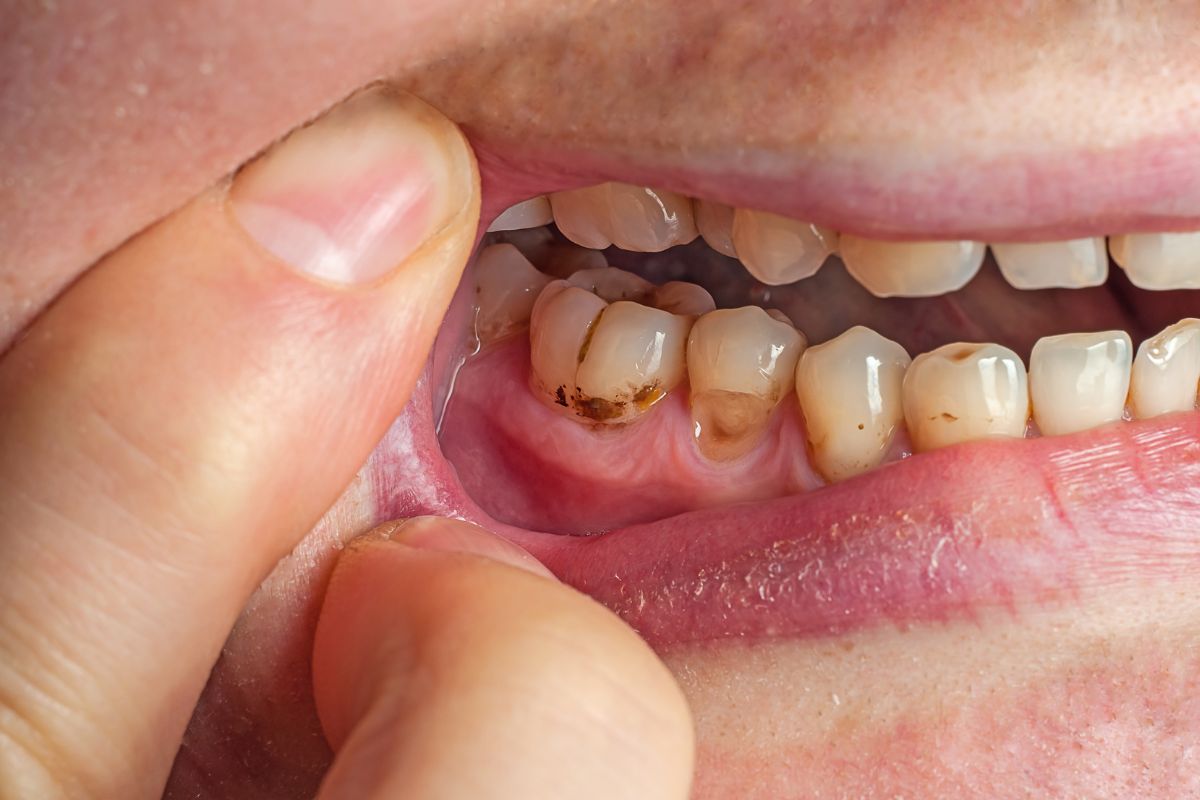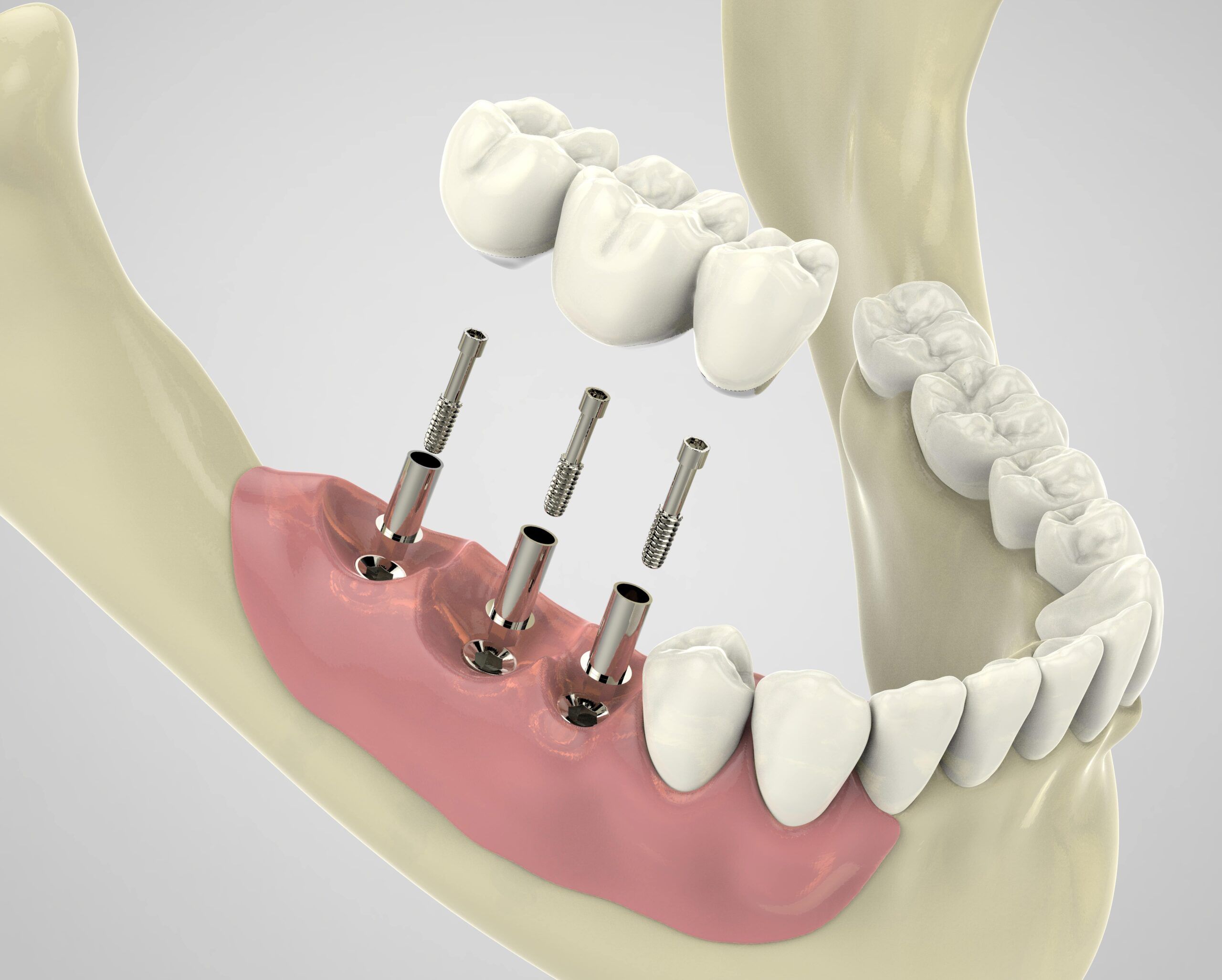
Hearing that you need dental work is stressful enough without also having to figure out whether your dentist is recommending a filling or a crown, and why. The dental crown vs filling decision comes down to how much healthy tooth structure remains once the decay or damage is removed.
At Heritage Dental Studio, we walk every patient through this reasoning before treatment begins, because understanding the “why” behind a recommendation builds real trust.
This guide explains how dentists decide between the two, what each procedure actually involves, and how to know which one your tooth likely needs before you even sit in the chair.
The Core Difference Between a Filling and a Crown
A filling repairs a small to moderate area of damage by filling in the missing portion of the tooth with composite resin or another restorative material, while leaving the rest of the natural tooth structure intact and exposed.
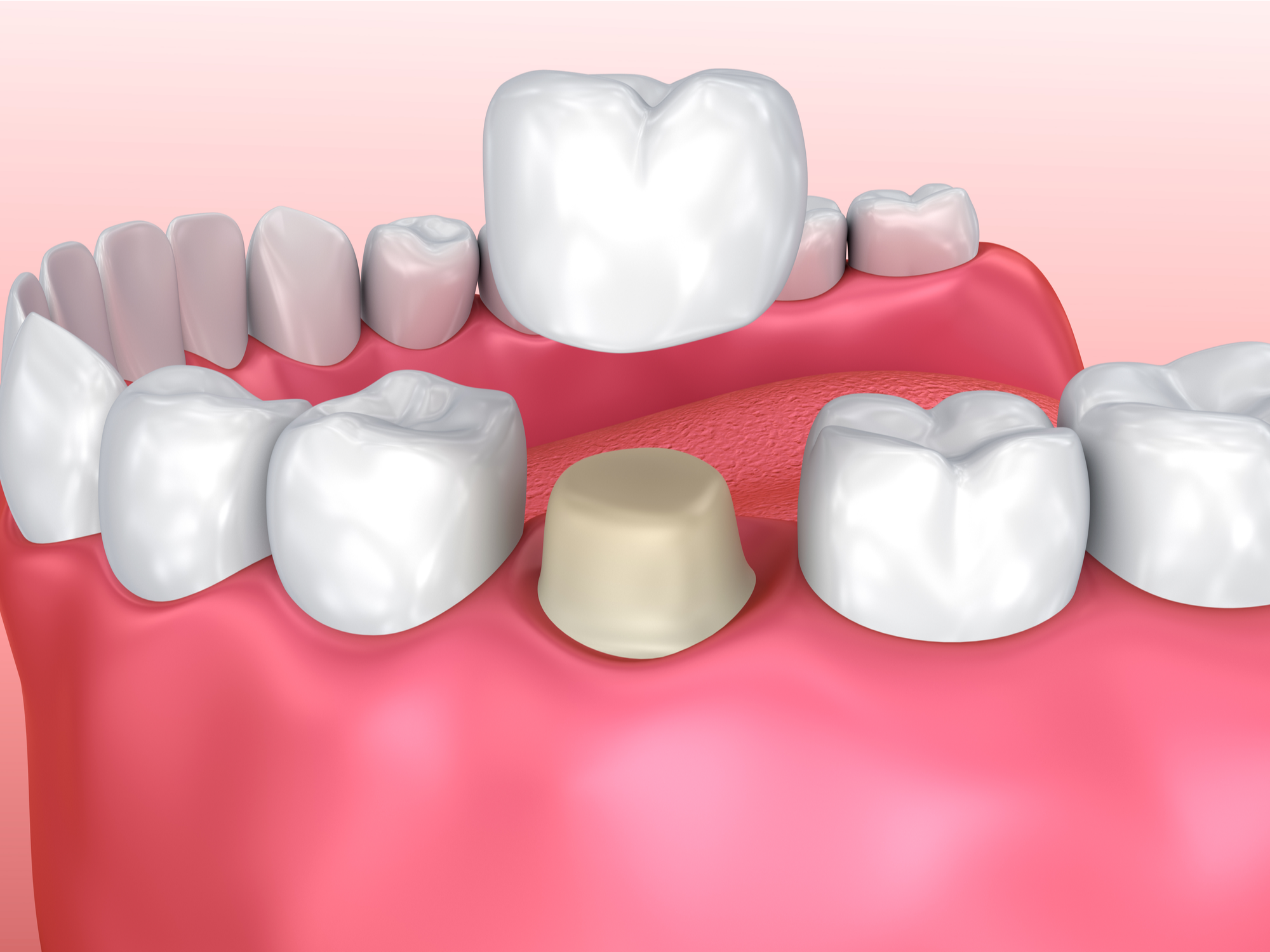
A crown, by contrast, covers the entire visible portion of the tooth above the gum line, essentially replacing the outer surface with a durable cap shaped like the original tooth.
Think of a filling as patching a hole and a crown as replacing the whole outer shell. The decision between them hinges almost entirely on how much of that original shell is left standing.
Understanding that core distinction makes the rest of the decision-making process much easier to follow.
When a Filling Is the Right Choice
Small to Moderate Cavities
If decay is caught early and hasn’t spread deep into the tooth, a filling is typically all that is needed. The dentist removes the decayed material and fills the space, restoring the tooth’s shape and function in a single visit.
Minor Chips or Fractures
A small chip that does not compromise the tooth’s overall structural integrity can often be repaired with composite bonding material in a similar process to a filling. Our guide on how to fix a chipped tooth covers this scenario in more depth.
Cavities Between Teeth
Interproximal cavities, the kind that form between two teeth, are frequently treated with fillings as long as the decay has not progressed into a larger portion of the tooth.
Fillings work well specifically because they conserve tooth structure, which is always the preferred outcome when it is clinically appropriate. But there is a point where a filling stops being enough.
When a Crown Becomes Necessary
Extensive Decay
When a cavity has destroyed a large percentage of the tooth’s original structure, there simply is not enough healthy tooth left to support a filling reliably. A crown provides the strength and coverage that a filling cannot in this situation.
After a Root Canal
Teeth that have undergone root canal treatment often become more brittle over time since the blood supply to the tooth has been removed. A crown protects the treated tooth from fracturing under normal biting force. Our detailed page on getting a crown after a root canal explains why this step is so often recommended.
Cracked Teeth
A tooth with a significant crack, especially one that extends below the gum line or into the chewing surface, generally needs the full coverage a crown provides to prevent the crack from spreading further. Our article on cracked tooth symptoms and treatment walks through how these cases are typically identified.
Severely Worn Teeth
Teeth worn down by years of grinding, acid erosion, or general wear sometimes need the rebuilt height and protective coverage a crown offers, particularly when multiple teeth are affected.
Cosmetic and Structural Combination Cases
Sometimes a tooth needs both a stronger structure and a better appearance at once, particularly a heavily filled or discolored tooth in the front of the smile, which is where a crown often serves both purposes simultaneously.
Once you understand these categories, the natural next question is how your dentist actually determines which situation applies to your tooth.
How Dentists Decide: The Clinical Factors
Percentage of Remaining Tooth Structure
As a general guideline, if less than half of the original tooth structure remains healthy after removing decay, a crown typically offers a more predictable, longer-lasting outcome than a large filling would.
Location and Bite Force
Molars absorb significantly more chewing force than front teeth. A large filling on a molar under heavy bite pressure is more likely to fracture over time than the same-sized filling on a front tooth.
Cracks and Fracture Lines
Any visible or suspected crack changes the calculation substantially, since a filling does nothing to stabilize a crack, while a crown’s full coverage can prevent the fracture from worsening.
Your Bite and Grinding History
If you clench or grind your teeth, your dentist factors that habit into the decision, since it increases the stress placed on any restoration, filling or crown alike.
X-Ray Findings
Digital imaging often reveals the true extent of decay beneath the visible surface, which is why your dentist relies on digital X-rays to make an accurate recommendation rather than guessing from a visual exam alone.
With the clinical reasoning covered, let’s look at what each procedure actually involves in the chair.
What Happens During a Filling Appointment
A filling is typically completed in a single visit. Your dentist numbs the area, removes the decayed tissue, shapes the remaining tooth structure, and places the filling material in layers if composite is used.
The material is then shaped and polished to match your natural bite, and you can generally return to normal eating once the numbness wears off. Our guide on what to expect getting a filling covers the appointment in more detail.
Most patients experience little to no downtime, and any sensitivity that follows tends to resolve within a few days to a couple of weeks.
What Happens During a Crown Procedure
A traditional crown typically requires two appointments. During the first visit, your dentist prepares the tooth by removing a thin layer of the outer surface to make room for the crown, takes an impression or digital scan, and fits you with a temporary crown.
The permanent crown is custom-made, often at a dental lab, and cemented into place during your second visit, usually one to two weeks later.
Some clinics offer same-day crown technology that allows the entire process to be completed in a single appointment using in-office milling equipment. Our article on same-day crowns and CEREC technology explains how that accelerated process works.
Understanding the appointment structure naturally leads to questions about cost, which is often the deciding factor for patients weighing their options.
Cost Comparison: Fillings vs Crowns
Fillings are generally the more affordable option, reflecting the shorter procedure time and simpler materials involved.
Crowns cost considerably more, which reflects the custom fabrication, laboratory work in many cases, and the additional appointment time required to prepare and fit the restoration properly.
For patients using the Canadian Dental Care Plan, both fillings and crowns are eligible for coverage, though crowns typically require preauthorization before treatment can proceed, according to the plan’s published federal guidelines. Our page on what the CDCP covers explains this preauthorization process in plain language.
While cost matters, choosing a filling when a crown is truly needed can end up costing more in the long run if the tooth fails and requires more extensive treatment later.
The Risk of Under-Treating a Tooth
It can be tempting to choose the less expensive, less invasive option, but placing a filling in a tooth that genuinely needs a crown often leads to premature failure.
An oversized filling in a weakened tooth carries a higher risk of fracturing under normal chewing pressure, sometimes splitting the tooth in a way that makes it unsalvageable.
This is why your dentist’s recommendation matters so much here. A conservative approach that preserves your natural tooth is always preferred when clinically appropriate, but a crown recommended out of genuine necessity is protecting your long-term oral health, not upselling you.
If a tooth does end up too damaged to save even with a crown, the conversation shifts toward extraction and replacement options, which brings a different set of considerations entirely.
What If the Tooth Is Too Damaged for Either Option?
In some cases, decay or fracture has progressed so far that neither a filling nor a crown can reliably save the tooth. When that happens, your dentist will discuss tooth extraction as the next step, along with replacement options like a bridge or implant.
This outcome is uncommon when dental problems are caught early, which underscores why routine checkups matter so much in preventing a small cavity from progressing to this point.
Living With a Crown: Long-Term Care
Crowns are built to last many years, though they still require the same daily care as your natural teeth. Brushing along the gumline where the crown meets your natural tooth prevents decay from forming at that margin.
Flossing around a crown is just as important, since decay can still develop on the tooth underneath if plaque accumulates at the edges. Our guide on how long crowns typically last outlines the factors that influence a crown’s lifespan.
If you grind your teeth, a night guard can meaningfully extend the life of a crown by reducing the repetitive stress placed on it while you sleep.
Living With a Filling: Long-Term Care
Fillings also benefit from consistent oral hygiene and routine dental checkups, which allow your dentist to monitor the margins for any signs of new decay forming underneath.
Avoid using your teeth as tools to open packaging, and be mindful of very hard foods, both of which can chip or dislodge a filling over time regardless of the material used.
Regular professional cleanings help catch small problems with a filling before they progress to the point where a crown becomes necessary. Our article on types of dental crowns is worth a read if you want to understand your options in advance, even if a crown is not needed today.
A Simple Way to Think About the Decision
If you picture your tooth as a house, a filling repairs a section of drywall, while a crown replaces the entire roof. Both protect what is inside, but they are used for very different levels of damage.
Your dentist’s job is to identify exactly how much of the original structure is worth preserving and to recommend the option that gives your tooth the best chance of lasting for decades, not just the next few years.
That perspective is worth keeping in mind the next time you hear either recommendation, since both procedures share the same underlying goal: saving your natural tooth for as long as possible.
Types of Crowns and How They Differ From Fillings
Porcelain and All-Ceramic Crowns
These crowns are prized for their natural, tooth-like translucency, making them a popular choice for front teeth and any tooth visible in your smile. Unlike a composite filling, which blends into existing tooth structure, a ceramic crown replaces the entire visible surface with a custom-fabricated shell.
Porcelain-Fused-to-Metal Crowns
This style combines a metal substructure for strength with a porcelain outer layer for appearance, offering a middle ground between durability and aesthetics that some dentists still recommend for molars under heavy bite force.
Zirconia Crowns
Zirconia has become increasingly popular for its combination of strength and a reasonably natural appearance, making it suitable for both front and back teeth in many cases.
Gold and Metal Alloy Crowns
Less common cosmetically but still used in specific situations, metal crowns offer exceptional durability and are sometimes recommended for back molars where appearance is not a priority and maximum strength is.
Understanding these material options helps explain why a crown recommendation often comes with a follow-up conversation about which type suits your specific tooth and priorities, something a filling decision rarely requires since composite is the default modern choice.
Why Crown Preparation Removes More Tooth Structure
One trade-off patients should understand clearly is that crown preparation is inherently more invasive than a filling. To make room for the crown’s thickness, your dentist removes a layer of enamel from all visible surfaces of the tooth, not just the damaged area.
This is a permanent step. Once a tooth has been prepared for a crown, it will always need a crown or an equivalent restoration going forward, since the natural enamel covering has been reduced.
This is precisely why dentists reserve crowns for situations where a filling genuinely will not hold up, rather than recommending them as a default upgrade. Conservative treatment planning protects your natural tooth structure whenever a filling can reasonably do the job.
The Role of X-Rays in This Decision
Digital X-rays reveal information that a visual exam alone cannot, including the depth of decay, the proximity of decay to the tooth’s nerve, and the presence of cracks that may not be visible on the surface.
This is one of the main reasons your dentist may recommend imaging even for a tooth that looks only mildly affected during a visual check. What appears to be a small cavity on the surface can sometimes extend much further beneath the enamel.
Our page on whether dental X-rays are safe addresses common patient concerns about radiation exposure, which tends to come up when imaging is recommended more than once during a treatment plan.
Accurate imaging protects you from two outcomes: an under-treated tooth that fails prematurely, and an over-treated tooth that received a crown when a filling would have sufficed.
A Real-World Example of the Decision Process
Consider a patient who arrives with a toothache in a lower molar. A visual exam reveals a dark spot, but the true extent is not clear without imaging.
An X-ray shows the decay has spread close to the nerve and has undermined a significant portion of the tooth’s structure between two cusps. In this scenario, a filling would leave thin, unsupported walls of enamel that are highly likely to fracture under normal chewing pressure within a year or two.
A crown, by contrast, would encase and support those weakened walls, distributing bite force evenly across the entire tooth rather than concentrating stress on a fragile edge.
This kind of case-by-case reasoning is exactly why a blanket rule like “always choose the cheaper option” does not serve patients well. The right choice depends entirely on what is actually happening inside that specific tooth.
How This Decision Connects to Root Canal Treatment
Crowns and root canals are frequently discussed together because a significant percentage of root canal-treated teeth eventually need crown coverage. Once the nerve and blood supply are removed during a root canal, the tooth can become more brittle over time, particularly molars that absorb heavy bite force.
If you are facing both a root canal and a crown recommendation, it can help to understand each procedure separately before combining them into one treatment plan. Our guide on root canal recovery explains what the healing period looks like before the permanent crown is placed.
Not every root canal-treated tooth needs a crown immediately, particularly front teeth with less bite force, but your dentist will assess this on a tooth-by-tooth basis.
What Insurance Companies Typically Look For
Because crowns cost significantly more than fillings, most insurance providers and the CDCP require documentation showing the crown is clinically necessary rather than elective. This typically includes X-rays and a written justification from your dentist.
This preauthorization step can add a short delay before treatment begins, so it is worth asking your dental office early in the process how long approval typically takes for your specific plan.
Fillings, by contrast, rarely require preauthorization given their lower cost and more straightforward clinical justification, which is one more practical difference between the two procedures beyond the chairside experience itself.
Bringing the Decision Back to Your Specific Tooth
Every article like this one can only offer general guidance, because the actual answer for your tooth depends on details visible only through an in-person exam and imaging. Cavity depth, crack location, bite force, and your personal grinding habits all combine differently for every patient.
What matters most is working with a dental team that explains its reasoning clearly, shows you the X-ray findings driving the recommendation, and gives you a realistic sense of what happens if you choose one path over the other.
That transparency is what turns an intimidating decision into an informed one, and it is the standard we hold ourselves to with every patient who sits in our chair.
Whether your tooth ultimately needs a filling or a crown, the underlying goal is identical: preserving as much of your natural tooth as possible while giving it the strength to function comfortably for years to come. Neither option is a failure or a compromise, they are simply different tools matched to different levels of damage, and trusting that match is the first step toward a stress-free treatment experience.
Frequently Asked Questions
Can a tooth go from needing a filling to needing a crown over time?
Yes. If a filled tooth develops new decay, a crack, or repeated fracture around the filling, it may eventually need a crown to provide the structural support the filling alone can no longer offer.
Is getting a crown more painful than getting a filling?
Both procedures are performed under local anesthetic, so discomfort during treatment is minimal for either option. Some patients report mild sensitivity for a few days after a crown preparation, similar to what follows a filling.
How do I know in advance which one I’ll need?
You typically will not know for certain until your dentist examines the tooth and reviews your X-rays, since the extent of decay beneath the surface is not always visible without imaging.
Do crowns look natural?
Modern crowns, particularly all-ceramic and porcelain options, are shade-matched and shaped to blend seamlessly with your surrounding teeth, making them difficult to distinguish from natural enamel.
What happens if I delay treatment after being told I need a crown?
Delaying can allow the underlying damage to worsen, sometimes to the point where the tooth becomes unsalvageable and requires extraction instead, so it is generally best to schedule treatment promptly.
Emotional and Practical Factors Beyond the Clinical Exam
Choosing between a filling and a crown is not purely a clinical decision from the patient’s side. Cost, time off work, and how visible the tooth is all factor into how you feel about the recommendation, even when the clinical reasoning is sound.
It is completely reasonable to ask your dentist whether a more conservative filling could reasonably work as an interim solution, understanding the tradeoffs involved, particularly if cost or timing is a genuine barrier right now.
A good dentist will be honest with you about the risks of that approach rather than simply agreeing, since an interim filling on a tooth that needs a crown sometimes fails sooner than expected, occasionally resulting in a more complex and costly repair down the line.
Having this honest conversation upfront, including realistic timelines and cost estimates, tends to lead to better outcomes and less stress than discovering a problem has worsened at a future visit.
How Prevention Reduces the Odds You’ll Ever Face This Choice
The best way to avoid the crown versus filling decision altogether is catching problems while they are still small enough for a simple filling, or ideally before a cavity forms at all.
Routine checkups every six months allow your dentist to spot early decay using both visual exams and X-rays, well before it reaches the point of threatening the tooth’s structural integrity. Our page on signs you have a cavity covers the early warning signs worth watching for between visits.
Daily brushing, flossing, and a diet mindful of frequent sugar exposure remain the most effective long-term defenses against needing either restoration in the first place.
For patients who have already needed several fillings or crowns, it is worth having a conversation with your dentist about what patterns might be contributing, whether that is diet, grinding, dry mouth, or another underlying factor worth addressing directly.
Not Sure Which One Your Tooth Needs?
The only reliable way to know whether your tooth needs a filling or a crown is a proper exam and X-ray review. The team at Heritage Dental Studio in downtown Toronto will walk you through exactly what your tooth needs and why, so you can move forward with confidence.